
Rex Begonia
Also known as: Painted-leaf Begonia, Fancy-leaf Begonia, King Begonia
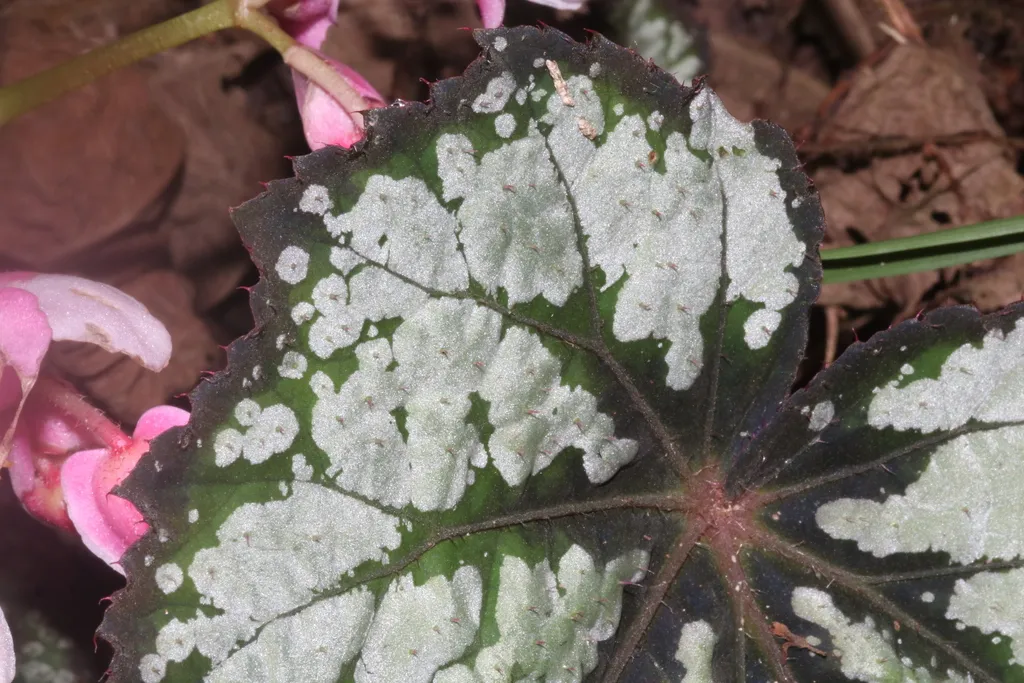
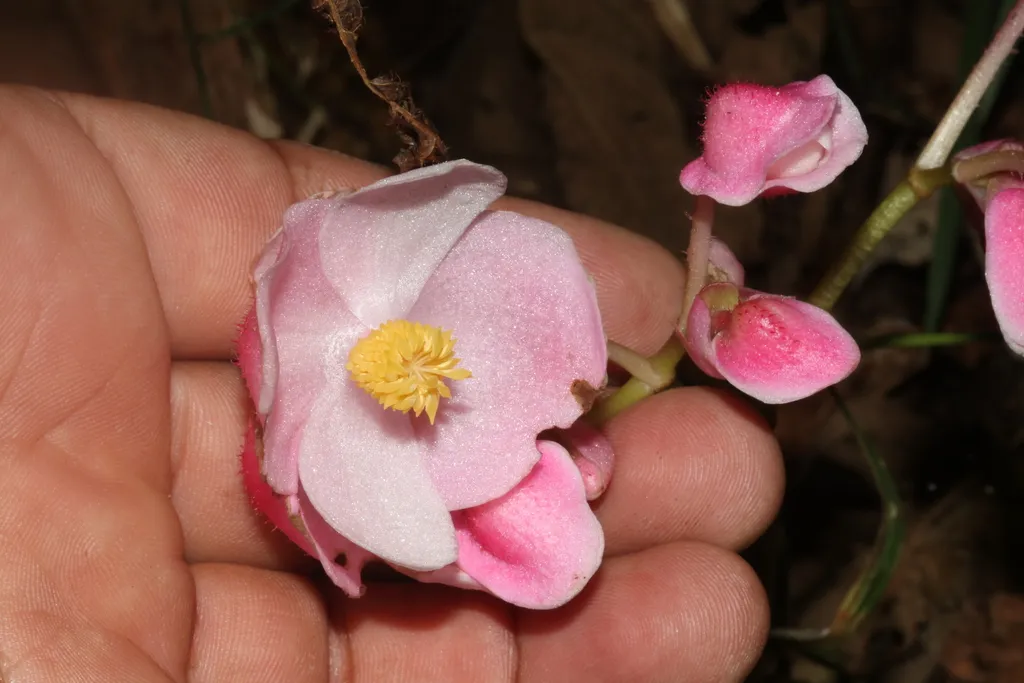
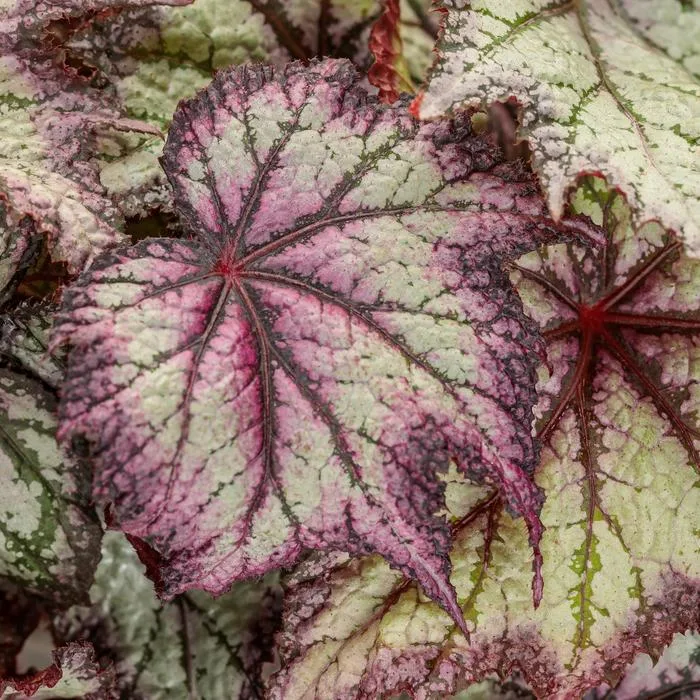
Rex Begonias are grown primarily for their striking, asymmetrical leaves which display a whirl of colors including silver, green, pink, red, and purple. The leaves are often textured with hairy surfaces and wavy margins, forming a dense, bushy clump. Although they produce small pink or white flowers in summer, their main ornamental value lies in the vibrant foliage. This compact plant typically reaches 30-50 cm in height and spread, making it ideal for indoor displays.
Scientific classification
- Species
- Rex Begonia (Begonia rex-cultorum)
- Genus
- Information to be completed
- Family
- Begoniaceae
- Toxic to cats, dogs, and humans if ingested, due to calcium oxalate crystals. Keep out of reach of pets and children.
- Toxicity
- Houseplants · Foliage · Perennial
- Plant type
- 0.3 - 0.5 metres
- Height
- 0.3 - 0.6 metres
- Spread
- Evergreen
- Foliage
- Bushy · Clump forming
- Habit
- Spring · Summer · Autumn
- Season of interest
- Bright indirect light
- Sunlight
- 15 – 25 °C
- Ideal temperature









Rex Begonia pictures
Distribution of Rex Begonia
Distribution map
Southwest China, Northeast India
Toxicity
Toxic to cats, dogs, and humans if ingested, due to calcium oxalate crystals. Keep out of reach of pets and children.
Rex Begonia care guide
- Water when top inch of soil feels dry
- Watering
- Bright indirect light
- Sunlight
- 15 – 25 °C
- Ideal temperature

Watering
Water when top inch of soil feels dry
Fertilizing
 Fertilizing
Every 4 weeks during growing season
Pruning
 Pruning
Remove dead or yellowing leaves and spent flower stems to maintain shape. Cut back leggy growth in early spring to encourage bushier growth.
Propagation
 Propagation
Propagate by leaf cuttings or stem cuttings in spring or early summer. Take a healthy leaf with a 2-3 cm petiole, insert it into moist propagating mix, and cover with a plastic bag to maintain humidity. Keep at 20-25°C until roots and new plantlets form, usually within 4-6 weeks.
Growing
 Growing
Grow Rex Begonia in bright, indirect light; direct sun will scorch the leaves. Use a well-drained, peat-based potting mix that retains moisture without waterlogging. Water when the top inch of soil feels dry, and reduce watering in winter. Maintain high humidity by placing on a pebble tray or using a humidifier, but avoid wetting the leaves to prevent fungal diseases. Fertilize every four weeks during the growing season with a balanced liquid fertilizer diluted to half strength.
Common pests and diseases
Diseases
Susceptible to powdery mildew, botrytis, and root rot if overwatered or kept in poor air circulation. Ensure good ventilation and avoid wet foliage.
Pests
Common pests include aphids, spider mites, and mealybugs. Inspect regularly and treat with insecticidal soap or neem oil if infestation occurs.
Explore the plant health library →




