



Planting and Growing Amaryllis

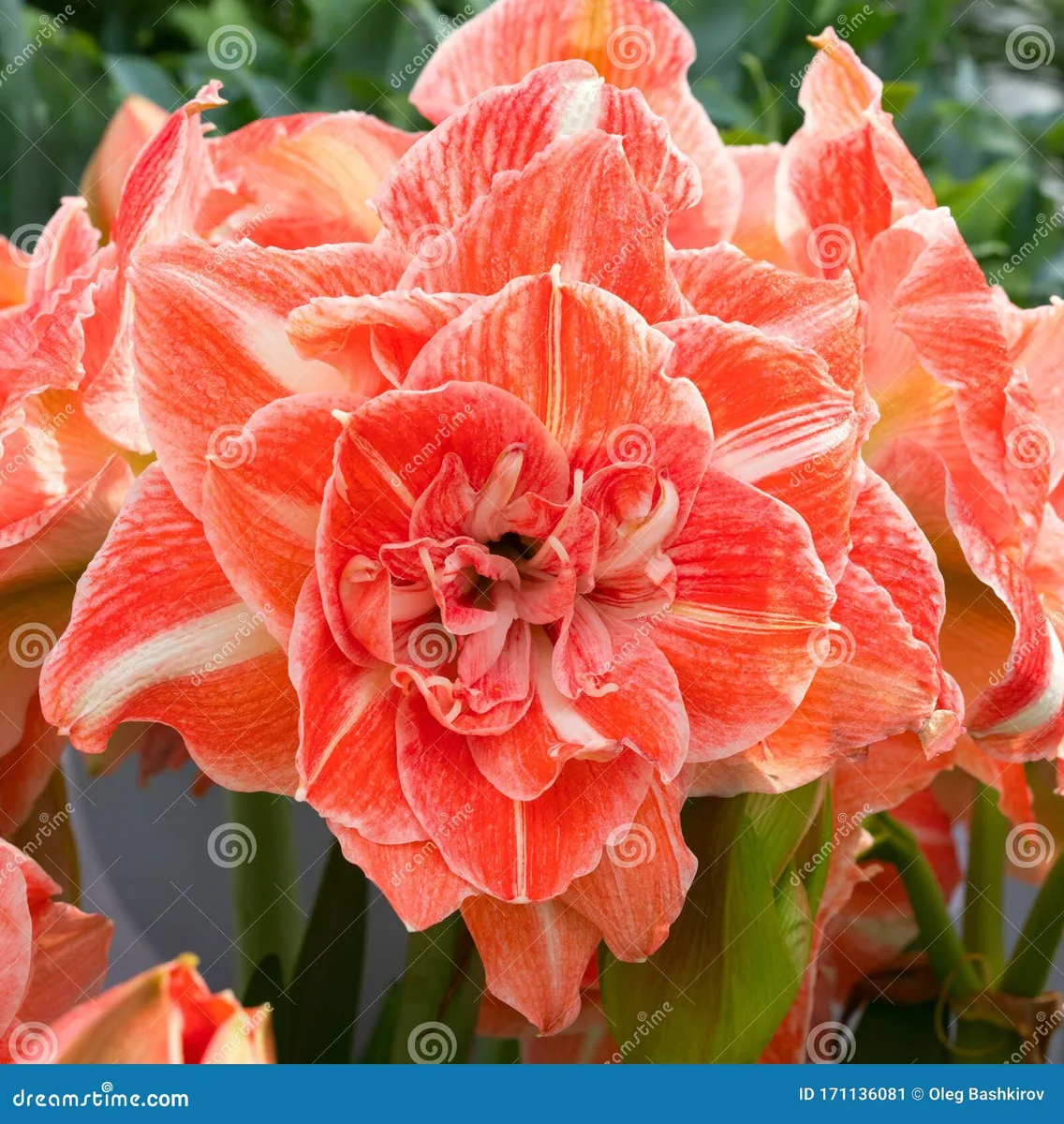
| Care difficulty | 2 / 5 |
|---|---|
| Watering schedule | Keep soil moist during active growth; allow top layer to dry slightly between waterings |
| Sunlight requirements | Bright indirect light · Partial shade |
| Ideal temperature | 15 – 25 °C |
| Soil type | Loam · Peat |
| Soil pH | Neutral · Acid |
| Soil moisture | Moist but well drained |
| Fertilizing | Every 2 weeks during growing season |
| Toxicity | All parts of the plant are toxic if ingested, containing alkaloids that can cause vomiting, diarrhea, and lethargy in humans and pets. |
How to Water Amaryllis?
Keep soil moist during active growth; allow top layer to dry slightly between waterings
Learn more →What Are the Sunlight Requirements for Amaryllis?
Bright indirect light · Partial shade
Learn more →What Is the Ideal Temperature Range for Amaryllis?

15 – 25 °C
Learn more →What Soil Is Best for Amaryllis?
- Soil type
- Loam · Peat
- Soil pH
- Neutral · Acid
What Are the Moisture Requirements for Amaryllis?
Moist but well drained
Learn more →How to Fertilize Amaryllis?

Every 2 weeks during growing season
Learn more →How to Prune Amaryllis?

Cut spent flower stems down to the base after blooming. Remove yellowing leaves once they die back naturally.
Learn more →How to Propagate Amaryllis?

Offsets removed from the mother bulb in autumn and potted individually. Seeds can be sown in spring at 18–21°C, though flowering may take 2–3 years. Twin-scaling is a specialized method for rapid propagation.
Learn more →How to Plant Amaryllis?
Plant bulbs in spring or autumn in well-drained soil with the neck exposed. Water moderately during the growing season, allowing the top layer of soil to dry between waterings. Feed with a balanced liquid fertilizer every two weeks from leaf emergence until flower buds appear. After flowering, continue watering and feeding until leaves yellow, then gradually reduce water to initiate dormancy. Protect from frost; store bulbs dry at 5–10°C during winter dormancy. Repot every 2–3 years after dormancy.
Learn more →Common Pests & Diseases

Diseases
Susceptible to bulb rot (Fusarium, Botrytis) in overly wet conditions, and leaf scorch (Stagonospora) in high humidity.
Pests
Common pests include aphids, mealybugs, spider mites, and thrips, particularly when grown indoors.
Explore the plant health library →Troubleshooting
Bulb Rot, Red Blotch (Stagonospora), or Toppling Flower Stalks
Hippeastrum hybridum (amaryllis) grows from a large tunicate bulb that rots quickly if buried too deeply, overwatered before roots and leaves emerge, or kept in waterlogged soil.
| What you notice | Possible explanation | What to check next |
|---|---|---|
| Bulb feels soft and mushy at the neck or base while potting mix stays wet | Bulb or basal plate rot from overwatering or planting the bulb too deeply | Stop watering immediately, unpot to inspect the bulb and roots, and ensure the top one-third of the bulb sits above the soil line. |
| Reddish streaks or sunken red-brown spots appear on leaves, flower stalks, or bulb scales | Red blotch (Stagonospora curtisii) or physical/mite bruising aggravated by wet foliage | Keep foliage and bulb neck dry when watering, remove severely spotted outer dry scales, and improve airflow. |
| Tall flower stalk leans sharply or topples over in bloom | Top-heavy blooms stretching toward one-sided window light in a lightweight pot | Rotate the pot every few days as the stalk grows, use a heavy pot, and stake gently if needed. |
- Pot the bulb with the top one-third exposed above a fast-draining potting mix in a heavy, well-drained pot only 2 to 5 cm (1 to 2 inches) wider than the bulb.
- After initial planting, water sparingly until active root and stalk growth starts, then keep the mix evenly lightly moist (never soggy) during flowering and summer leaf growth.
- Keep all parts of Hippeastrum away from pets, as the bulbs and foliage contain lycorine and other toxic alkaloids.
After flowers fade, cut off the spent flower stalk about 2 to 5 cm (1 to 2 inches) above the bulb, but keep all green strap leaves intact—those leaves recharge the bulb for next year's blooms.
Failure to Rebloom in Following Years
Getting an amaryllis bulb to rebloom year after year requires two phases: vigorous summer leaf growth to rebuild energy, followed by a cool, dry autumn dormancy rest.
| What you notice | Possible explanation | What to check next |
|---|---|---|
| Bulb produces strap-like green leaves each year but no new flower stalk | Insufficient summer sunlight/feeding to rebuild bulb size, or skipping the 8- to 10-week cool dry dormancy period | Review summer light and feeding, and plan a cool, dry rest period in autumn. |
- Grow the leafy bulb in bright sun or bright indirect light from spring through late summer, watering when the top inch of mix dries and feeding every 2 to 4 weeks with a balanced liquid fertilizer.
- In late summer/early autumn (about 8 to 10 weeks before desired winter blooms), stop watering and let the leaves yellow and die back naturally.
- Store the dormant, dry bulb in a cool spot around 10°C to 13°C (50°F to 55°F) for 8 to 10 weeks, then bring back into warmth and bright light and resume light watering to trigger a new flower stalk.
Wax-coated gift amaryllis bulbs are sealed for single-season display; to save them for future years, carefully peel away the wax after flowering and pot the bulb in soil.
The Toxicity of Amaryllis
All parts of the plant are toxic if ingested, containing alkaloids that can cause vomiting, diarrhea, and lethargy in humans and pets.