



Planting and Growing Large-flowered Gladiolus

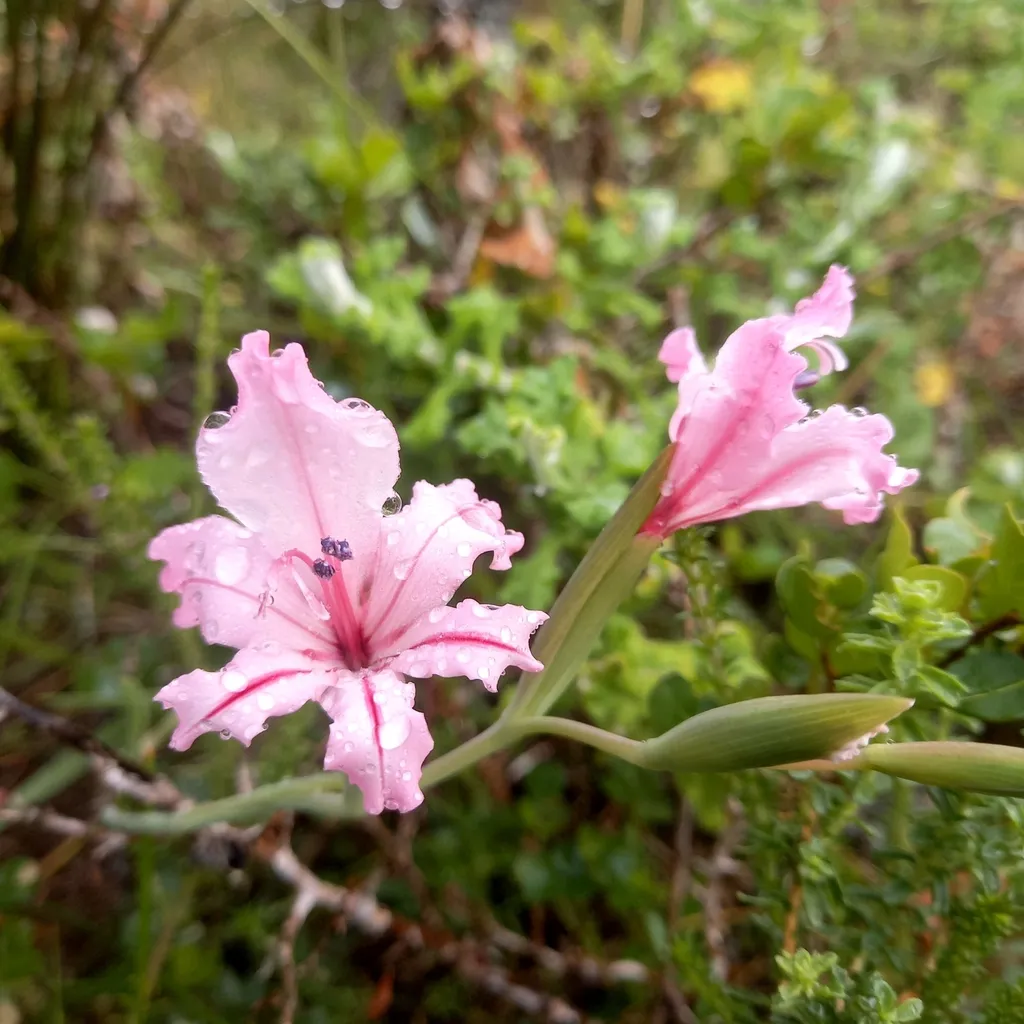
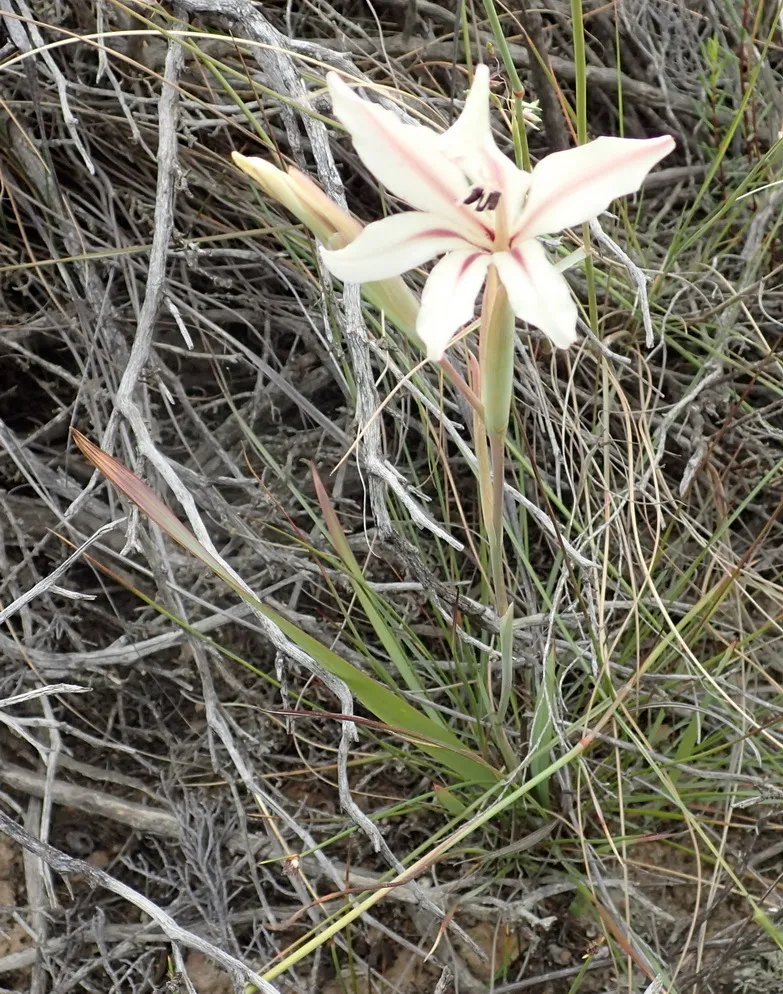
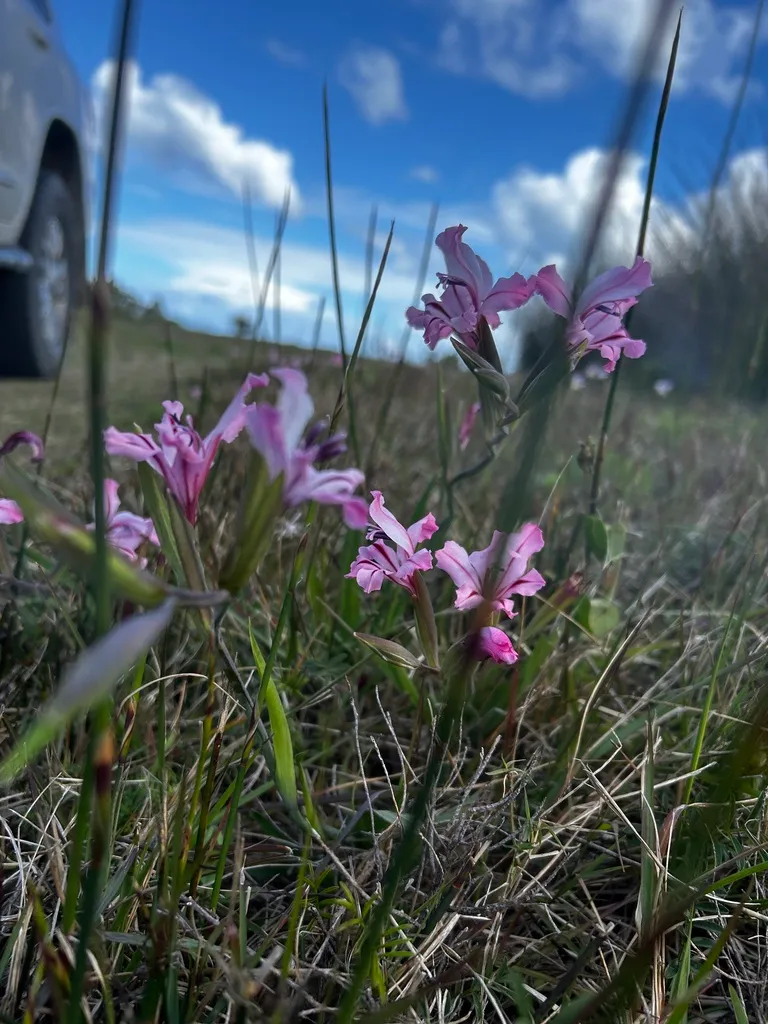
| Care difficulty | 2 / 5 |
|---|---|
| Watering schedule | Keep soil evenly moist during growth |
| Sunlight requirements | Full sun |
| Ideal temperature | 15 – 25 °C |
| Soil type | Loam · Sand |
| Soil pH | Neutral |
| Soil moisture | Well-drained |
| Fertilizing | Every 2–4 weeks when flower spikes appear |
| Toxicity | All parts are toxic if ingested, especially the corms; keep away from children and pets. |
How to Water Large-flowered Gladiolus?
Keep soil evenly moist during growth
Learn more →What Are the Sunlight Requirements for Large-flowered Gladiolus?
Full sun
Learn more →What Is the Ideal Temperature Range for Large-flowered Gladiolus?

15 – 25 °C
Learn more →What Soil Is Best for Large-flowered Gladiolus?
- Soil type
- Loam · Sand
- Soil pH
- Neutral
What Are the Moisture Requirements for Large-flowered Gladiolus?
Well-drained
Learn more →How to Fertilize Large-flowered Gladiolus?

Every 2–4 weeks when flower spikes appear
Learn more →How to Prune Large-flowered Gladiolus?

Deadhead spent flowers to prolong blooming. After flowering, cut back stems to ground level but leave leaves to die back naturally to nourish the corm.
Learn more →How to Propagate Large-flowered Gladiolus?

Propagate by dividing offsets (cormels) in spring, planting them 5 cm deep. Alternatively, sow fresh seeds in late winter at 18–21°C; seedlings take 2–3 years to flower. For cultivars, use cormel division to maintain true characteristics.
Learn more →How to Plant Large-flowered Gladiolus?
Plant corms in spring after the last frost, 10–15 cm deep and 15–20 cm apart in fertile, well-drained soil. Water regularly during the growing season, keeping the soil evenly moist but not waterlogged. Apply a balanced liquid fertiliser every 2–4 weeks once flower spikes appear. In autumn, lift corms before the first frost, dry them, and store in a cool, frost-free place over winter. Stake tall varieties to prevent wind damage.
Learn more →Common Pests & Diseases

Diseases
Susceptible to botrytis blight, fusarium rot, and rust; ensure good air circulation and avoid overhead watering.
Pests
Common pests include thrips, aphids, and spider mites; monitor regularly and treat with insecticidal soap if needed.
Explore the plant health library →Troubleshooting
Poor Flowering/Fruiting, Premature Decline, or Bulb/Root Rot
Large-flowered Gladiolus (Gladiolus grandiflorus) requires steady soil moisture, well-drained fertile soil, and full sunlight; waterlogged soil quickly rots bulbs and roots, while drought swings or shade reduce yield or blooms.
| What you notice | Possible explanation | What to check next |
|---|---|---|
| Lower leaves yellow and plants wilt or collapse at the base in wet soil | Waterlogged soil or bulb/root rot (Susceptible to botrytis blight, fusarium rot, and rust; ensure good air circulation and avoid overhead watering.) | Inspect soil drainage and ensure containers have open drainage holes |
| Weak stems, poor pod/fruit set (e.g., blossom end rot or unpollinated fruits on Cucurbita pepo), or sparse flowers | Insufficient direct sun, irregular watering swings, or lack of insect pollination | Assess daily sun hours, watering consistency, and pollinator activity |
- Grow in fertile, well-drained soil in full sun, spacing plants properly for good air circulation.
- Maintain even moisture without waterlogging: Keep soil evenly moist during growth.
- Lift and store frost-tender corms/tubers/bulbs (such as Gladiolus and Freesia) in cool dry frost-free conditions after foliage dies down, and rotate annual crops.
For Cyclamen persicum, allow tubers to rest nearly dry in cool shade during summer dormancy after leaves yellow naturally.
Powdery Mildew, Aphids, Slugs, or Thrips
Humid crowded foliage or dry root stress encourages powdery mildew or grey mould on Large-flowered Gladiolus (Gladiolus grandiflorus), while tender shoots and flowers attract Common pests include thrips, aphids, and spider mites; monitor regularly and treat with insecticidal soap if needed..
| What you notice | Possible explanation | What to check next |
|---|---|---|
| White powdery coating on leaves or grey mold on damp flowers/stems | Fungal disease (Susceptible to botrytis blight, fusarium rot, and rust; ensure good air circulation and avoid overhead watering.) | Check plant spacing and whether overhead watering wets foliage late in the day |
| Silvery streaks on petals/leaves, sticky clusters of aphids, or ragged holes chewed in young leaves | Common pests (Common pests include thrips, aphids, and spider mites; monitor regularly and treat with insecticidal soap if needed.) | Inspect leaf undersides, flower buds, and damp ground around the crown |
- Water at the soil base in the morning rather than overhead so foliage dries quickly.
- Remove mildewed leaves and faded flowers promptly, and clear plant debris at season's end.
- Manage aphids or thrips with a firm water spray or insecticidal soap per label directions, and protect young shoots from slugs.
Discard any bitter-tasting Cucurbita pepo fruits immediately, as bitterness indicates toxic cucurbitacins.
The Toxicity of Large-flowered Gladiolus
All parts are toxic if ingested, especially the corms; keep away from children and pets.