
Large-flowered Gladiolus
Also known as: Large-flowered Gladiolus, Garden Gladiolus (English); 大花唐菖蒲, 大花剑兰 (Chinese)
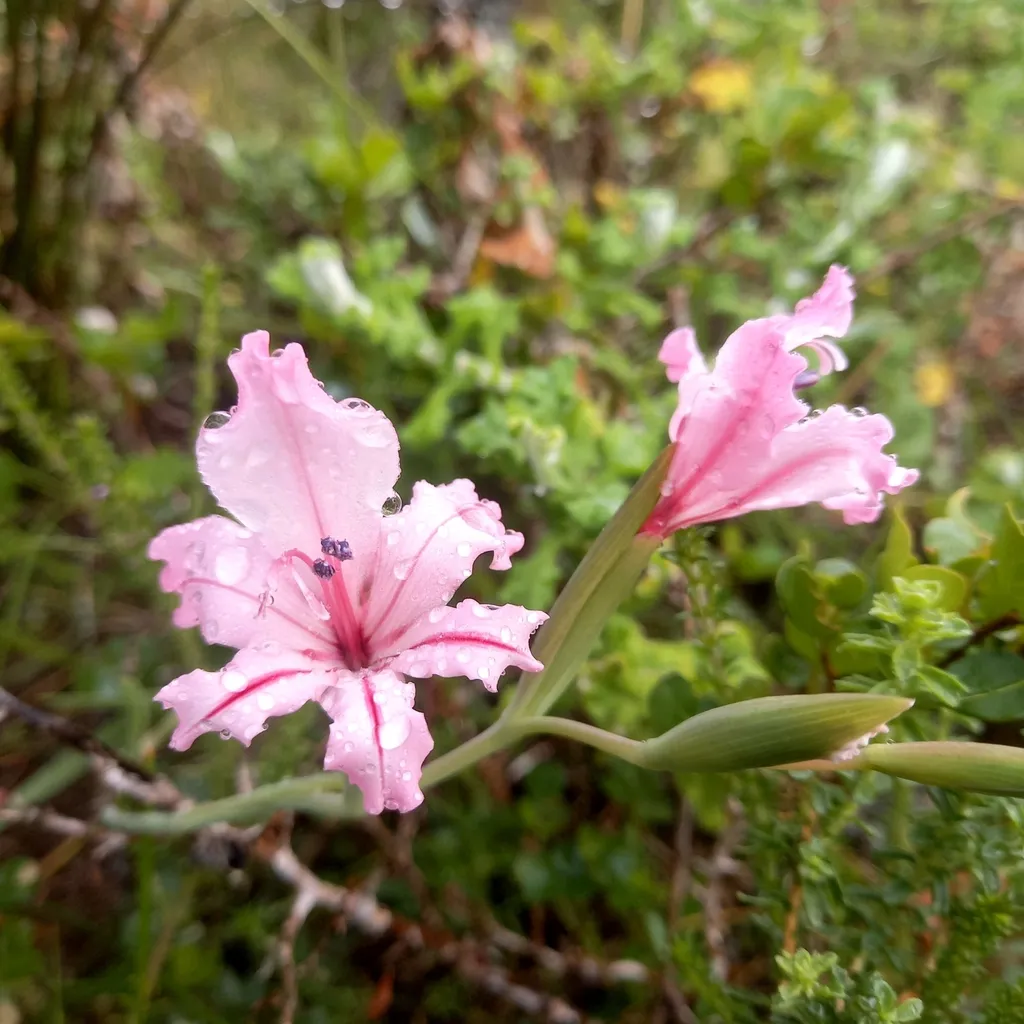
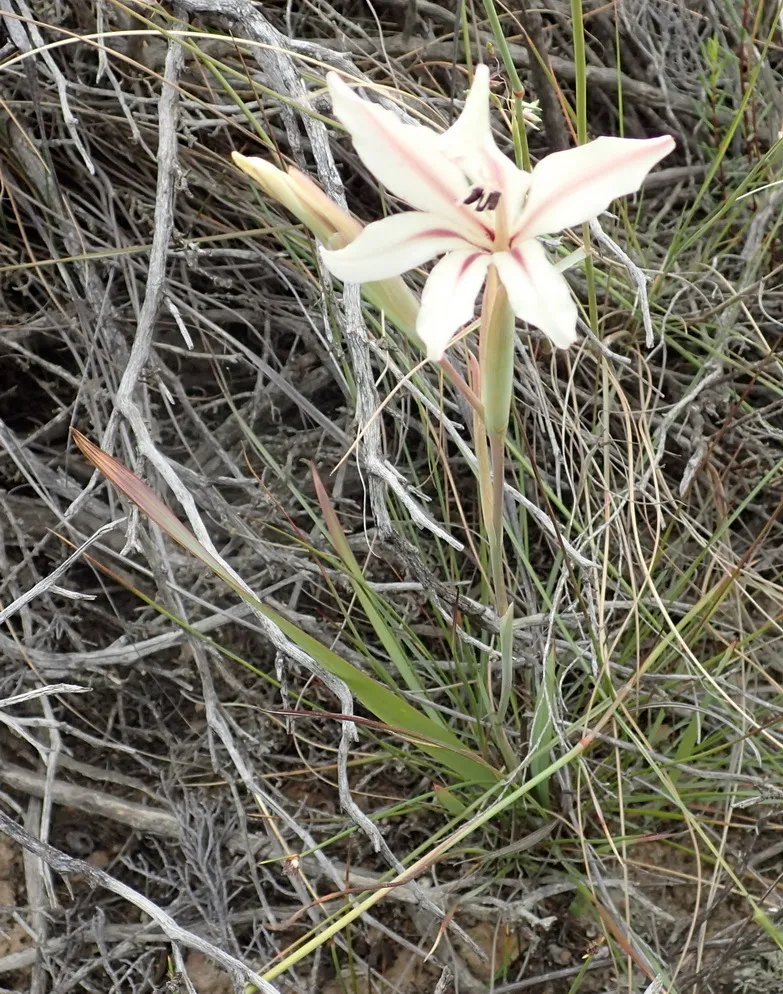
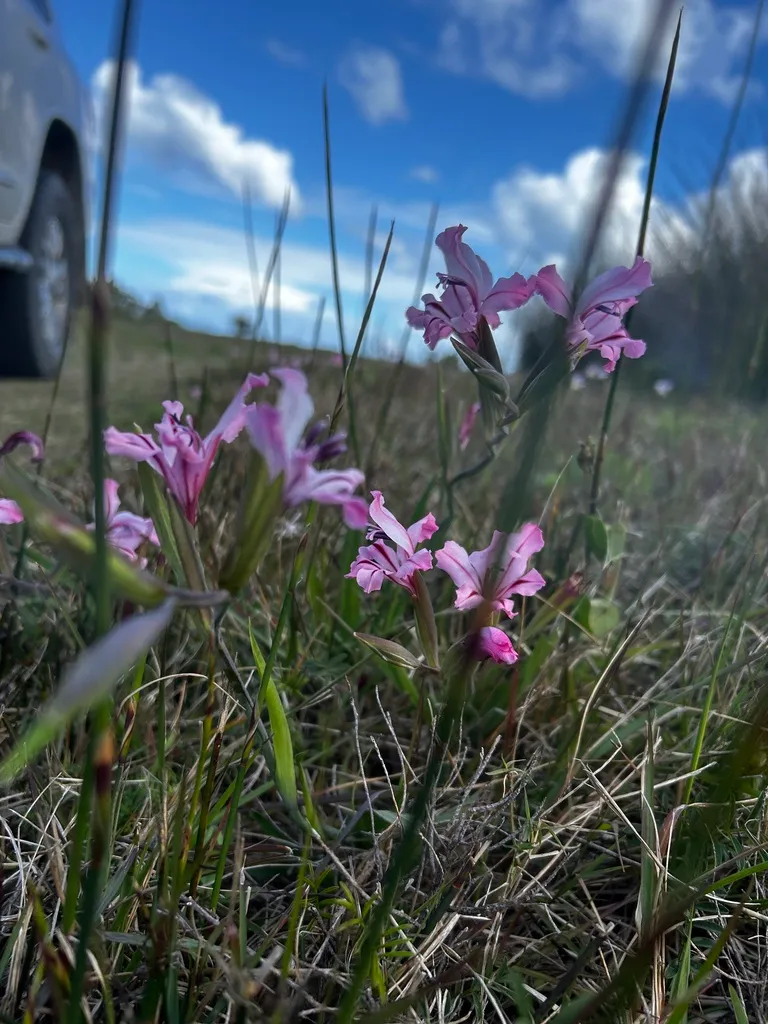
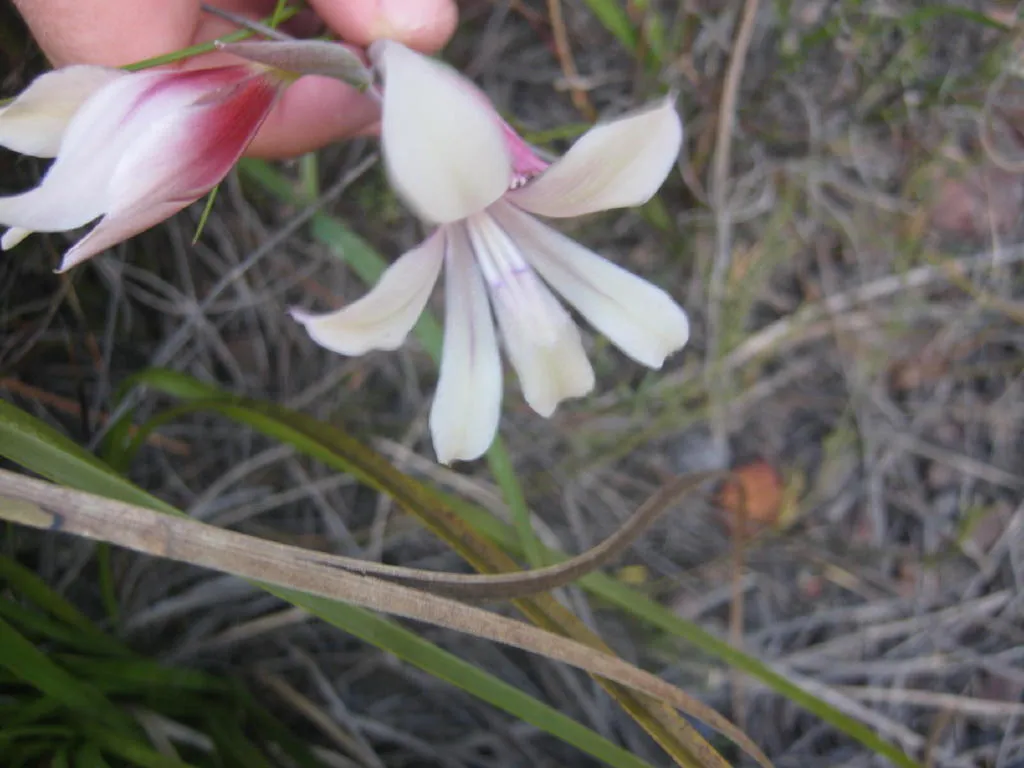
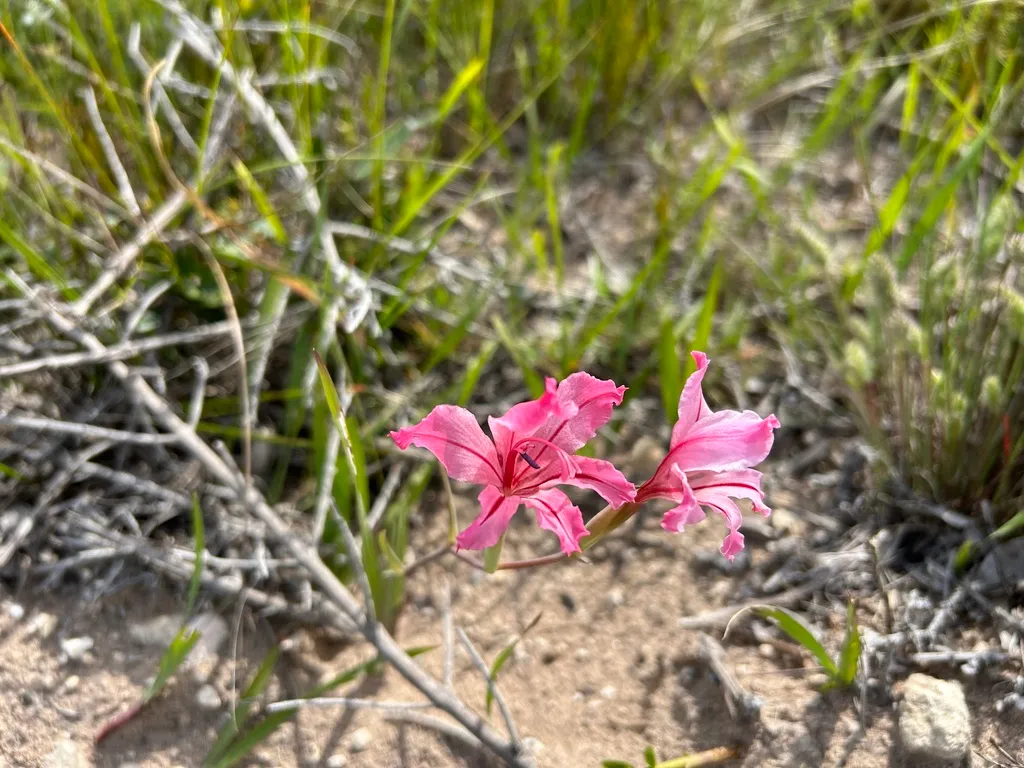
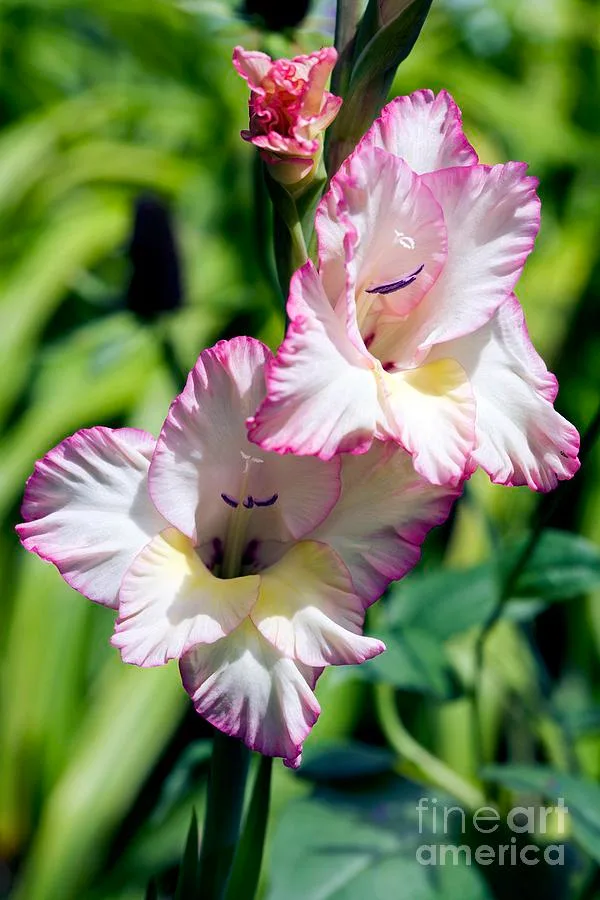
Gladiolus grandiflorus produces tall, erect spikes of large, funnel-shaped flowers in a wide range of vibrant colours, including red, pink, yellow, orange, and white. The sword-shaped leaves are arranged in a fan at the base. Each flowering stem bears 10–20 blooms that open sequentially from bottom to top, providing a prolonged display in summer. The plant grows from a corm and reaches 1–1.5 metres in height.
Scientific classification
- Species
- Large-flowered Gladiolus (Gladiolus grandiflorus)
- Genus
- Information to be completed
- Family
- Iridaceae
- All parts are toxic if ingested, especially the corms; keep away from children and pets.
- Toxicity
- Bulbs · Herbaceous Perennial
- Plant type
- 1 - 1.5 metres
- Height
- 0.3 - 0.5 metres
- Spread
- Deciduous
- Foliage
- Upright
- Habit
- Summer
- Season of interest
- Full sun
- Sunlight
- 15 – 25 °C
- Ideal temperature









Large-flowered Gladiolus pictures
Distribution of Large-flowered Gladiolus
Distribution map
- Native
- Introduced
- Cultivated
Source:WCVP v16 · Royal Botanic Gardens, Kew · CC BY 3.0 · Boundaries:WGSRPD / TDWG
Toxicity
All parts are toxic if ingested, especially the corms; keep away from children and pets.
Large-flowered Gladiolus care guide
- Keep soil evenly moist during growth
- Watering
- Full sun
- Sunlight
- 15 – 25 °C
- Ideal temperature

Watering
Keep soil evenly moist during growth
Fertilizing
 Fertilizing
Every 2–4 weeks when flower spikes appear
Pruning
 Pruning
Deadhead spent flowers to prolong blooming. After flowering, cut back stems to ground level but leave leaves to die back naturally to nourish the corm.
Propagation
 Propagation
Propagate by dividing offsets (cormels) in spring, planting them 5 cm deep. Alternatively, sow fresh seeds in late winter at 18–21°C; seedlings take 2–3 years to flower. For cultivars, use cormel division to maintain true characteristics.
Growing
 Growing
Plant corms in spring after the last frost, 10–15 cm deep and 15–20 cm apart in fertile, well-drained soil. Water regularly during the growing season, keeping the soil evenly moist but not waterlogged. Apply a balanced liquid fertiliser every 2–4 weeks once flower spikes appear. In autumn, lift corms before the first frost, dry them, and store in a cool, frost-free place over winter. Stake tall varieties to prevent wind damage.
Common pests and diseases
Diseases
Susceptible to botrytis blight, fusarium rot, and rust; ensure good air circulation and avoid overhead watering.
Pests
Common pests include thrips, aphids, and spider mites; monitor regularly and treat with insecticidal soap if needed.
Explore the plant health library →




