



Planting and Growing Golden shower tree

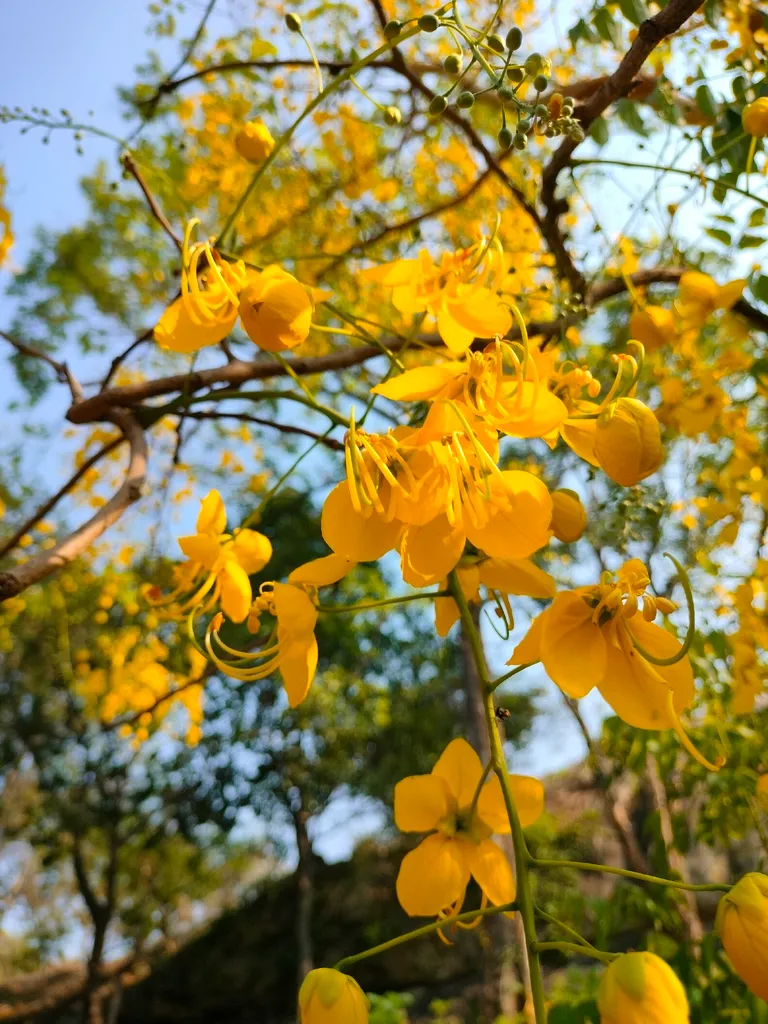
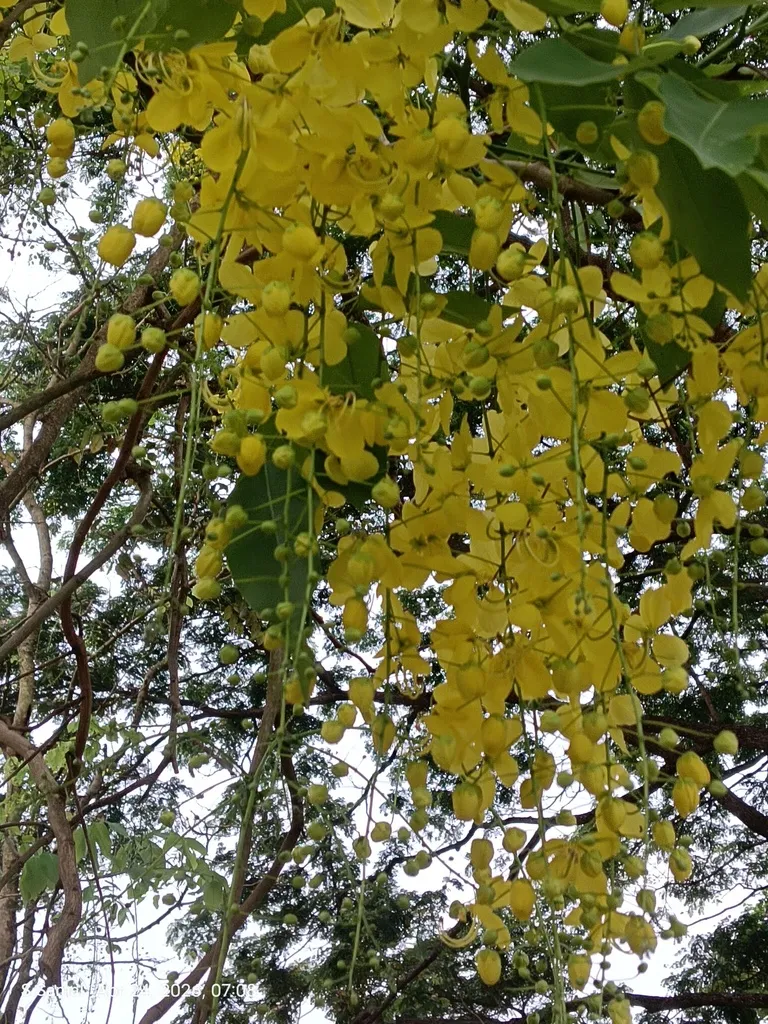
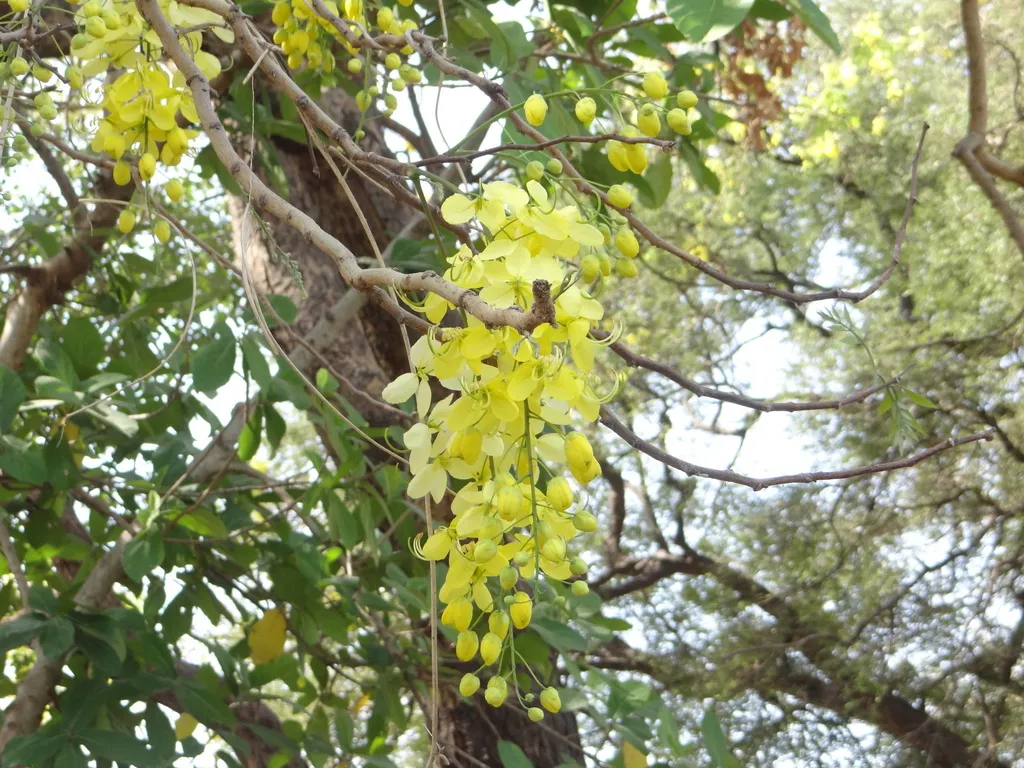
| Care difficulty | 2 / 5 |
|---|---|
| Watering schedule | Water deeply when top 5 cm of soil is dry; reduce watering in winter |
| Sunlight requirements | Full sun |
| Ideal temperature | 20 – 30 °C |
| Soil type | Loam · Sand |
| Soil pH | Neutral · Acid |
| Soil moisture | Well-drained |
| Fertilizing | Once in early spring and once in midsummer |
| Toxicity | The seeds and pods contain toxic compounds (e.g., fistulic acid) and should not be ingested; may cause mild skin irritation in sensitive individuals. |
How to Water Golden shower tree?
Originating from the tropical regions, golden shower tree thrives in environments with high humidity and regular rainfall. It has adapted to withstand periods of lower water availability, making it moderately drought-tolerant. Care for golden shower tree should include watering once every 1-2 weeks, ensuring a balance that mimics its natural habitat's wet-dry cycles. As an outdoor-grown species, golden shower tree's flowering is influenced by water availability, with optimal irrigation promoting its vibrant yellow blooms during the growing season.
Learn more →What Are the Sunlight Requirements for Golden shower tree?
Golden shower tree thrives best in full sunlight, where it can receive unfiltered light for at least 6-8 hours a day to support its vigorous growth and prolific flowering. Although golden shower tree is adaptable and can tolerate partial sun, insufficient light can lead to reduced flowering and stunted growth. In optimal light, golden shower tree maintains a richer, more vibrant leaf color and robust health, enabling it to withstand pests and diseases more effectively. This tree is typically grown outdoors, where it should be planted in locations that receive ample sunlight for the majority of the day to ensure its best performance.
Learn more →What Is the Ideal Temperature Range for Golden shower tree?

Golden shower tree exhibits notable resilience to temperature variations, enduring cold down to 5℃ (41℉) and heat up to 45℃ (113℉). Its adaptability makes it suitable for diverse climates, though protection is needed in extreme weather. In cold conditions, golden shower tree may show leaf yellowing or drop, while overheating can lead to scorched leaves or inhibited growth. Use mulching and windbreaks to shield from cold snaps, and provide ample water and shade during heatwaves. These measures help maintain golden shower tree's health and vitality.
Learn more →What Soil Is Best for Golden shower tree?
Golden shower tree prefers well-drained soil to prevent water-logging. A suitable mix can be prepared using equal parts garden soil, coarse sand, and compost. Ensure good drainage by adding a layer of gravel at the bottom of the planting container. Incorporate a balanced fertilizer every few months to enhance growth. Avoid water-logging by ensuring the mix is loose and airy.
- Soil type
- Loam · Sand
- Soil pH
- Neutral · Acid
What Are the Moisture Requirements for Golden shower tree?
Well-drained
Learn more →How to Fertilize Golden shower tree?

For golden shower tree, a balanced NPK fertilizer supports robust growth and lavish blooms. Apply a balanced fertilizer every 3-4 months, adhering to indicated quantities to prevent over-fertilization. Fertilization benefits golden shower tree by enhancing growth, flowering, and resilience. During active growth in spring and summer, increased frequency aids development. Use less in dormant periods. When applying, ensure it's watered in well, and avoid direct contact with the trunk to prevent burn. Tailored to all skill levels, these guidelines promote flourishing golden shower tree through precise care.
Learn more →How to Prune Golden shower tree?

Golden shower tree is a vibrant, tropical deciduous tree known for its cascading yellow flowers. Optimal pruning should occur in late winter before the onset of new growth. Key techniques include removing dead or damaged branches, thinning out dense areas to improve airflow, and shaping the tree to maintain its form. Regular pruning promotes healthier blooms and deters pest infestations, enhancing overall plant health.
Learn more →How to Propagate Golden shower tree?

Golden shower tree has a range of propagation methods including hardwood cuttings, layering (air), and sowing seeds. Propagation is generally easy with signs of success including new growth and root development. Autumn and winter are the ideal propagation seasons for golden shower tree. Key tips include using well-draining soil and providing consistent moisture.
Learn more →How to Transplant Golden shower tree?
The perfect time to transplant golden shower tree is during the warmth of late spring to early summer, ensuring successful acclimatization. Choose a sunny location with well-draining soil. If needed, gently loosen the root ball to encourage root expansion.
Learn more →How to Care for Golden shower tree in Winter?

Golden shower tree thrives in warm tropical climates and is not naturally adapted to cold winters. In regions prone to frost, the plant may require additional care and shelter during winter months. Its winter care may include mulching, enclosure, or indoor relocation to avoid frost damage. To prepare for the colder winters, gardeners must ensure golden shower tree receives ample sunlight and is in a frost-protected area.
Learn more →How to Plant Golden shower tree?
Indoors-potted: Thriving indoors, golden shower tree needs ample space to accommodate its growth; rotate the pot periodically for even foliage development. Outdoors-potted: In outdoor pots, golden shower tree requires a stable structure for support as it matures and branches out. Outdoors-in the ground: When planted in the ground, golden shower tree's extensive root system necessitates strategic placement away from structures.
Learn more →How to Repot Golden shower tree?
Repot golden shower tree, a large, cascading tree, every 2-3 years to accommodate its rapid growth. The optimal time is spring, before the onset of vigorous growth. Choose a large, sturdy pot with ample room to grow. After repotting, keep golden shower tree's soil moist and offer shade from harsh sunlight to ensure a smooth transition to its new environment.
Learn more →Common Pests & Diseases

Diseases
Susceptible to root rot in poorly drained soils; may suffer from leaf spot and powdery mildew in humid conditions. Ensure good air circulation.
Pests
May be attacked by aphids, scale insects, and mealybugs; also susceptible to caterpillars that feed on foliage.
Explore the plant health library →Troubleshooting
Leggy Stems, Sparse Flowering, or Root Rot
Golden shower tree (Cassia fistula) performs best in well-drained soil with appropriate sunlight and regular deadheading; soggy soil rots roots, while low light or skipped pinching causes leggy growth.
| What you notice | Possible explanation | What to check next |
|---|---|---|
| Stems stretch tall and floppy with sparse blooms | Insufficient direct sunlight, lack of early-season pinching/deadheading, or excess high-nitrogen fertilizer | Assess daily sun hours and check whether spent flowers are left to set seed |
| Lower leaves turn yellow and plant wilts while soil stays wet and heavy | Root or stem rot from overwatering or poor drainage (Susceptible to root rot in poorly drained soils; may suffer from leaf spot and powdery mildew in humid conditions. Ensure good air circulation.) | Check soil drainage and ensure containers have open drainage holes |
- Grow in fertile, well-drained soil in full sun, spacing plants for good airflow.
- Water consistently without waterlogging: Water deeply when top 5 cm of soil is dry; reduce watering in winter.
- Maintain compact flowering growth: Prune after flowering in late summer to shape and remove dead or crossing branches. Avoid heavy pruning as flower buds form on old wood..
Stop watering waterlogged containers immediately and improve drainage before fungal root or stem rot spreads.
Powdery Mildew, Grey Mould, or Aphids and Slugs
Crowded foliage, dry root stress, or damp stagnant air can trigger mildew or grey mould on Golden shower tree (Cassia fistula), while tender shoots attract pests.
| What you notice | Possible explanation | What to check next |
|---|---|---|
| White powdery coating on leaves, or fuzzy grey mold on damp spent flowers | Fungal disease (Susceptible to root rot in poorly drained soils; may suffer from leaf spot and powdery mildew in humid conditions. Ensure good air circulation.) favored by drought stress at the roots or wet, crowded foliage | Inspect lower leaves and spent blooms and check plant spacing |
| Distorted shoot tips with aphids/whiteflies, or ragged holes chewed in young leaves | Common pests (May be attacked by aphids, scale insects, and mealybugs; also susceptible to caterpillars that feed on foliage.) | Check shoot tips, leaf undersides, and damp ground around the crown |
- Water at the base of the plant early in the day rather than overhead, and thin or divide congested clumps in spring or autumn.
- Remove mildewed leaves and faded flowers promptly, and clear plant debris at season's end.
- Manage aphids or whiteflies with a firm water spray or insecticidal soap per label directions, and protect young shoots from slugs.
Protect frost-tender bedding or subtropical perennials indoors or under glass before autumn frosts.
The Toxicity of Golden shower tree
The seeds and pods contain toxic compounds (e.g., fistulic acid) and should not be ingested; may cause mild skin irritation in sensitive individuals.