
Golden shower tree
Also known as: Golden shower tree, Indian laburnum, pudding-pipe tree, purging cassia
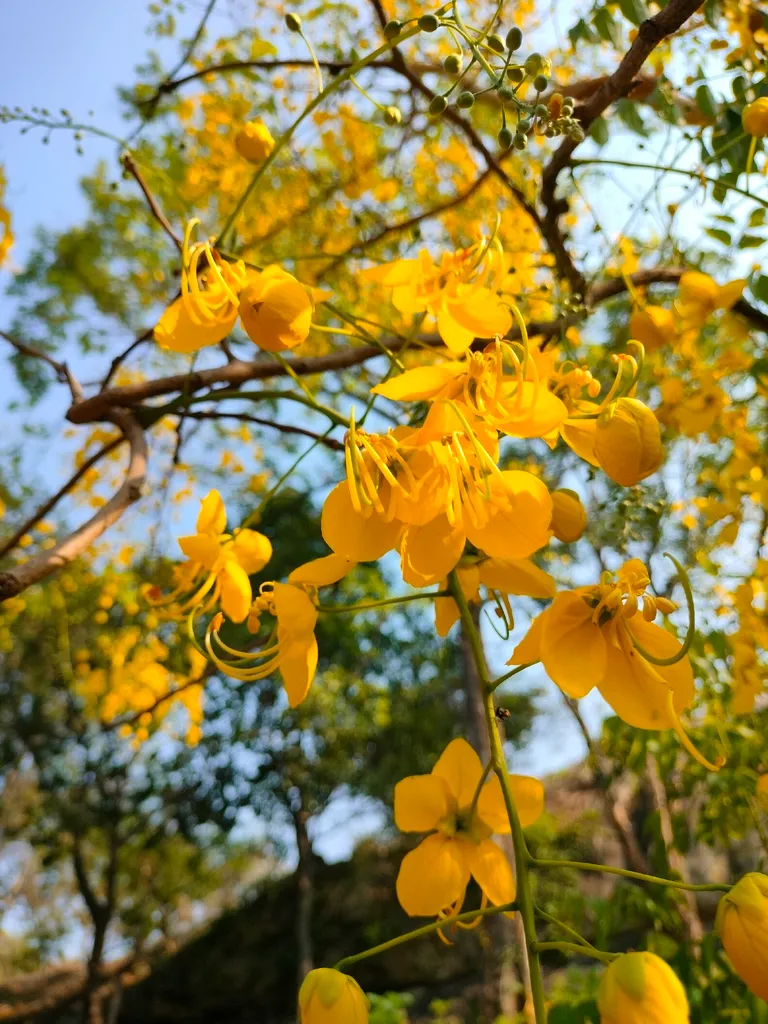
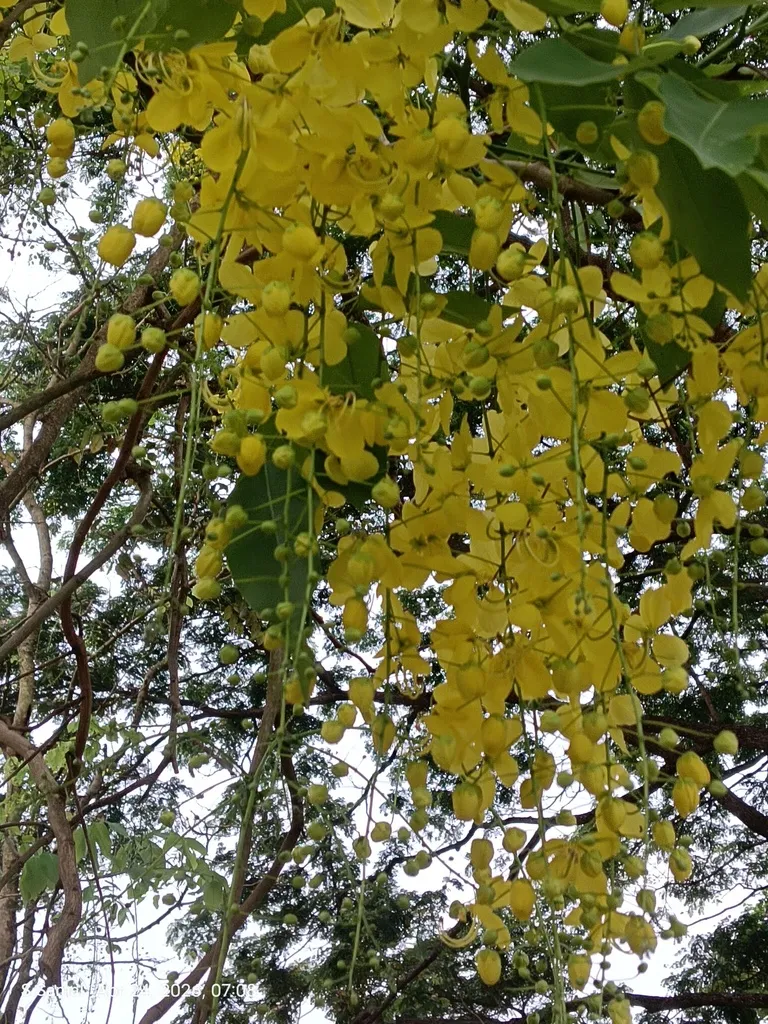
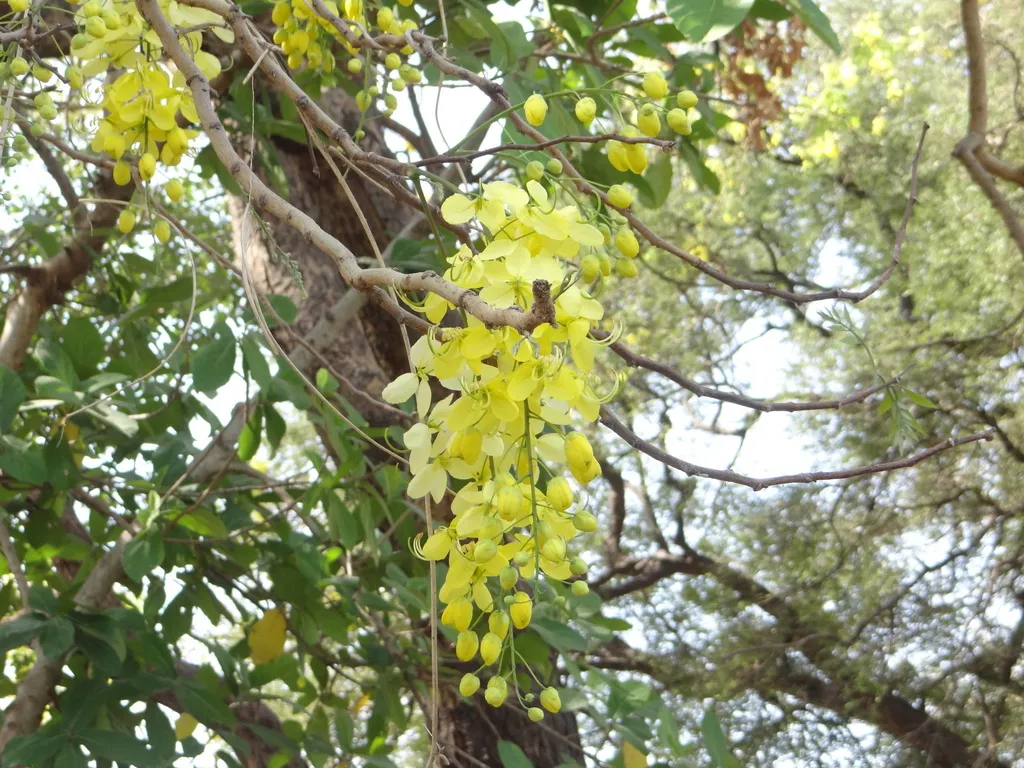
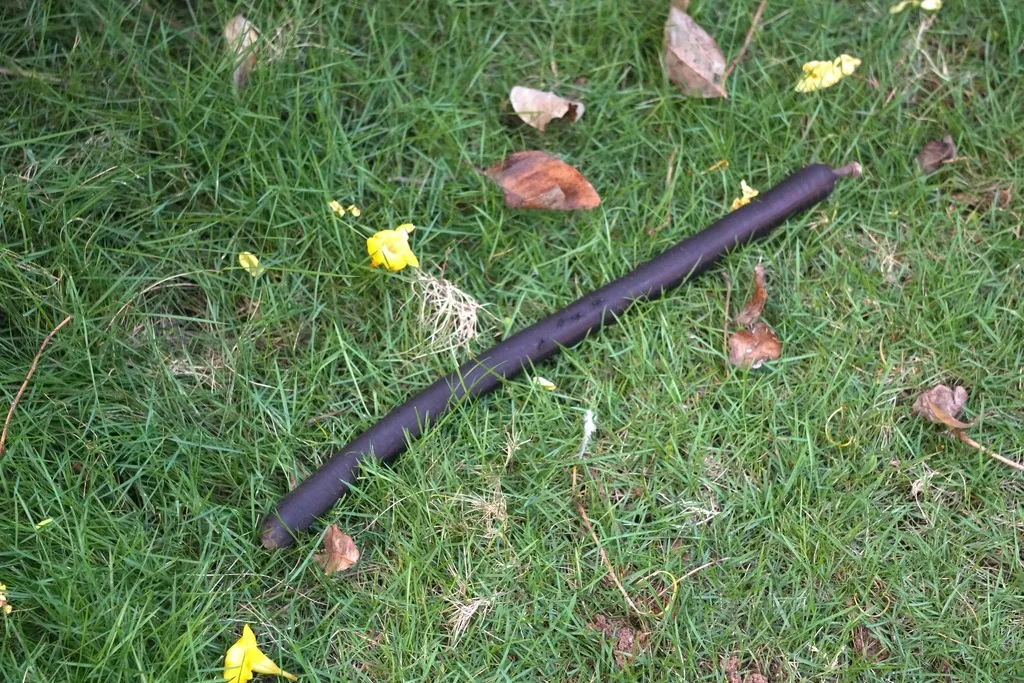
Cassia fistula, commonly known as the golden shower tree, is a medium-sized deciduous tree reaching 10–20 m tall with a spreading, open crown. Its compound leaves are pinnate, with 3–8 pairs of ovate leaflets, and it produces spectacular pendulous racemes of bright yellow flowers up to 40 cm long in early summer. The flowers are followed by long, cylindrical, dark brown seed pods that persist on the tree. This tree is prized for its lavish floral display and is a classic ornamental in tropical and subtropical gardens.
Scientific classification
- Species
- Golden shower tree (Cassia fistula)
- Genus
- Information to be completed
- Family
- Fabaceae
- The seeds and pods contain toxic compounds (e.g., fistulic acid) and should not be ingested; may cause mild skin irritation in sensitive individuals.
- Toxicity
- Tree
- Plant type
- 10 - 20 metres
- Height
- 6 - 10 metres
- Spread
- Deciduous
- Foliage
- Spreading · Upright
- Habit
- Summer
- Season of interest
- Full sun
- Sunlight
- 20 – 30 °C
- Ideal temperature









Golden shower tree pictures
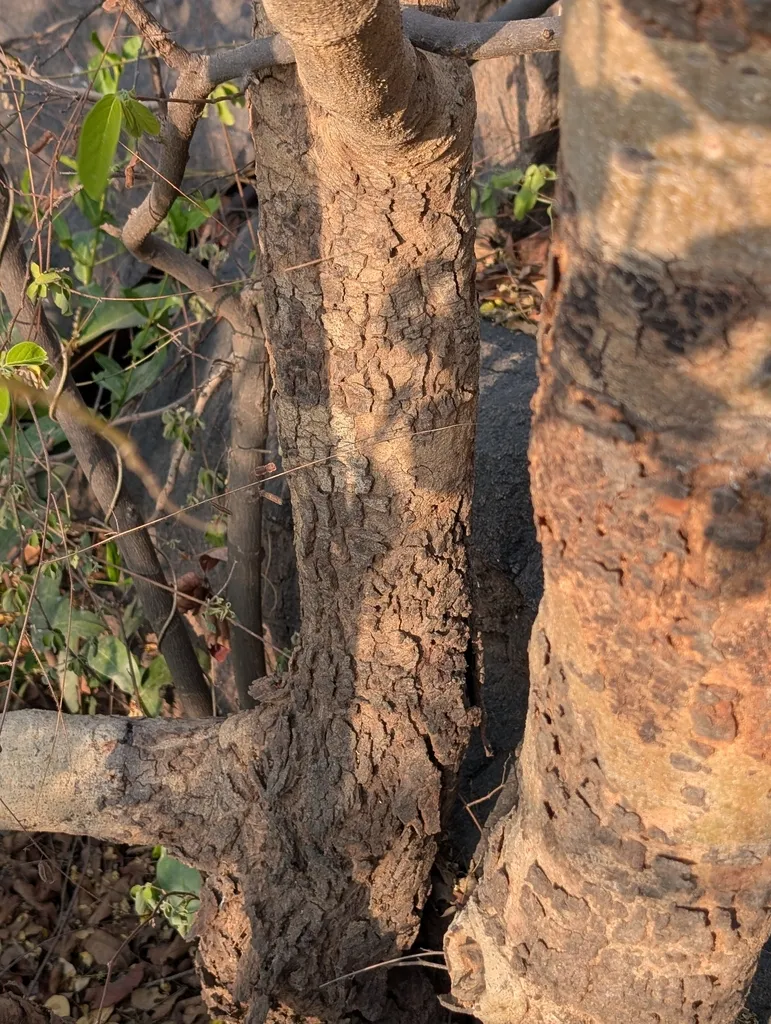
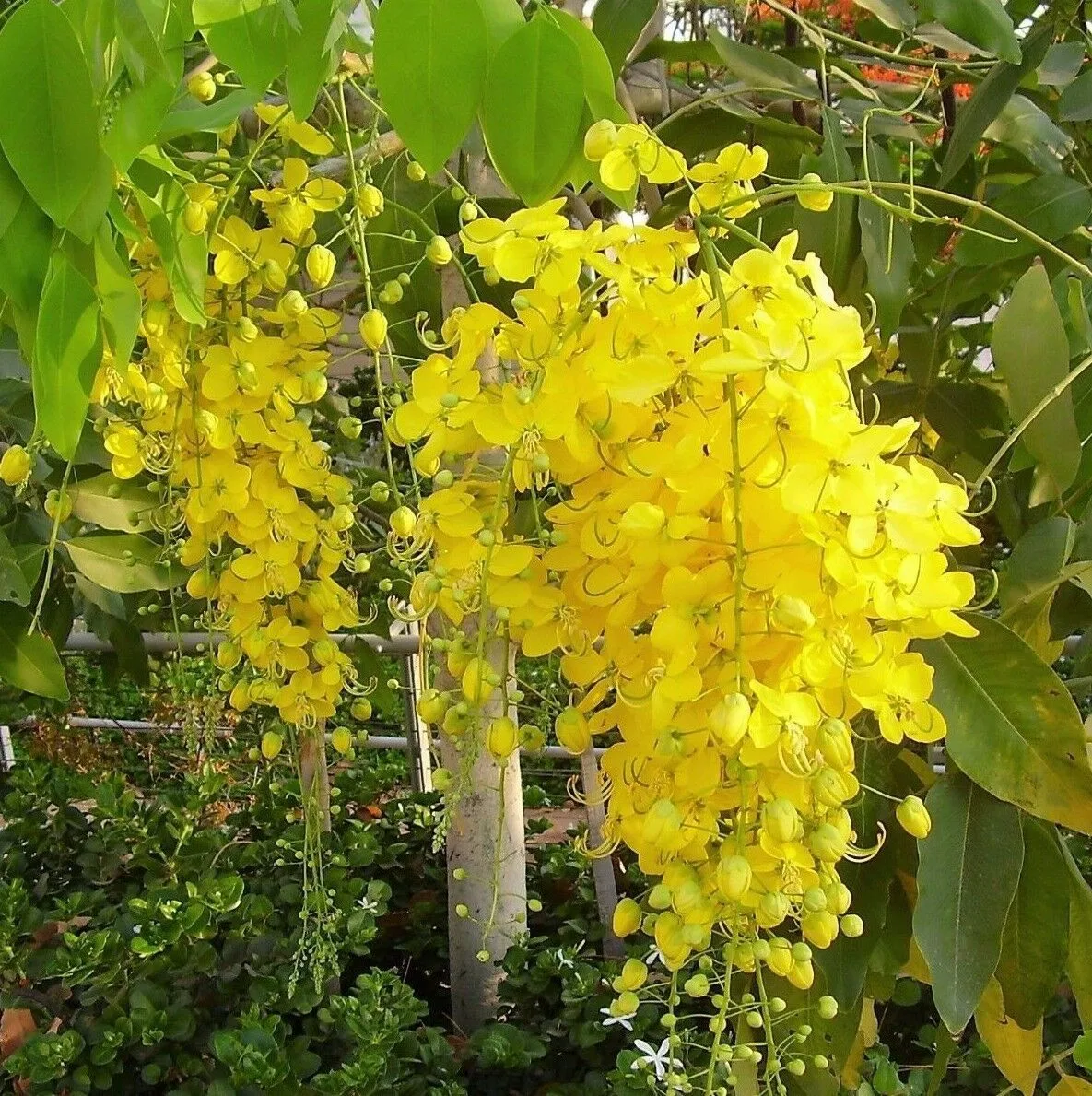
Distribution of Golden shower tree
Distribution map
- Native
- Introduced
- Cultivated
Source:WCVP v16 · Royal Botanic Gardens, Kew · CC BY 3.0 · Boundaries:WGSRPD / TDWG
Toxicity
The seeds and pods contain toxic compounds (e.g., fistulic acid) and should not be ingested; may cause mild skin irritation in sensitive individuals.
Golden shower tree care guide
- Water deeply when top 5 cm of soil is dry; reduce watering in winter
- Watering
- Full sun
- Sunlight
- 20 – 30 °C
- Ideal temperature

Watering
Water deeply when top 5 cm of soil is dry; reduce watering in winter
Fertilizing
 Fertilizing
Once in early spring and once in midsummer
Pruning
 Pruning
Prune after flowering in late summer to shape and remove dead or crossing branches. Avoid heavy pruning as flower buds form on old wood.
Propagation
 Propagation
Sow seeds in spring after soaking them in hot water for 24 hours to break dormancy; germinate at 25–30°C. Alternatively, take semi-ripe cuttings in summer and root under high humidity and bottom heat. Seedlings take 3–5 years to flower.
Growing
 Growing
Grow in full sun in well-drained, fertile soil; it tolerates sandy and loamy soils with neutral to slightly acidic pH. Water regularly during the first growing season to establish a deep root system; once established, it is moderately drought-tolerant. Apply a balanced fertilizer (e.g., 10-10-10) once in early spring and again in midsummer. Protect from frost – in cooler climates, grow in a large container and overwinter indoors or in a heated greenhouse. Prune lightly after flowering to maintain shape and remove dead wood.
Common pests and diseases
Diseases
Susceptible to root rot in poorly drained soils; may suffer from leaf spot and powdery mildew in humid conditions. Ensure good air circulation.
Pests
May be attacked by aphids, scale insects, and mealybugs; also susceptible to caterpillars that feed on foliage.
Explore the plant health library →




