



Planting and Growing Nerve Plant

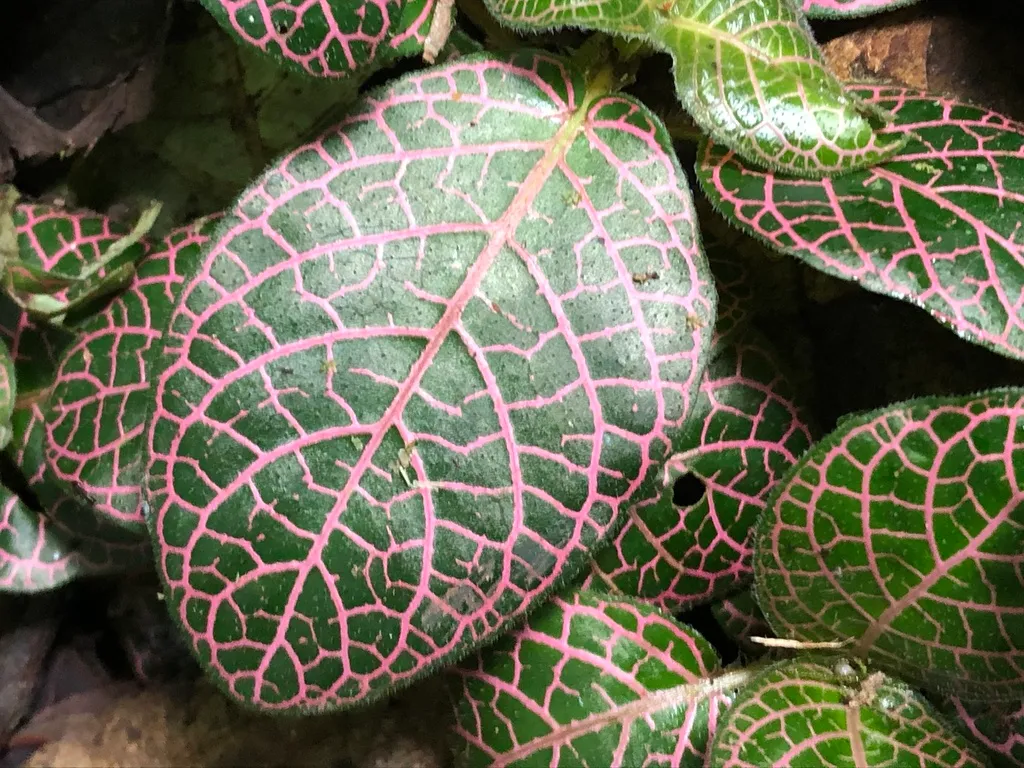
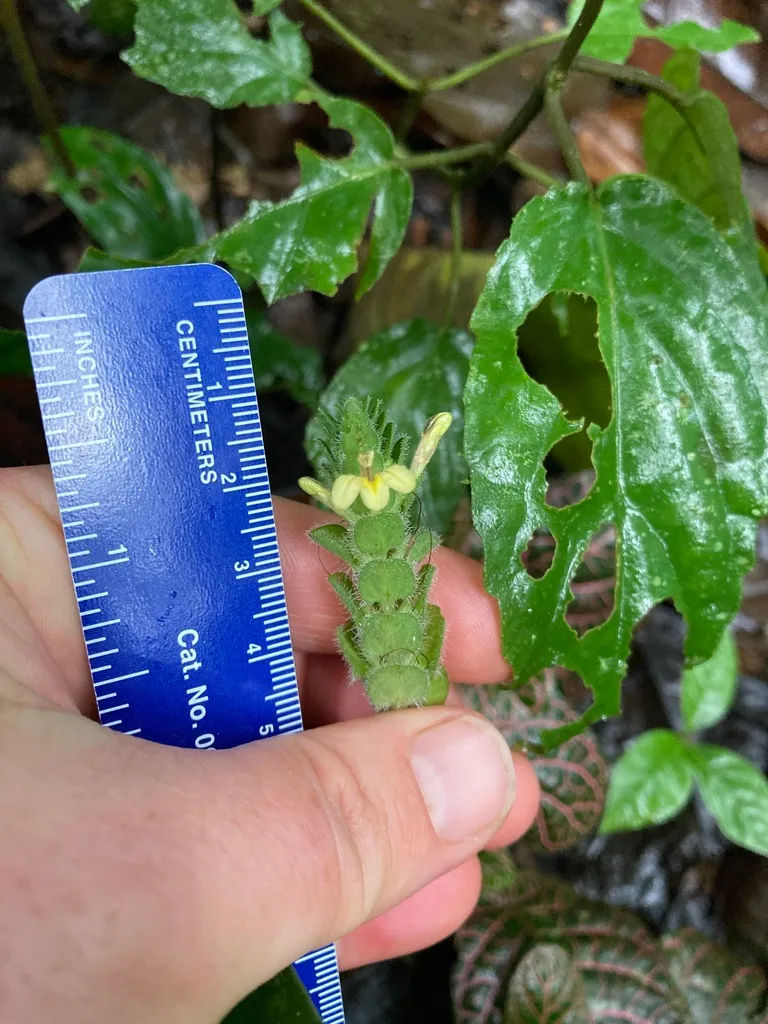
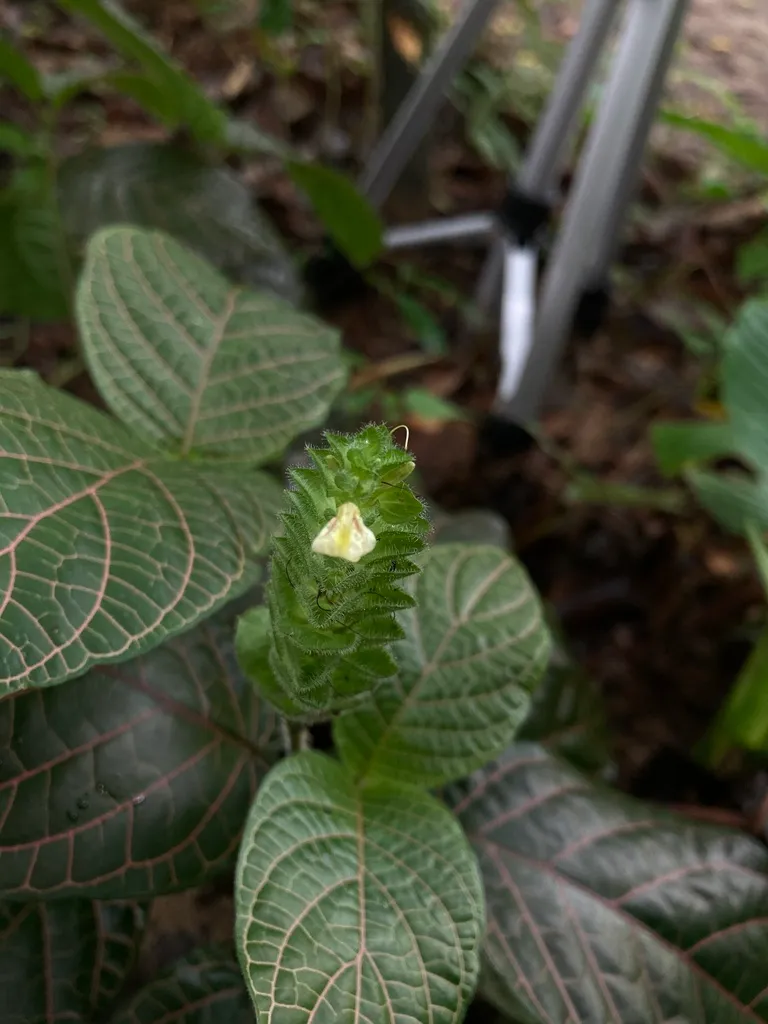
| Care difficulty | 3 / 5 |
|---|---|
| Watering schedule | Keep soil evenly moist, reduce watering in winter |
| Sunlight requirements | Bright indirect light |
| Ideal temperature | 18 – 27 °C |
| Soil type | Peat · Loam |
| Soil pH | Acid · Neutral |
| Soil moisture | Moist but well drained |
| Fertilizing | Every 4 weeks during growing season |
| Toxicity | Non-toxic to humans and pets. |
How to Water Nerve Plant?
Originating from the tropical rainforests, nerve plant thrives in high humidity environments and has adapted to the moist conditions of its native habitat. This species is characterized by a preference for consistent moisture without being waterlogged, exhibiting moderate drought tolerance. Watering should be done every week to maintain its vibrant foliage. As an indoor plant often prized for its ornamental leaves, nerve plant benefits significantly from regular misting to replicate the humid conditions it naturally prefers, ensuring its delicate leaves remain hydrated and healthy.
Learn more →What Are the Sunlight Requirements for Nerve Plant?
Nerve plant flourishes under partial sun, receiving bright, indirect light to maintain vibrant foliage. Prolonged exposure to direct sunlight may lead to leaf scorch, while low light can result in leggy growth. Adaptively, nerve plant's leaves may display altered pigmentation when light conditions vary. Ideally positioned in an indoor environment, nerve plant should be placed near a window with filtered light or in a room with sufficient ambient light. Outside, it thrives in locations offering dappled shade. Its health and growth are intimately linked to receiving its light sweet spot, pivotal for its vivid leaf patterns and robustness.
Learn more →What Is the Ideal Temperature Range for Nerve Plant?

Nerve plant exhibits sensitivity to temperature fluctuations. It can endure temperatures as cold as 5℃ (41℉) and as hot as 43℃ (109℉). Sudden temperature changes can be detrimental, so gradual transitions are best. If exposed to extreme cold, leaves may wilt or develop dark spots, while excessive heat can cause leaf curl or browning. For care, ensure adequate insulation during cold spells and provide shade or humidity during heatwaves. Monitoring and adjusting the environment can help prevent stress and damage to the plant.
Learn more →What Soil Is Best for Nerve Plant?
The optimum soil for the nerve plant is moist, but well-draining soil, which is slightly acidic with a pH value of 6.5. Although it prefers slightly acidic soil, the nerve plant can tolerate alkaline soils with a pH value up to 7.5. Because the nerve plant requires soil which holds moisture, peat-based soil is best as it is also rich in nutrients.
- Soil type
- Peat · Loam
- Soil pH
- Acid · Neutral
What Are the Moisture Requirements for Nerve Plant?
Moist but well drained
Learn more →How to Fertilize Nerve Plant?

Fertilize nerve plant with high nitrogen formulas every 4-6 weeks during active growth in spring and summer. Benefits include lush foliage and robust health. Use half-strength solution to prevent root burn. In winter, reduce frequency as growth slows. Ensuring proper dilution and adherence to seasonal adjustments promotes nerve plant's vitality without over-fertilization risks.
Learn more →How to Prune Nerve Plant?

Renowned for its vibrant, veined foliage, nerve plant benefits from regular pruning to promote bushier growth and healthier leaves. The best time to prune is from early to late spring, aligning with its natural growth cycle. Focus on trimming leggy stems and any damaged or discolored leaves. Regular pruning encourages a compact shape and prevents overgrowth, ensuring optimal air circulation. Always use clean, sharp scissors for a precise cut to avoid plant stress or infection.
Learn more →How to Propagate Nerve Plant?

Propagating nerve plant is efficiently done through stem cuttings, often yielding high success. To stimulate root development, take healthy, non-flowering cuttings with at least two to three leaf nodes. These should be placed in moist soil or water until roots form, after which they can be transferred to potting mix. Using rooting hormone is optional but can enhance the rooting process. Regular humidity and warmth support robust growth. After propagation, consistent but indirect light and avoiding waterlogged conditions are crucial for the cuttings to thrive.
Learn more →How to Transplant Nerve Plant?
To transplant nerve plant successfully, opt for the sweet spot between mid-spring and late spring, when temperatures are mild and soil is warm. Choose a location with ample indirect light and well-draining soil, and follow transplant tips when needed to achieve lush growth.
Learn more →How to Care for Nerve Plant in Winter?

Nerve plant, hailing from the tropics, normally does not experience a chilly winter. However, it can adapt to lower light conditions during the colder months. Her winter survival involves indoor care with moderate sunlight, high humidity, and temperatures around 60-85°F. Avoiding drafts and cold spots is essential. Regular misting and using a pebble tray filled with water can ensure a healthy, vibrant nerve plant throughout the winter.
Learn more →How to Plant Nerve Plant?
Indoors-potted: Ensure your nerve plant isn't stifled by limited space indoors; regular pruning promotes a lush, compact form ideal for home aesthetics. Outdoors-potted: Outdoor pots can overheat, stressing your nerve plant. Choose a shaded spot to maintain vibrant foliage without the risk of drying out. Outdoors-in the ground: In-ground planting of nerve plant may not be ideal in cooler climates as it thrives in consistent warmth; frost is a potential danger.
Learn more →How to Repot Nerve Plant?
For the ground-hugging nerve plant, repot every 2-3 years in spring to accommodate its moderate growth. Choose a slightly larger, shallow pot that supports its spreading habit. Post-repotting, use well-draining soil and keep in bright, indirect light. Maintain high humidity for recovery and trim excessively long roots during repotting for better health.
Learn more →Common Pests & Diseases

Diseases
Susceptible to root rot if overwatered; also prone to powdery mildew in poor air circulation.
Pests
May be attacked by aphids, mealybugs, and spider mites, especially in dry indoor air.
Explore the plant health library →Troubleshooting
Sudden Dramatic Wilting and Crispy Leaf Edges
Fittonia albivenis (nerve plant) is a low-growing tropical rainforest groundcover that collapses dramatically when its shallow roots dry out, yet rots if left in waterlogged soil.
| What you notice | Possible explanation | What to check next |
|---|---|---|
| Stems and leaves slump flat over the pot rim while the potting mix feels dry | Underwatering / shallow root zone dried out | Water thoroughly with lukewarm water and check whether the plant perks back up within a few hours. |
| Leaves stay limp or turn yellow and mushy at the base while the potting mix stays wet | Overwatering or poor pot drainage | Empty standing water from the saucer and check drainage holes. |
| Leaf margins turn brown and crispy even when soil stays moist | Low indoor humidity or dry drafts from heating/AC vents | Move away from air vents and raise local humidity. |
- Keep the peat- or coir-based potting mix consistently lightly moist (water when the top half-inch feels dry) without letting the container stand in water.
- Boost humidity with a humidifier, pebble tray, grouping plants, or growing Fittonia in a bright terrarium.
- Keep in warm indoor temperatures between 18°C and 27°C (65°F to 80°F) away from cold drafts.
Repeated extreme wilting stresses the plant and causes brown leaf tips; aim to water just as the surface begins to dry.
Leggy Stems and Fading Vein Contrast
Nerve plants naturally creep and spread; pinching tips and providing bright filtered light keeps the foliage mat dense and colorful.
| What you notice | Possible explanation | What to check next |
|---|---|---|
| Stems stretch long and sparse with wider gaps between small leaves | Insufficient light or lack of pinching | Move closer to bright, indirect light and pinch back long stem tips above a node. |
| Bleached or scorched patches appear on leaves near a sunny window | Direct sun exposure | Filter harsh sunlight with a sheer curtain. |
- Place in bright to medium indirect light (such as near an east- or north-facing window) out of direct midday sun.
- Pinch back leggy growing tips regularly in spring and summer to promote a compact, bushy mound, and root cut tips in moist potting mix.
- Feed monthly during spring and summer with a balanced liquid fertilizer diluted to half strength, and pause feeding in winter.
Fittonia albivenis is listed as non-toxic to cats and dogs by the ASPCA.
The Toxicity of Nerve Plant
Non-toxic to humans and pets.