
Nerve Plant
Also known as: Nerve Plant, Mosaic Plant, Painted Net Leaf
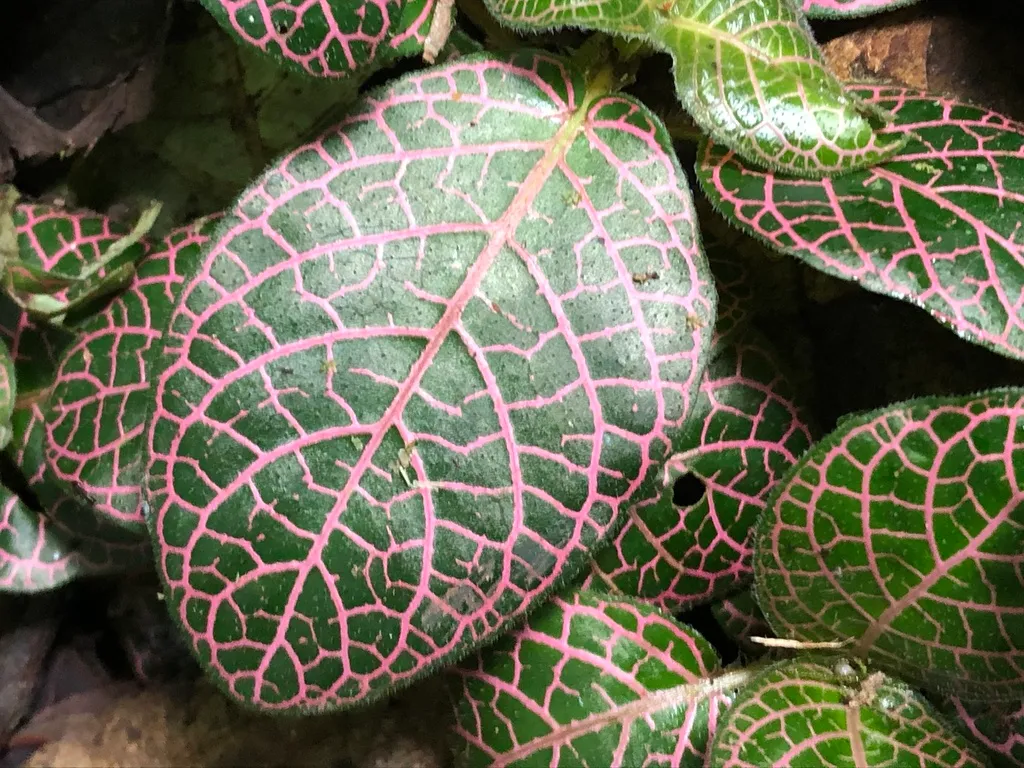
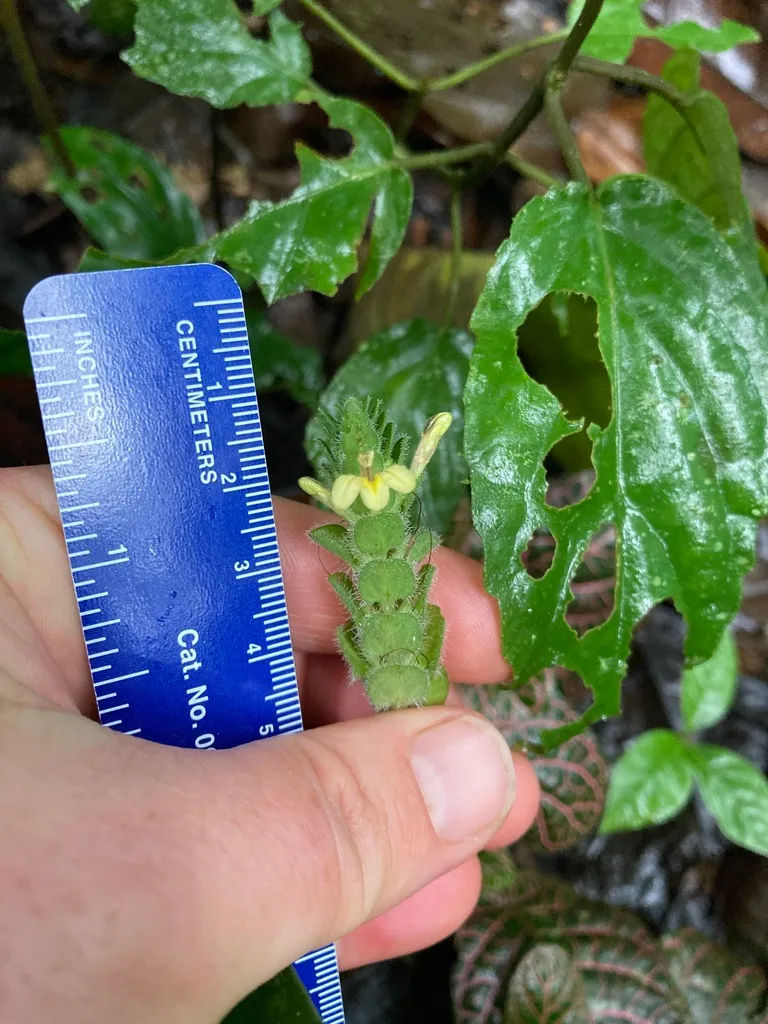
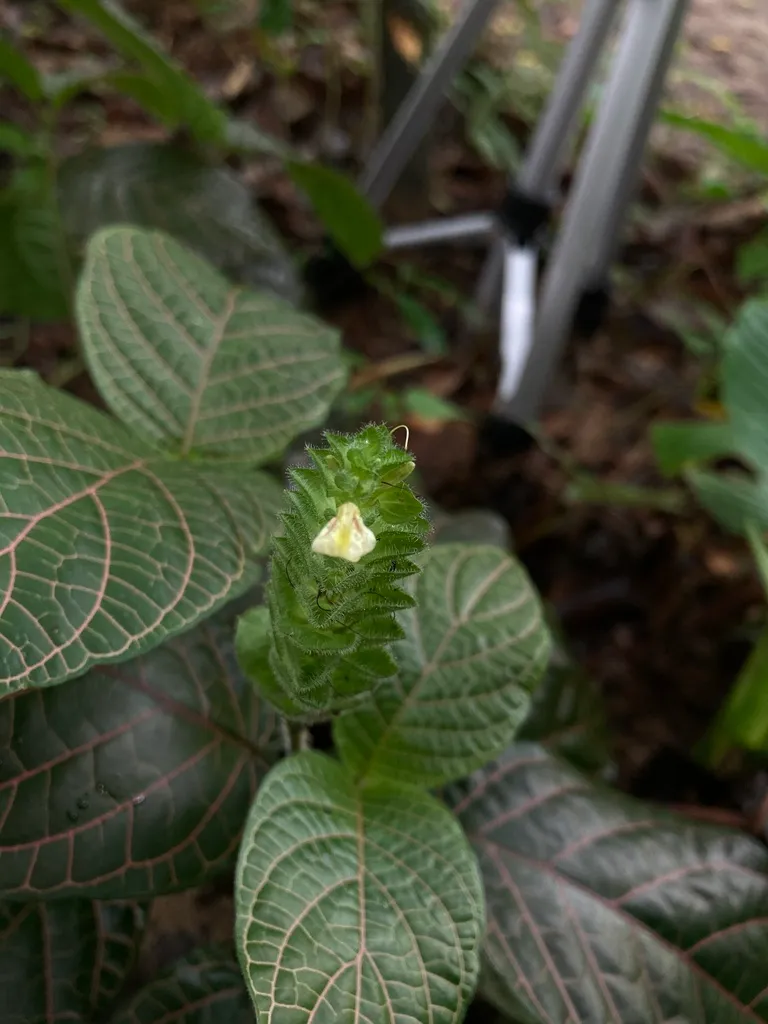
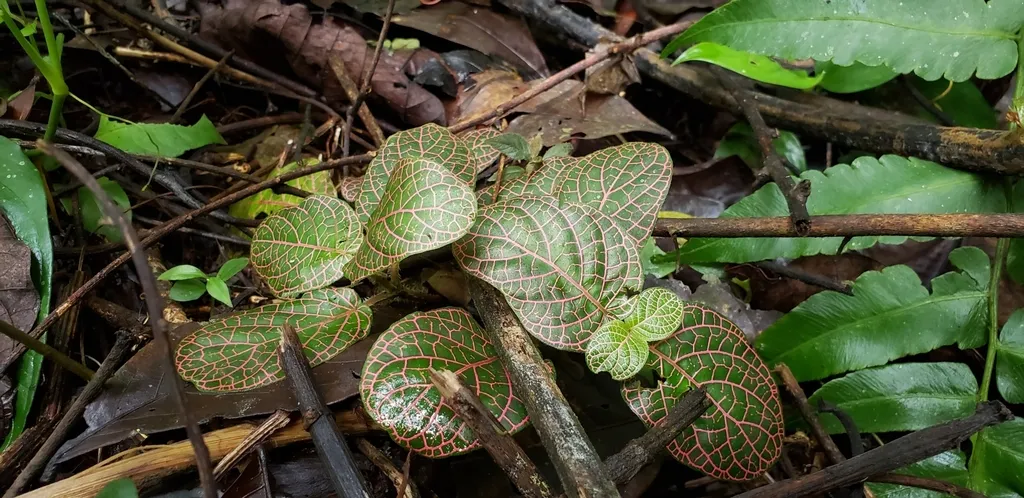
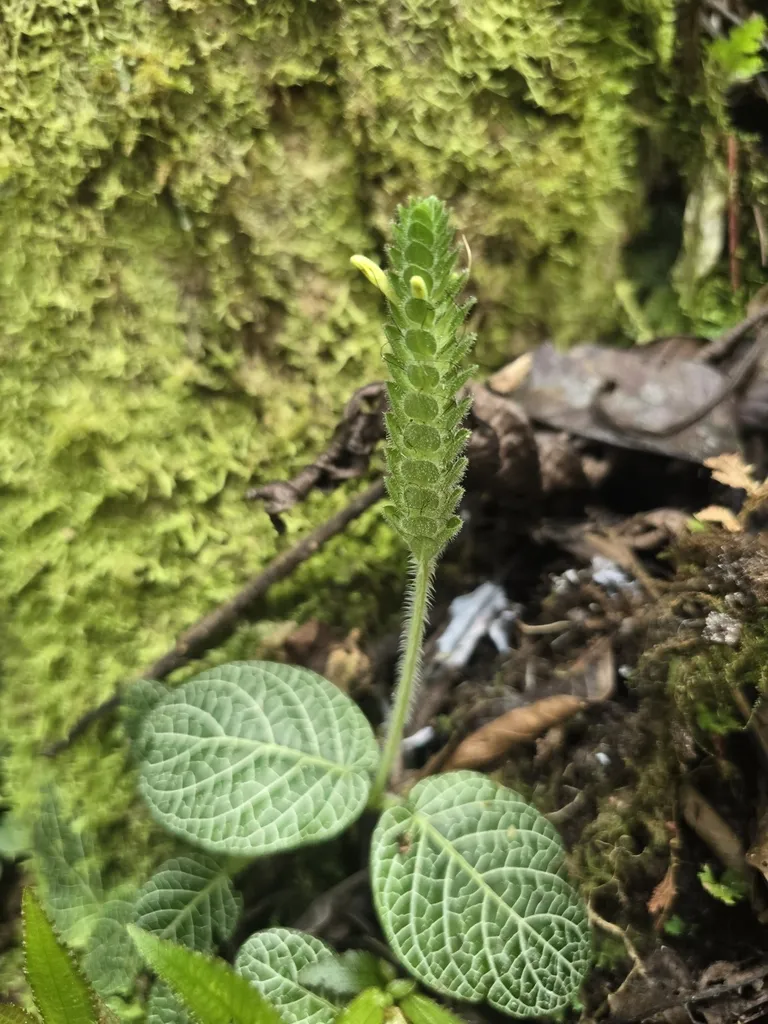
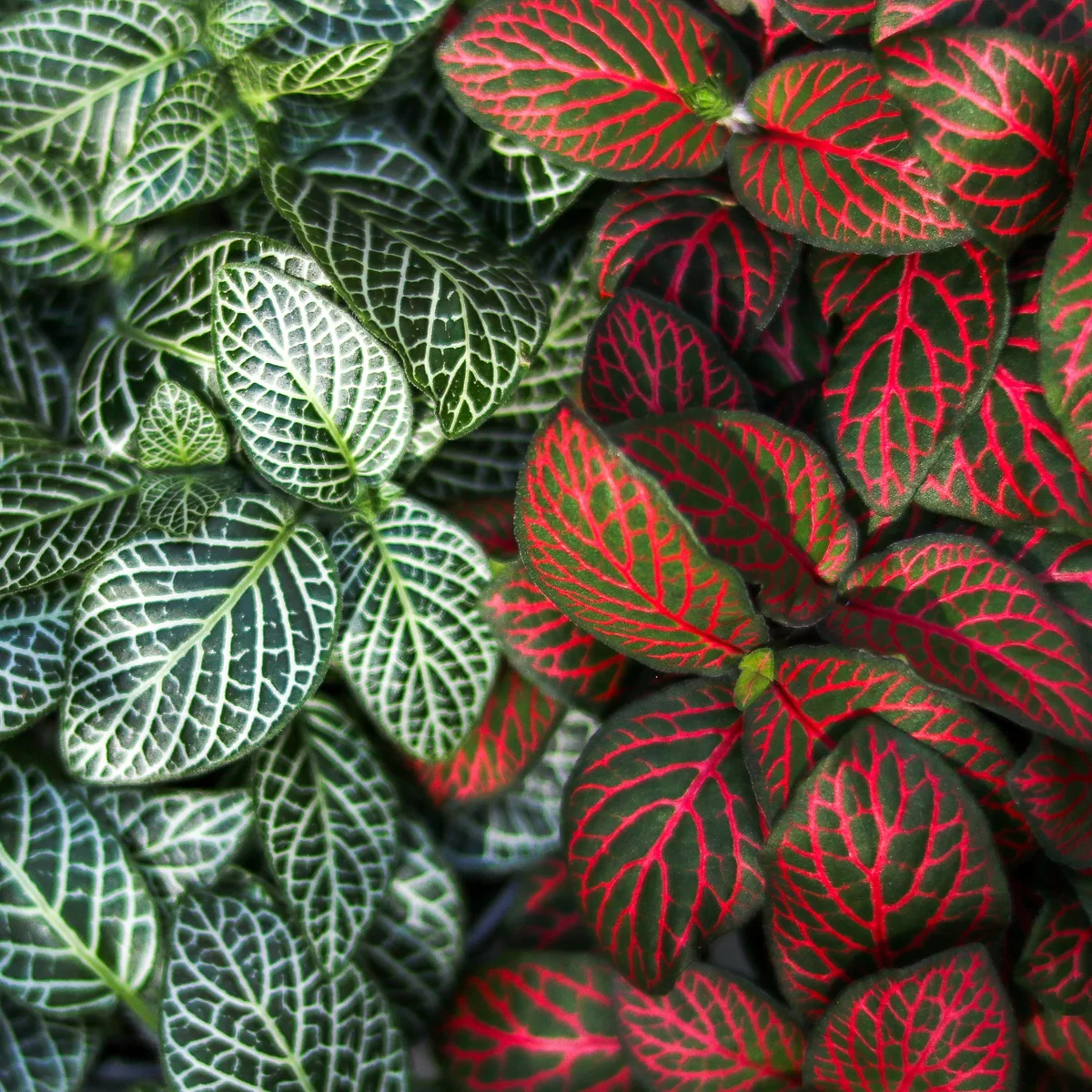
Fittonia albivenis is a low-growing, evergreen perennial with delicate, oval leaves marked by striking white or sometimes pink veins. The plant forms a dense mat of foliage, rarely exceeding 30 cm in height, and produces small, inconspicuous flowers in spikes. Its vibrant leaf patterns make it a popular choice for terrariums and indoor displays.
Scientific classification
- Species
- Nerve Plant (Fittonia albivenis)
- Genus
- Information to be completed
- Family
- Acanthaceae
- Non-toxic to humans and pets.
- Toxicity
- Houseplants · Foliage
- Plant type
- 0.15 - 0.3 metres
- Height
- 0.3 - 0.6 metres
- Spread
- Evergreen
- Foliage
- Spreading
- Habit
- Spring · Summer
- Season of interest
- Bright indirect light
- Sunlight
- 18 – 27 °C
- Ideal temperature









Nerve Plant pictures
Distribution of Nerve Plant
Distribution map
- Native
- Introduced
- Cultivated
Source:WCVP v16 · Royal Botanic Gardens, Kew · CC BY 3.0 · Boundaries:WGSRPD / TDWG
Toxicity
Non-toxic to humans and pets.
Nerve Plant care guide
- Keep soil evenly moist, reduce watering in winter
- Watering
- Bright indirect light
- Sunlight
- 18 – 27 °C
- Ideal temperature

Watering
Keep soil evenly moist, reduce watering in winter
Fertilizing
 Fertilizing
Every 4 weeks during growing season
Pruning
 Pruning
Pinch back growing tips regularly to encourage bushiness; remove any dead or yellowing leaves as needed.
Propagation
 Propagation
Propagate via stem cuttings taken in spring or early summer. Use a sharp, clean blade to cut a 5-8 cm stem tip with 2-3 nodes, remove lower leaves, and insert into moist peat-based compost. Keep at 20-25°C with high humidity; roots appear within 2-3 weeks.
Growing
 Growing
Grow Fittonia albivenis in bright, indirect light; direct sun will scorch the leaves. Use a well-drained, peat-based potting mix and keep consistently moist but never waterlogged. Maintain high humidity by misting or placing on a pebble tray. Fertilize monthly during spring and summer with a balanced houseplant feed. Avoid temperatures below 15°C and protect from cold drafts.
Common pests and diseases
Diseases
Susceptible to root rot if overwatered; also prone to powdery mildew in poor air circulation.
Pests
May be attacked by aphids, mealybugs, and spider mites, especially in dry indoor air.
Explore the plant health library →




