



Planting and Growing Philodendron gloriosum

| Care difficulty | 3 / 5 |
|---|---|
| Watering schedule | Keep soil consistently moist but not waterlogged |
| Sunlight requirements | Bright indirect light |
| Ideal temperature | 18 – 27 °C |
| Soil type | Peat · Loam |
| Soil pH | Acid |
| Soil moisture | Moist but well drained |
| Fertilizing | Every 4 weeks during growing season |
| Toxicity | Toxic to humans and pets if ingested, due to calcium oxalate crystals. Keep out of reach. |
How to Water Philodendron gloriosum?
Originating from the dense underbrush of tropical rainforests, philodendron gloriosum thrives in humid conditions and is well-adapted to the moisture-rich environment of its native habitat. This species exhibits a preference for consistent soil moisture without being waterlogged, indicating moderate drought tolerance. Watering should be maintained at once every week to mimic the natural precipitation rhythm it's accustomed to. As an evergreen plant, philodendron gloriosum benefits from higher humidity levels indoors, which supports its lush foliage year-round.
Learn more →What Are the Sunlight Requirements for Philodendron gloriosum?
Philodendron gloriosum likes sufficient filtered light or slight shade. When planted indoors, it is suitable to be put at a place in front of a window with bright sunlight, good ventilation and no strong direct sunlight, which is 51 to 102 cm away from the window. When it is planted in a garden, it is recommended to plant it besides a tree or a rack for climbing. Variegated varieties need better light conditions. In case of insufficient sunlight, the color of its leaves will fade, affecting its growth as well.
Learn more →What Is the Ideal Temperature Range for Philodendron gloriosum?

Philodendron gloriosum exhibits a moderate resilience to temperature variations. It tolerates temperatures as low as 10℃ (50℉) and can endure up to 43℃ (109℉). However, philodendron gloriosum is sensitive to sharp temperature fluctuations. If temperatures fall below its cold tolerance, philodendron gloriosum may develop yellowing leaves or stunted growth, while excessive heat can cause leaf burn or wilting. To mitigate these issues, provide insulation or shade during extreme temperatures. Maintaining a stable environment is crucial for philodendron gloriosum's well-being, especially avoiding sudden or prolonged exposure to temperatures outside its tolerance range.
Learn more →What Soil Is Best for Philodendron gloriosum?
Philodendron gloriosum needs a loose, fertile and sandy culture medium and the suitable pH value is 5.5-5.6. The formula ratio of culture medium can be 1/2 peat + 1/4 perlite +1/4 garden soil, and special culture soil for Philodendron spp. can also be directly bought. Adding humus to the culture medium will make the plant grow better.
- Soil type
- Peat · Loam
- Soil pH
- Acid
What Are the Moisture Requirements for Philodendron gloriosum?
Moist but well drained
Learn more →How to Fertilize Philodendron gloriosum?

For philodendron gloriosum, opt for high nitrogen fertilizers to support lush foliage growth, applying every 4-6 weeks during the growing season. Use quarter-strength dilutions to avoid over-fertilization. In dormant periods, reduce frequency to nurture philodendron gloriosum's health without stimulating excessive growth. Tailor applications to reflected growth rates; young or repotted specimens require less. Always water philodendron gloriosum before feeding to protect roots. Seasonal awareness ensures philodendron gloriosum receives ample nutrients when actively growing and conserves resources when resting.
Learn more →How to Prune Philodendron gloriosum?

Recognized for its striking foliage, philodendron gloriosum benefits from pruning to maintain health and appearance. Prune in early to late spring, coinciding with its active growth period. Remove yellowing or damaged leaves and trim leggy stems to encourage bushier growth. Avoid excessive pruning to prevent stress. Proper pruning not only enhances aesthetic appeal but also promotes better air circulation and reduces pest issues. Ensure tools are clean to prevent disease spread.
Learn more →How to Propagate Philodendron gloriosum?

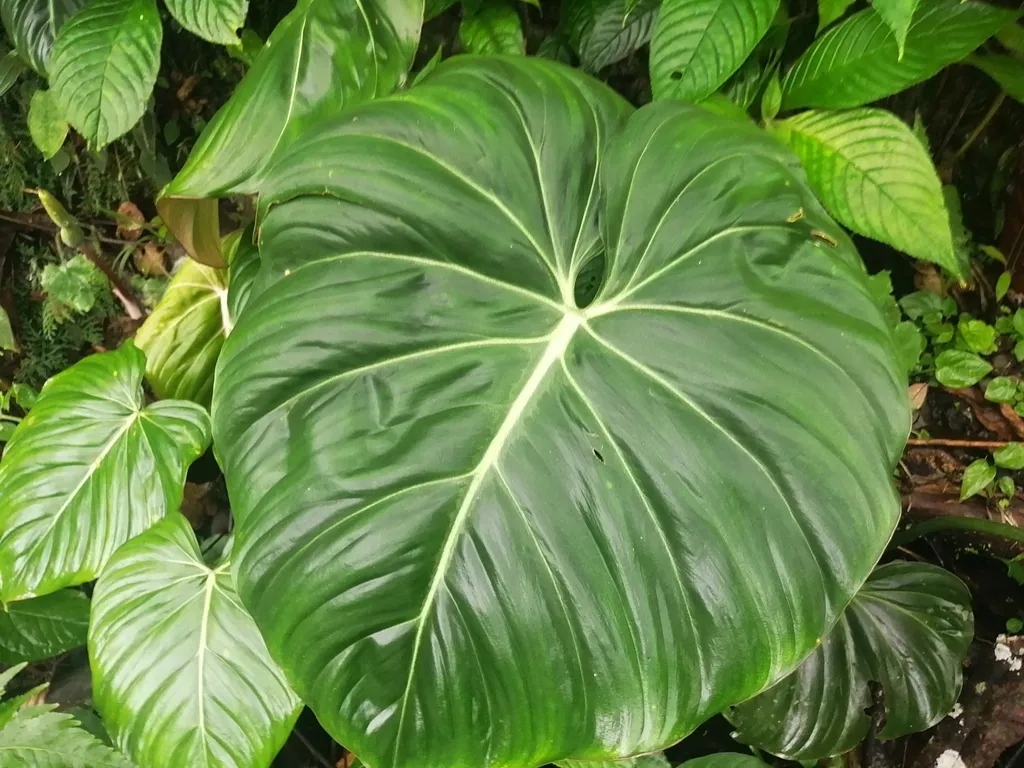
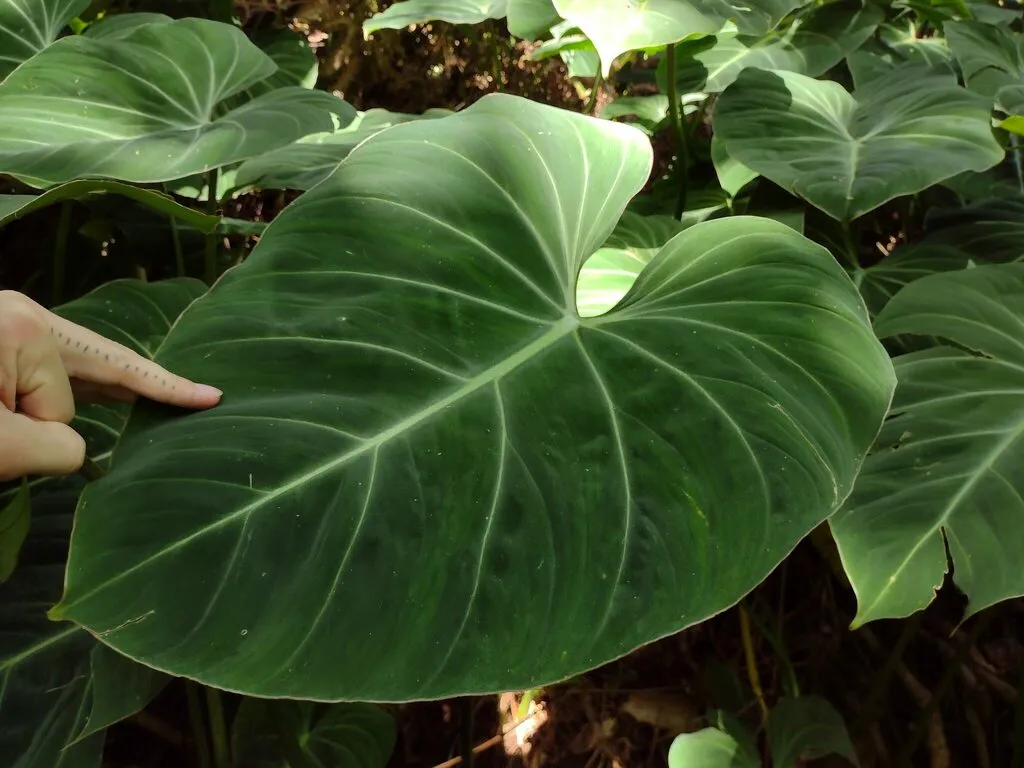
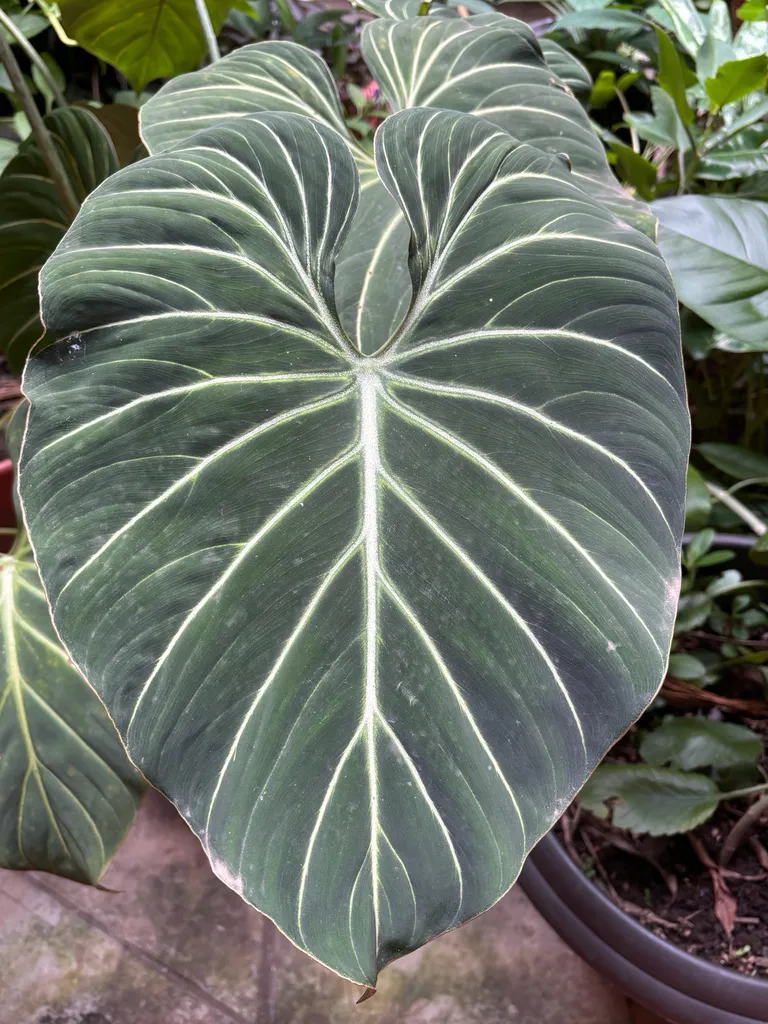
Native to tropical rainforests, philodendron gloriosum boasts large, heart-shaped leaves with distinctive white veins. Propagation is best achieved through stem cuttings, ensuring each section has at least one node and a few leaves. Cuttings should be placed in water or a moisture-retaining growing medium, such as sphagnum moss, until roots develop. The use of rooting hormone can encourage faster growth. Once a robust root system is established, transplanting into a well-draining soil mix will support the health and growth of philodendron gloriosum.
Learn more →How to Transplant Philodendron gloriosum?
Transplanting philodendron gloriosum thrives when done as the chill of winter yields to the gentle warmth of early to mid-spring. Choose a spot with dappled light and follow best practices to ensure its lush growth.
Learn more →How to Care for Philodendron gloriosum in Winter?

Philodendron gloriosum hails from the tropical rainforests of Colombia, inherently suited for year-round warmth and humidity. Unlike plants that retreat during winter, philodendron gloriosum remains evergreen but grows relatively slower. Gardeners wintering philodendron gloriosum should mimic its tropical origins - temperate with ample humidity. Avoid exposure to temperatures below 15°C, maintain moderate lighting, and uphold consistent moisture. However, refrain from waterlogging, as philodendron gloriosum's roots have a high risk of rot.
Learn more →How to Plant Philodendron gloriosum?
Indoors-potted: In the cozy confines of your home, philodendron gloriosum thrives with moderate humidity and consistent warmth, perfect for a lush indoor oasis. Outdoors-potted: When potted outside, philodendron gloriosum enjoys the sheltered ambiance of patios where it's protected from harsh elements while still basking in outdoor air. Outdoors-in the ground: Philodendron gloriosum, not fond of cold snaps, prospers in temperate zones; avoid planting in open ground where frost is a frequent guest.
Learn more →How to Harvest Philodendron gloriosum?

The leaves of philodendron gloriosum can be harvested to be the decoration to other flowers in a vase. The best harvest time is morning or evening rather than the hot noon. The water content of the plant is high in the morning and the plant has accumulated a lot of nutrients after a day of photosynthesis in the evening. Therefore, the plant harvested at these two time points can have a relatively long vase life.
Learn more →Common Pests & Diseases

Diseases
Susceptible to root rot if overwatered; leaf spot diseases may occur in poor ventilation. Ensure good drainage and air circulation.
Pests
Common pests include spider mites, mealybugs, and aphids. Regularly inspect leaves and treat with insecticidal soap if infestation occurs.
Explore the plant health library →Troubleshooting
Rhizome Rot from Deep Burying and Crawling Stem Management
Philodendron gloriosum is a terrestrial 'crawler' (not a vertical climber) whose thick horizontal rhizome creeps along the forest floor; burying the rhizome deeply in wet soil or forcing it onto a vertical moss pole causes rot or stunted growth.
| What you notice | Possible explanation | What to check next |
|---|---|---|
| Lower leaves yellow and petioles soften where the thick horizontal stem is buried beneath wet soil | Rhizome rot from burying the creeping stem too deeply or overwatering | Unpot gently, clear soil off the top half of the horizontal rhizome so it rests on the surface, and trim any dark mushy roots. |
| Growing tip hits the edge of a round pot and new leaves emerge smaller or deformed | Terrestrial creeping rhizome outgrowing horizontal pot length | Repot into a long rectangular planter (or position the back of the rhizome against one edge of a wide pot) so the stem can crawl horizontally. |
- Plant in a wide, shallow, or rectangular planter using a chunky, fast-draining aroid mix (orchid bark, perlite, coco coir/peat, and charcoal), keeping the thick creeping rhizome resting right on top of the mix with only its roots buried.
- Water thoroughly when the top 1 to 2 inches of mix feel dry, and empty excess saucer water promptly.
- Wear gloves when pruning or dividing the rhizome, as Philodendron sap contains irritating calcium oxalate crystals and is toxic to pets.
Unlike climbing philodendrons, Philodendron gloriosum will not attach upward to a moss pole; give it horizontal runway space instead.
Crispy Leaf Edges, Sun Scorch, or Stuck Emerging Leaves
Large, heart-shaped velvety leaves with pale silver-white veins need bright filtered light and moderate-to-high humidity to unfurl cleanly without tearing or crisping.
| What you notice | Possible explanation | What to check next |
|---|---|---|
| Velvety leaf margins turn brown and dry or emerging leaves tear inside the cataphyll | Low indoor humidity or dry drafts from heating/AC vents | Raise ambient humidity with a humidifier or pebble tray and never pry stuck leaves open by hand. |
| Bleached or scorched tan patches appear on the dark velvety leaf surface | Direct sunlight exposure | Move the plant out of direct midday sun into bright, indirect light. |
- Place in bright, indirect light (such as near an east-facing window or filtered south/west window) and keep temperatures between 18°C and 27°C (65°F to 80°F).
- Wipe dust gently from leaves with a soft damp cloth or microfiber mitt to deter spider mites.
- Feed monthly during spring and summer with a balanced liquid fertilizer diluted to half strength, and pause feeding in winter.
Philodendron gloriosum is toxic to cats and dogs if chewed or ingested.
The Toxicity of Philodendron gloriosum
Toxic to humans and pets if ingested, due to calcium oxalate crystals. Keep out of reach.