
Philodendron gloriosum
Also known as: Velvet Philodendron, Glossy Philodendron
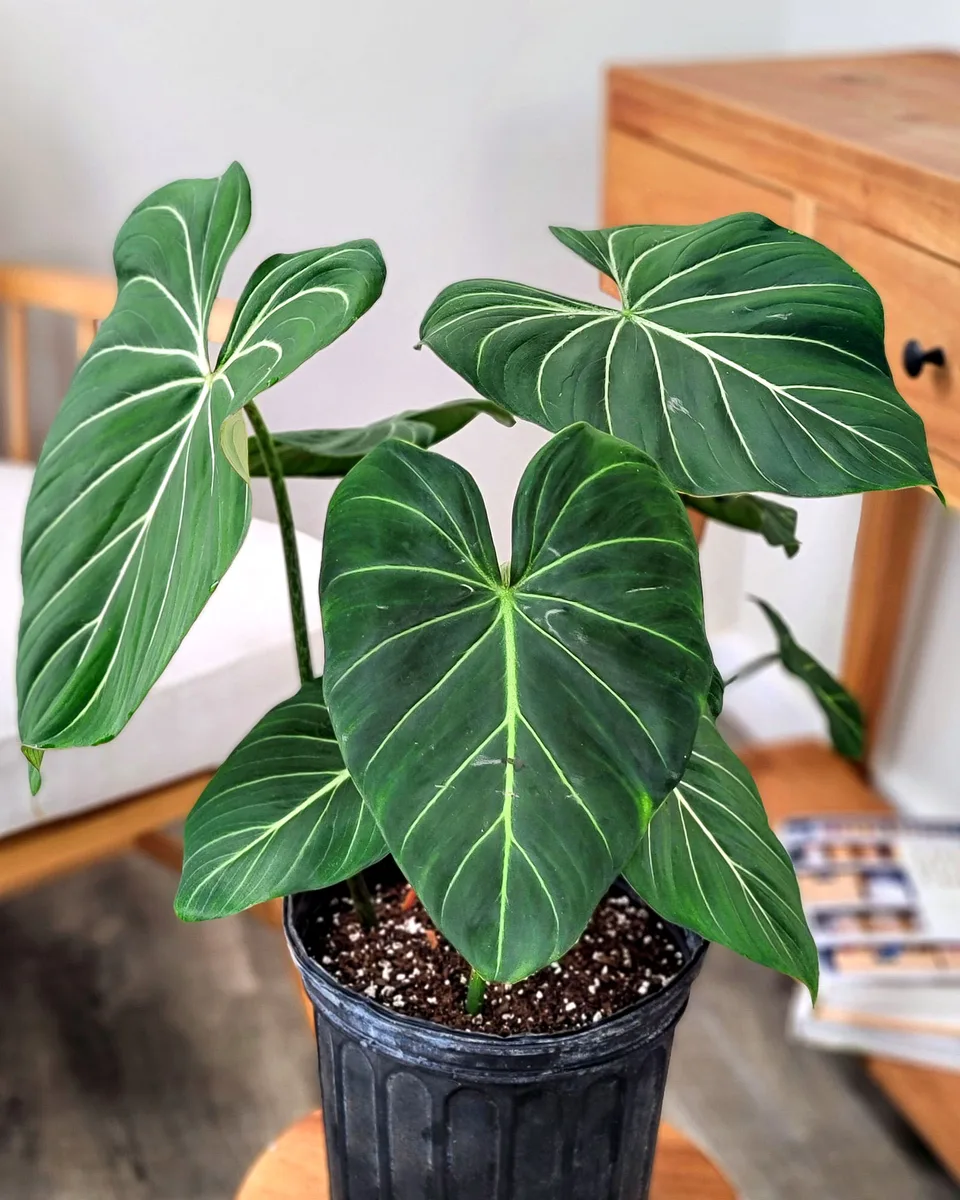
Philodendron gloriosum is a stunning tropical plant with large, heart-shaped leaves that have a velvety texture and prominent white veins. The leaves can reach up to 40 cm in length, creating a dramatic display. It grows as a creeping or climbing perennial, making it ideal for indoor trellises or hanging baskets. The foliage remains evergreen, providing year-round interest.
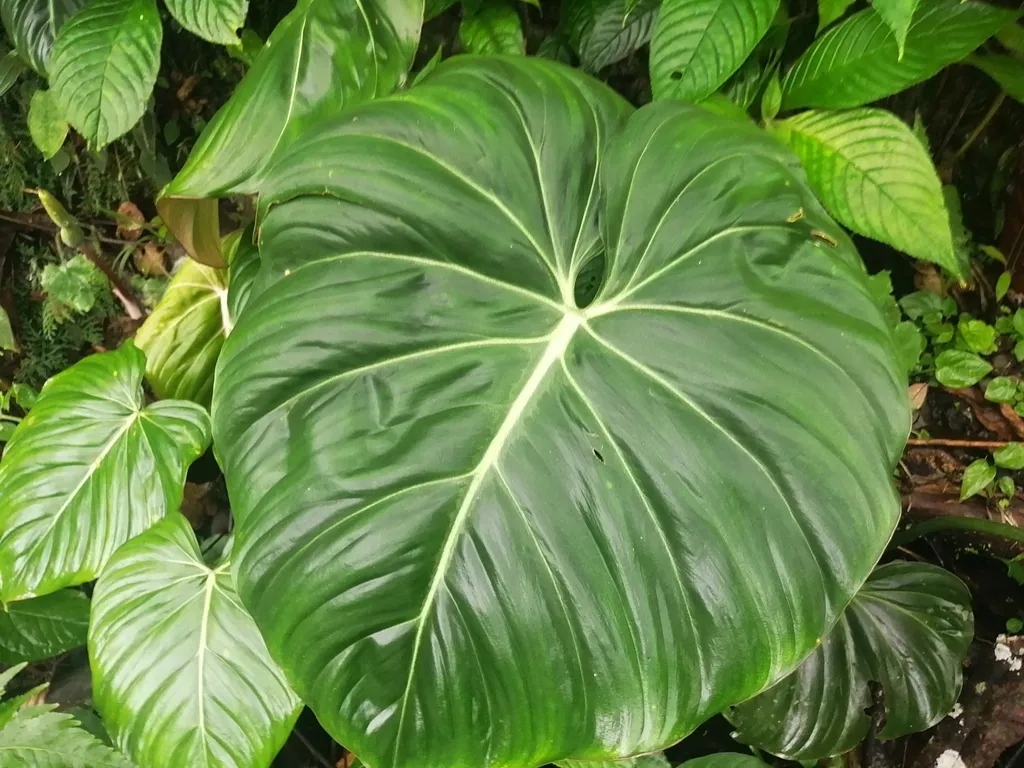
Scientific classification
- Species
- Philodendron gloriosum (Philodendron gloriosum)
- Genus
- Information to be completed
- Family
- Araceae
- Toxic to humans and pets if ingested, due to calcium oxalate crystals. Keep out of reach.
- Toxicity
- Houseplants · Foliage · Perennial
- Plant type
- 0.5 - 1 metres
- Height
- 0.5 - 1 metres
- Spread
- Evergreen
- Foliage
- Climbing
- Habit
- Spring · Summer · Autumn
- Season of interest
- Bright indirect light
- Sunlight
- 18 – 27 °C
- Ideal temperature









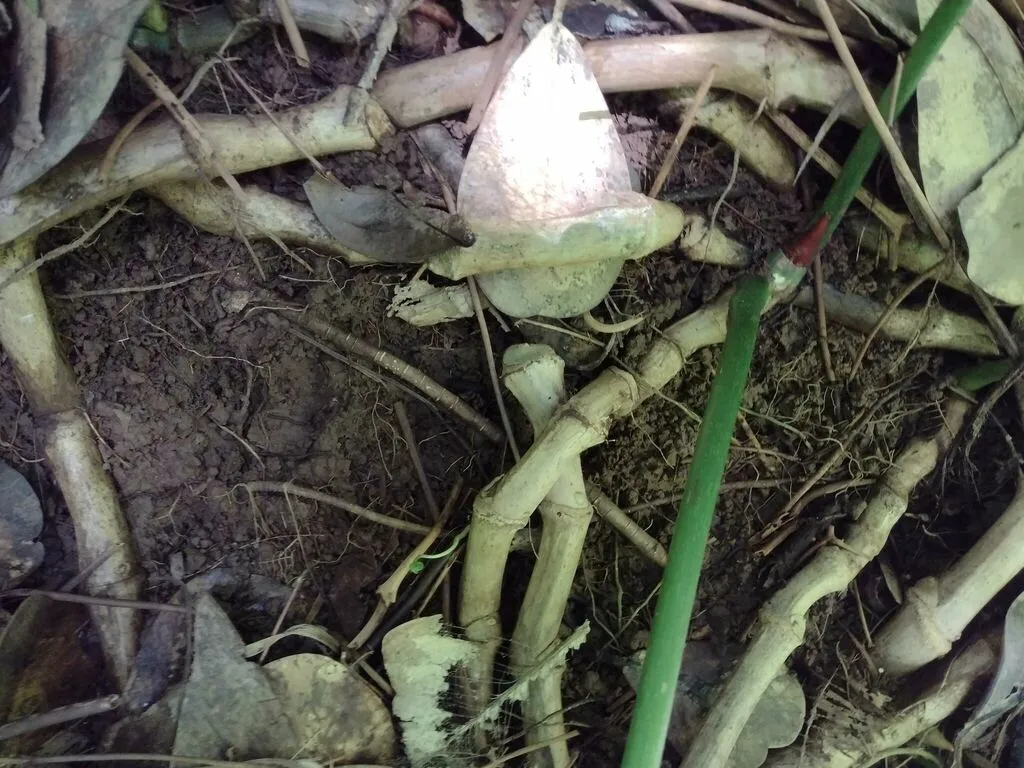
Philodendron gloriosum pictures
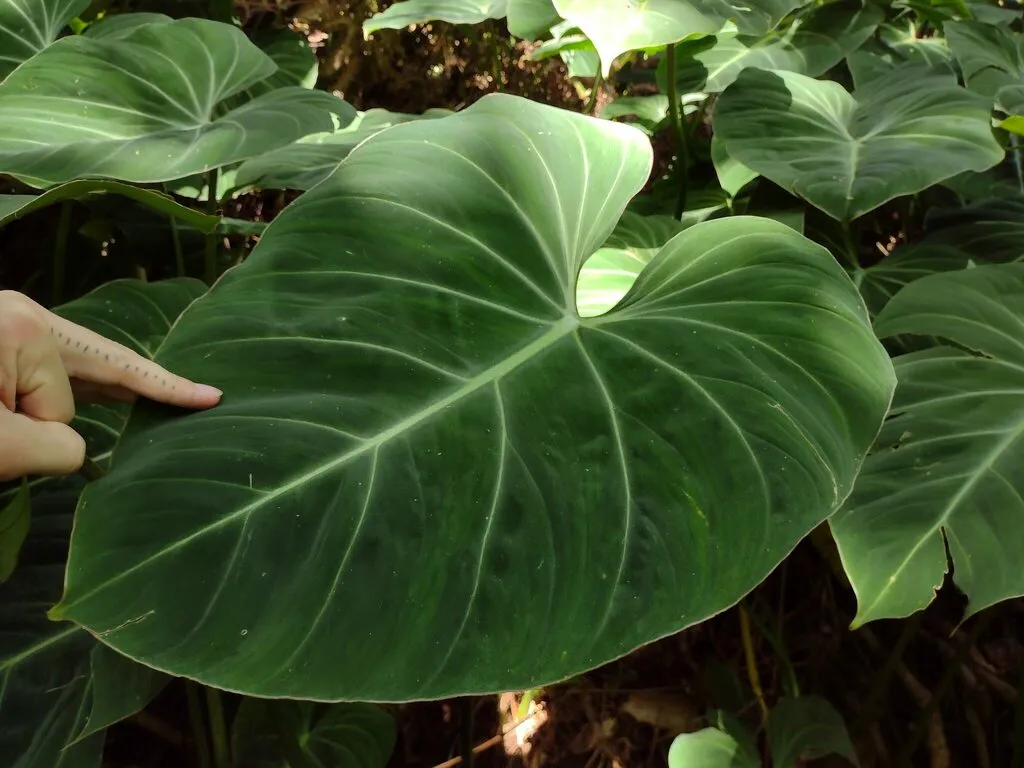
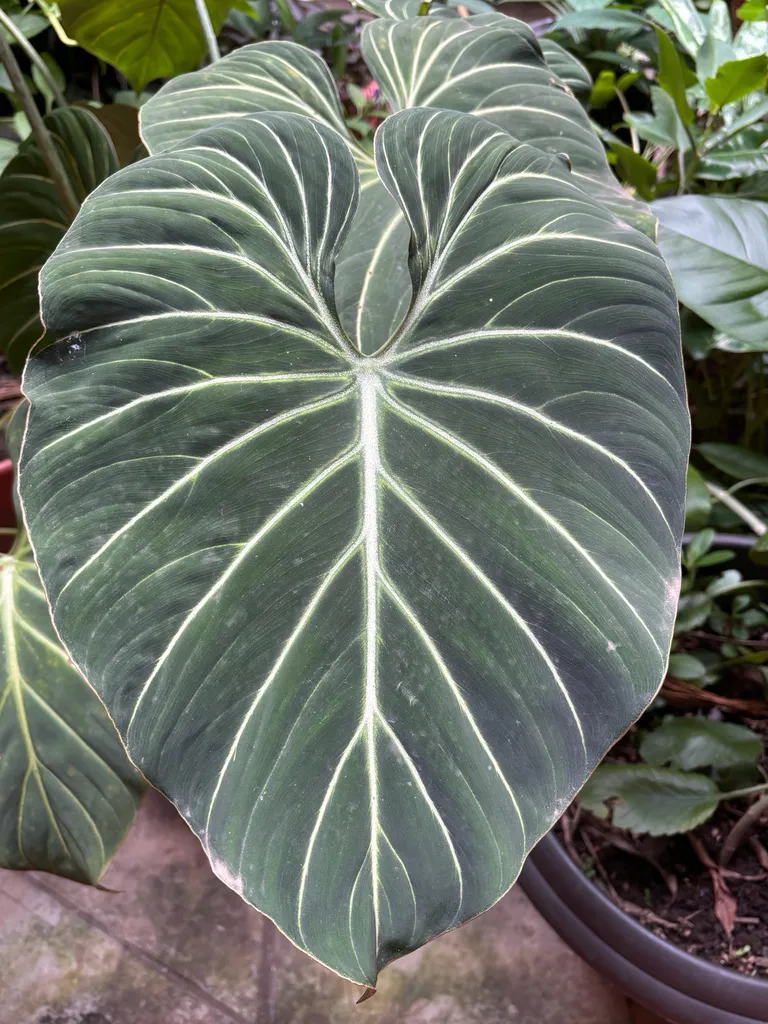
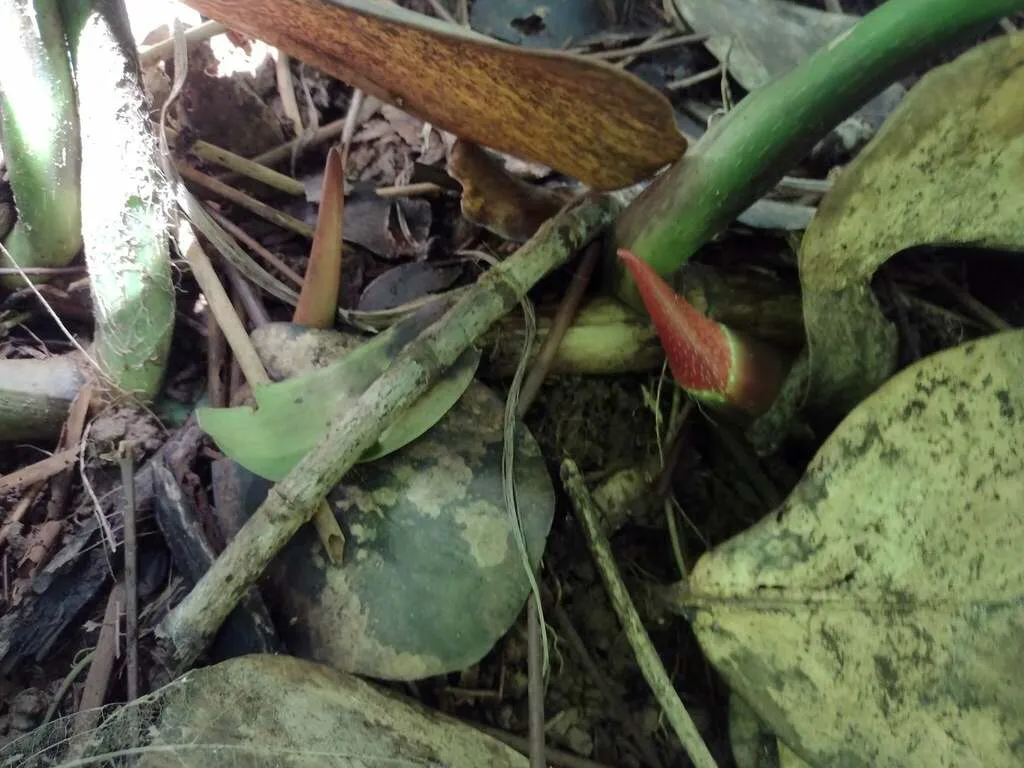
Distribution of Philodendron gloriosum
Distribution map
- Native
- Introduced
- Cultivated
Source:WCVP v16 · Royal Botanic Gardens, Kew · CC BY 3.0 · Boundaries:WGSRPD / TDWG
Toxicity
Toxic to humans and pets if ingested, due to calcium oxalate crystals. Keep out of reach.
Philodendron gloriosum care guide
- Keep soil consistently moist but not waterlogged
- Watering
- Bright indirect light
- Sunlight
- 18 – 27 °C
- Ideal temperature

Watering
Keep soil consistently moist but not waterlogged
Fertilizing
 Fertilizing
Every 4 weeks during growing season
Pruning
 Pruning
Prune lightly as needed to remove yellow or damaged leaves and control shape. Best done in spring or summer.
Propagation
 Propagation
Propagate by stem cuttings or division in spring. Take cuttings with at least one node and root them in moist sphagnum moss or perlite at 20-25°C. Keep humidity high until roots develop, typically 2-4 weeks.
Growing
 Growing
Philodendron gloriosum requires bright, indirect light; direct sun can scorch its leaves. Use a well-draining potting mix rich in organic matter, such as a blend of peat, perlite, and loam. Keep the soil consistently moist but not waterlogged, and increase humidity by misting or using a humidifier. Fertilize every four weeks during the growing season with a balanced liquid fertilizer at half strength. Maintain temperatures above 15°C and protect from cold drafts. Reduce watering in winter.
Common pests and diseases
Diseases
Susceptible to root rot if overwatered; leaf spot diseases may occur in poor ventilation. Ensure good drainage and air circulation.
Pests
Common pests include spider mites, mealybugs, and aphids. Regularly inspect leaves and treat with insecticidal soap if infestation occurs.
Explore the plant health library →




