



Planting and Growing Victorian Box

| Care difficulty | 2 / 5 |
|---|---|
| Watering schedule | Water regularly during dry periods; keep soil moist but not waterlogged |
| Sunlight requirements | Full sun · Partial shade |
| Ideal temperature | 15 – 25 °C |
| Soil type | Loam · Sand |
| Soil pH | Acid · Neutral |
| Soil moisture | Moist but well drained |
| Fertilizing | Apply a balanced slow-release fertilizer in spring |
| Toxicity | Non-toxic to humans and pets. |
How to Water Victorian Box?
Australian cheesewood thrives in environments that mimic its native habitat, where it experiences intermittent rainfall and has adapted to periods of dryness. This species exhibits a preference for moderate humidity and can tolerate short spells of drought. Watering should be adjusted to once every 2-3 weeks, ensuring the soil dries out between sessions to prevent overwatering. As australian cheesewood is more commonly grown outdoors, it's important to consider how natural rain patterns may supplement or replace scheduled watering, especially during the growing season when moisture needs may increase.
Learn more →What Are the Sunlight Requirements for Victorian Box?
Australian cheesewood thrives in full sun, receiving ample light for robust growth and development. The intensity and duration of light should simulate its natural habitat for a full day's exposure. Transitioning to partial sun, australian cheesewood demonstrates light tolerance, yet with potential impacts on growth vigor and foliage density. While this plant doesn't undergo significant visual changes with varying light levels, prolonged suboptimal light may reduce flowering and lead to a leggier stature. Outdoors, australian cheesewood is best planted in areas receiving unfiltered daylight. Indoor planting is not typically advised due to australian cheesewood's preference for outdoor environments.
Learn more →What Is the Ideal Temperature Range for Victorian Box?

Australian cheesewood demonstrates significant resilience to temperature variations, tolerating cold down to 0℃ (32℉) and heat up to 43℃ (109℉). This resilience means australian cheesewood can thrive in diverse environments but requires protective measures in extreme cold to prevent frost damage and in excessive heat to avoid dehydration. Symptoms of stress include leaf browning in heat and leaf drop in cold. During overheating, water thoroughly and provide shade; during overcooling, use frost cloths or bring indoors. These strategies help maintain the plant’s health and adapt to varied climatic conditions.
Learn more →What Soil Is Best for Victorian Box?
Australian cheesewood thrives in its native habitat with slightly acidic to neutral soil (pH 5.5-7.0). It prefers well-drained, sandy-loam soils. To create a suitable soil mix, combine 1 part garden soil, 1 part sand, and 1 part compost. If sand is unavailable, perlite or coarse grit can be alternatives. Ensure good drainage by adding a layer of gravel at the pot's base or integrating organic matter like pine bark. Use a balanced slow-release fertilizer during the growing season to enhance nutrient availability.
- Soil type
- Loam · Sand
- Soil pH
- Acid · Neutral
What Are the Moisture Requirements for Victorian Box?
Moist but well drained
Learn more →How to Fertilize Victorian Box?

For australian cheesewood, fertilize with high-nitrogen formulations during active growth in spring and summer, reducing frequency in fall, and pausing in winter. Apply quarterly, half-strength dosage promotes lush foliage and strong structure. Over-fertilization risks foliage burn; under-fertilization limits vitality. Gradual, balanced nourishment is key, adhering to product instructions. Novices should wear gloves; experienced gardeners balance feed with plant size and soil conditions. This targeted approach ensures australian cheesewood flourishes healthily.
Learn more →How to Prune Victorian Box?

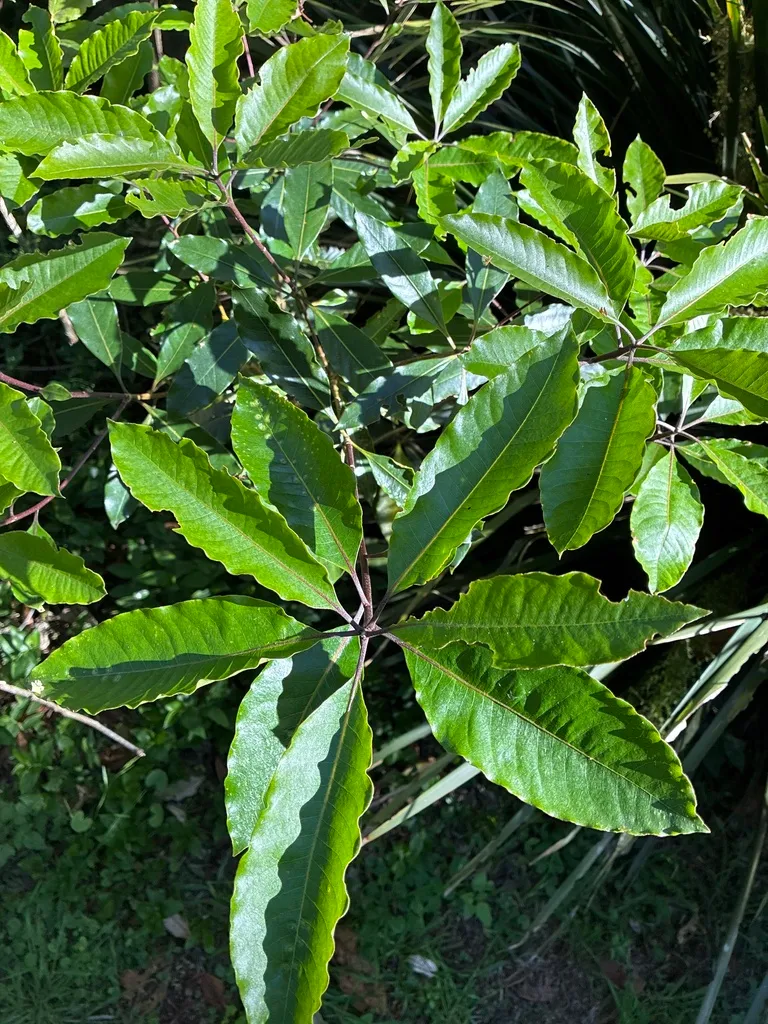
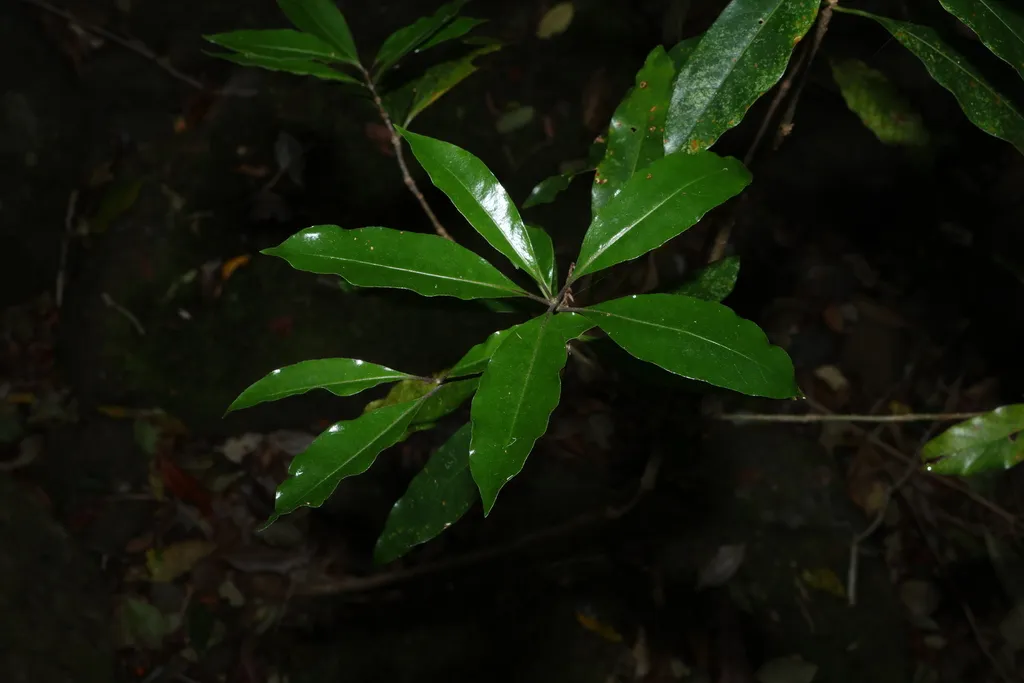
This evergreen shrub is known for its glossy, wavy-edged leaves and fragrant, white-cream flowers. For australian cheesewood, pruning should occur in early to late winter to shape the plant and control its size. Remove dead or diseased branches first, then thin crowded areas to improve air circulation. Regular pruning encourages healthy growth and enhances flowering. Take care to use sharp, clean tools to avoid damaging the plant or spreading disease.
Learn more →How to Propagate Victorian Box?

Australian cheesewood is effectively propagated through cutting, a technique wherein a portion of the plant, typically stem or root, is used to grow a new individual. For successful propagation, select healthy, semi-hardwood stems and ensure that they have a few leaves. Use a clean, sharp cutting tool to minimize damage and prevent disease entry. Cuttings root best in a well-draining medium kept moist but not soggy. Hormone rooting powder can enhance rooting success, promoting quicker establishment and growth. Once rooted, gradually acclimate the young plants to outdoor conditions before transplanting to their final location.
Learn more →How to Transplant Victorian Box?
The prime time to transplant australian cheesewood is in the vibrancy of early to mid-spring, ensuring a smooth transition during active growth. Choose a spot with dappled light and well-draining soil to accommodate its needs. Gentle handling supports australian cheesewood's establishment in its new location.
Learn more →How to Plant Victorian Box?
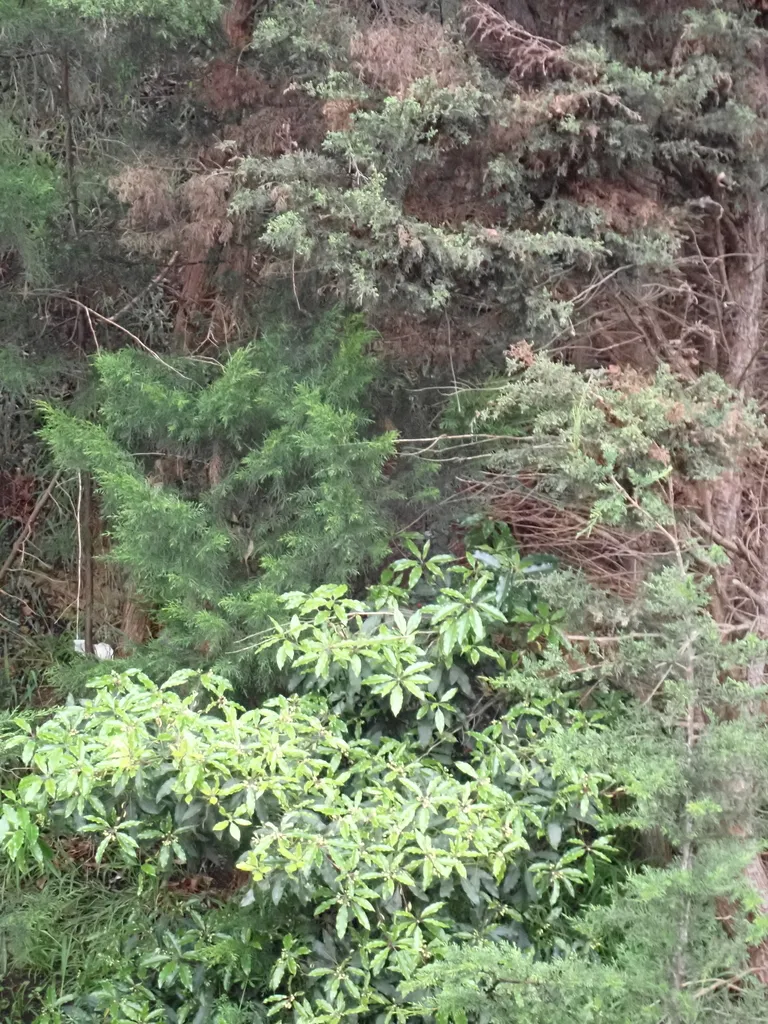
Indoors-potted: Ensure australian cheesewood has ample space to accommodate its growth when kept indoors; trimming can maintain a manageable size and promote dense foliage. Outdoors-potted: Outdoor pots for australian cheesewood should allow root expansion; consider repotting biennially to prevent becoming pot-bound, which can hinder growth. Outdoors-in the ground: Australian cheesewood's robust nature allows it to adapt well outdoors, but caution is advised as it may spread extensively if not pruned regularly.
Learn more →Common Pests & Diseases

Diseases
Generally disease-free but may be affected by leaf spot and root rot in poorly drained soil.
Pests
Susceptible to scale insects and aphids; also may attract mealybugs.
Explore the plant health library →The Toxicity of Victorian Box
Non-toxic to humans and pets.