
Victorian Box
Also known as: Victorian Box, Sweet Pittosporum, Native Daphne, Cheesewood
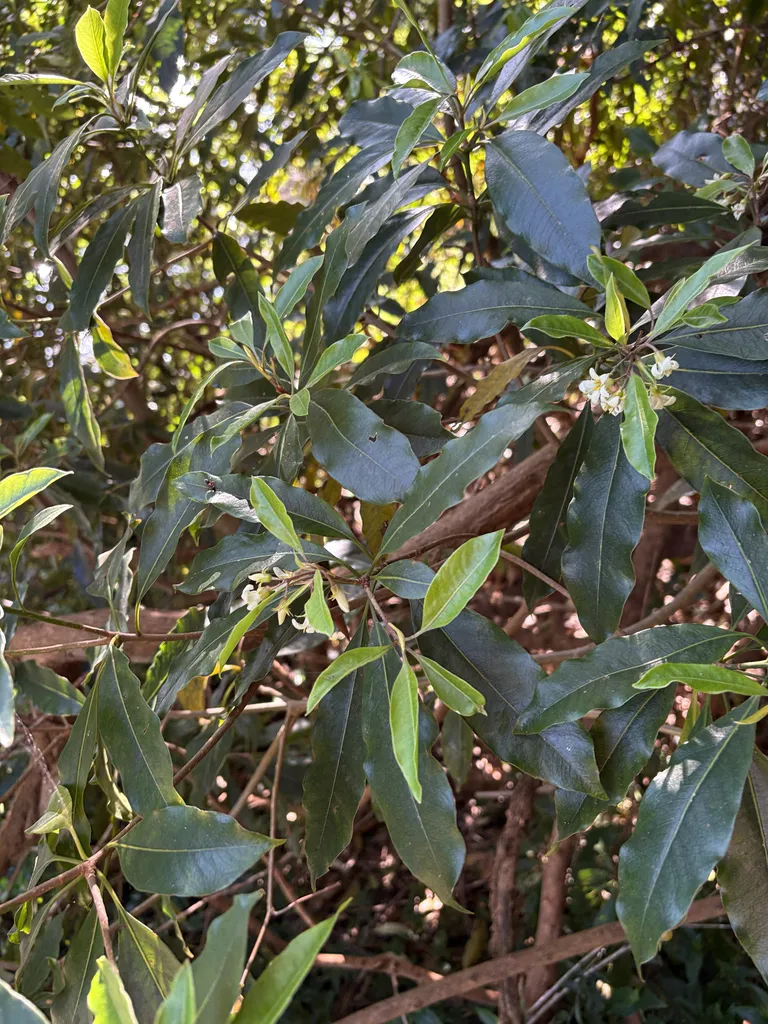
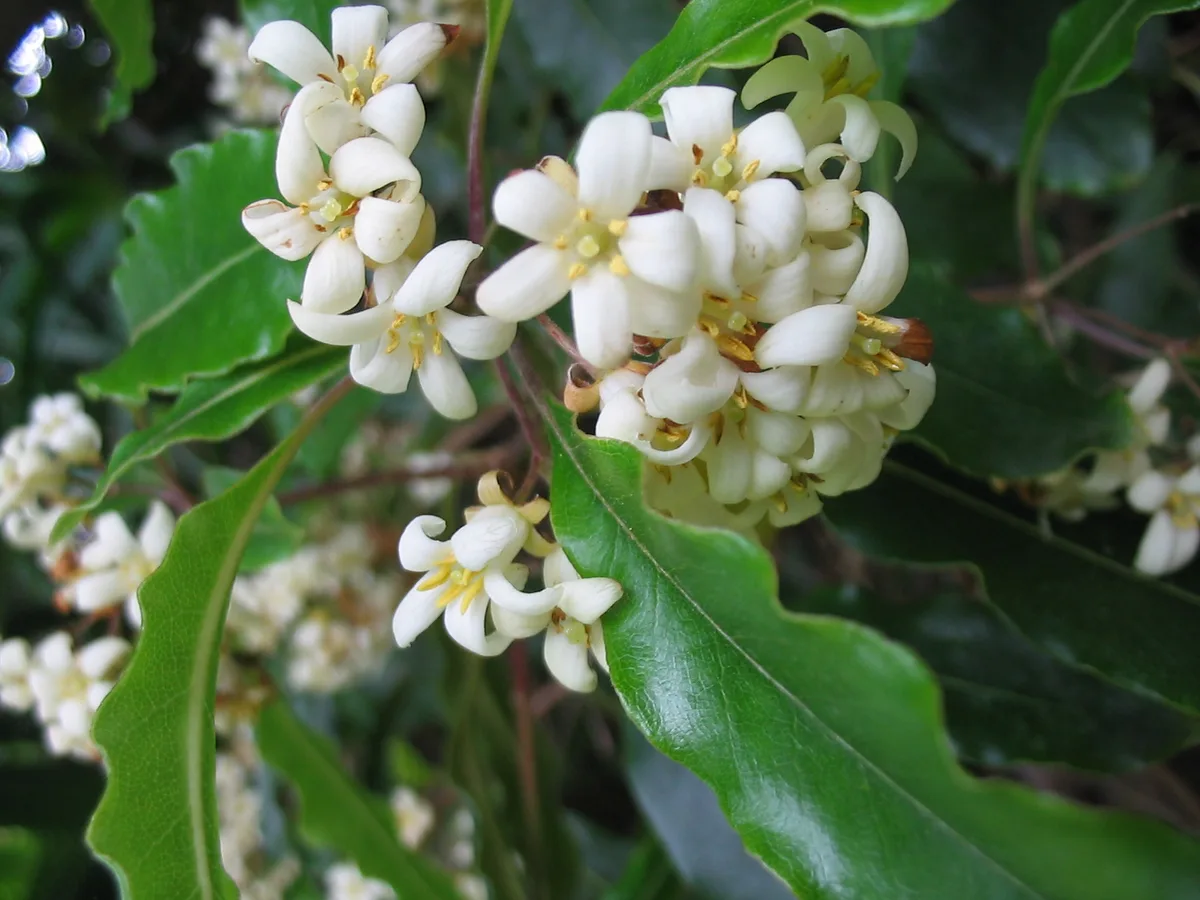
Pittosporum undulatum is an evergreen shrub or small tree, typically reaching 2–5 m in cultivation but up to 10 m in its native habitat. The leaves are leathery, glossy, dark green with wavy margins. In spring, clusters of small, creamy-white, bell-shaped flowers appear, emitting a strong, sweet fragrance. These are followed by woody capsules that split open to reveal sticky red seeds. Its ornamental value lies in the attractive, lustrous foliage and highly scented blossoms.
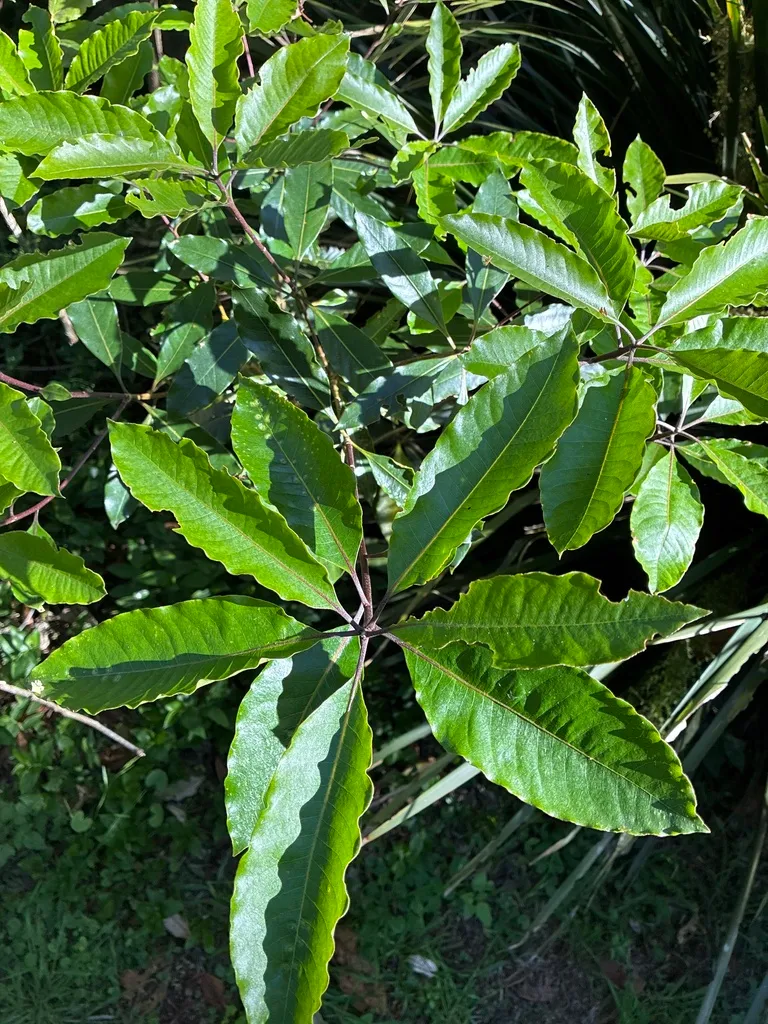
Scientific classification
- Species
- Victorian Box (Pittosporum undulatum)
- Genus
- Information to be completed
- Family
- Pittosporaceae
- Non-toxic to humans and pets.
- Toxicity
- Shrubs · Tree
- Plant type
- 2 - 5 metres
- Height
- 1.5 - 3 metres
- Spread
- Evergreen
- Foliage
- Upright
- Habit
- Spring · Summer
- Season of interest
- Full sun · Partial shade
- Sunlight
- 15 – 25 °C
- Ideal temperature









Victorian Box pictures
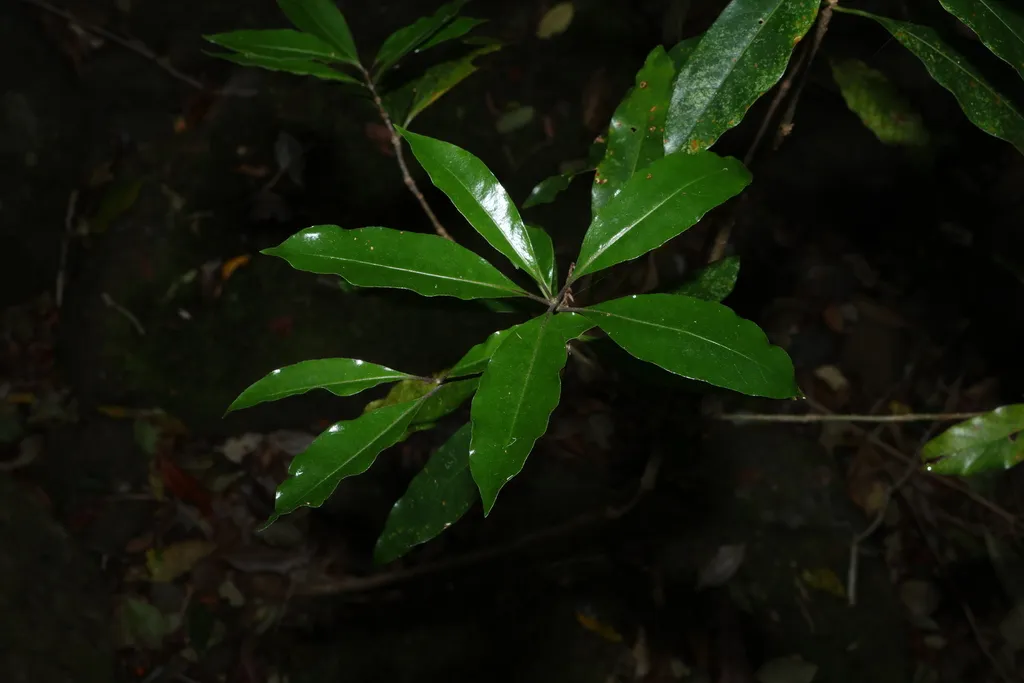
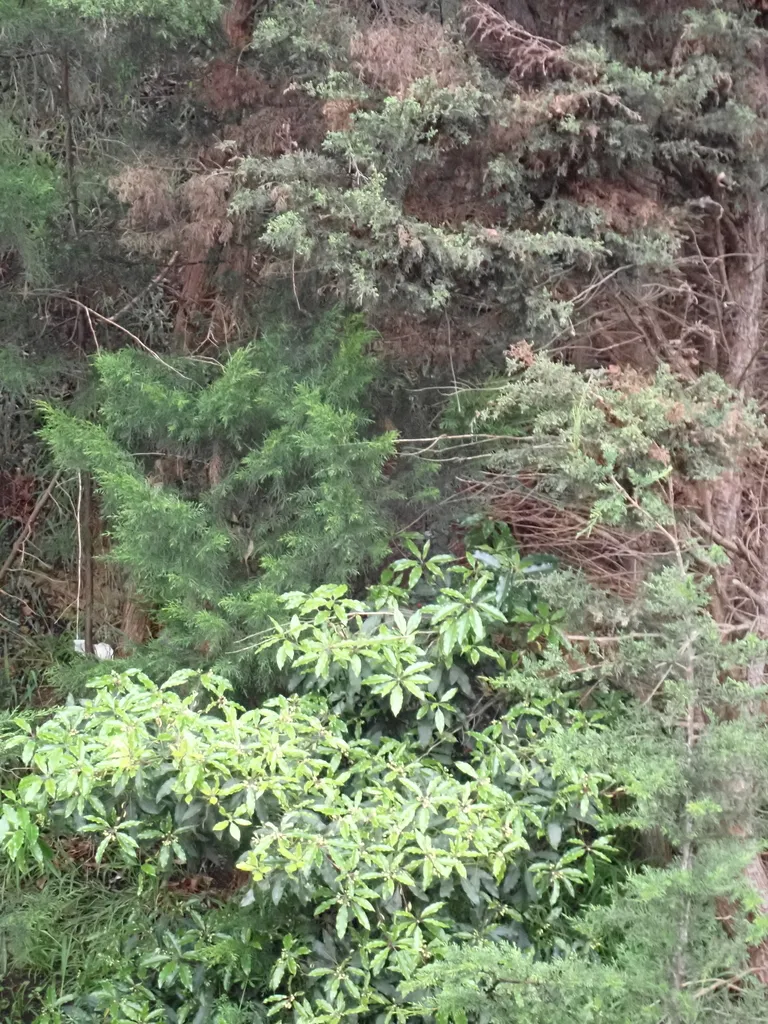
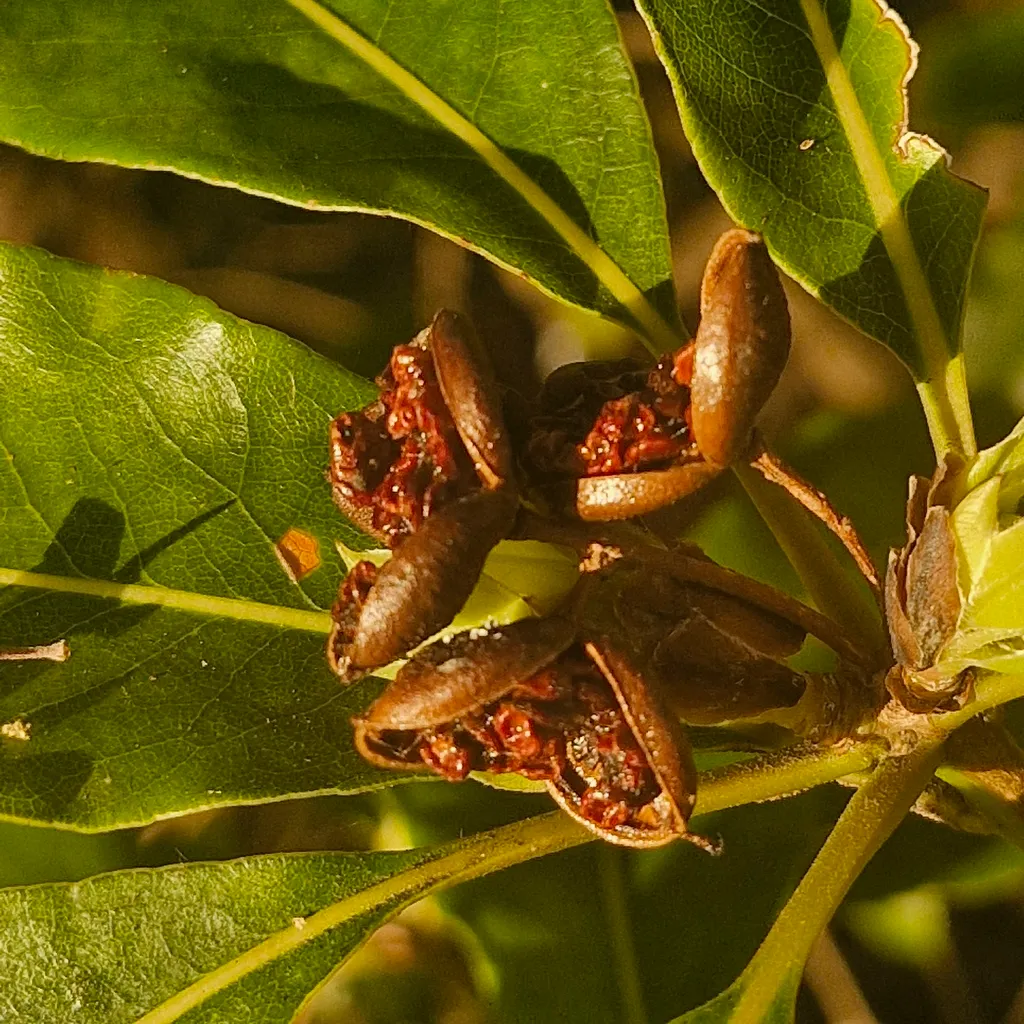
Distribution of Victorian Box
Distribution map
Eastern Australia (Queensland, New South Wales, Victoria, Tasmania)
Toxicity
Non-toxic to humans and pets.
Victorian Box care guide
- Water regularly during dry periods; keep soil moist but not waterlogged
- Watering
- Full sun · Partial shade
- Sunlight
- 15 – 25 °C
- Ideal temperature

Watering
Water regularly during dry periods; keep soil moist but not waterlogged
Fertilizing
 Fertilizing
Apply a balanced slow-release fertilizer in spring
Pruning
 Pruning
Prune in late winter or early spring to maintain shape and remove dead wood.
Propagation
 Propagation
Sow seeds in autumn or take semi-ripe cuttings in summer. Seeds may require scarification to improve germination. Cuttings root best at 18–20°C in a propagator with bottom heat.
Growing
 Growing
Grow in full sun or partial shade in well-drained, fertile soil. Tolerant of coastal conditions and moderate salt spray. Water regularly during dry spells to keep the soil moist but not waterlogged. Apply a balanced slow-release fertilizer in spring. In cold regions, provide winter protection by mulching the root zone or planting against a sheltered wall. Prune lightly in late winter or early spring to maintain shape and remove any dead or crossing branches.
Common pests and diseases
Diseases
Generally disease-free but may be affected by leaf spot and root rot in poorly drained soil.
Pests
Susceptible to scale insects and aphids; also may attract mealybugs.
Explore the plant health library →




