



Planting and Growing Common heliotrope

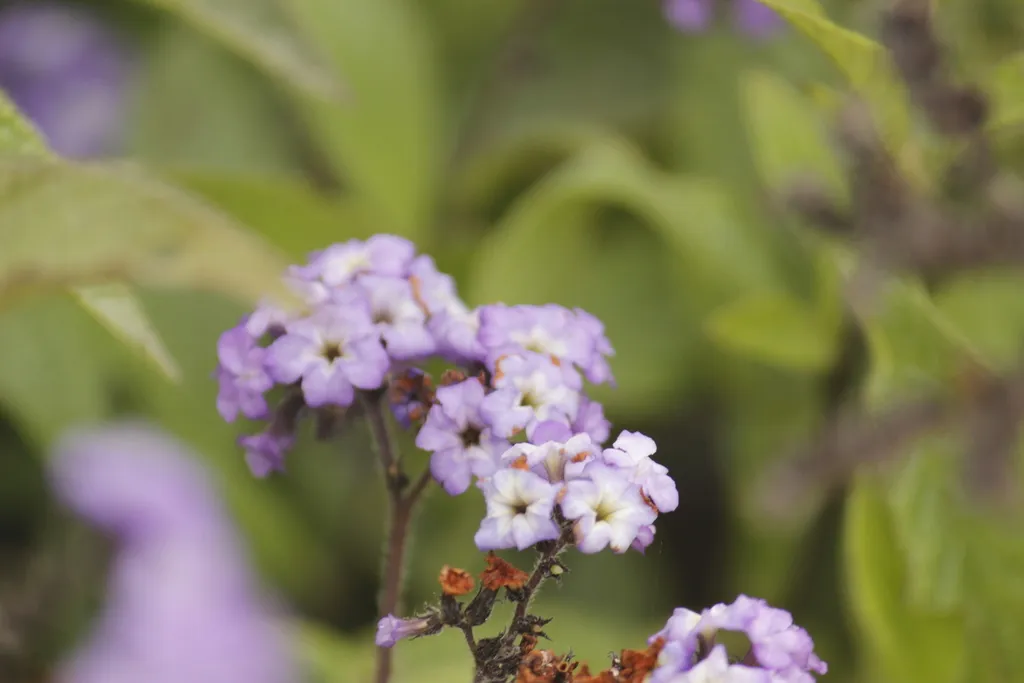
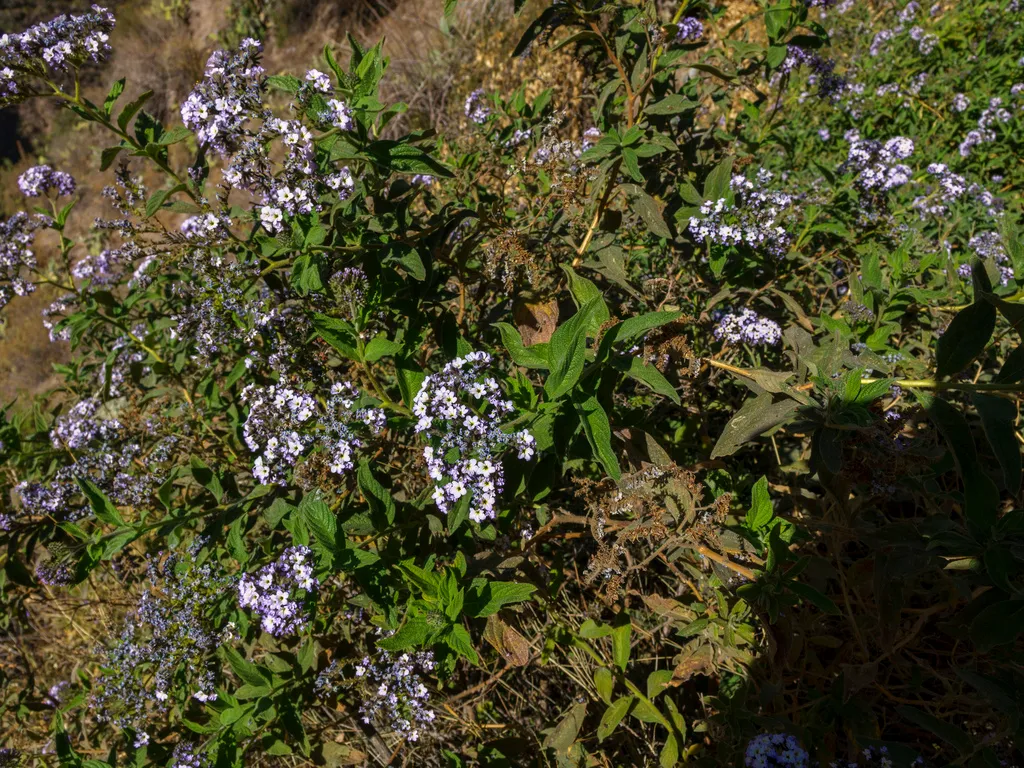
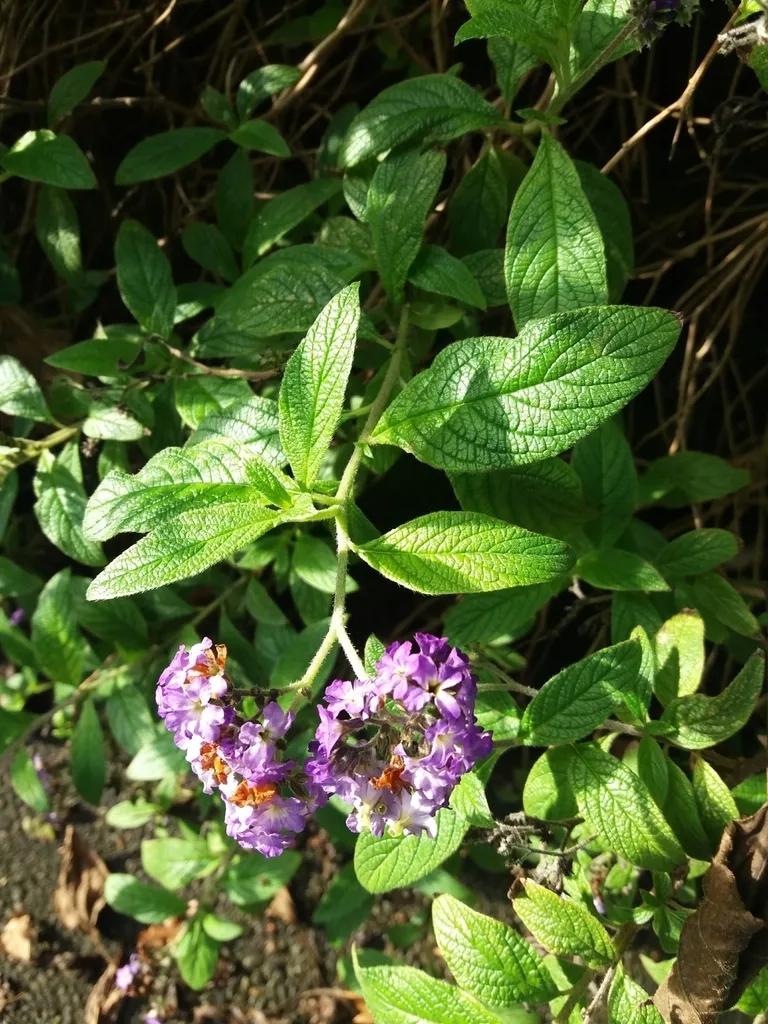
| Care difficulty | 3 / 5 |
|---|---|
| Watering schedule | Keep soil moist, but not waterlogged |
| Sunlight requirements | Full sun · Partial shade |
| Ideal temperature | 15 – 25 °C |
| Soil type | Loam · Sand |
| Soil pH | Neutral · Alkaline |
| Soil moisture | Moist but well drained |
| Fertilizing | Every 2 weeks during growing season |
| Toxicity | All parts are toxic if ingested, containing pyrrolizidine alkaloids that can cause liver damage. Keep away from pets and children. |
How to Water Common heliotrope?
Originating from tropical regions, heliotrope thrives in consistently moist soil conditions, mirroring the humidity of its native habitat. This species exhibits a preference for regular hydration but is moderately tolerant to brief dry spells. Care should involve watering every week to maintain its lush growth and vitality. As an outdoor plant often favored for its fragrant flowers, heliotrope benefits significantly from rainwater, which can provide natural irrigation and contribute to the seasonal rhythms of its growth cycle.
Learn more →What Are the Sunlight Requirements for Common heliotrope?
Heliotrope's optimal light conditions encompass full sun exposure for robust growth and abundant flowering. However, it displays a fair tolerance to partial sun settings, albeit with potential ramifications such as subdued bloom production and slightly impeded growth vigor. When planted outdoors, heliotrope thrives in sunny beds or borders, while indoors, it relishes in bright, airy locations where sunlight is plentiful. Leaf morphology may adjust to filter light intake under intense conditions, preventing scorch damage and maintaining healthy chlorophyll levels for efficient photosynthesis.
Learn more →What Is the Ideal Temperature Range for Common heliotrope?

Heliotrope can tolerate temperature variations, enduring down to 0°C (32°F) and up to 43°C (109°F). However, it is sensitive to frost and extreme heat, showing resilience mainly to moderate climates. Cold damage may manifest as wilting or blackened foliage, while overheating can cause leaf scorch or stunted growth. Care requires protective measures, such as mulching in cold weather and providing shade or adequate watering during heat waves. Suitable for temperate areas, heliotrope may need indoor relocation during harsh seasons to maintain optimal health.
Learn more →What Soil Is Best for Common heliotrope?
Heliotrope thrives in well-draining soil, as it is prone to root rot in waterlogged conditions. A suitable soil mix is a blend of potting mix with perlite or sand to improve aeration. While specific pH is not critical, ensure good drainage by incorporating organic material like compost. For enhanced growth, apply a balanced liquid fertilizer monthly during the growing season. If perlite is unavailable, use pumice or vermiculite as alternatives.
- Soil type
- Loam · Sand
- Soil pH
- Neutral · Alkaline
What Are the Moisture Requirements for Common heliotrope?
Moist but well drained
Learn more →How to Fertilize Common heliotrope?

For optimal growth, heliotrope benefits from regular fertilization using high phosphorus fertilizers to enhance flowering. Apply a balanced liquid fertilizer bi-weekly during growing seasons—spring and summer. In fall and winter, reduce frequency to monthly. A light dilution, half-strength, is suitable to avoid over-fertilization. Adjust quantity according to the size of heliotrope, not exceeding the product's recommendation. Ensure even distribution of fertilizer to nourish the root zone effectively. Over-fertilizing can lead to foliage burn or growth issues, so moderate use is key.
Learn more →How to Prune Common heliotrope?

Known for its fragrant, vibrant blooms and compact growth habit, heliotrope benefits from pruning in early spring or late winter. Focus on removing dead or damaged stems and shaping the plant for better air circulation and sunlight penetration. Regular pruning encourages denser foliage and prolonged blooming periods. Ensure cutting tools are clean to prevent disease. For optimal results, limit heavy pruning to avoid stress on the plant. Always cross-reference with horticultural guidelines for region-specific care.
Learn more →How to Propagate Common heliotrope?

Renowned for its vanilla-scented, deep violet flowers, heliotrope can be effectively propagated through cuttings. Utilize healthy, non-flowering shoots for higher success rates, with each cutting ideally having several leaf nodes. A well-draining soil medium facilitates root development, while indirect light supports growth without scorching delicate cuttings. Consistent moisture is key, yet avoid waterlogged conditions to prevent rot. Rooting hormone can promote quicker establishment, ensuring a gentle transition for fresh cuttings to thrive.
Learn more →How to Transplant Common heliotrope?
The optimum moment for relocating heliotrope is during the vernal reawakening, when conditions are ideal for root establishment. Select a sunny spot with well-draining soil. If the soil is poor, enriching it before transplanting may enhance growth.
Learn more →How to Plant Common heliotrope?
Indoors-potted: Ensure heliotrope receives ample light indoors to maintain its vibrant foliage and delightful fragrance, making it a lovely aromatic addition to your home. Outdoors-potted: Heliotrope, when potted outside, thrives with more breathing room for its roots—select a spacious container to encourage lush growth. Outdoors-in the ground: Planting heliotrope in the ground allows its natural tendency to spread, creating an enchanting, fragrant ground cover that's as pleasing to the eyes as it is to the nose.
Learn more →How to Repot Common heliotrope?
For heliotrope, a bushy fragrant bloomer, early spring repotting is ideal, every 2-3 years, to align with active growth. Choose a slightly larger container to accommodate expansion. Use well-draining soil and a pot with ample drainage. Post-repot, maintain moist soil and partial sun to aid recovery. This ensures the continued vibrancy and health of your heliotrope.
Learn more →Common Pests & Diseases

Diseases
Susceptible to powdery mildew and grey mould (Botrytis) in humid or poorly ventilated conditions. Ensure good air circulation and avoid overwatering.
Pests
May be attacked by aphids, whiteflies, and red spider mites, especially under glass or in hot, dry conditions.
Explore the plant health library →Troubleshooting
Leaf Scorch, Yellowing Chlorosis, or Root/Crown Decline
Common heliotrope (Heliotropium arborescens) depends on deep, well-drained soil and appropriate sun/moisture balance; waterlogged roots, drought stress, or unsuitable soil pH quickly show in foliage color.
| What you notice | Possible explanation | What to check next |
|---|---|---|
| Leaf margins turn brown and crispy in summer heat, or young foliage wilts despite adequate sunlight | Drought stress, drying winds, or afternoon sun scorch (especially on newly planted trees/shrubs) | Check soil moisture 10–15 cm (4–6 inches) deep and assess afternoon sun and wind exposure |
| Leaves turn pale yellow between dark green veins or whole canopy yellows and thins | Unsuitable soil pH locking up iron/manganese or poor drainage causing root rot | Test soil pH and inspect root-zone drainage after heavy rain or irrigation |
- Plant in well-drained soil suited to its pH needs (Neutral, Alkaline pH) in full sun or partial shade, mulching the root zone with organic bark or leaf mold kept clear of the trunk.
- Water deeply during dry spells, especially in the first two years after planting: Keep soil moist, but not waterlogged.
- Protect frost-tender or container-grown woody species before winter freezes.
If sudden branch dieback with dark vascular streaking or mushroom growth at the base occurs (suspected Verticillium wilt or honey fungus), prune out dead wood cleanly and consult local extension diagnostics.
Poor Flowering/Fruiting or Sap-Sucking Pests and Mildew
Insufficient sunlight, improper pruning timing, or dense unpruned canopies can reduce blooms and fruit while encouraging aphids, scale, caterpillars, or powdery mildew.
| What you notice | Possible explanation | What to check next |
|---|---|---|
| Vigorous leafy shoots with few flowers or poor fruit set | Excessive shade, high-nitrogen fertilizer, or pruning off old-wood flower buds at the wrong season | Review daily sun hours, fertilizer ratio, and pruning timing |
| Curled sticky new shoots, white powdery leaf coating, or chewed foliage | Common pests (May be attacked by aphids, whiteflies, and red spider mites, especially under glass or in hot, dry conditions.) or fungal issues (Susceptible to powdery mildew and grey mould (Botrytis) in humid or poorly ventilated conditions. Ensure good air circulation and avoid overwatering.) | Inspect shoot tips, leaf undersides, and inner canopy airflow |
- Prune at the appropriate seasonal window: Pinch out growing tips when young to encourage bushy growth. Remove spent flower heads regularly to maintain appearance and extend flowering..
- Thin crowded interior shoots to improve sunlight penetration and air circulation, and clean up fallen leaves in autumn.
- Blast aphids off sturdy shoots with a firm water spray or use insecticidal soap per label instructions.
Avoid late-summer nitrogen feeding, which forces soft late growth vulnerable to early autumn frost.
The Toxicity of Common heliotrope
All parts are toxic if ingested, containing pyrrolizidine alkaloids that can cause liver damage. Keep away from pets and children.