
Common heliotrope
Also known as: Common heliotrope, Garden heliotrope, Cherry pie
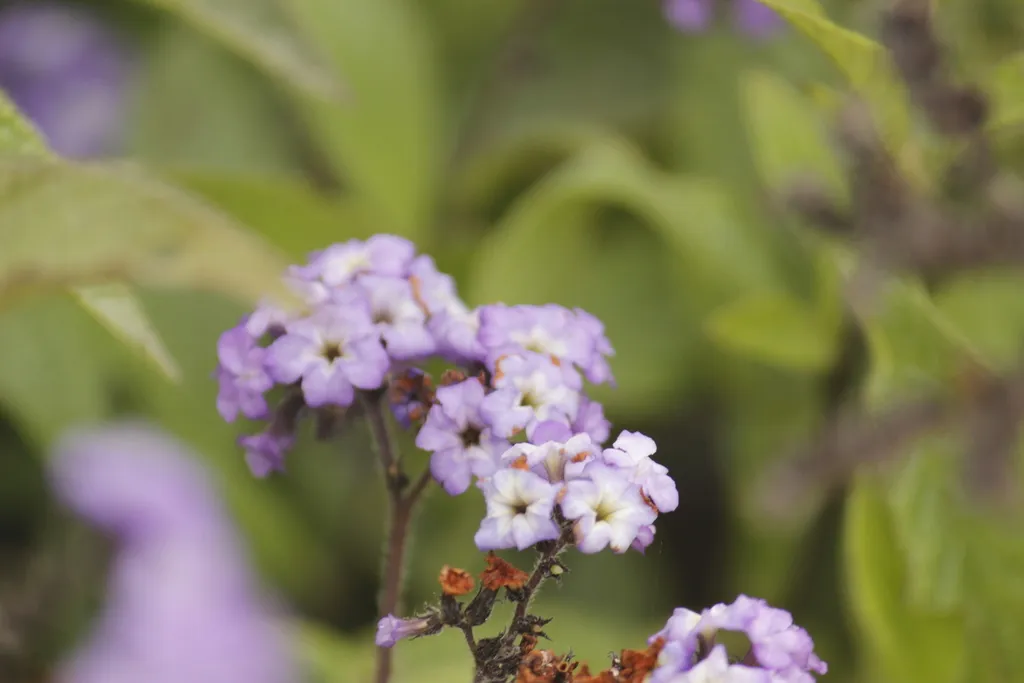
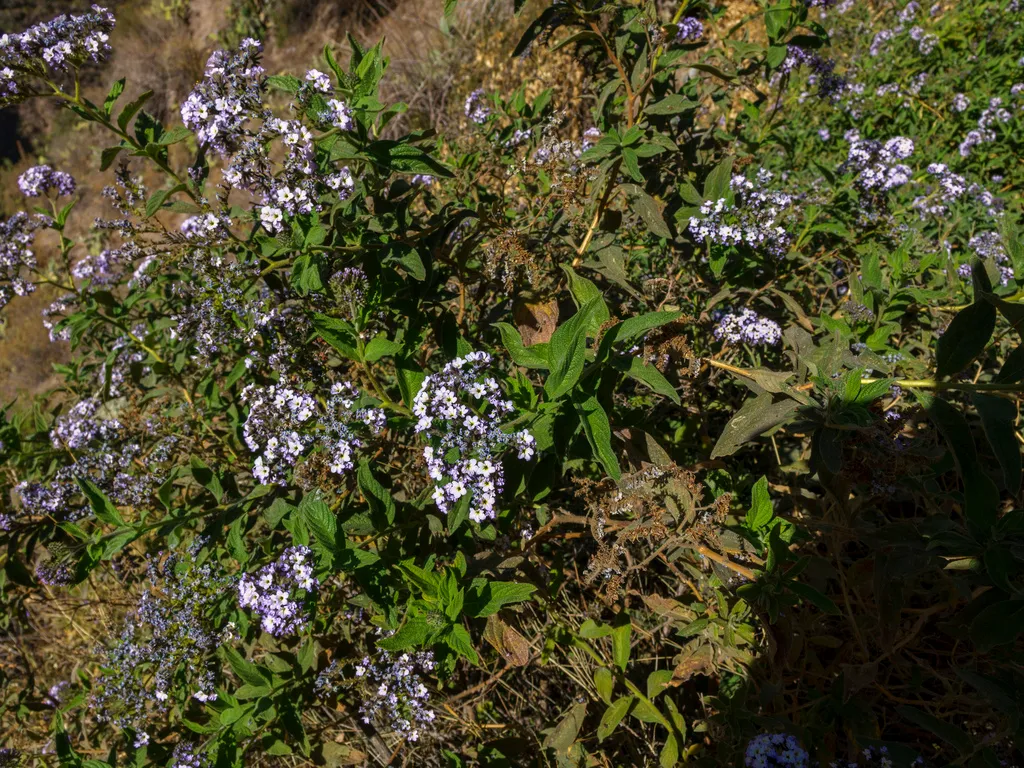
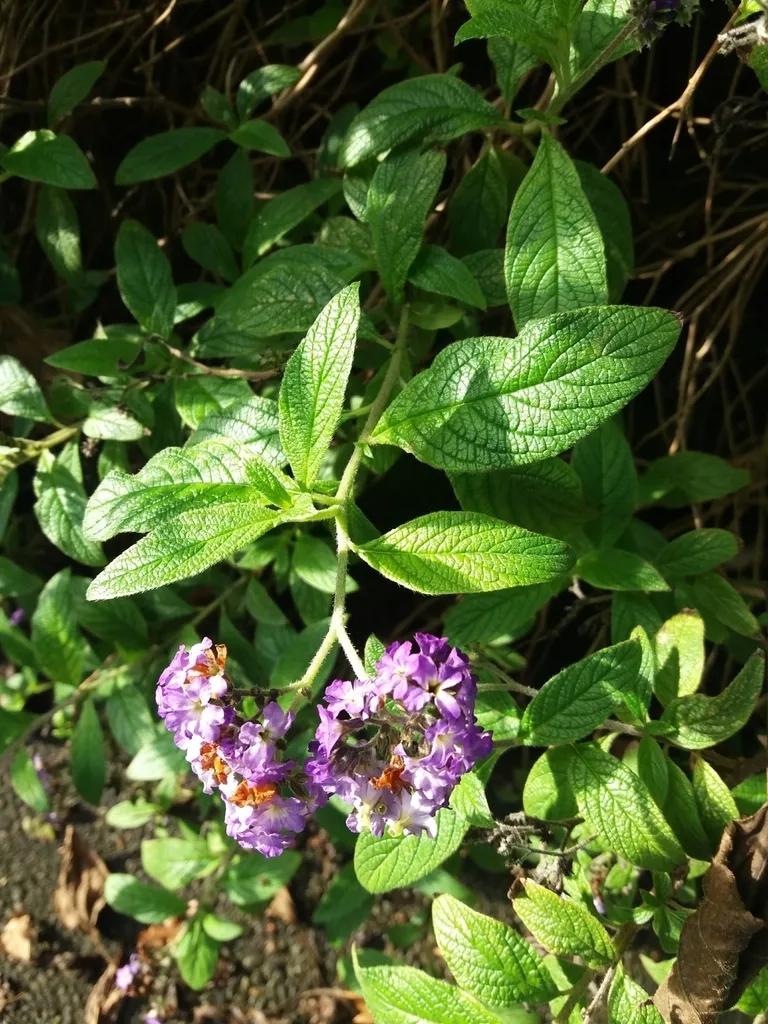
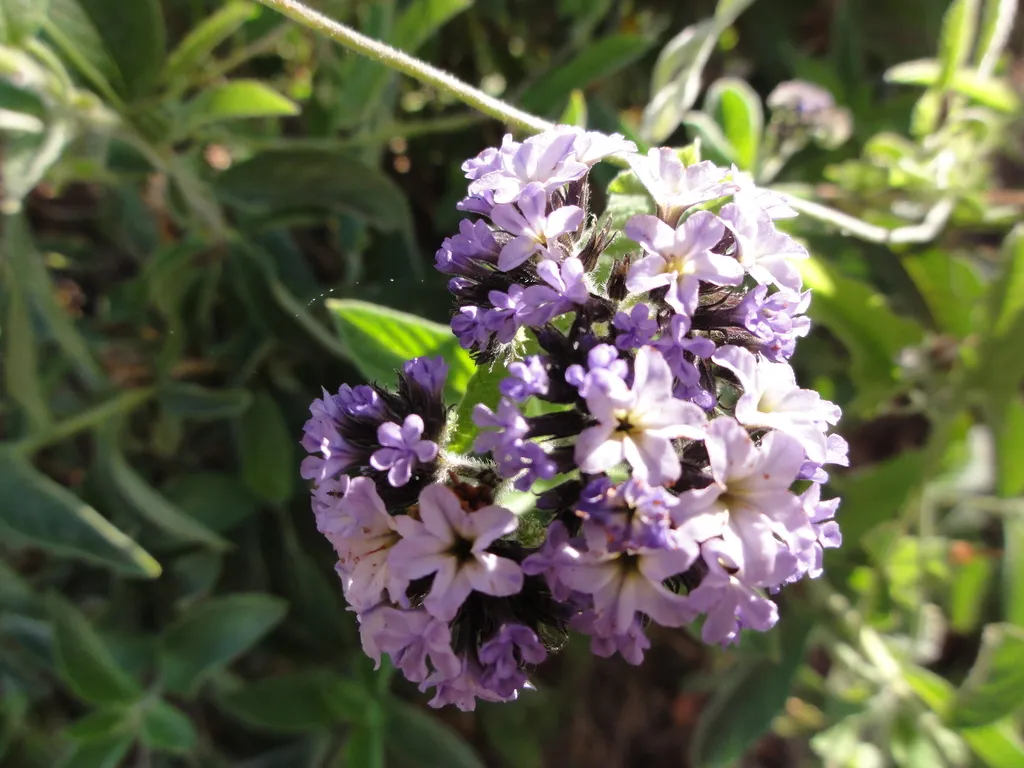
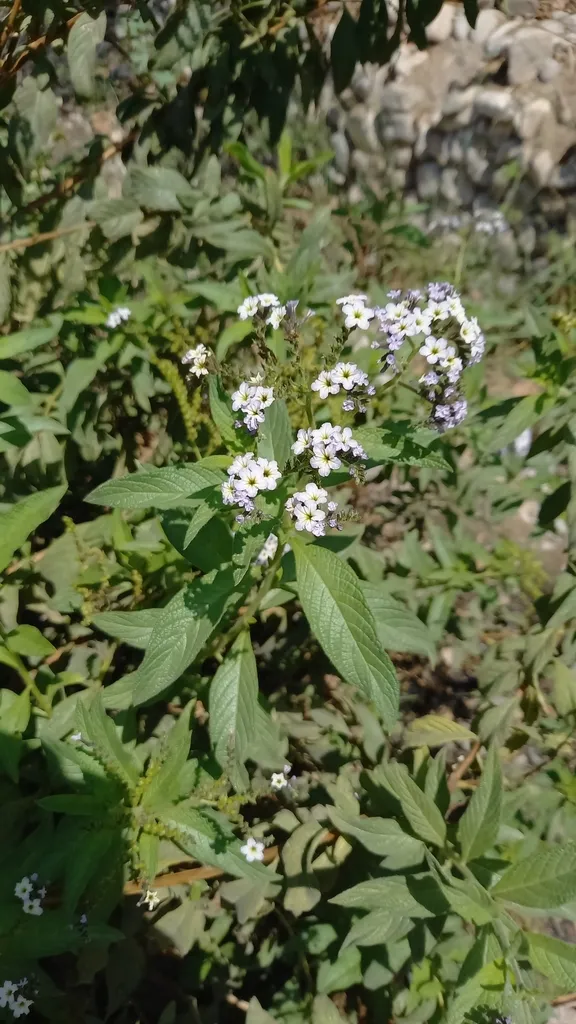
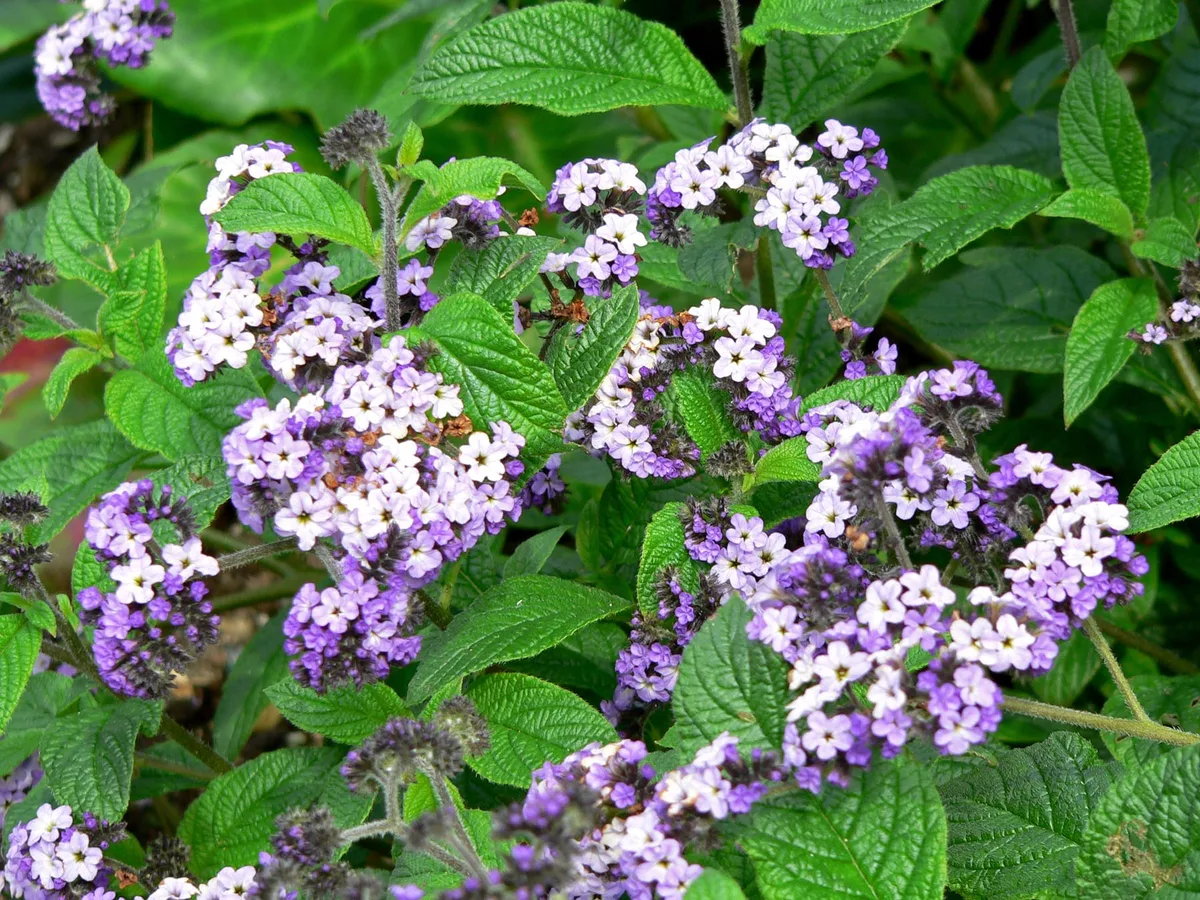
A bushy, evergreen subshrub or perennial, often grown as an annual, with wrinkled, ovate leaves and dense clusters of small, highly fragrant violet-blue or white flowers held above the foliage from summer to autumn. The plant has a compact, upright habit and a sweet, vanilla-like scent that is particularly noticeable in the evening.
Scientific classification
- Species
- Common heliotrope (Heliotropium arborescens)
- Genus
- Information to be completed
- Family
- Boraginaceae
- All parts are toxic if ingested, containing pyrrolizidine alkaloids that can cause liver damage. Keep away from pets and children.
- Toxicity
- Shrubs · Bedding
- Plant type
- 0.3 - 0.6 metres
- Height
- 0.3 - 0.5 metres
- Spread
- Evergreen
- Foliage
- Upright · Bushy
- Habit
- Summer
- Season of interest
- Full sun · Partial shade
- Sunlight
- 15 – 25 °C
- Ideal temperature









Common heliotrope pictures
Distribution of Common heliotrope
Distribution map
- Native
- Introduced
- Cultivated
Source:WCVP v16 · Royal Botanic Gardens, Kew · CC BY 3.0 · Boundaries:WGSRPD / TDWG
Toxicity
All parts are toxic if ingested, containing pyrrolizidine alkaloids that can cause liver damage. Keep away from pets and children.
Common heliotrope care guide
- Keep soil moist, but not waterlogged
- Watering
- Full sun · Partial shade
- Sunlight
- 15 – 25 °C
- Ideal temperature

Watering
Keep soil moist, but not waterlogged
Fertilizing
 Fertilizing
Every 2 weeks during growing season
Pruning
 Pruning
Pinch out growing tips when young to encourage bushy growth. Remove spent flower heads regularly to maintain appearance and extend flowering.
Propagation
 Propagation
Sow seeds in late winter or early spring at 18-20°C, or take softwood cuttings in spring or early summer. Cuttings root readily in a propagator with bottom heat; pot on once rooted.
Growing
 Growing
Plant in moist but well-drained, fertile soil in full sun or light shade. Water regularly during dry spells, but avoid waterlogging. Feed with a balanced liquid fertilizer every two weeks during the growing season. In frost-prone areas, grow as an annual or overwinter indoors in a cool, frost-free greenhouse. Deadhead spent flowers to prolong blooming.
Common pests and diseases
Diseases
Susceptible to powdery mildew and grey mould (Botrytis) in humid or poorly ventilated conditions. Ensure good air circulation and avoid overwatering.
Pests
May be attacked by aphids, whiteflies, and red spider mites, especially under glass or in hot, dry conditions.
Explore the plant health library →




