



Planting and Growing Mandevilla

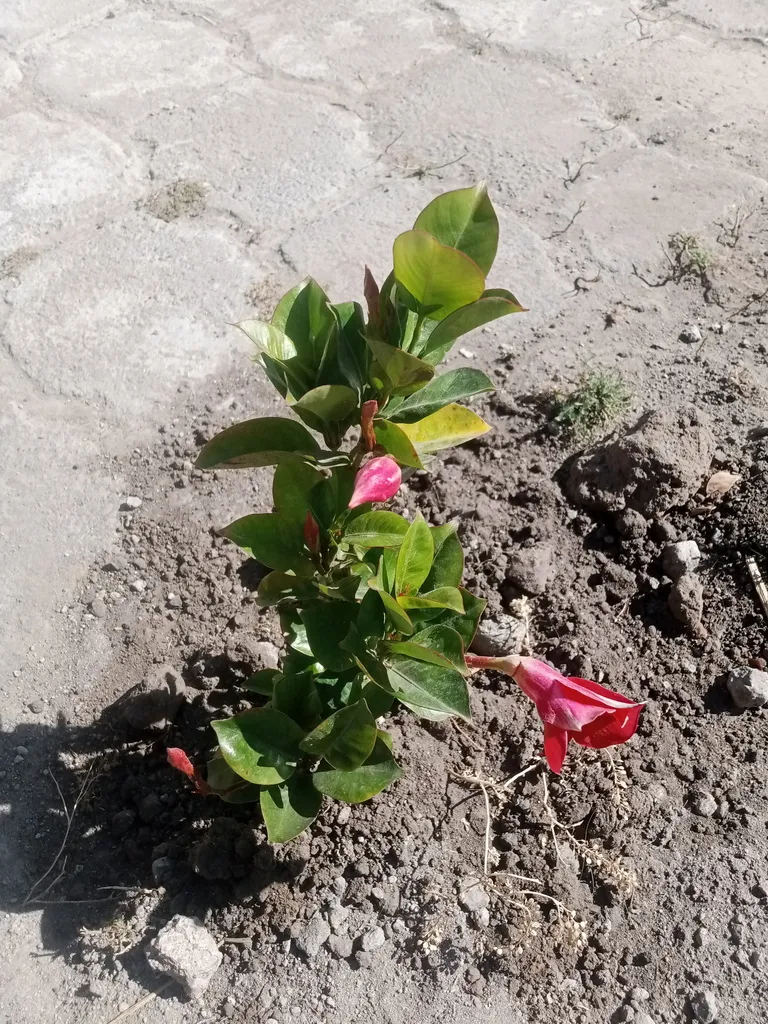
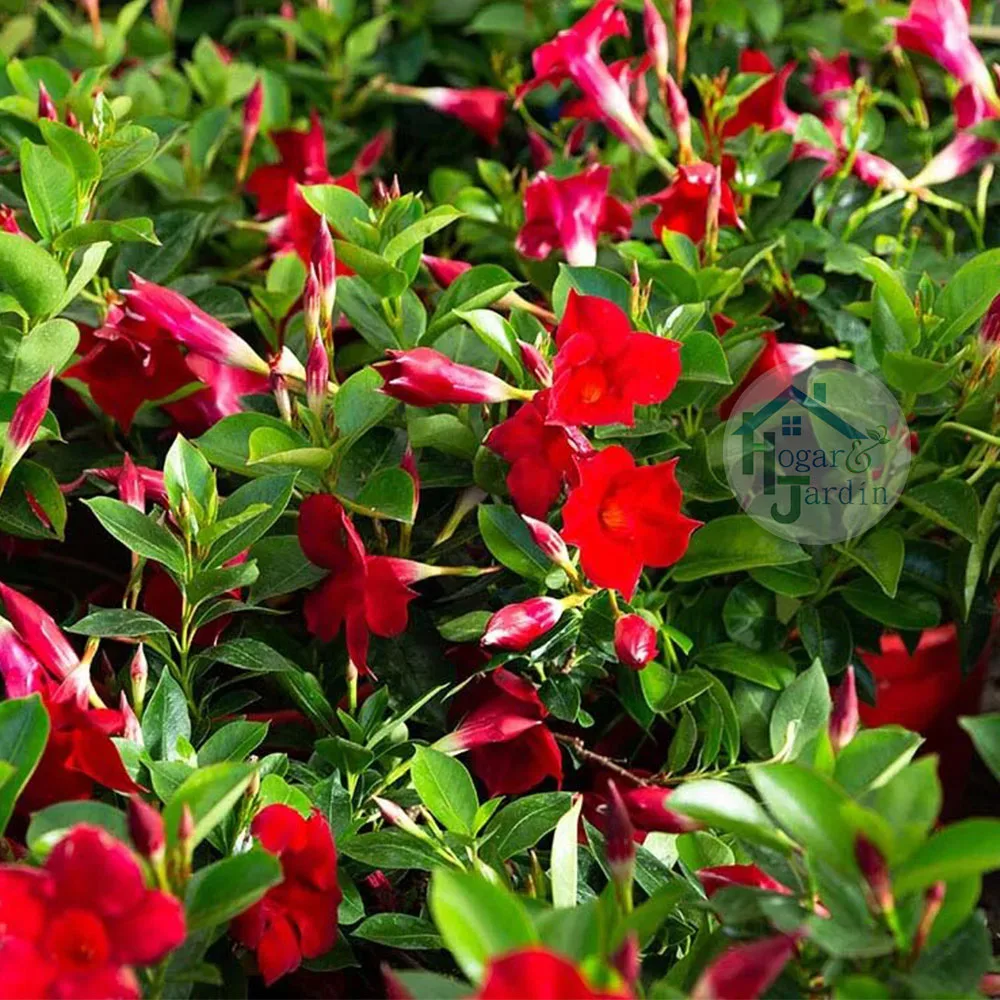
| Care difficulty | 3 / 5 |
|---|---|
| Watering schedule | Keep soil moist but not waterlogged |
| Sunlight requirements | Full sun · Partial shade |
| Ideal temperature | 20 – 30 °C |
| Soil type | Loam |
| Soil pH | Acid · Neutral |
| Soil moisture | Moist but well drained |
| Fertilizing | Every two weeks during growing season |
| Toxicity | Toxic if ingested; sap may irritate skin. Keep away from children and pets. |
How to Water Mandevilla?
Thriving in its native tropical environment, brazilian jasmine has adapted to regular moisture and high humidity levels. This species is characterized by a preference for consistent hydration but can withstand short periods of dryness. Watering should be carried out every week to maintain its lush growth. Brazilian jasmine flourishes best when grown outdoors, where it can receive natural rainfall that complements its watering schedule and promotes the vibrant blooming characteristic of this species.
Learn more →What Are the Sunlight Requirements for Mandevilla?
Brazilian jasmine thrives in full sun exposure, where the light is intense and unfiltered. The ideal daily sunlight duration for robust growth and ample blooming is between 6 to 8 hours. While brazilian jasmine is quite tolerant of partial sun, receiving around 4 to 6 hours of direct light, its flowering might be less prolific under these conditions. In terms of adaptive traits, brazilian jasmine can adjust its foliage to optimize light absorption, with leaves possibly turning a lighter green if the light is suboptimal. Outdoors, brazilian jasmine should be planted in a spot that receives ample morning light with some afternoon shade to prevent leaf scorch. Indoors, a south-facing window is a suitable location to foster its growth and flowering.
Learn more →What Is the Ideal Temperature Range for Mandevilla?

Brazilian jasmine shows remarkable resilience to temperature variations. It can endure cold temperatures down to 5℃ (41℉) and withstand heat up to 45℃ (113℉). This broad tolerance range means that brazilian jasmine can adapt to a variety of climates, but protective measures are necessary during temperature extremes. In cold conditions, brazilian jasmine may exhibit wilting or leaf drop, while overheating can cause discoloration and reduced blooming. To counteract cold stress, consider indoor placement or using blankets. For excessive heat, provide shade and increase watering. This adaptability makes brazilian jasmine suitable for diverse environments but requires attentive care during seasonal transitions.
Learn more →What Soil Is Best for Mandevilla?
Brazilian jasmine prefers rich, sandy soil, with plenty of organic matter mixed in. The soil needs to be fast draining and to have a pH between 6.6 to 7.5. A perfect soil mix for the vines would be two parts peat moss or potting soil and one part builder’s sand. With brazilian jasmine planted in a pot, the container needs to be deep enough to allow the roots sufficient space to spread. However, the pot should not be so deep that the root system will consume excessive nutrients from the plant.
- Soil type
- Loam
- Soil pH
- Acid · Neutral
What Are the Moisture Requirements for Mandevilla?
Moist but well drained
Learn more →How to Fertilize Mandevilla?

To boost brazilian jasmine's blossoms and vigor, employ high-phosphorus fertilizers biweekly in the growing season, reducing to monthly in winter. Apply a half-strength solution to avoid over-fertilization. Diligent watering post-fertilization aids in nutrient dispersal and root protection. Observe seasonal adaptation, utilizing warmer months for more frequent feeding, supporting brazilian jasmine's optimal growth phase.
Learn more →How to Prune Mandevilla?

Brazilian jasmine, known for its vibrant, funnel-shaped flowers and vigorous climbing habit, requires regular pruning to maintain its shape and encourage blooming. Prune in early spring or late winter, before the start of the growing season. Remove dead or weak stems and cut back overgrown areas to stimulate new growth. By pruning, you enhance air circulation and light penetration, reducing disease risk and promoting healthier blooms. Consistent pruning also helps manage the plant's size and supports robust flowering.
Learn more →How to Propagate Mandevilla?

Brazilian jasmine propagates easily in spring or summer through herbaceous cuttings. With a propagation difficulty that is considered easy, signs of successful propagation are shown through root development. It is recommended to sterilize pruners and cuttings to ensure healthy propagation.
Learn more →How to Transplant Mandevilla?
Transplanting brazilian jasmine thrives in mid-spring to late-spring, or mid-fall to late-fall to avoid extreme temperatures. Choose a sunny, well-drained location for brazilian jasmine. Gently loosen roots if root-bound, and water thoroughly post-transplant for a successful transition.
Learn more →How to Plant Mandevilla?
Indoors-potted: For brazilian jasmine thriving indoors, ensure a sturdy support for its climbing habit; rotate the pot regularly for even growth. Outdoors-potted: When potted outside, brazilian jasmine benefits from sheltered placement where its twining stems can gracefully ascend. Outdoors-in the ground: Brazilian jasmine planted in the ground requires ample space to spread and showcase its full flowering potential.
Learn more →How to Repot Mandevilla?
Repot brazilian jasmine every 2-3 years to accommodate its climbing habit and rapid growth. Spring repotting favors its growth cycle, positioning it for robust seasonal flourishing. Use a larger pot to prevent constriction and to support its sizeable, twining structure. Post-repot: Maintain moist soil, indirect light, and regular feeding to help brazilian jasmine recover and thrive. Friendly reminder: Gentle care ensures this beautiful climber graces your space with vibrant blooms.
Learn more →Common Pests & Diseases

Diseases
Susceptible to root rot and powdery mildew, especially if overwatered or air circulation is poor.
Pests
Common pests include aphids, spider mites, and mealybugs.
Explore the plant health library →Troubleshooting
Yellowing Leaves, Leaf Drop, or Reduced Blooming
Mandevilla (Mandevilla sanderi) responds strongly to site drainage, light intensity, and soil conditions; evaluate cultural factors before assuming a single pathogen.
| What you notice | Possible explanation | What to check next |
|---|---|---|
| Lower leaves turn yellow and drop while potting mix stays wet and heavy | Overwatering, poorly drained soil, or temperatures dropping below 10°C (50°F) | Check pot drainage holes and feel soil moisture two inches deep |
| Entire branch or plant wilts and turns dull brown with dark decayed roots | Root rot from poorly drained, waterlogged soil | Check site or container drainage and inspect root firmness |
- Ensure planting sites or containers have sharp drainage; amend heavy clay with organic matter or use raised beds.
- Grow in bright sun or bright filtered light (with light afternoon shade in extreme heat) in a fast-draining potting mix, letting the top inch dry slightly between waterings.
- Water deeply at the base during dry spells rather than wetting foliage overhead.
- Prune out dead, diseased, or crossing shoots with sterilized secateurs.
Provide a trellis or obelisk for twining stems, and wear gloves when pruning as broken stems exude mildly irritating milky sap.
Sap-Sucking Pests or Foliar Mildew
Outdoor and conservatory shrubs and climbers are prone to sap-sucking insects, especially in warm sheltered spots or under glass.
| What you notice | Possible explanation | What to check next |
|---|---|---|
| Fine webbing, pale stippled leaves, sticky honeydew, or white cottony tufts | Red spider mites, aphids, or mealybugs, especially indoors | Inspect leaf undersides and shoot tips closely |
| Distorted new shoot tips with sticky honeydew | Aphids or scale insects feeding on tender growth | Examine growing tips and woody stems closely |
- Rinse leaf undersides with a firm stream of water outdoors or wipe indoor/conservatory foliage with a damp cloth.
- Thin overcrowded interior growth where appropriate to improve airflow and light penetration.
- Apply insecticidal soap or horticultural oil strictly according to product label instructions if infestations persist, avoiding application during hot midday sun.
Do not spray broad-spectrum insecticides onto open blooms when bees and pollinators are foraging.
The Toxicity of Mandevilla
Toxic if ingested; sap may irritate skin. Keep away from children and pets.