
Mandevilla
Also known as: Mandevilla, Brazilian jasmine, Dipladenia
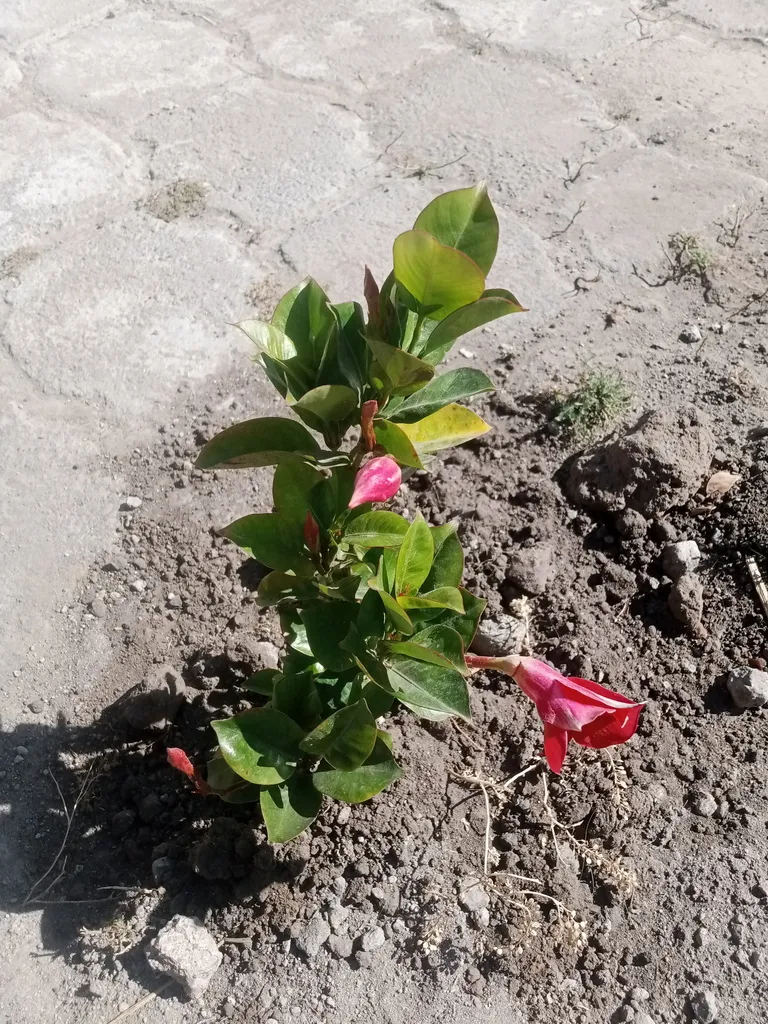
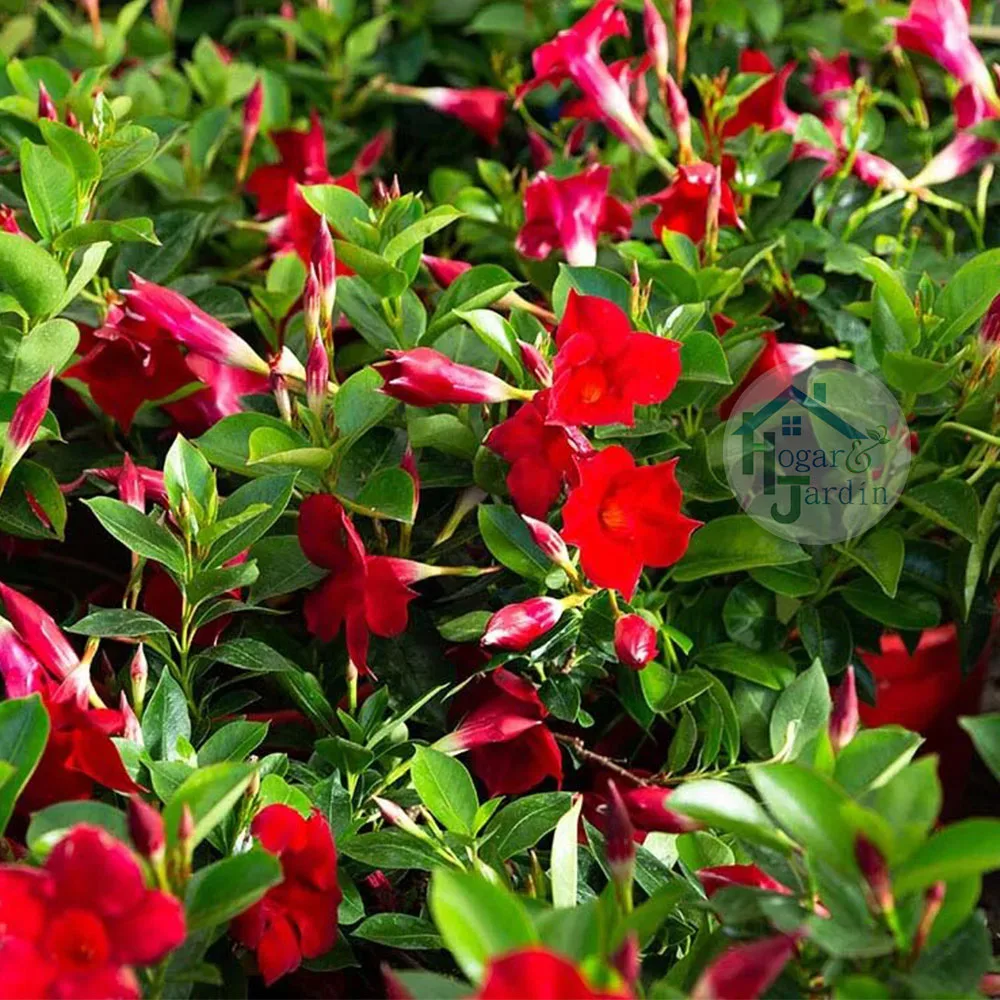
Mandevilla sanderi is an evergreen climbing shrub with opposite, leathery, elliptical leaves. It produces showy, trumpet-shaped flowers in shades of pink or red with a yellow throat, blooming profusely from summer to autumn. The plant can reach 1.5–3 meters in height with support, making it a popular choice for trellises, containers, or indoor displays.
Scientific classification
- Species
- Mandevilla (Mandevilla sanderi)
- Genus
- Information to be completed
- Family
- Apocynaceae
- Toxic if ingested; sap may irritate skin. Keep away from children and pets.
- Toxicity
- Climber Wall Shrub · Houseplants
- Plant type
- 1.5 - 3 metres
- Height
- 0.5 - 1 metres
- Spread
- Evergreen
- Foliage
- Climbing
- Habit
- Summer · Autumn
- Season of interest
- Full sun · Partial shade
- Sunlight
- 20 – 30 °C
- Ideal temperature









Mandevilla pictures
Distribution of Mandevilla
Distribution map
- Native
- Introduced
- Cultivated
Source:WCVP v16 · Royal Botanic Gardens, Kew · CC BY 3.0 · Boundaries:WGSRPD / TDWG
Toxicity
Toxic if ingested; sap may irritate skin. Keep away from children and pets.
Mandevilla care guide
- Keep soil moist but not waterlogged
- Watering
- Full sun · Partial shade
- Sunlight
- 20 – 30 °C
- Ideal temperature

Watering
Keep soil moist but not waterlogged
Fertilizing
 Fertilizing
Every two weeks during growing season
Pruning
 Pruning
Prune in early spring to remove dead or leggy stems and to shape the plant.
Propagation
 Propagation
Take semi-ripe cuttings of about 10 cm in spring or summer. Insert into moist cutting compost and place in a warm, humid environment (20–25°C). Roots usually develop within 3–4 weeks. Alternatively, seeds can be sown in spring at 21°C.
Growing
 Growing
Grow in well-drained, fertile loam-based compost. Position in bright, indirect light or full sun with some afternoon shade in hot climates. Water regularly during the growing season, allowing the top inch of soil to dry out between waterings; reduce watering in winter. Feed with a balanced liquid fertilizer every two weeks from spring to late summer. Overwinter indoors at temperatures above 10°C. Prune lightly in early spring to encourage bushy growth.
Common pests and diseases
Diseases
Susceptible to root rot and powdery mildew, especially if overwatered or air circulation is poor.
Pests
Common pests include aphids, spider mites, and mealybugs.
Explore the plant health library →




