



Planting and Growing Cymbidium orchid

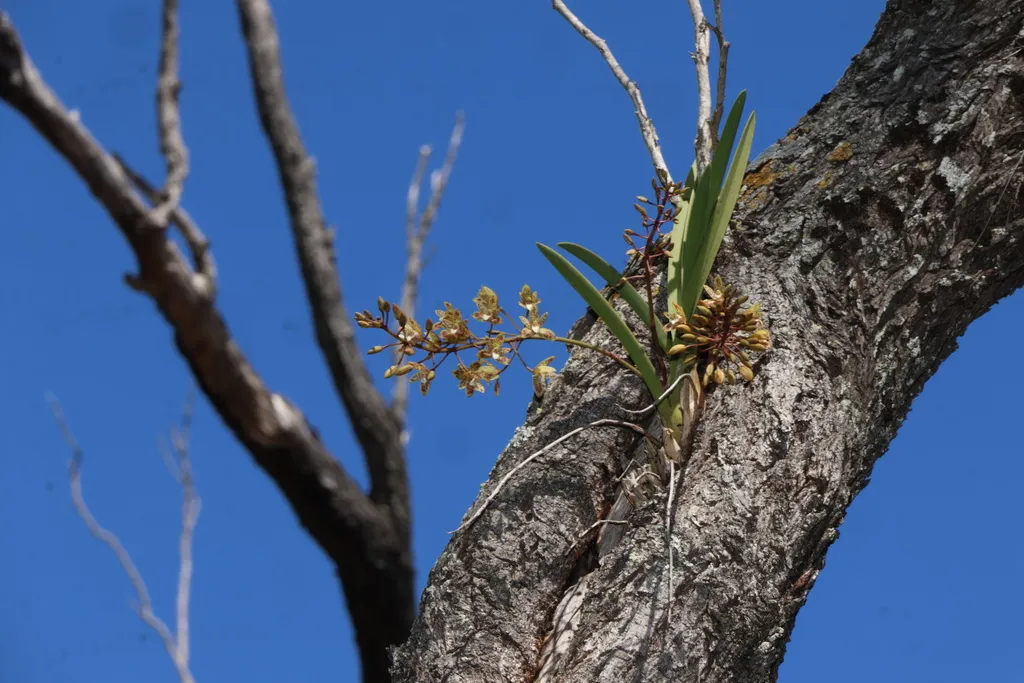
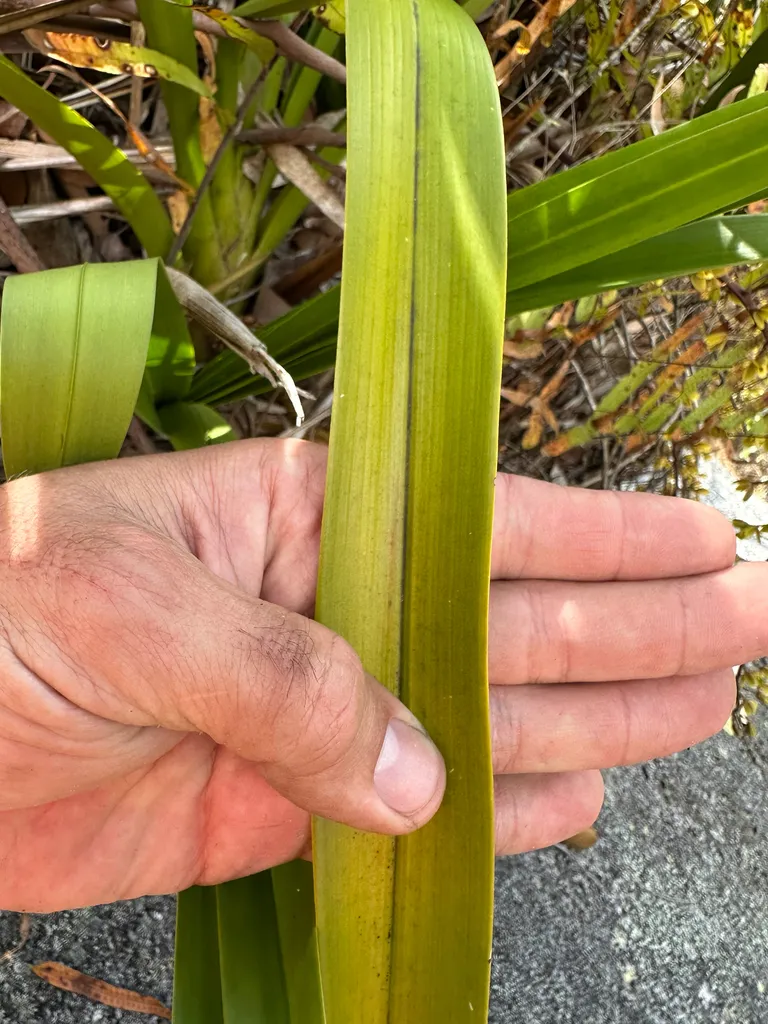
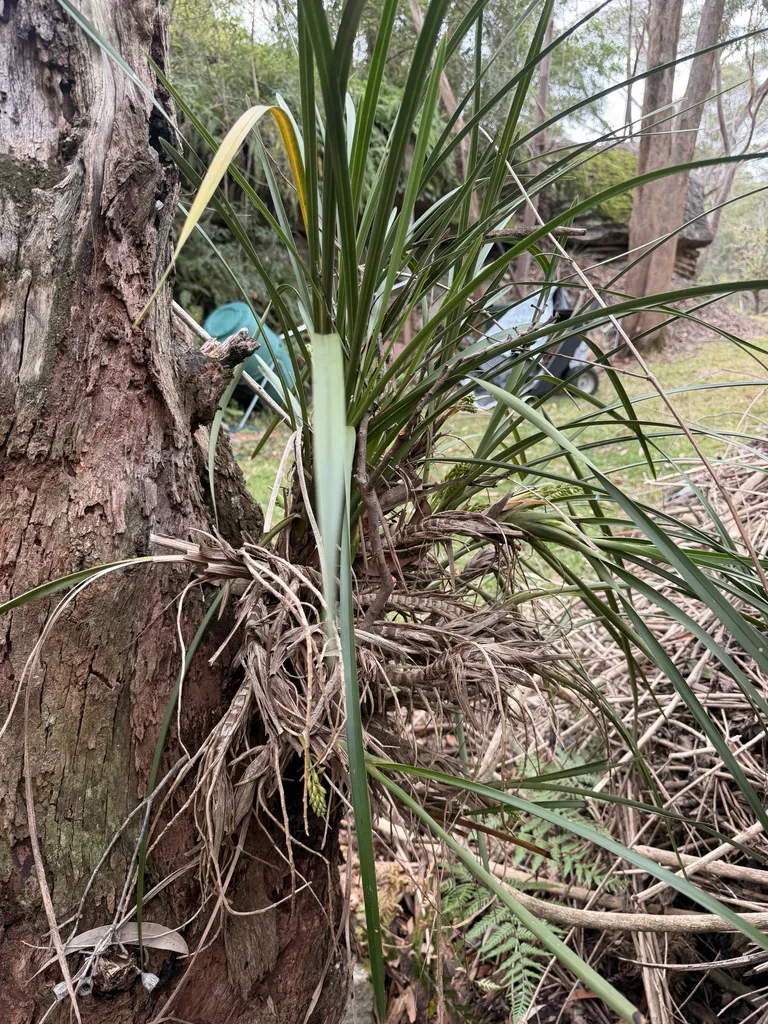
| Care difficulty | 2 / 5 |
|---|---|
| Watering schedule | Keep moist but not waterlogged |
| Sunlight requirements | Bright indirect light |
| Ideal temperature | Information to be completed |
| Soil type | Peat |
| Soil pH | Acid |
| Soil moisture | Moist but well drained |
| Fertilizing | Every 2 weeks during growing season, reduce in winter |
| Toxicity | Non-toxic to humans and pets. |
How to Water Cymbidium orchid?
Keep moist but not waterlogged
Learn more →What Are the Sunlight Requirements for Cymbidium orchid?
Bright indirect light
Learn more →What Is the Ideal Temperature Range for Cymbidium orchid?

Information to be completed
Learn more →What Soil Is Best for Cymbidium orchid?
- Soil type
- Peat
- Soil pH
- Acid
What Are the Moisture Requirements for Cymbidium orchid?
Moist but well drained
Learn more →How to Fertilize Cymbidium orchid?

Every 2 weeks during growing season, reduce in winter
Learn more →How to Prune Cymbidium orchid?

Cut back spent flower spikes after blooming; remove dead or yellowing leaves.
Learn more →How to Propagate Cymbidium orchid?

Divide clumps in spring or autumn, ensuring each division has 3–5 pseudobulbs. Pot into fresh orchid bark mix and water sparingly until new growth appears.
Learn more →How to Transplant Cymbidium orchid?
Information to be completed
Learn more →How to Care for Cymbidium orchid in Winter?

Information to be completed
Learn more →How to Plant Cymbidium orchid?
Grow in bright, indirect light and a well-aerated orchid bark or peat-based mix. Water regularly during active growth, allowing the medium to become nearly dry between waterings. Feed every two weeks with a balanced orchid fertilizer during the growing season. Keep at a minimum temperature of 10–15°C in winter; avoid cold drafts. Repot every 2–3 years after flowering.
Learn more →How to Repot Cymbidium orchid?
Information to be completed
Learn more →How to Harvest Cymbidium orchid?

Information to be completed
Learn more →Common Pests & Diseases

Diseases
Susceptible to root rot if overwatered, and to leaf spot diseases in poor air circulation.
Pests
Common pests include scale insects, spider mites, and aphids.
Explore the plant health library →The Toxicity of Cymbidium orchid
Non-toxic to humans and pets.