
Cymbidium orchid
Also known as: Boat orchid, Cymbidium orchid
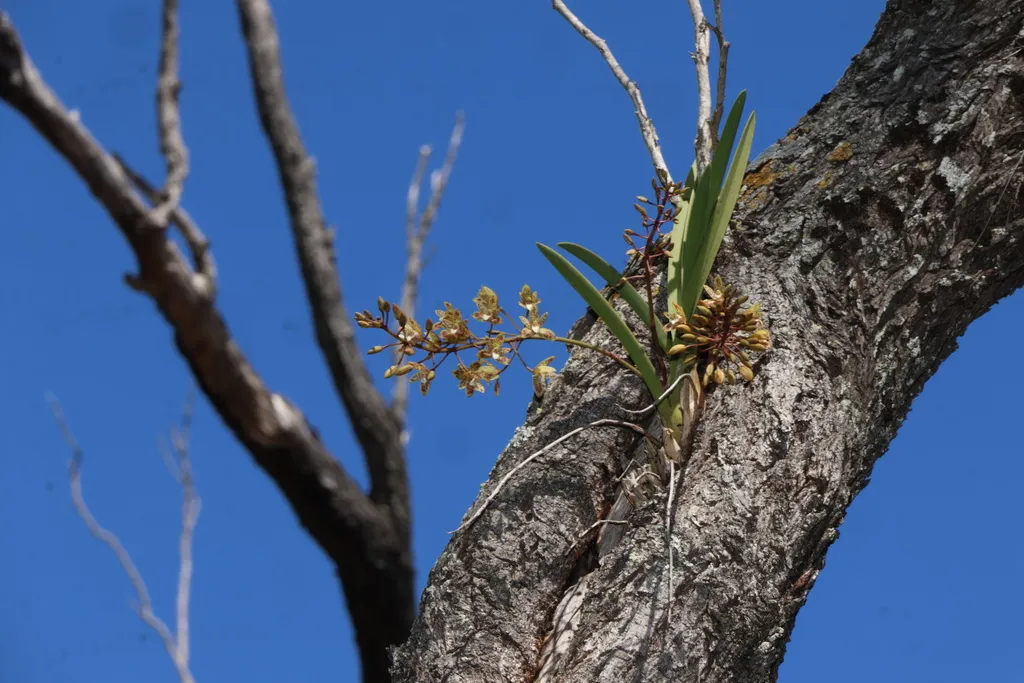
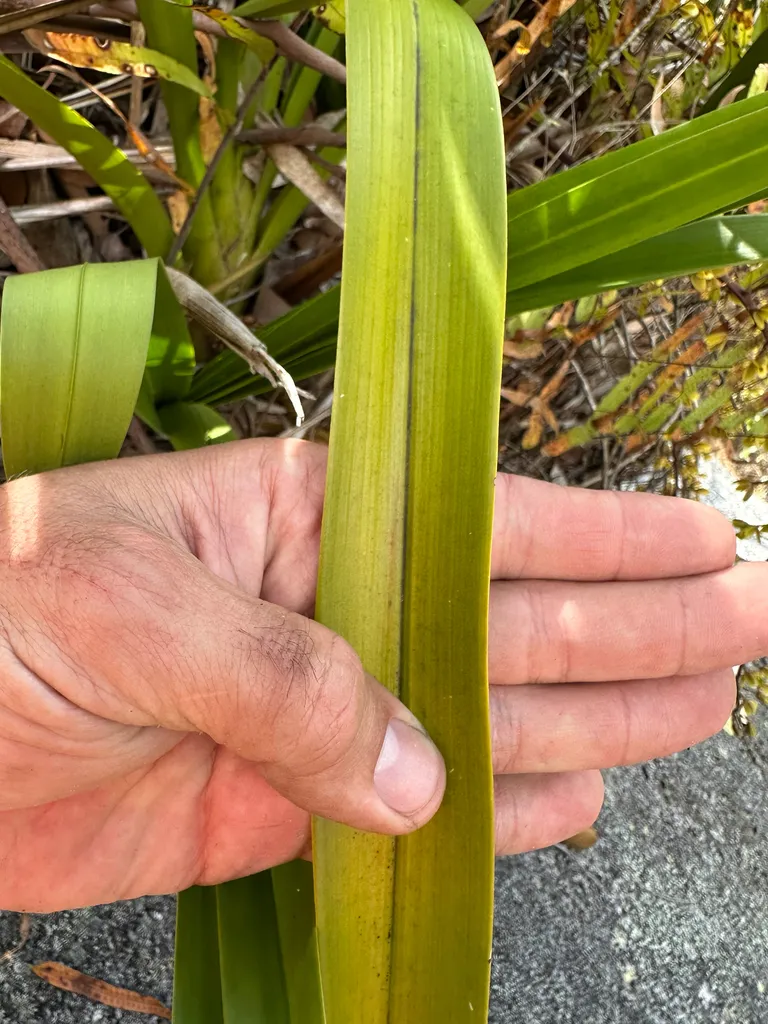
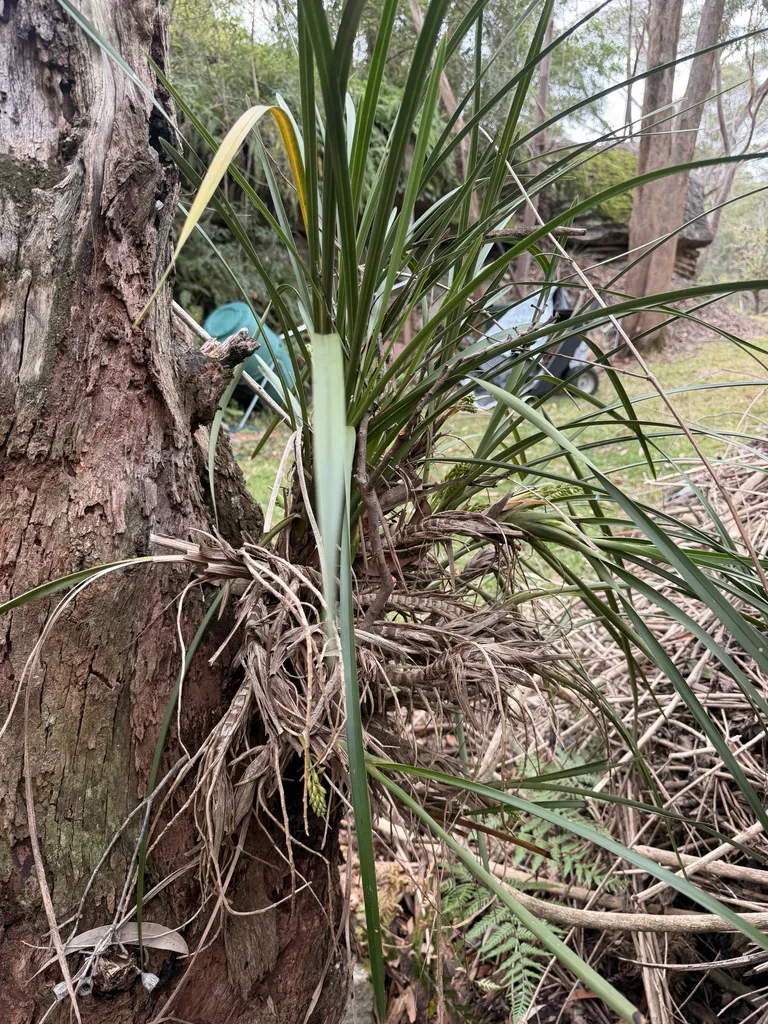
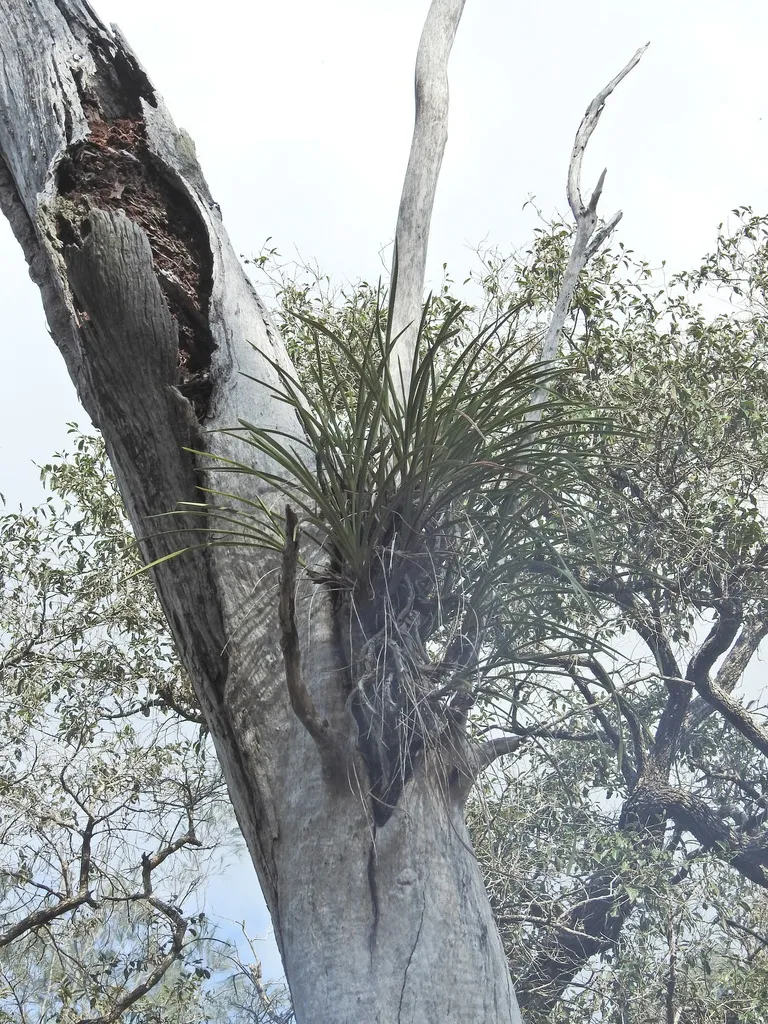
Cymbidium orchids are sympodial epiphytes with large, fleshy pseudobulbs. They produce long, strap-shaped leaves and tall flower spikes bearing numerous showy blooms in shades of white, pink, yellow, green, or burgundy. The flowers can last for weeks, making them popular as cut flowers and indoor plants.
Scientific classification
- Species
- Cymbidium orchid (Cymbidium)
- Genus
- Information to be completed
- Family
- Orchidaceae
- Non-toxic to humans and pets.
- Toxicity
- Houseplants · Conservatory Greenhouse
- Plant type
- 0.3 - 1.0 metres
- Height
- 0.3 - 0.6 metres
- Spread
- Evergreen
- Foliage
- Upright · Clump forming
- Habit
- Winter · Spring
- Season of interest
- Bright indirect light
- Sunlight
- Information to be completed
- Ideal temperature









Cymbidium orchid pictures
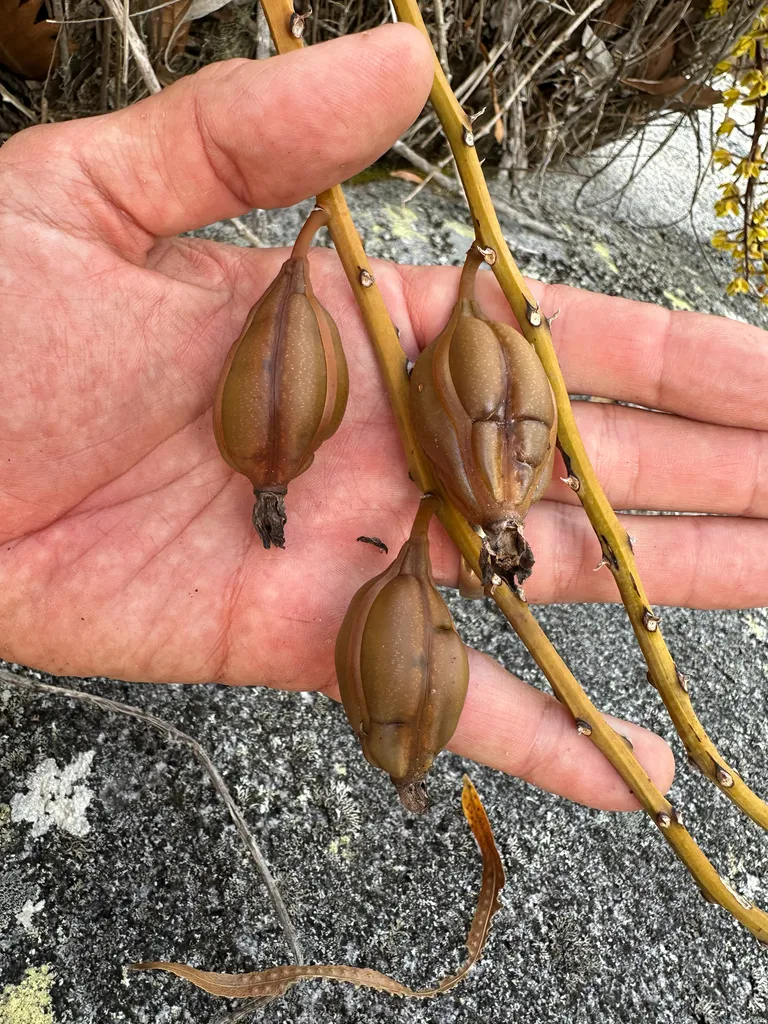
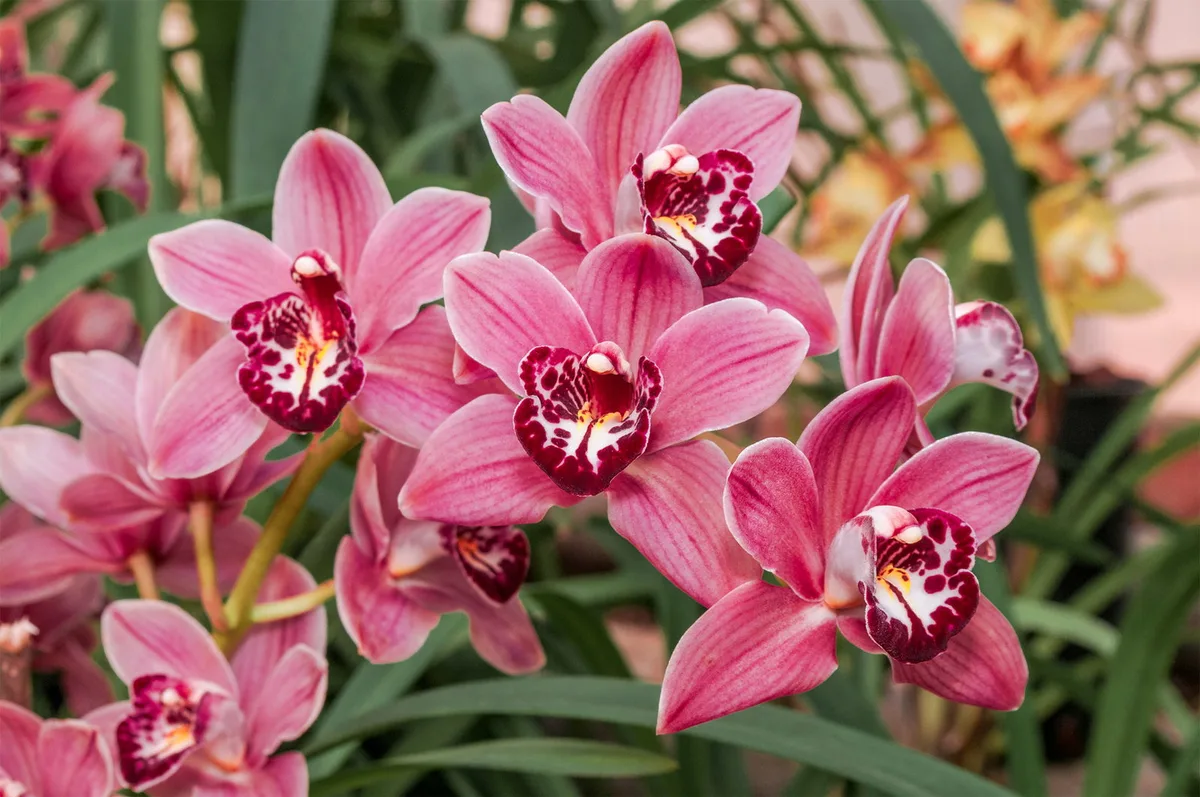
Distribution of Cymbidium orchid
Distribution map
Tropical and subtropical Asia, Australia
Information to be completed
Culture
Information to be completed
Toxicity
Non-toxic to humans and pets.
Quick identification of Cymbidium orchid
Information to be completed
Cymbidium orchid care guide
- Keep moist but not waterlogged
- Watering
- Bright indirect light
- Sunlight
- Information to be completed
- Ideal temperature

Watering
Keep moist but not waterlogged
Fertilizing
 Fertilizing
Every 2 weeks during growing season, reduce in winter
Pruning
 Pruning
Cut back spent flower spikes after blooming; remove dead or yellowing leaves.
Propagation
 Propagation
Divide clumps in spring or autumn, ensuring each division has 3–5 pseudobulbs. Pot into fresh orchid bark mix and water sparingly until new growth appears.
Growing
 Growing
Grow in bright, indirect light and a well-aerated orchid bark or peat-based mix. Water regularly during active growth, allowing the medium to become nearly dry between waterings. Feed every two weeks with a balanced orchid fertilizer during the growing season. Keep at a minimum temperature of 10–15°C in winter; avoid cold drafts. Repot every 2–3 years after flowering.
People also ask
Information to be completed
Common pests and diseases
Diseases
Susceptible to root rot if overwatered, and to leaf spot diseases in poor air circulation.
Pests
Common pests include scale insects, spider mites, and aphids.
Explore the plant health library →




