



Planting and Growing Snake Plant

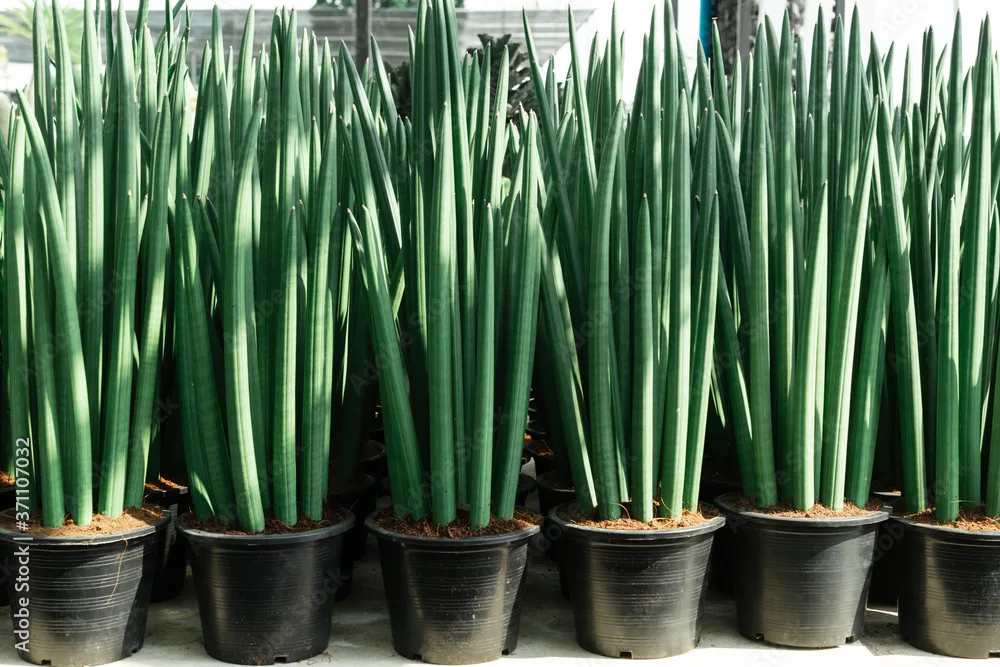
| Care difficulty | 1 / 5 |
|---|---|
| Watering schedule | Water thoroughly then allow soil to dry completely before next watering |
| Sunlight requirements | Bright indirect light |
| Ideal temperature | 18 – 27 °C |
| Soil type | Sand · Loam |
| Soil pH | Neutral |
| Soil moisture | Dry between watering · Well-drained |
| Fertilizing | Once a month during spring and summer |
| Toxicity | Mildly toxic to humans and pets if ingested; may cause mouth irritation, drooling, or vomiting. Keep out of reach of children and animals. |
How to Water Snake Plant?
Water thoroughly then allow soil to dry completely before next watering
Learn more →What Are the Sunlight Requirements for Snake Plant?
Bright indirect light
Learn more →What Is the Ideal Temperature Range for Snake Plant?

18 – 27 °C
Learn more →What Soil Is Best for Snake Plant?
- Soil type
- Sand · Loam
- Soil pH
- Neutral
What Are the Moisture Requirements for Snake Plant?
Dry between watering · Well-drained
Learn more →How to Fertilize Snake Plant?

Once a month during spring and summer
Learn more →How to Prune Snake Plant?

Remove dead or damaged leaves at the base with a clean knife. No regular pruning is needed; cutting leaf tips is not recommended as it can cause browning.
Learn more →How to Propagate Snake Plant?

Propagate by division of clumps in spring or early summer. Carefully separate offsets with roots and pot them individually. Leaf cuttings can also be taken: cut a healthy leaf into 5–10 cm sections, let the cut end callus for a day, then insert upright into moist sand or perlite. Keep at 20–25°C in bright indirect light; roots and new shoots will appear in 4–8 weeks.
Learn more →How to Plant Snake Plant?
Grow in a well-draining cactus or succulent potting mix. Water sparingly, allowing the soil to dry completely between waterings; overwatering leads to root rot. Place in bright indirect light, though it tolerates low light. Fertilize once a month during the growing season (spring to summer) with a balanced liquid fertilizer diluted to half strength. Keep temperatures above 10°C; avoid cold drafts and frost. Repot every 2–3 years or when pot-bound.
Learn more →Common Pests & Diseases

Diseases
Susceptible to root rot and fungal leaf spot if overwatered or kept in poorly ventilated conditions. Ensure good drainage and air circulation.
Pests
Occasionally infested by mealybugs, spider mites, or scale insects. Inspect regularly and treat with insecticidal soap or neem oil if detected.
Explore the plant health library →Troubleshooting
Soft, Mushy Spear Bases (Basal Rot) vs. Shriveled Grooved Spears
Dracaena angolensis (cylindrical snake plant / African spear, formerly Sansevieria cylindrica) stores water inside thick, round, upright leaves and rots rapidly if overwatered or kept in cold, heavy soil.
| What you notice | Possible explanation | What to check next |
|---|---|---|
| Cylindrical spears turn yellow, soft, or mushy at the soil line and lean or collapse | Overwatering, poorly draining potting mix, or rhizome/basal rot | Stop watering immediately, unpot the plant, and inspect the underground rhizome and spear bases for brown, mushy decay. |
| Deep vertical wrinkles or grooves form along firm spears in bone-dry potting mix | Extended underwatering depleting stored moisture | Confirm the gritty potting mix is dry from top to bottom, then soak thoroughly and drain. |
- Allow the gritty cactus/succulent potting mix to dry out completely from top to bottom between waterings, and water very sparingly in winter.
- Grow in a snug, heavy terracotta or well-drained pot with open drainage holes using a fast-draining mineral/succulent mix.
- If basal rot occurs, cut healthy upper spear tips well above any dark tissue with a sterile blade (wearing gloves), let cuts callous for 3 to 5 days in a dry shaded spot, and root them in dry-to-lightly-moist gritty mix.
Dracaena angolensis contains saponins and is toxic to cats and dogs if chewed or ingested.
Flattened, Thin New Leaves or Braided Stem Constriction
Cylindrical snake plants need bright light to form thick, round adult spears; in dim rooms new leaves emerge thin, flat, or grooved, and tightly braided retail plants can restrict new offset growth.
| What you notice | Possible explanation | What to check next |
|---|---|---|
| New leaves emerge flat, thin, or pale green instead of thick cylindrical spears | Insufficient light | Move the pot gradually closer to a bright window receiving indirect light or gentle morning sun. |
| Braided spears become crowded or scarred at tight weave points as they thicken | Mechanical constriction from decorative braiding | Remove any tight wire/string ties at the top of the braid and give the plant room for natural basal pups to emerge. |
- Place in bright, indirect light or gentle direct morning/late-afternoon sun (acclimating gradually to avoid sunburn).
- Keep indoor temperatures above 13°C to 15°C (55°F to 60°F) away from cold drafts.
- Feed very lightly once or twice during spring and summer with a diluted balanced fertilizer, and skip feeding in winter.
Often sold as rooted individual leaf tips arranged in a fan ('starfish') or braid; natural new shoots emerging from the underground rhizome will grow in a classic upright cluster.
The Toxicity of Snake Plant
Mildly toxic to humans and pets if ingested; may cause mouth irritation, drooling, or vomiting. Keep out of reach of children and animals.