
Snake Plant
Also known as: Snake Plant, African Spear, Cylindrical Snake Plant, Spear Sansevieria
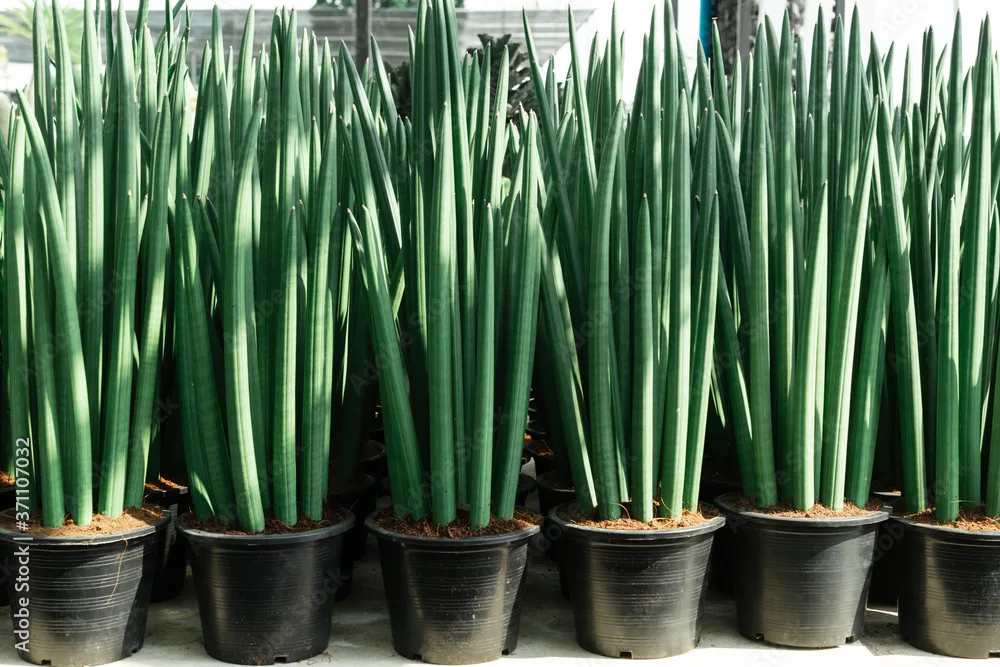
Dracaena angolensis, commonly known as snake plant or African spear, is a succulent perennial with upright, cylindrical, dark green leaves that are banded with lighter green or greyish patterns. It typically grows 60–120 cm tall, forming dense clumps of stiff, spear-like foliage. The leaves are smooth, fleshy, and often have a pointed tip. Small, fragrant greenish-white flowers may appear on a tall spike in summer, though flowering is rare indoors. Its architectural form and low maintenance make it a popular choice for modern interiors.
Scientific classification
- Species
- Snake Plant (Dracaena angolensis)
- Genus
- Information to be completed
- Family
- Asparagaceae
- Mildly toxic to humans and pets if ingested; may cause mouth irritation, drooling, or vomiting. Keep out of reach of children and animals.
- Toxicity
- Succulent · Houseplants
- Plant type
- 0.6 - 1.2 metres
- Height
- 0.3 - 0.6 metres
- Spread
- Evergreen
- Foliage
- Upright · Clump forming
- Habit
- Summer
- Season of interest
- Bright indirect light
- Sunlight
- 18 – 27 °C
- Ideal temperature









Snake Plant pictures
Distribution of Snake Plant
Distribution map
- Native
- Introduced
- Cultivated
Source:WCVP v16 · Royal Botanic Gardens, Kew · CC BY 3.0 · Boundaries:WGSRPD / TDWG
Toxicity
Mildly toxic to humans and pets if ingested; may cause mouth irritation, drooling, or vomiting. Keep out of reach of children and animals.
Snake Plant care guide
- Water thoroughly then allow soil to dry completely before next watering
- Watering
- Bright indirect light
- Sunlight
- 18 – 27 °C
- Ideal temperature

Watering
Water thoroughly then allow soil to dry completely before next watering
Fertilizing
 Fertilizing
Once a month during spring and summer
Pruning
 Pruning
Remove dead or damaged leaves at the base with a clean knife. No regular pruning is needed; cutting leaf tips is not recommended as it can cause browning.
Propagation
 Propagation
Propagate by division of clumps in spring or early summer. Carefully separate offsets with roots and pot them individually. Leaf cuttings can also be taken: cut a healthy leaf into 5–10 cm sections, let the cut end callus for a day, then insert upright into moist sand or perlite. Keep at 20–25°C in bright indirect light; roots and new shoots will appear in 4–8 weeks.
Growing
 Growing
Grow in a well-draining cactus or succulent potting mix. Water sparingly, allowing the soil to dry completely between waterings; overwatering leads to root rot. Place in bright indirect light, though it tolerates low light. Fertilize once a month during the growing season (spring to summer) with a balanced liquid fertilizer diluted to half strength. Keep temperatures above 10°C; avoid cold drafts and frost. Repot every 2–3 years or when pot-bound.
Common pests and diseases
Diseases
Susceptible to root rot and fungal leaf spot if overwatered or kept in poorly ventilated conditions. Ensure good drainage and air circulation.
Pests
Occasionally infested by mealybugs, spider mites, or scale insects. Inspect regularly and treat with insecticidal soap or neem oil if detected.
Explore the plant health library →




