



Planting and Growing Stromanthe

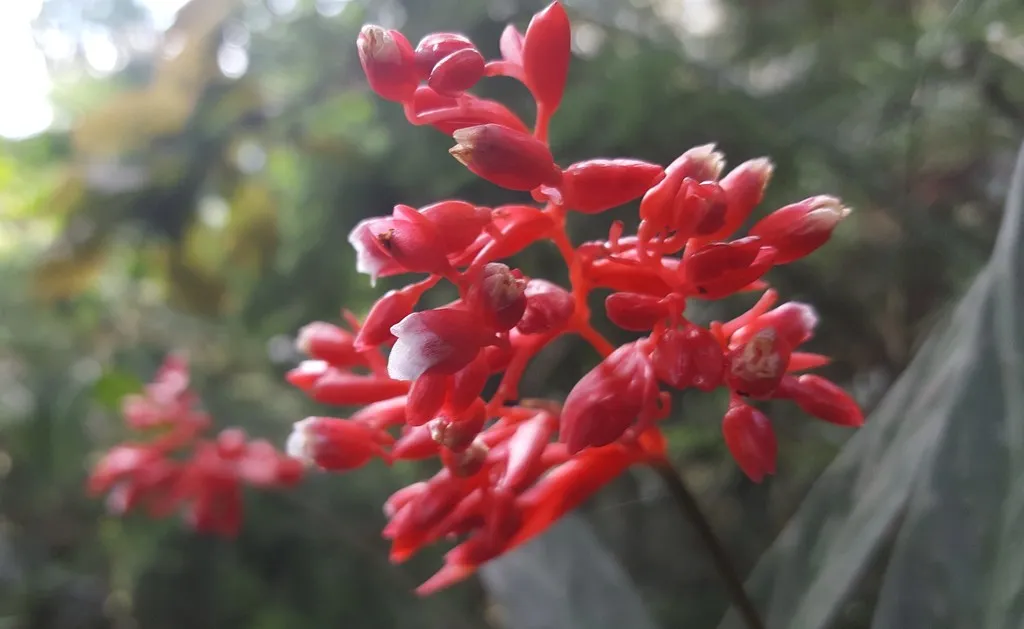
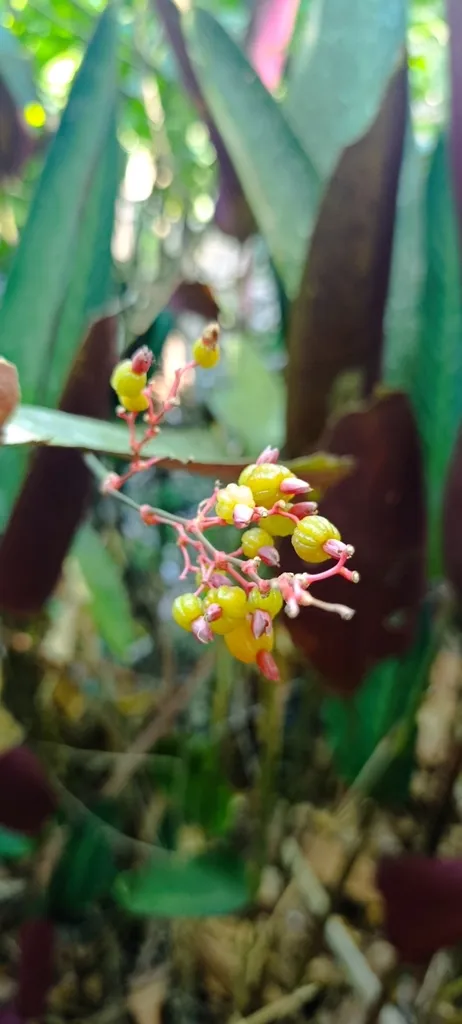
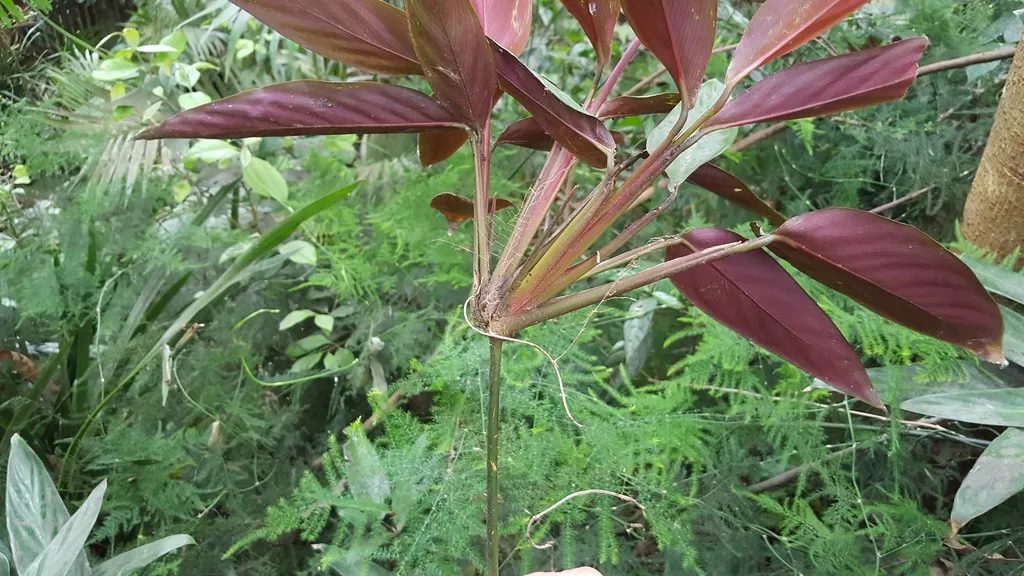
| Care difficulty | 4 / 5 |
|---|---|
| Watering schedule | Keep soil evenly moist, reduce in winter |
| Sunlight requirements | Bright indirect light |
| Ideal temperature | 18 – 27 °C |
| Soil type | Loam · Peat |
| Soil pH | Acid |
| Soil moisture | Moist but well drained |
| Fertilizing | Monthly during growing season (spring to autumn) |
| Toxicity | Non-toxic to humans and pets. |
How to Water Stromanthe?
Originating from the understory of tropical rainforests, tricolor stromanthe thrives in high humidity environments and is accustomed to the moist, well-drained soil found there. This species exhibits a preference for consistent moisture but can tolerate short periods of dryness. It's best to maintain a watering schedule of once every week to mimic its natural habitat conditions. Tricolor stromanthe is typically grown indoors where it can be shielded from harsh conditions and provided with adequate water to support its vibrant foliage. During the growing season, ensuring that tricolor stromanthe receives sufficient water is crucial for maintaining its decorative appeal.
Learn more →What Are the Sunlight Requirements for Stromanthe?
Tricolor stromanthe thrives in partial sun conditions, where the gentle intensity of sunlight promotes vibrant leaf coloration and robust health. While they can tolerate full shade, excessive shading may lead to less dynamic foliage and subdued growth. Ideally, tricolor stromanthe prefers bright, indirect light, avoiding the harshness of direct midday rays, which might scorch its leaves. When grown indoors, placing tricolor stromanthe near a north or east-facing window offers ideal lighting. Outdoors, it's best to plant tricolor stromanthe in a spot with dappled sunlight to maintain its ornamental appeal and vitality.
Learn more →What Is the Ideal Temperature Range for Stromanthe?

Tricolor stromanthe is moderately resilient but sensitive to extreme temperature fluctuations. It can tolerate a range from 5℃ (41℉) to 43℃ (109℉). However, temperatures outside this range can stress the plant. Cold exposure can result in leaf browning and wilting, while extreme heat may cause leaf curling and discoloration. Care for tricolor stromanthe involves protecting it from frost in colder climates and providing shade and adequate hydration during heatwaves. Countermeasures against overcooling include using frost cloths and moving the plant indoors, while overheating can be mitigated by increased watering and using fans for ventilation.
Learn more →What Soil Is Best for Stromanthe?
To ensure tricolor stromanthe thrives, prioritize well-draining soil. Mix potting soil with perlite or coarse sand to enhance aeration and prevent water-logging. Use slightly acidic soil; if using garden soil, combine with organic matter like peat moss. Regularly feed with a balanced liquid fertilizer during the growing season for optimal growth. This mix ensures adequate drainage and nutrient availability for tricolor stromanthe.
- Soil type
- Loam · Peat
- Soil pH
- Acid
What Are the Moisture Requirements for Stromanthe?
Moist but well drained
Learn more →How to Fertilize Stromanthe?

For tricolor stromanthe, fertilize every 4 weeks in spring-summer with high-nitrogen liquid fertilizer at half-strength to boost foliage vibrancy and plant vigor. Reduce to every 6-8 weeks in fall-winter. Over-fertilizing can cause leaf burn; flush soil periodically to prevent salt buildup. Avoid fertilizing a dry plant to prevent root damage.
Learn more →How to Prune Stromanthe?

Tricolor stromanthe, known for its vibrant foliage, benefits from pruning in early spring. Trim faded or yellow leaves at the base to promote new growth. Avoid heavy pruning; instead, focus on cutting back dead or damaged leaves. Pruning helps maintain a healthy plant and enhances its striking appearance. Ensure you're using sharp, clean tools to prevent infections. Regularly checking for pests and diseases improves overall health.
Learn more →How to Propagate Stromanthe?

The ideal propagation season for tricolor stromanthe is during the Spring and Autumn through the preferred method of division. Propagation tends to be moderate in difficulty, with successful signs including vigorous new growth. Keep the divided plants well-watered and avoid direct sunlight initially.
Learn more →How to Transplant Stromanthe?
For the best results when transplanting tricolor stromanthe, aim for warm months like early to late summer. This vibrant perennial thrives in partial to full shade conditions. To ensure a successful transplant, choose a location with rich, well-draining soil. Happy planting!
Learn more →How to Care for Stromanthe in Winter?

Tricolor stromanthe originates from Brazil's tropical rainforests, naturally adapted to warm and humid conditions. In winter, tricolor stromanthe goes into dormancy, reducing its growth, but cannot tolerate frost or direct cold winds. To over-winter, it needs regulated indoor conditions with maintained humidity and temperature. Minimized waterings and a pause in fertilizing help avoid stress on tricolor stromanthe during its resting phase.
Learn more →How to Plant Stromanthe?
Indoors-potted: Ensure tricolor stromanthe has ample space to showcase its vibrant foliage; rotate the pot periodically for uniform growth. Outdoors-potted: Tricolor stromanthe thrives in sheltered outdoor spots, avoiding harsh conditions that can dull its striking leaves. Outdoors-in the ground: Plant tricolor stromanthe in a location where it's protected from strong winds which can damage its delicate leaves.
Learn more →How to Repot Stromanthe?
Spring is the ideal season for repotting tricolor stromanthe, a vibrant, bushy plant that grows upright with a splash of color. Every 3-4 years, choose a pot 1-2 inches larger in diameter to accommodate growth without crowding. Ensure proper drainage to prevent root rot. After repotting, keep tricolor stromanthe in indirect sunlight and maintain consistent moisture for best recovery and growth.
Learn more →Common Pests & Diseases

Diseases
Susceptible to root rot if overwatered; leaf spot may occur in poor air circulation.
Pests
May be attacked by spider mites, mealybugs, and aphids.
Explore the plant health library →The Toxicity of Stromanthe
Non-toxic to humans and pets.