
Stromanthe
Also known as: Triostar Stromanthe, Purple Stromanthe
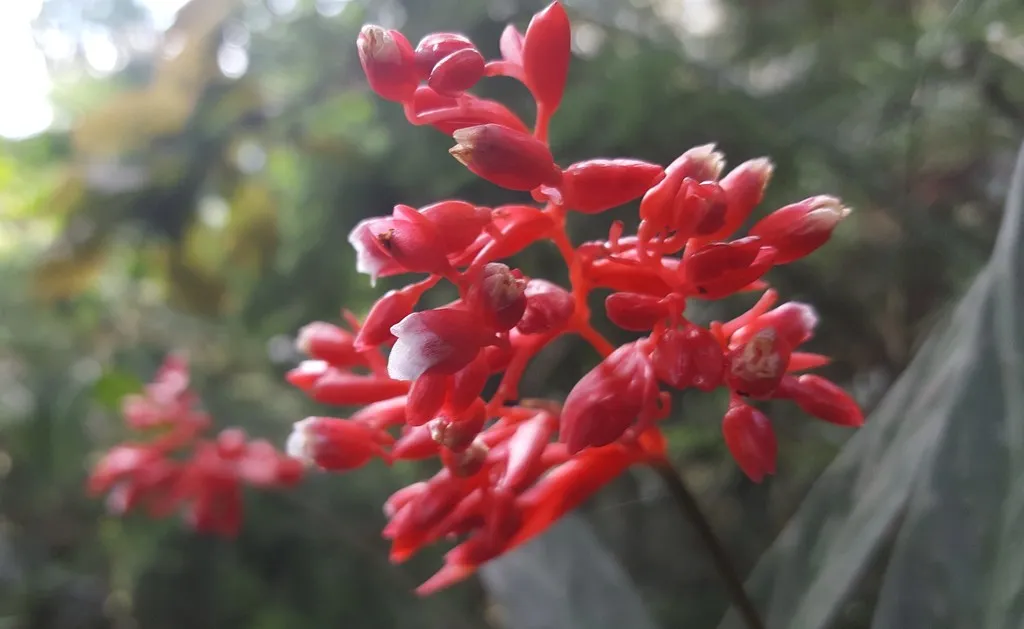
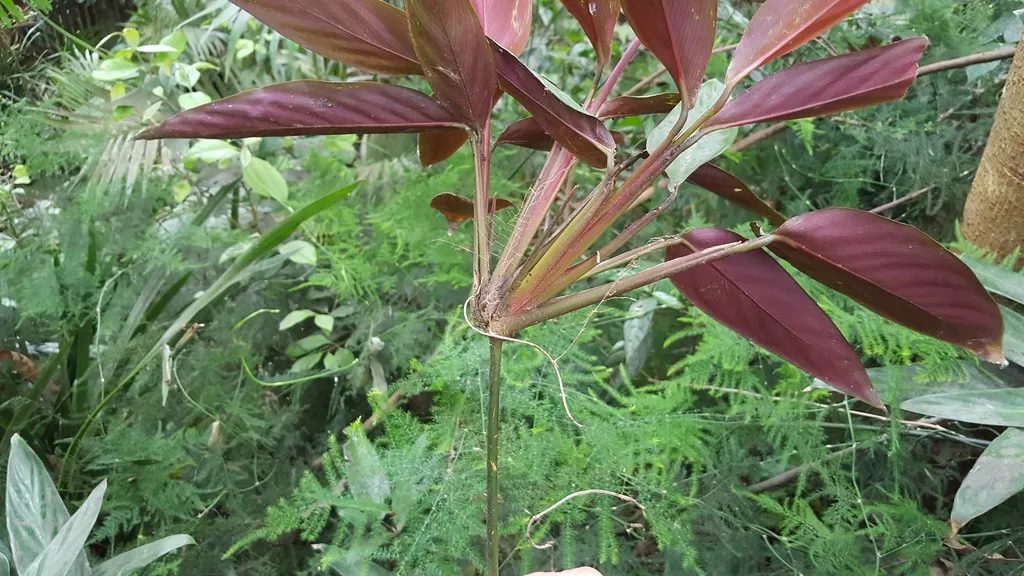
Stromanthe thalia is a clump-forming evergreen perennial with striking foliage. The elongated leaves are dark green with silver-white or pale pink stripes on the upper surface and a deep burgundy underside. It typically grows 30–60 cm tall and wide, making it an excellent choice for indoor displays.
Scientific classification
- Species
- Stromanthe (Stromanthe thalia)
- Genus
- Information to be completed
- Family
- Marantaceae
- Non-toxic to humans and pets.
- Toxicity
- Foliage · Houseplants · Perennial
- Plant type
- 0.3 - 0.6 metres
- Height
- 0.3 - 0.6 metres
- Spread
- Evergreen
- Foliage
- Upright · Clump forming
- Habit
- Spring · Summer
- Season of interest
- Bright indirect light
- Sunlight
- 18 – 27 °C
- Ideal temperature









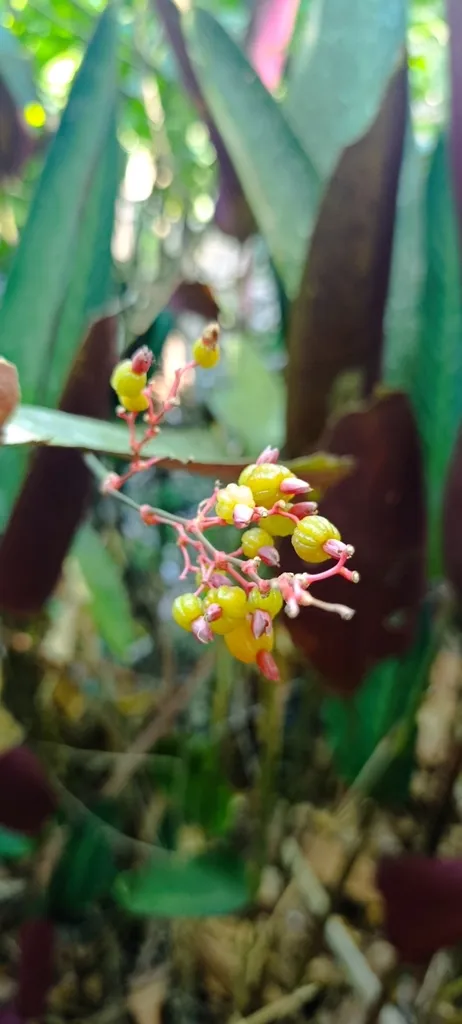
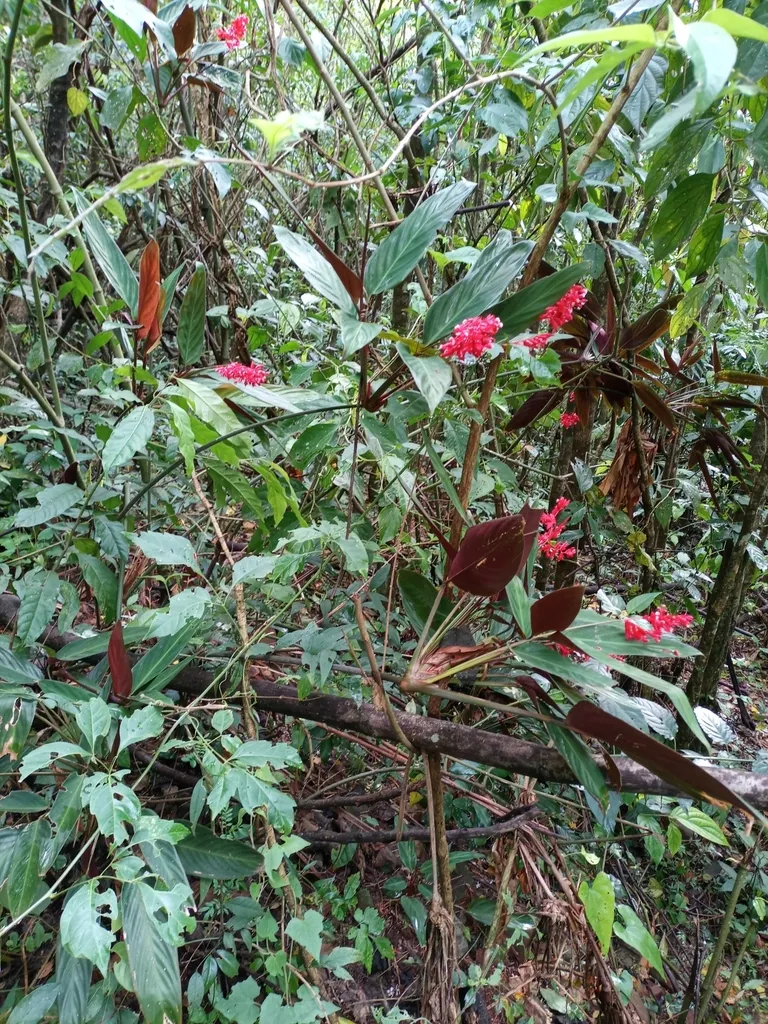
Stromanthe pictures
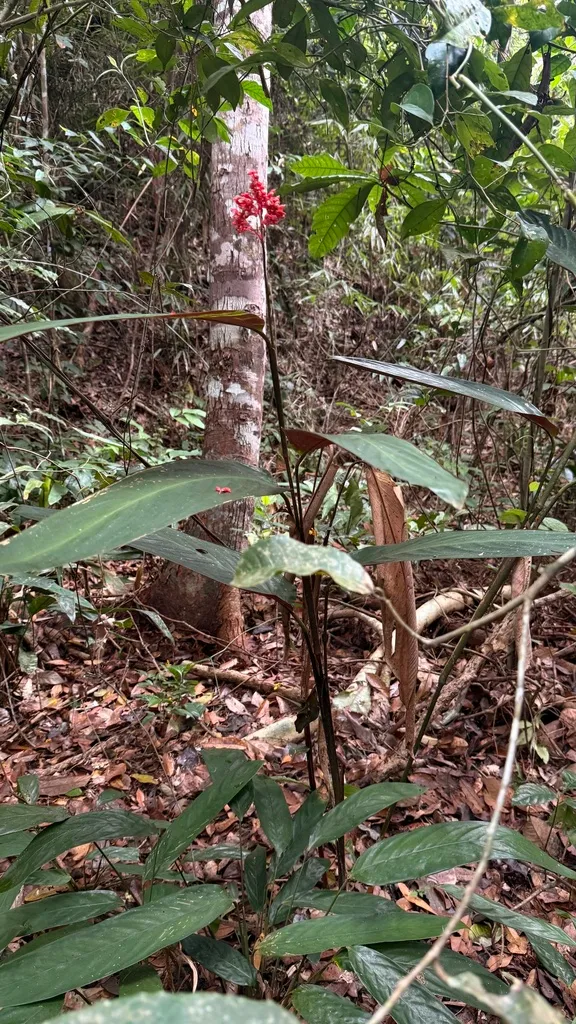
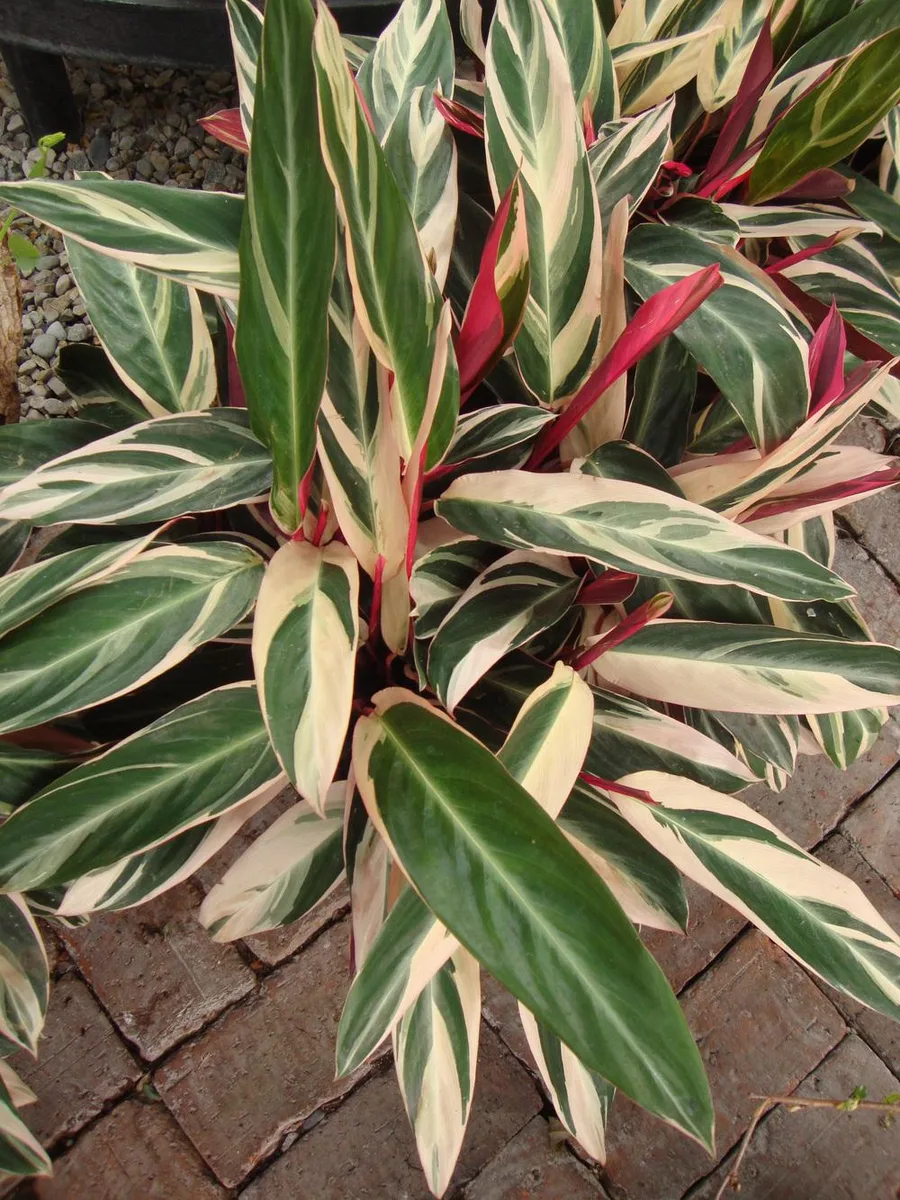
Distribution of Stromanthe
Distribution map
- Native
- Introduced
- Cultivated
Source:WCVP v16 · Royal Botanic Gardens, Kew · CC BY 3.0 · Boundaries:WGSRPD / TDWG
Toxicity
Non-toxic to humans and pets.
Stromanthe care guide
- Keep soil evenly moist, reduce in winter
- Watering
- Bright indirect light
- Sunlight
- 18 – 27 °C
- Ideal temperature

Watering
Keep soil evenly moist, reduce in winter
Fertilizing
 Fertilizing
Monthly during growing season (spring to autumn)
Pruning
 Pruning
Remove yellow or damaged leaves at the base as needed to maintain appearance.
Propagation
 Propagation
Propagate by division in spring. Carefully separate rhizomes and pot up each division individually. Keep the new plants in a warm, humid environment until established.
Growing
 Growing
Grow in bright, indirect light; avoid direct sunlight which can scorch the leaves. Keep the soil consistently moist but not waterlogged, using a well-draining mix. Maintain high humidity by misting or placing on a pebble tray. Fertilize monthly during the growing season (spring to autumn) with a balanced liquid fertilizer. In winter, reduce watering and stop fertilizing. Minimum temperature should not drop below 15°C.
Common pests and diseases
Diseases
Susceptible to root rot if overwatered; leaf spot may occur in poor air circulation.
Pests
May be attacked by spider mites, mealybugs, and aphids.
Explore the plant health library →




