



Planting and Growing Siam tulip

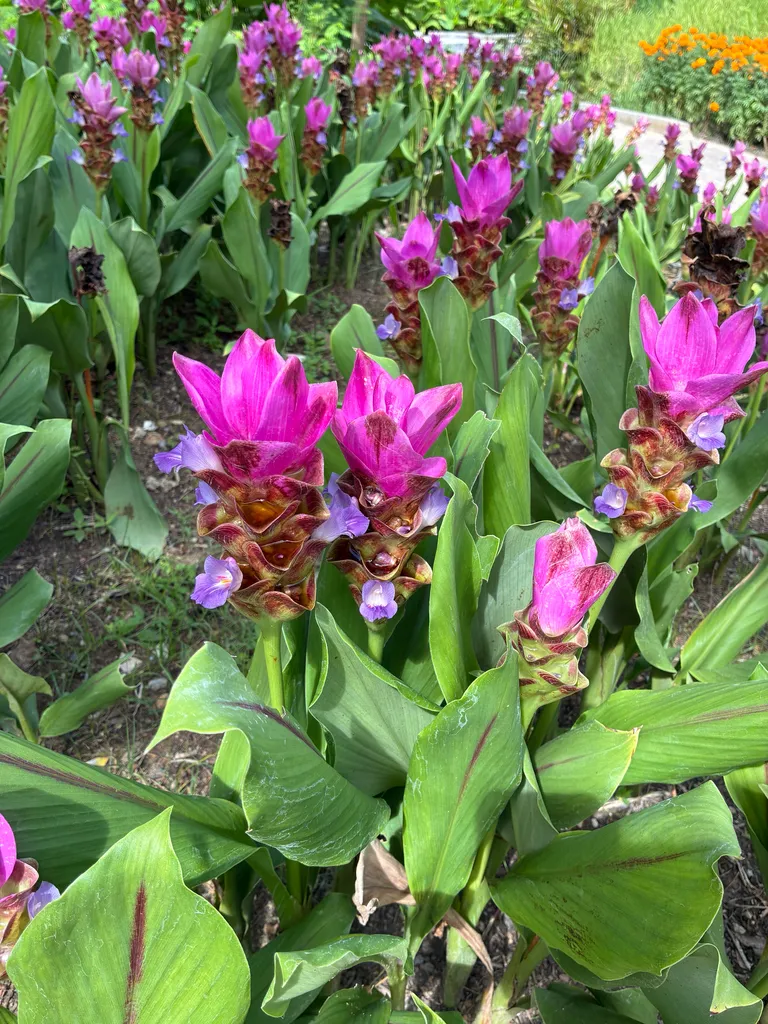
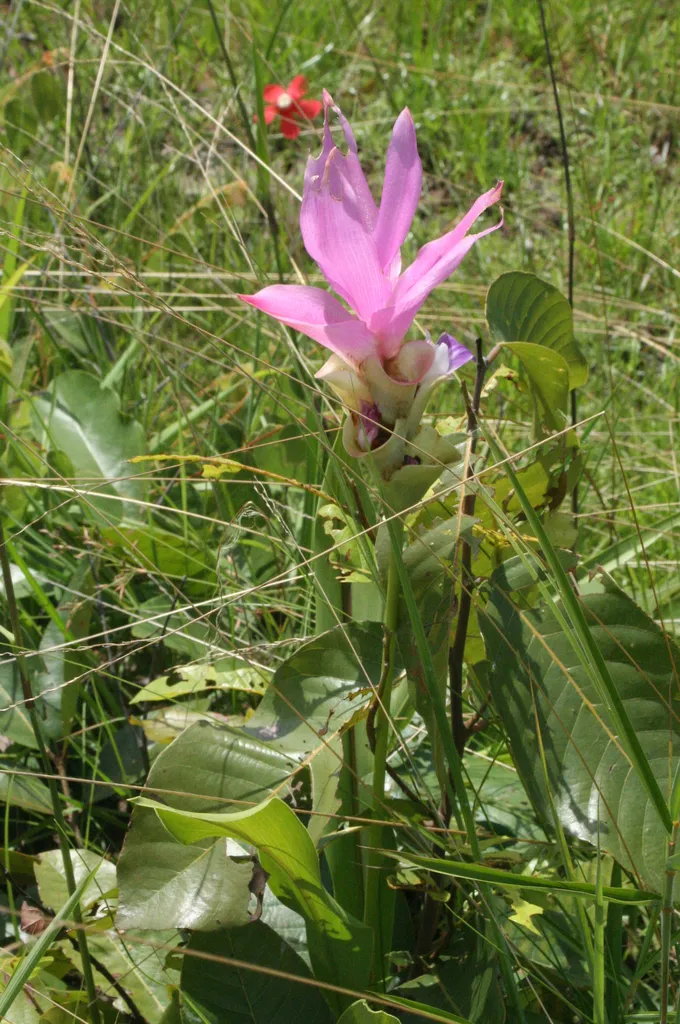
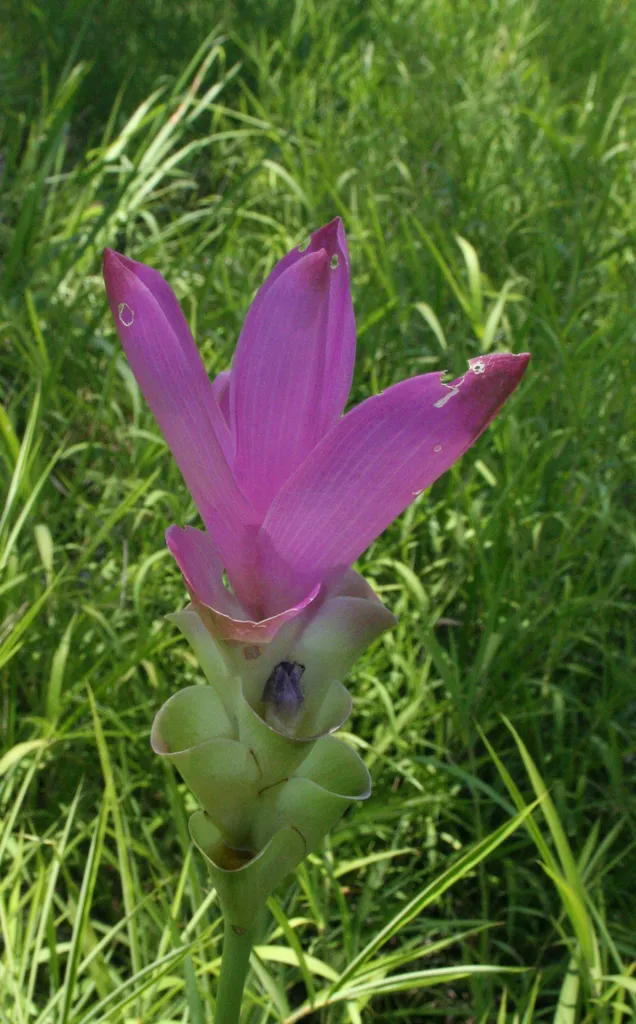
| Care difficulty | 3 / 5 |
|---|---|
| Watering schedule | Keep soil consistently moist during growing season; reduce watering in winter dormancy. |
| Sunlight requirements | Partial shade · Bright indirect light |
| Ideal temperature | 20 – 30 °C |
| Soil type | Loam · Sand |
| Soil pH | Acid · Neutral |
| Soil moisture | Moist but well drained |
| Fertilizing | Every 2 weeks during growing season with a balanced liquid fertilizer. |
| Toxicity | Non-toxic to humans and pets. |
How to Water Siam tulip?
Originating from the tropical woodlands of Southeast Asia, siam tulip thrives in high humidity and consistently moist soil conditions, reflecting its rainforest heritage. It has a moderate tolerance for drought but prefers a steady moisture balance. Watering should be maintained every week to mimic its natural environment. Given that siam tulip is predominantly an indoor ornamental plant, it benefits greatly from regular misting to emulate the humid climate it originates from, ensuring vibrant flowering during its growing season.
Learn more →What Are the Sunlight Requirements for Siam tulip?
Siam tulip thrives under partial sun, where it receives filtered or indirect light conducive to robust growth and bloom. While capable of tolerating full sun, extended exposure may stress siam tulip, potentially leading to leaf scorch and suboptimal flowering. In its natural habitat, siam tulip exhibits adaptability by altering leaf angle to manage light intake, a trait beneficial in various lighting scenarios. When grown indoors, siam tulip should be placed near a window with bright, indirect light. Outdoors, an east-facing garden with morning light and afternoon shade is ideal to maintain siam tulip's vitality and enhance its floral display.
Learn more →What Is the Ideal Temperature Range for Siam tulip?

Siam tulip is moderately sensitive to temperature fluctuations. It can tolerate temperatures as low as 0℃ (32℉) and as high as 43℃ (109℉). During cold spells, siam tulip may suffer from leaf damage, wilting, or stunted growth; in heat, it can exhibit scorched leaves and dehydration. These tolerances necessitate protective measures like frost cloths in winter and adequate watering or shading during extreme heat. If overcooled, move siam tulip to a warmer spot; if overheated, ensure sufficient hydration and shade. This adaptability makes siam tulip suitable for temperate climates with some adjustments.
Learn more →What Soil Is Best for Siam tulip?
For optimal growth, siam tulip requires well-draining soil to prevent water-logging. A suitable soil mix can be created by combining garden soil with equal parts perlite or coarse sand. Ensure good aeration by avoiding compacted soils. Adding organic matter, like compost, enhances soil quality. Fertilize monthly with a balanced liquid fertilizer during the growing season to support healthy growth.
- Soil type
- Loam · Sand
- Soil pH
- Acid · Neutral
What Are the Moisture Requirements for Siam tulip?
Moist but well drained
Learn more →How to Fertilize Siam tulip?

For siam tulip, optimal fertilization enhances growth and blooms. Use high-phosphorus fertilizer specifically designed for blooming plants. Apply every 4-6 weeks during the active growing season (spring-summer), following package instructions for dosing. Reduce frequency in fall and withhold in winter when siam tulip goes dormant. Over-fertilization can harm siam tulip; ensure soil is moist before applying to avoid root burn. In the growth phase, consistent feeding supports robust development; however, during dormancy, siam tulip's nutritional needs diminish. Novices should start with a half-strength mixture to prevent overfeeding. Experienced gardeners can adjust based on siam tulip's response and environmental factors.
Learn more →How to Prune Siam tulip?

Siam tulip, known for its striking blossoms and lush foliage, benefits from pruning in early spring or later winter. Remove dead or damaged leaves to promote healthy growth and improve air circulation. Trim spent flowers to encourage further blooming. Cut back old foliage after the flowering season to rejuvenate the plant. These practices not only maintain siam tulip's aesthetic appeal but also enhance its overall vitality and disease resistance, ensuring a vibrant garden display.
Learn more →How to Propagate Siam tulip?

The propagation of siam tulip involves dividing and planting its tubers during Spring. This process is relatively easy, with successful roots and shoots being indicative of proper growth. Ensure tubers are healthy and free of rot or damage.
Learn more →How to Transplant Siam tulip?
The perfect time to transplant siam tulip is during the heart of spring, as the mild temperatures promote healthy root growth. Choose a location with well-draining soil, and partial shade to protect siam tulip from the harsh sun. Gently loosen roots before transplanting to encourage better establishment.
Learn more →How to Care for Siam tulip in Winter?

Originating from Southeast Asia's tropical climates, siam tulip escapes traditional winter woes. Still, gardeners find themselves enacting 'faux winter' hiatuses for siam tulip's dormancy stage. It entails easing on irrigation and providing cooler conditions. This simulates siam tulip's natural dry season, which roughly corresponds to Western winters. After enduring this 'winter', siam tulip bursts back to life come spring delightfully, a testament to nature's resilience.
Learn more →How to Plant Siam tulip?
Indoors-potted: Keep your siam tulip thriving indoors by ensuring good air circulation to mimic its breezy native habitat, promoting healthy foliage. Outdoors-potted: When potted outside, rotate your siam tulip occasionally to ensure uniform growth and avoid leaning towards the light source. Outdoors-in the ground: In the garden, allow room for your siam tulip to spread out, as it enjoys expanding its beautiful blooms outward.
Learn more →How to Repot Siam tulip?
Siam tulip, a striking herbaceous perennial, typically requires repotting every 2-3 years due to its moderate growth rate. Best repotted in spring, the beginning of its growing season, to accommodate its fresh growth. Select a container a few inches larger to promote a healthy root system. Post-repotting, siam tulip thrives with consistent moisture and indirect light. A well-draining pot safeguards against root rot, pivotal for its care.
Learn more →Common Pests & Diseases

Diseases
Susceptible to root rot if overwatered or grown in poorly drained soil; ensure good drainage and avoid standing water.
Pests
May be affected by aphids, spider mites, and thrips, especially when grown indoors; regular inspection and prompt treatment are recommended.
Explore the plant health library →Troubleshooting
Yellowing Leaves, Dormancy Dieback, or Underground Rot
Siam tulip (Curcuma alismatifolia) grows from fleshy underground rhizomes with storage tubers with distinct active and resting phases; distinguish natural seasonal dormancy from waterlogged rot.
| What you notice | Possible explanation | What to check next |
|---|---|---|
| Leaves turn yellow and die back after blooming or at season's end while underground storage organs remain firm | Normal post-bloom or seasonal dormancy as energy returns underground | Gently feel the crown or rhizome/bulb top to verify it is hard and dry rather than mushy |
| Leaves yellow prematurely and collapse with a soft, foul-smelling base | Basal rot or rhizome rot caused by waterlogged soil during cool weather or dormancy | Check drainage and inspect underground storage organs for soft decay |
| Pink lotus-like flower bracts turn green and fade in late summer while leaves remain green | Natural aging of ornamental bracts before autumn dormancy | Confirm that foliage remains healthy while bracts fade |
- Keep green foliage growing after flowering—continuing light watering and feeding until leaves yellow naturally—so underground storage organs recharge for next season.
- Reduce watering sharply once foliage yellows into dormancy, keeping dormant storage organs frost-free.
- Grow in warm, bright filtered light or partial sun with even moisture during summer, then reduce water sharply in autumn as leaves yellow into winter dormancy.
Discard bulbs, corms, or rhizomes with soft, foul-smelling rot immediately so disease does not spread.
Do not water dormant Curcuma rhizomes heavily in winter, as cold wet soil rots resting tubers.
Spider Mites, Aphids, or Leaf Scorch
Warm indoor rooms and dry summer heat can invite spider mites or scorch leaves if moisture and light fluctuate abruptly.
| What you notice | Possible explanation | What to check next |
|---|---|---|
| Fine webbing, pale stippling, or bronzed leaf undersides | Spider mites or aphids, especially in warm dry indoor/conservatory air | Inspect leaf undersides closely and wipe with a damp cloth |
| Dry brown leaf margins or bleached patches | Low ambient humidity, dry soil during peak heat, or sudden direct midday sun | Check soil moisture and afternoon shade protection |
- Water consistently during warm active growth and maintain good humidity around indoor or container specimens.
- Isolate pest-affected containers, rinse leaf undersides gently with water, and treat persistent spider mites or aphids with insecticidal soap per label instructions.
- Divide overcrowded rhizomes or corms in spring as new growth resumes.
Ensure containers have open drainage holes and never sit in stagnant water during cool weather.
The Toxicity of Siam tulip
Non-toxic to humans and pets.