
Siam tulip
Also known as: Siam tulip, Thai tulip, Summer tulip, Curcuma tulip
Curcuma alismatifolia, commonly known as Siam tulip, is a tropical herbaceous perennial with elongated, lance-shaped leaves that emerge from underground rhizomes. Its inflorescence consists of showy pink to purple bracts arranged in a cone shape, resembling a lotus flower, atop a slender stem. The plant typically reaches 30–60 cm in height and blooms from mid-summer to autumn, providing a long-lasting exotic display. The true flowers are small and hidden within the colorful bracts.
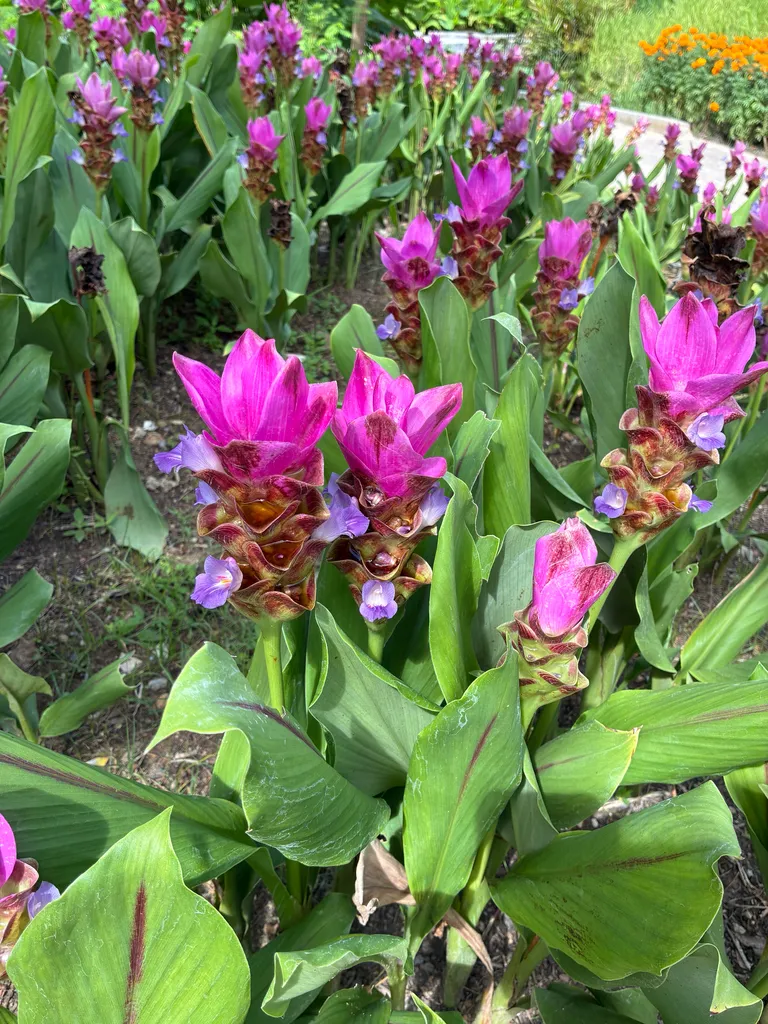
Scientific classification
- Species
- Siam tulip (Curcuma alismatifolia)
- Genus
- Information to be completed
- Family
- Zingiberaceae
- Non-toxic to humans and pets.
- Toxicity
- Herbaceous Perennial · Bulbs · Houseplants
- Plant type
- 0.3 - 0.6 metres
- Height
- 0.3 - 0.5 metres
- Spread
- Deciduous
- Foliage
- Upright · Clump forming
- Habit
- Summer
- Season of interest
- Partial shade · Bright indirect light
- Sunlight
- 20 – 30 °C
- Ideal temperature









Siam tulip pictures
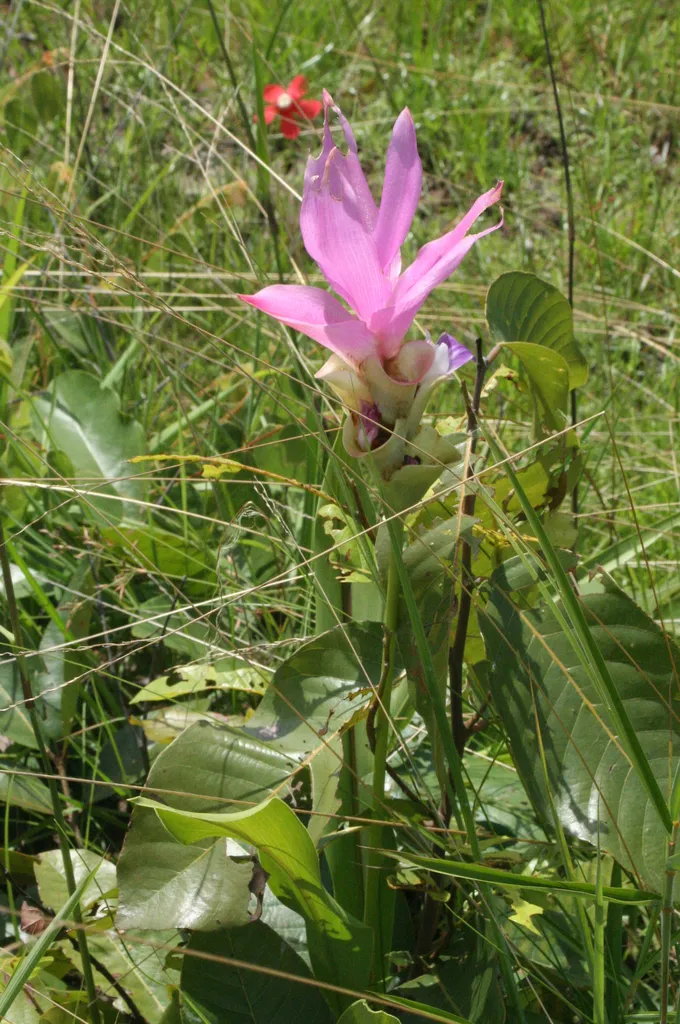
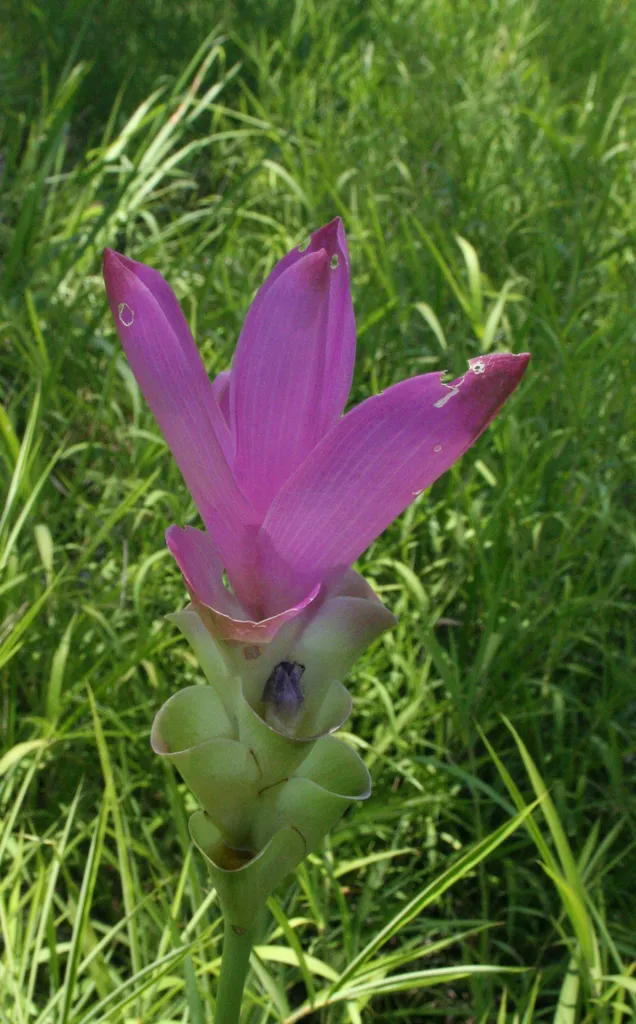
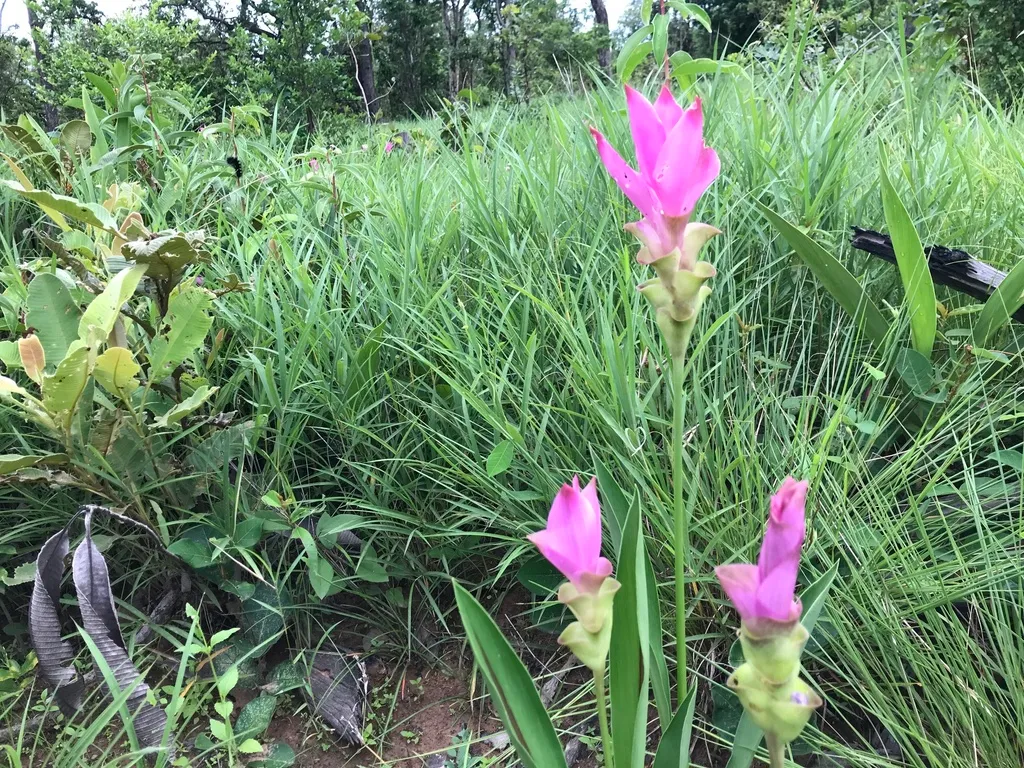
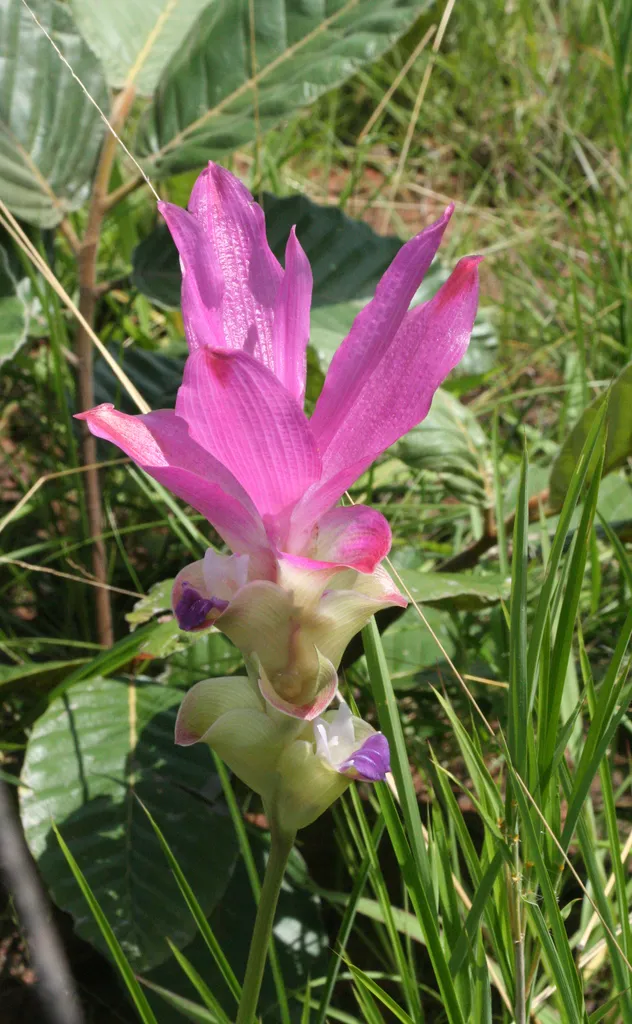
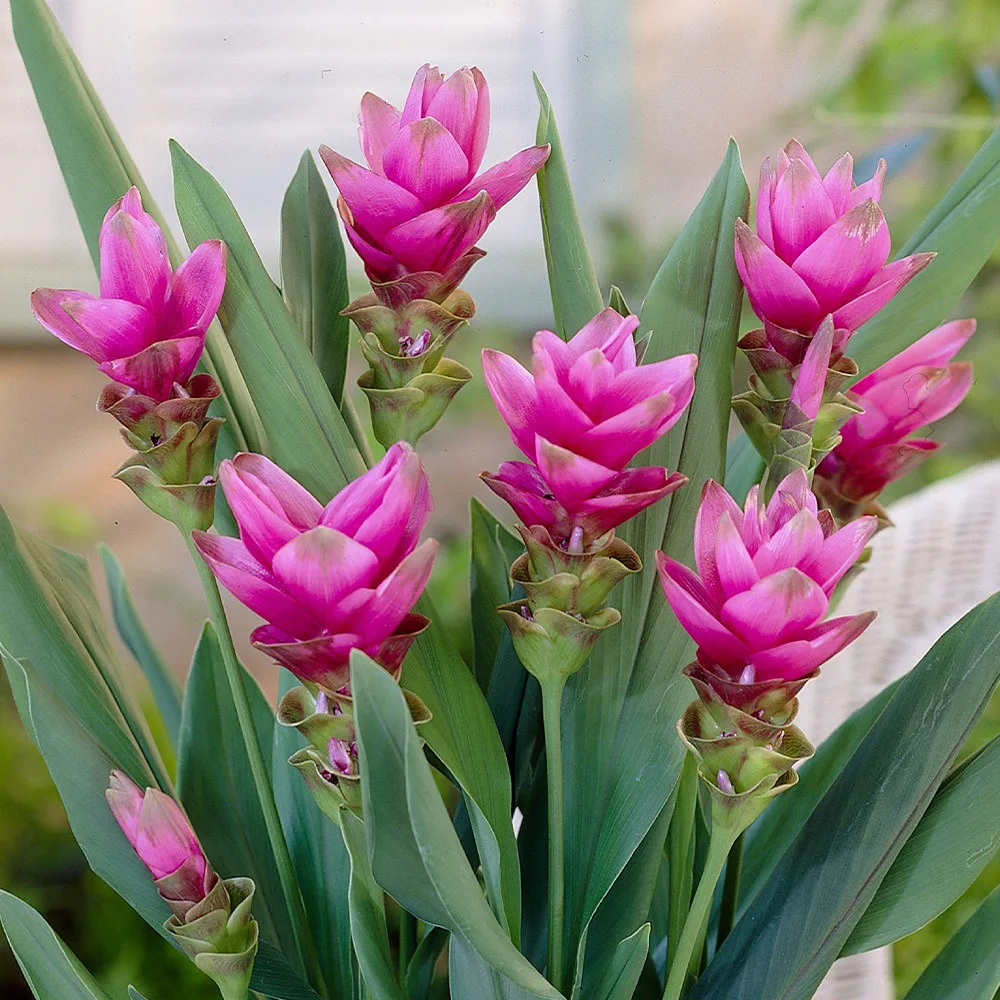
Distribution of Siam tulip
Distribution map
- Native
- Introduced
- Cultivated
Source:WCVP v16 · Royal Botanic Gardens, Kew · CC BY 3.0 · Boundaries:WGSRPD / TDWG
Toxicity
Non-toxic to humans and pets.
Siam tulip care guide
- Keep soil consistently moist during growing season; reduce watering in winter dormancy.
- Watering
- Partial shade · Bright indirect light
- Sunlight
- 20 – 30 °C
- Ideal temperature

Watering
Keep soil consistently moist during growing season; reduce watering in winter dormancy.
Fertilizing
 Fertilizing
Every 2 weeks during growing season with a balanced liquid fertilizer.
Pruning
 Pruning
Remove spent flower stems and yellowing leaves after flowering. Cut back to ground level when foliage dies back in autumn.
Propagation
 Propagation
Propagate by division of rhizomes in spring when new growth begins. Carefully separate the rhizome ensuring each division has at least one growing bud. Plant in a moist, well-drained potting mix and maintain temperatures of 20–25°C until new shoots appear. Alternatively, seed propagation is possible but less common.
Growing
 Growing
Grow in a warm, humid environment with bright indirect light. Use a well-drained, fertile potting mix rich in organic matter. Water regularly during the growing season, keeping the soil consistently moist but not waterlogged; reduce watering in winter when the plant enters dormancy. Apply a balanced liquid fertilizer every two weeks during active growth. Overwinter indoors at temperatures above 10°C; in frost-free regions it can be grown outdoors in a sheltered spot.
Common pests and diseases
Diseases
Susceptible to root rot if overwatered or grown in poorly drained soil; ensure good drainage and avoid standing water.
Pests
May be affected by aphids, spider mites, and thrips, especially when grown indoors; regular inspection and prompt treatment are recommended.
Explore the plant health library →




