



Planting and Growing Morrow's sedge

| Care difficulty | 2 / 5 |
|---|---|
| Watering schedule | Keep soil consistently moist but not waterlogged |
| Sunlight requirements | Partial shade · Full shade |
| Ideal temperature | 15 – 25 °C |
| Soil type | Loam · Sand · Clay |
| Soil pH | Acid · Neutral |
| Soil moisture | Moist but well drained |
| Fertilizing | Every 4–6 weeks during growing season |
| Toxicity | Non-toxic to humans and pets. |
How to Water Morrow's sedge?
Originating from the understory of East Asian forests, morrow's sedge is accustomed to consistent moisture levels and partial shade. This species thrives in environments that mimic its native habitat's humidity, displaying a preference for evenly moist soil. Watering should be done once every week to maintain this balance. As an evergreen plant, morrow's sedge retains its foliage year-round, necessitating regular hydration even during colder months when indoor heating can reduce ambient moisture.
Learn more →What Are the Sunlight Requirements for Morrow's sedge?
Morrow's sedge thrives best under partial sun conditions, where it receives dappled or indirect light for the majority of the day. This level of light promotes robust growth and health. While morrow's sedge is adaptable to a range of light exposures, it tolerates both full shade and full sun environments. In full sun, however, there may be a risk of leaf scorch or faded foliage, whereas full shade can lead to reduced vigor and sparse growth. Ideally, morrow's sedge should be planted in garden locations that provide shelter from the harsh afternoon sun to maintain its vibrant color and dense form.
Learn more →What Is the Ideal Temperature Range for Morrow's sedge?

Morrow's sedge shows significant resilience to temperature variations, tolerating cold down to 0℃ (32℉) and heat up to 38℃ (100℉). Its adaptability makes it suitable for diverse environments, reducing the need for extensive protective measures. However, care requirements may increase under extreme conditions. Symptoms of stress include browning leaves during high heat and slowed growth or dieback in extreme cold. For overheating, provide shade and increase watering; for overcooling, use mulch or coverings. These measures help maintain the health of morrow's sedge through temperature extremes.
Learn more →What Soil Is Best for Morrow's sedge?
Morrow's sedge thrives in well-draining soil. A mix of garden soil with added sand or perlite ensures good aeration and prevents water-logging. To enhance growth, incorporate a slow-release balanced fertilizer at the start of the growing season. Supplement with organic matter like compost to improve soil structure and fertility.!
- Soil type
- Loam · Sand · Clay
- Soil pH
- Acid · Neutral
What Are the Moisture Requirements for Morrow's sedge?
Moist but well drained
Learn more →How to Fertilize Morrow's sedge?

For morrow's sedge, use lawn or turf fertilizers sparingly in early spring to bolster growth. These fertilizers contain balanced nutrients optimized for grass-like plants, lending vigor and enhancing stress tolerance. Depending on local climate, additional feeding may benefit morrow's sedge in late summer but avoid late fall applications to prevent frost damage. A light hand is key; over-fertilization can harm morrow's sedge's root system and local ecosystems. Seasonal variations influence morrow's sedge's needs; young plants require more frequent fertilization to establish themselves. Employ slow-release formulas to provide sustained nourishment and minimize runoff. Always follow manufacturer instructions for dosage.
Learn more →How to Prune Morrow's sedge?

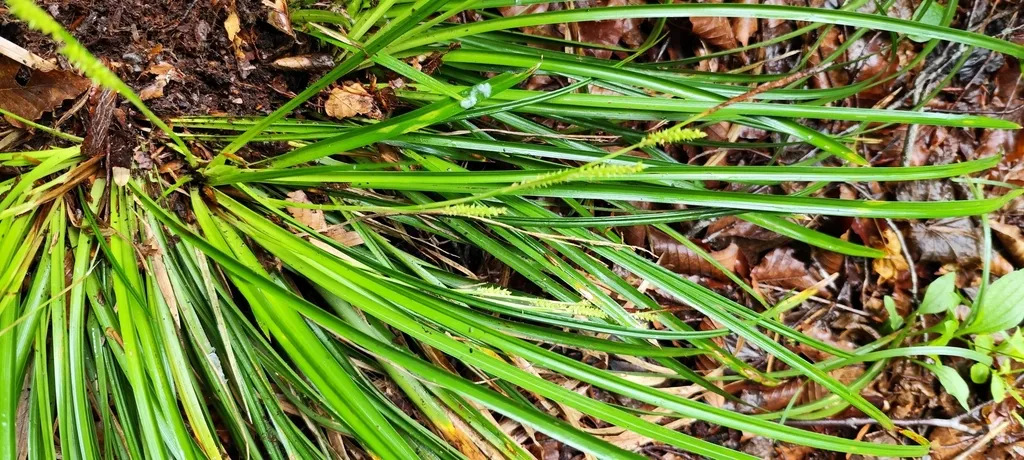
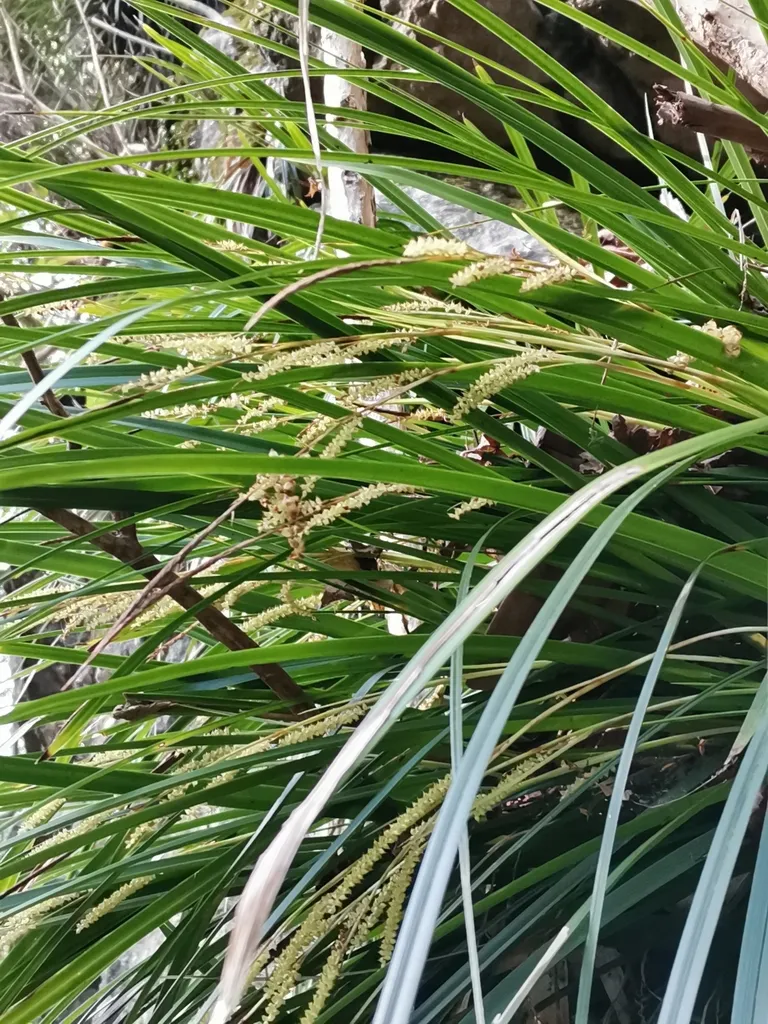
Morrow's sedge boasts variegated, grass-like foliage and is commonly used in garden landscapes. Pruning should be done in early to later spring at the onset of new growth. Trim back old and damaged foliage to promote healthy new shoots and maintain its attractive appearance. Regular pruning helps prevent overgrowth and encourages denser clumping. Ensure clean, sharp tools are used to minimize plant stress and prevent disease. Pruning also enhances air circulation, reducing the risk of fungal infections.
Learn more →How to Propagate Morrow's sedge?

Morrow's sedge is effectively propagated through division. This method involves separating the dense clumps that form at the base of the mature plant. Careful handling is essential to maintain the root integrity during the division process. Once divided, the individual sections should be replanted promptly, ensuring that they are placed at the same soil depth as before to encourage successful establishment. Optimum growth is observed when divisions are given adequate moisture and placed in well-draining soil.
Learn more →How to Transplant Morrow's sedge?
The best time to transplant morrow's sedge is during the warmer embrace of late spring to summer, ensuring the roots settle well before winter. Choose a site with dappled shade and moist, well-drained soil for these perennials to thrive.
Learn more →How to Plant Morrow's sedge?
Grow Carex morrowii in partial to full shade in moist but well-drained soil. It tolerates a range of soil types including clay, loam and sand, and prefers a neutral to acid pH. Water regularly to keep the soil consistently moist, especially during dry spells. Apply a balanced liquid fertilizer every 4–6 weeks during the growing season. In early spring, cut back old foliage to allow new leaves to emerge. This sedge is hardy and generally disease-free, but may be damaged by slugs or aphids occasionally. Protect from harsh afternoon sun to prevent leaf scorch.
Learn more →How to Repot Morrow's sedge?
Repot morrow's sedge every 2-3 years, typically in spring to accommodate its moderate growth cycle. As an evergreen groundcover, morrow's sedge thrives with more room. Choose a container only slightly larger than the current, ensuring good drainage. After repotting, maintain consistent moisture and avoid direct sunlight to allow morrow's sedge to establish itself in its new home comfortably.
Learn more →Common Pests & Diseases

Diseases
Generally disease-free; occasional leaf spot may occur in overly wet conditions.
Pests
Susceptible to aphids and slugs, especially in damp environments.
Explore the plant health library →Troubleshooting
Leggy Stems, Sparse Flowering, or Root Rot
Morrow's sedge (Carex morrowii) performs best in well-drained soil with appropriate sunlight and regular deadheading; soggy soil rots roots, while low light or skipped pinching causes leggy growth.
| What you notice | Possible explanation | What to check next |
|---|---|---|
| Stems stretch tall and floppy with sparse blooms | Insufficient direct sunlight, lack of early-season pinching/deadheading, or excess high-nitrogen fertilizer | Assess daily sun hours and check whether spent flowers are left to set seed |
| Lower leaves turn yellow and plant wilts while soil stays wet and heavy | Root or stem rot from overwatering or poor drainage (Generally disease-free; occasional leaf spot may occur in overly wet conditions.) | Check soil drainage and ensure containers have open drainage holes |
- Grow in fertile, well-drained soil in partial shade or full shade, spacing plants for good airflow.
- Water consistently without waterlogging: Keep soil consistently moist but not waterlogged.
- Maintain compact flowering growth: Cut back old or damaged foliage in early spring before new growth begins to keep the plant tidy and encourage fresh leaves..
Stop watering waterlogged containers immediately and improve drainage before fungal root or stem rot spreads.
Powdery Mildew, Grey Mould, or Aphids and Slugs
Crowded foliage, dry root stress, or damp stagnant air can trigger mildew or grey mould on Morrow's sedge (Carex morrowii), while tender shoots attract pests.
| What you notice | Possible explanation | What to check next |
|---|---|---|
| White powdery coating on leaves, or fuzzy grey mold on damp spent flowers | Fungal disease (Generally disease-free; occasional leaf spot may occur in overly wet conditions.) favored by drought stress at the roots or wet, crowded foliage | Inspect lower leaves and spent blooms and check plant spacing |
| Distorted shoot tips with aphids/whiteflies, or ragged holes chewed in young leaves | Common pests (Susceptible to aphids and slugs, especially in damp environments.) | Check shoot tips, leaf undersides, and damp ground around the crown |
- Water at the base of the plant early in the day rather than overhead, and thin or divide congested clumps in spring or autumn.
- Remove mildewed leaves and faded flowers promptly, and clear plant debris at season's end.
- Manage aphids or whiteflies with a firm water spray or insecticidal soap per label directions, and protect young shoots from slugs.
Protect frost-tender bedding or subtropical perennials indoors or under glass before autumn frosts.
The Toxicity of Morrow's sedge
Non-toxic to humans and pets.