
Morrow's sedge
Also known as: Morrow's sedge, Japanese sedge
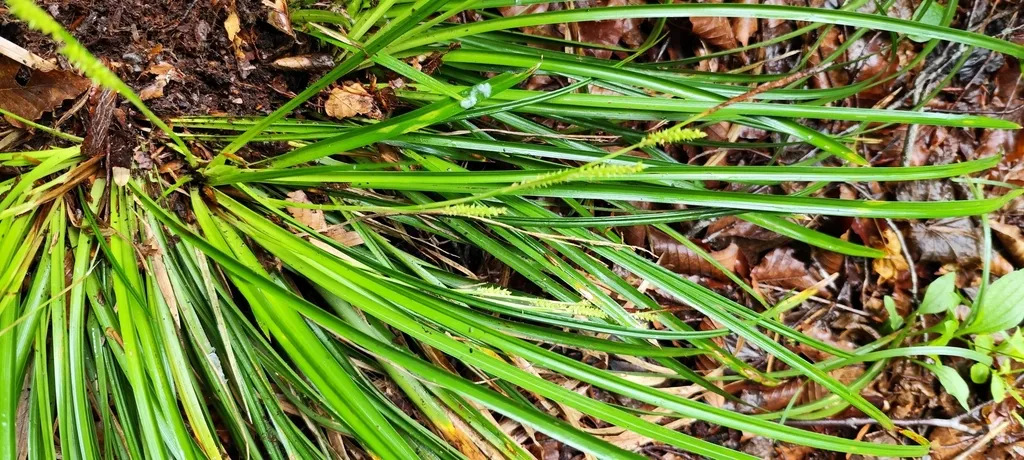
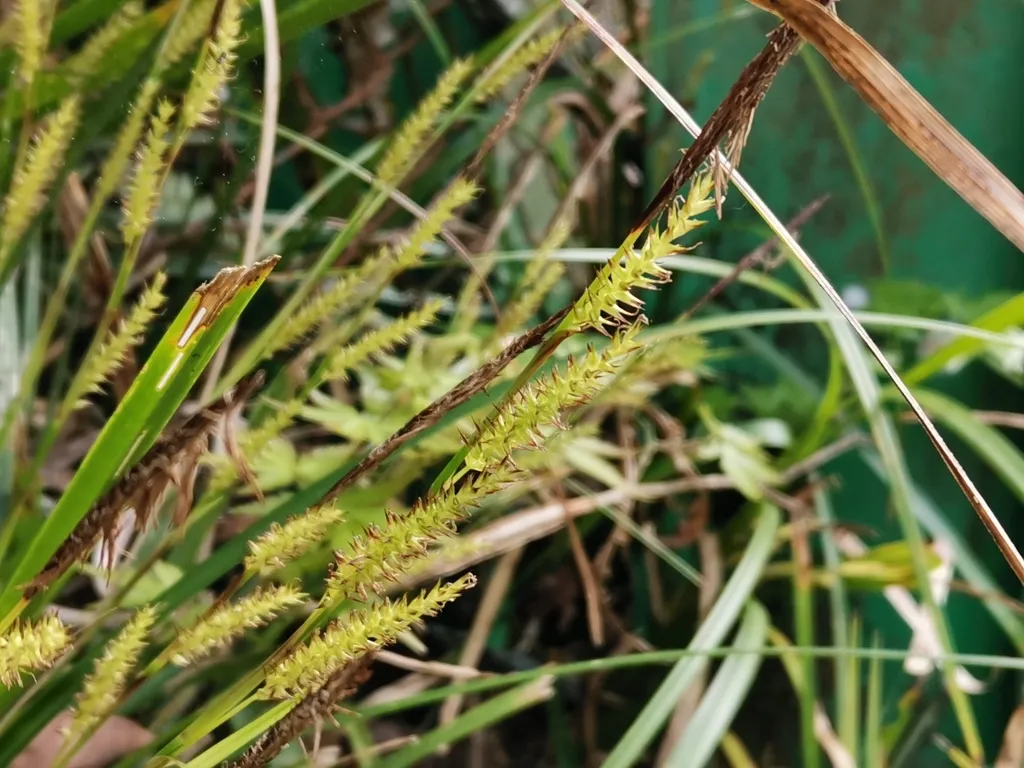
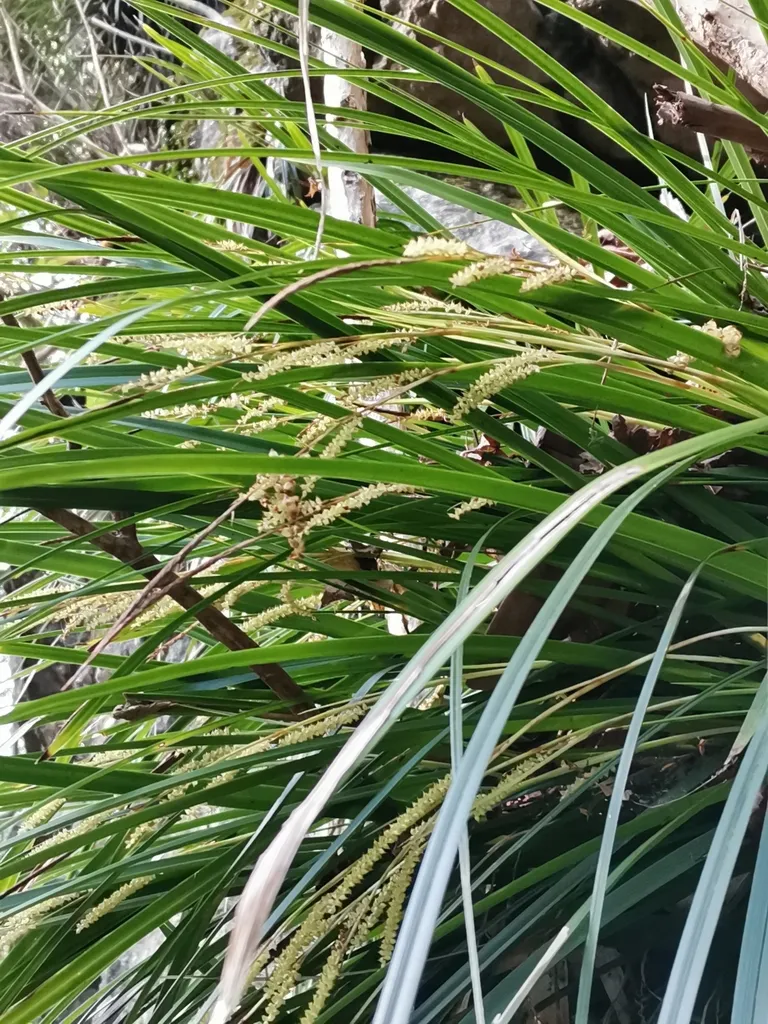
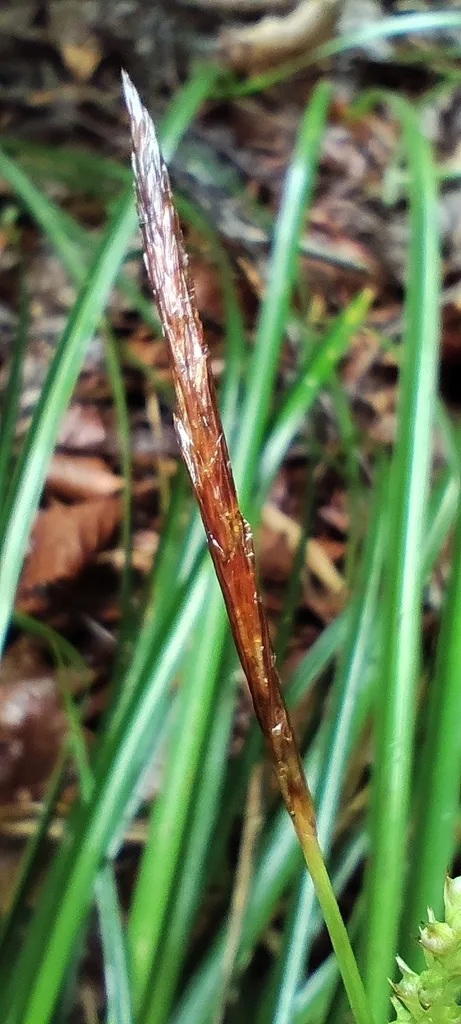
Carex morrowii is a low-growing, clump-forming evergreen sedge with narrow, arching leaves that are often variegated with creamy-white margins or stripes. In spring, inconspicuous brown flower spikes appear, but the plant is primarily grown for its attractive foliage. It forms dense mounds and provides year-round interest in shady borders or as ground cover.
Scientific classification
- Species
- Morrow's sedge (Carex morrowii)
- Genus
- Information to be completed
- Family
- Cyperaceae
- Non-toxic to humans and pets.
- Toxicity
- Grass Like · Perennial · Foliage
- Plant type
- 0.3 - 0.6 metres
- Height
- 0.3 - 0.6 metres
- Spread
- Evergreen
- Foliage
- Clump forming · Tufted
- Habit
- Spring · Summer · Autumn
- Season of interest
- Partial shade · Full shade
- Sunlight
- 15 – 25 °C
- Ideal temperature









Morrow's sedge pictures
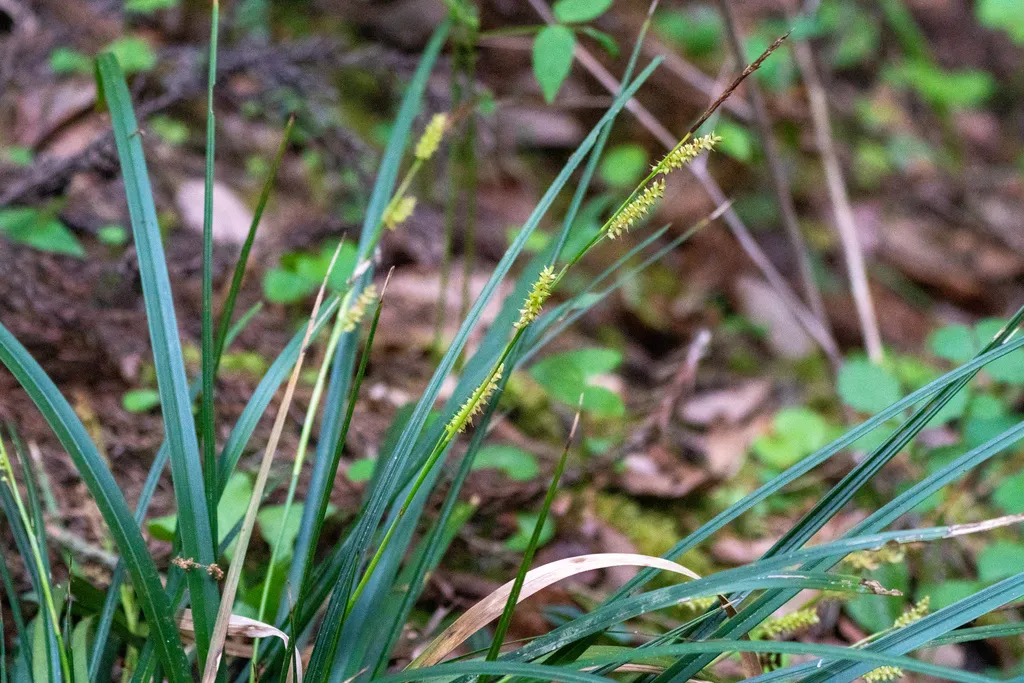
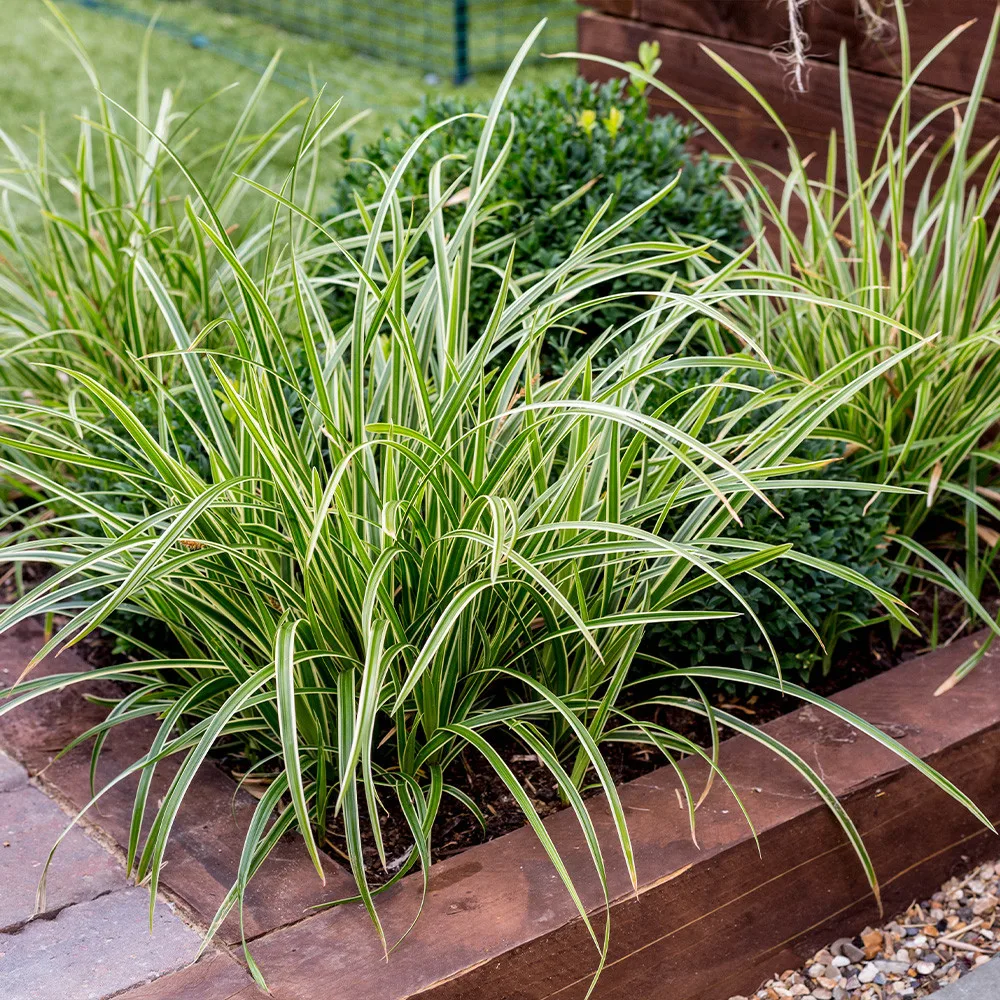
Distribution of Morrow's sedge
Distribution map
- Native
- Introduced
- Cultivated
Source:WCVP v16 · Royal Botanic Gardens, Kew · CC BY 3.0 · Boundaries:WGSRPD / TDWG
Toxicity
Non-toxic to humans and pets.
Morrow's sedge care guide
- Keep soil consistently moist but not waterlogged
- Watering
- Partial shade · Full shade
- Sunlight
- 15 – 25 °C
- Ideal temperature

Watering
Keep soil consistently moist but not waterlogged
Fertilizing
 Fertilizing
Every 4–6 weeks during growing season
Pruning
 Pruning
Cut back old or damaged foliage in early spring before new growth begins to keep the plant tidy and encourage fresh leaves.
Propagation
 Propagation
Propagate by division in spring or autumn. Lift the clump, separate into smaller sections each with roots and shoots, and replant immediately at the same depth. Divisions establish quickly in moist soil.
Growing
 Growing
Grow Carex morrowii in partial to full shade in moist but well-drained soil. It tolerates a range of soil types including clay, loam and sand, and prefers a neutral to acid pH. Water regularly to keep the soil consistently moist, especially during dry spells. Apply a balanced liquid fertilizer every 4–6 weeks during the growing season. In early spring, cut back old foliage to allow new leaves to emerge. This sedge is hardy and generally disease-free, but may be damaged by slugs or aphids occasionally. Protect from harsh afternoon sun to prevent leaf scorch.
Common pests and diseases
Diseases
Generally disease-free; occasional leaf spot may occur in overly wet conditions.
Pests
Susceptible to aphids and slugs, especially in damp environments.
Explore the plant health library →




