



Planting and Growing Habanero Pepper

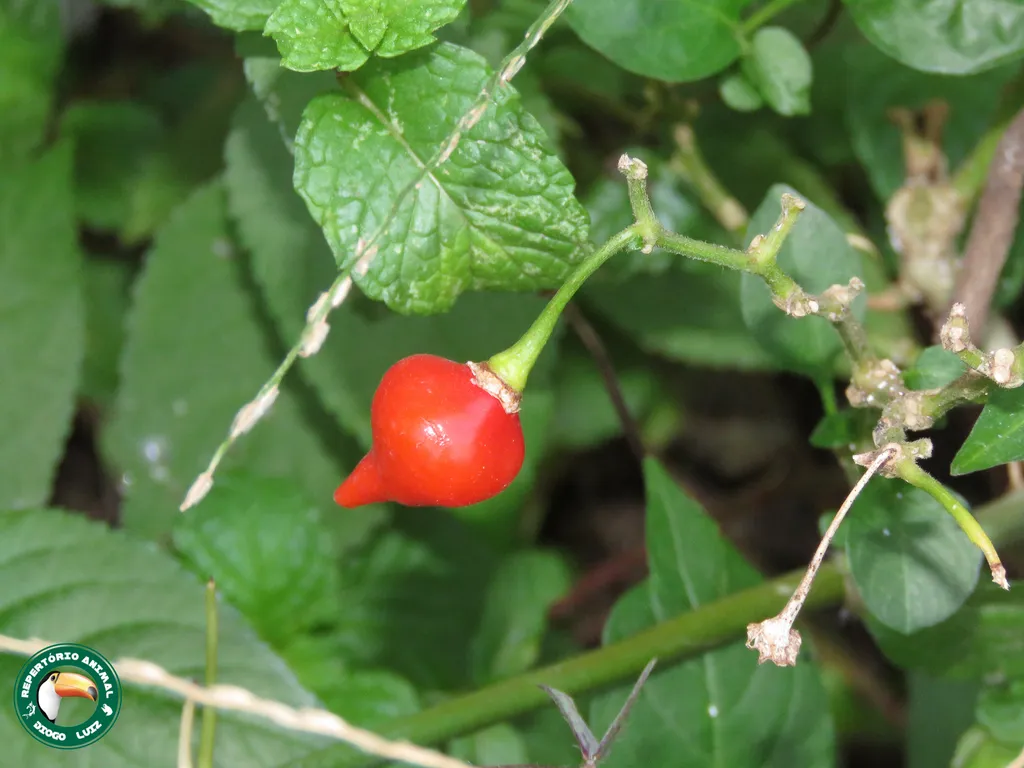
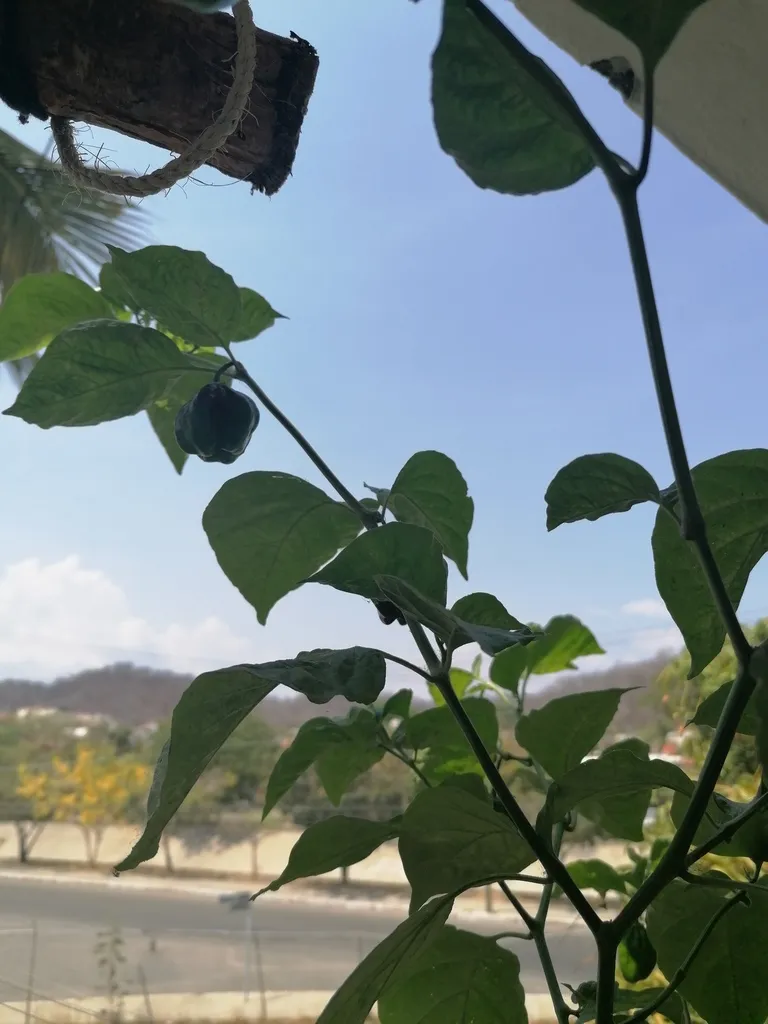
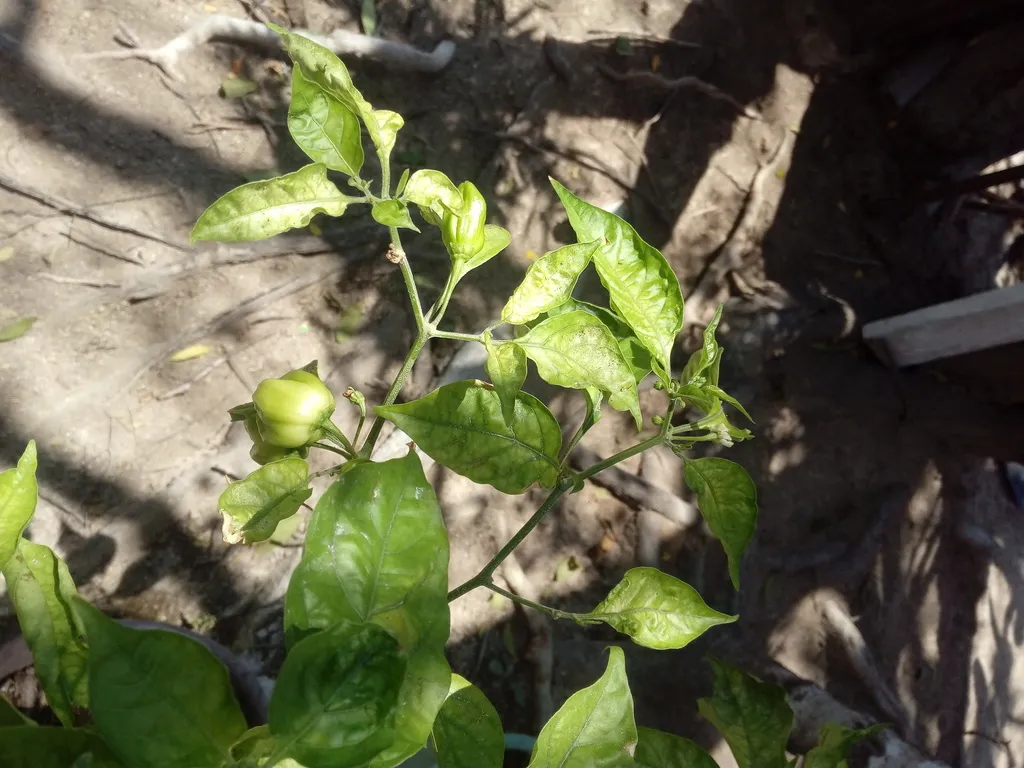
| Care difficulty | 2 / 5 |
|---|---|
| Watering schedule | Keep soil evenly moist, avoiding drought stress |
| Sunlight requirements | Full sun |
| Ideal temperature | 18 – 28 °C |
| Soil type | Loam |
| Soil pH | Neutral |
| Soil moisture | Moist but well drained |
| Fertilizing | Every 2 weeks during growing season |
| Toxicity | Non-toxic to humans and pets, though the fruits contain capsaicin which may cause skin irritation and is extremely spicy if ingested in large quantities. |
How to Water Habanero Pepper?
Originating from warm, humid regions, yellow lantern chili thrives with consistent moisture and high humidity, reflecting its tropical heritage. It has moderate drought tolerance but flourishes when the soil is kept evenly moist without becoming waterlogged. Watering every week maintains this balance, supporting healthy growth. Typically grown outdoors due to its need for a warm climate, yellow lantern chili benefits from mulching to retain soil moisture during its active growing season.
Learn more →What Are the Sunlight Requirements for Habanero Pepper?
Yellow lantern chili thrives in full sunlight, requiring a minimum of six to eight hours of direct exposure daily to optimize growth and fruit production. While it can tolerate partial sun, insufficient light may lead to leggy plants with fewer fruits and diminished health. In optimal full sun exposure, the plant develops a robust, bushy structure and reaches its potential in both growth and yield. Typically grown outdoors, yellow lantern chili is best positioned in open areas that receive unobstructed sunlight throughout the day. Avoidance of shaded areas is crucial to maintain vitality and maximize production.
Learn more →What Is the Ideal Temperature Range for Habanero Pepper?

Yellow lantern chili showcases moderate resilience to temperature variations, enduring cold down to approximately 5℃ (41℉) and heat up to about 43℃ (109℉). This adaptability means yellow lantern chili requires specific care during extreme weather. In cold conditions below 5℃, it may exhibit symptoms like leaf drop and wilting, necessitating insulation or indoor placement. In heat exceeding 43℃, signs of stress include curled leaves and slowed growth, requiring shading and increased watering. Understanding these tolerances helps ensure yellow lantern chili thrives by implementing protective measures against extreme temperatures.
Learn more →What Soil Is Best for Habanero Pepper?
The yellow lantern chili plant prospers in its natural tropical habitat with well-drained, fertile soils. It prefers a pH range of 5.5-7.0, crucial for optimal nutrient absorption and growth. Native soil is generally sandy loam with good organic matter. For a suitable soil mix, combine 30% sand, 40% loam, and 30% well-composted organic material. Ensure good drainage by incorporating perlite or coarse sand. Regularly add balanced fertilizers like a 5-10-10 mix. Avoid water-logging to prevent root rot, and occasionally amend soil with compost or aged manure to maintain fertility.
- Soil type
- Loam
- Soil pH
- Neutral
What Are the Moisture Requirements for Habanero Pepper?
Moist but well drained
Learn more →How to Fertilize Habanero Pepper?

For yellow lantern chili, a schedule alternating between high phosphorus and balanced fertilizers fosters robust growth and bountiful harvests. Initiate monthly feeding in the growing season, tapering to once every two months as the plant matures. A tablespoon per plant suffices, but halve for young yellow lantern chili. Over-fertilization risks growth imbalance; under-fertilization may hamper yields. Differences in sunlight, temperature, and growth phase dictate adjustments in type and frequency. Always water yellow lantern chili post-fertilization to prevent root burn and facilitate nutrient absorption for healthy development.
Learn more →How to Prune Habanero Pepper?

Yellow lantern chili, characterized by its distinctively yellow chilies, benefits from careful pruning to promote health and yield. Optimal pruning occurs in mid-spring, aligning with its growth cycle. Remove any dead or crossing branches to enhance airflow and light penetration. Trim back roughly one-third of the plant's height to encourage bushier growth. Pruning not only shapes the plant but aids in disease prevention and increases fruit production. Always use clean, sharp tools to prevent infections.
Learn more →How to Propagate Habanero Pepper?

Yellow lantern chili, known for its vibrant yellow fruit, thrives when propagated through sowing. To maximize germination rates, use fresh seeds and plant them in a well-draining, nutrient-rich growing medium. Pre-soaking the seeds for 8-24 hours can enhance germination. Maintain consistent moisture without waterlogging, and provide warmth to aid in the process. Once seedlings emerge, they require ample sunlight and protection from extreme conditions until they are robust enough for transplantation.
Learn more →How to Transplant Habanero Pepper?
Transplant yellow lantern chili in the warmth of early to mid-summer to ensure robust growth. Choose a sunny spot with well-draining soil. When handling yellow lantern chili, be gentle to avoid root shock and give them room to flourish.
Learn more →How to Plant Habanero Pepper?
Seeds of yellow lantern chili should be sown under good conditions, namely at a temperature of 25 to 30 ℃, humidity at 60-80%, and in well-permeable soil. Before sowing, the seeds should be exposed to sunlight for 2-3 days for sterilization and promotion of seed germination. The sowing spacing should be 2.5 cm, and the sowing depth should be 1.3 cm. After sowing, cover the area with a layer of fine soil. Pay attention to heat preservation in the first 10 days after sowing. Cover soil with a film; no ventilation is required. This is because the seeds of yellow lantern chili require a warm environment for germination. When the seedlings break the earth and grow 2-4 leaves each, the film should be removed for proper ventilation. The growth temperature should be maintained at 20 to 25 ℃ in the daytime and 15 to 17 ℃ at night. Remove any weeds and apply proper urea as a foliar fertilizer. As for transplanting, healthy seedlings with 12-13 leaves each and hard stems are best. It is preferable to transplant them on a cloudy day, and the temperature should remain stable at over 10 ℃ to protect them from frost. It is better to transplant the seedlings with the surrounding soil to protect the roots and supply an adaptable amount of nutrients. The planting depth should be 10 cm and the plant spacing should be 20 to 30 cm. After transplanting, the gap can be filled with fine soil, and the seedlings should be watered promptly. The soil surface can be covered with a thin layer of mulch to keep yellow lantern chili warm.
Learn more →How to Repot Habanero Pepper?
Plant in pots or ground are both OK.
Learn more →How to Harvest Habanero Pepper?

After fruiting, yellow lantern chili can be harvested at any time. The fruits, whether red or green, can be eaten and used as a seasoning. The plant's longest fruit period is 120 days. Earlier fruit should be harvested promptly, which prevents the plant from supplying nutrients to the earlier fruits only and affecting the growth of later fruits. Yellow lantern chili’s branches are very fragile, so be careful when harvesting its fruits to avoid accidentally breaking branches. Once found, abnormal and poor-quality fruits should be removed promptly to ensure the growth of other fruits.
Learn more →Common Pests & Diseases

Diseases
Susceptible to fungal diseases such as powdery mildew and root rot if overwatered or poorly ventilated. Use well-draining soil and allow airflow around plants.
Pests
Common pests include aphids, whiteflies, spider mites, and thrips. Monitor regularly and treat with insecticidal soap or neem oil if infestation occurs.
Explore the plant health library →Troubleshooting
Slow Germination, Seedling Legginess, and Blossom Drop
Capsicum chinense (habanero and Scotch bonnet peppers) requires warmer temperatures and a longer growing season than standard bell peppers, making cool nights or low light frequent causes of slow growth and dropped blossoms.
| What you notice | Possible explanation | What to check next |
|---|---|---|
| Seeds take over 2 to 3 weeks to sprout or seedlings stretch tall and weak indoors | Cool soil temperatures below 24°C (75°F) during germination or insufficient light after sprouting | Check germination warmth and place sprouted seedlings under bright grow lights or in a sunny south window. |
| Flowers open and drop without setting pods during cool nights below 15°C (60°F) or extreme heat above 35°C (95°F) | Temperature stress disrupting pollination or excess nitrogen fertilizer | Check night/day temperatures and switch from high-nitrogen fertilizer to a balanced or potassium-rich bloom/fruit feed. |
- Start seeds indoors 8 to 10 weeks before the last spring frost in warm, moist seed mix around 24°C to 29°C (75°F to 85°F), then provide strong light once sprouted.
- Transplant outdoors only after nighttime temperatures stay consistently above 15°C (60°F) in full sun (at least 6 to 8 hours daily).
- Keep soil evenly moist and well-drained, and gently tap flowering stems in morning hours if grown indoors or in a still greenhouse.
Wear nitrile or rubber gloves and eye protection when harvesting or cutting Capsicum chinense fruits, as their capsaicin levels are extremely high.
Yellowing Leaves, Blossom End Rot, or Sap-Sucking Pests
Waterlogged roots, uneven soil moisture, and aphids or spider mites are the primary mid-season issues on container and garden habaneros.
| What you notice | Possible explanation | What to check next |
|---|---|---|
| Lower leaves yellow and drop while potting mix stays wet or heavy | Overwatering or poor container drainage | Ensure open drainage holes and let the top inch of soil dry slightly between waterings. |
| Sunken tan or dark patches develop on the bottom of developing lantern-shaped pods | Blossom end rot from fluctuating soil moisture | Keep watering consistent, mulch the root zone, and remove affected pods. |
| New shoot tips curl and feel sticky with honeydew or fine webbing | Aphids, whiteflies, or spider mites | Inspect shoot tips and leaf undersides closely before rinsing with water or applying insecticidal soap labeled for edible crops. |
- Use a fertile, well-draining loamy soil mix in a spacious container (at least 12 inches wide) or raised garden bed.
- Water deeply at the base of the plant to maintain steady moisture without soggy roots.
- Keep pets away from Capsicum chinense plants and fruits, as capsaicin and solanine alkaloids cause severe irritation.
Always check product labels for edible-crop approval and pre-harvest intervals before treating pests on fruiting peppers.
The Toxicity of Habanero Pepper
Non-toxic to humans and pets, though the fruits contain capsaicin which may cause skin irritation and is extremely spicy if ingested in large quantities.