
Habanero Pepper
Also known as: Habanero Pepper, Scotch Bonnet, Caribbean Red Pepper
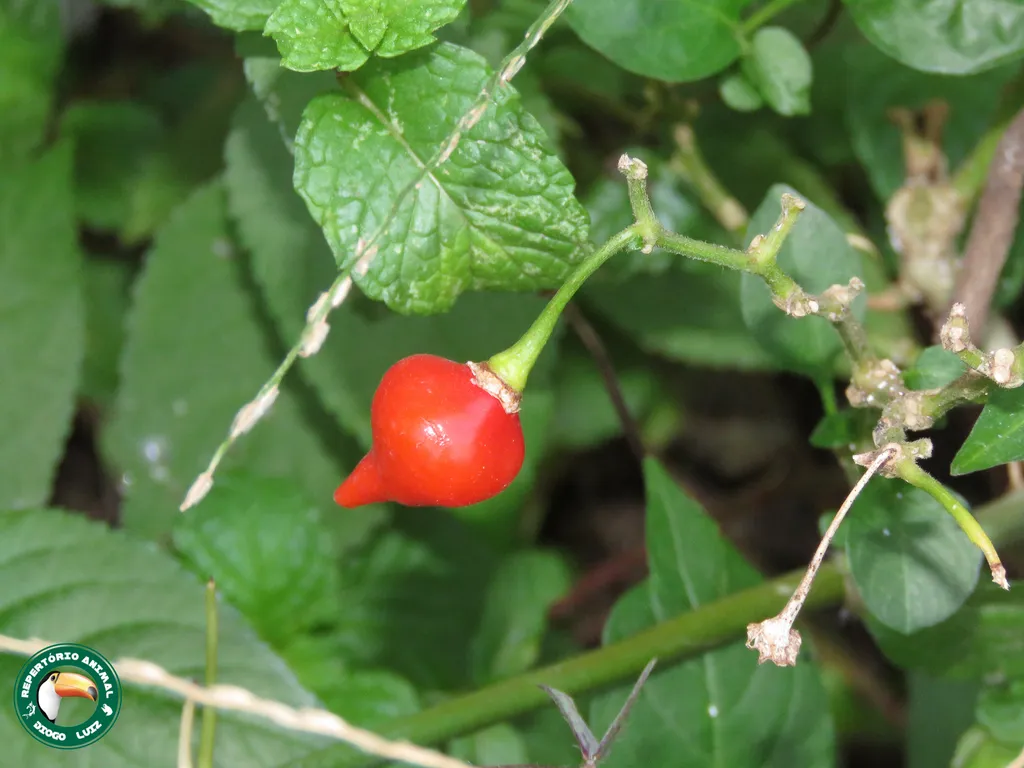
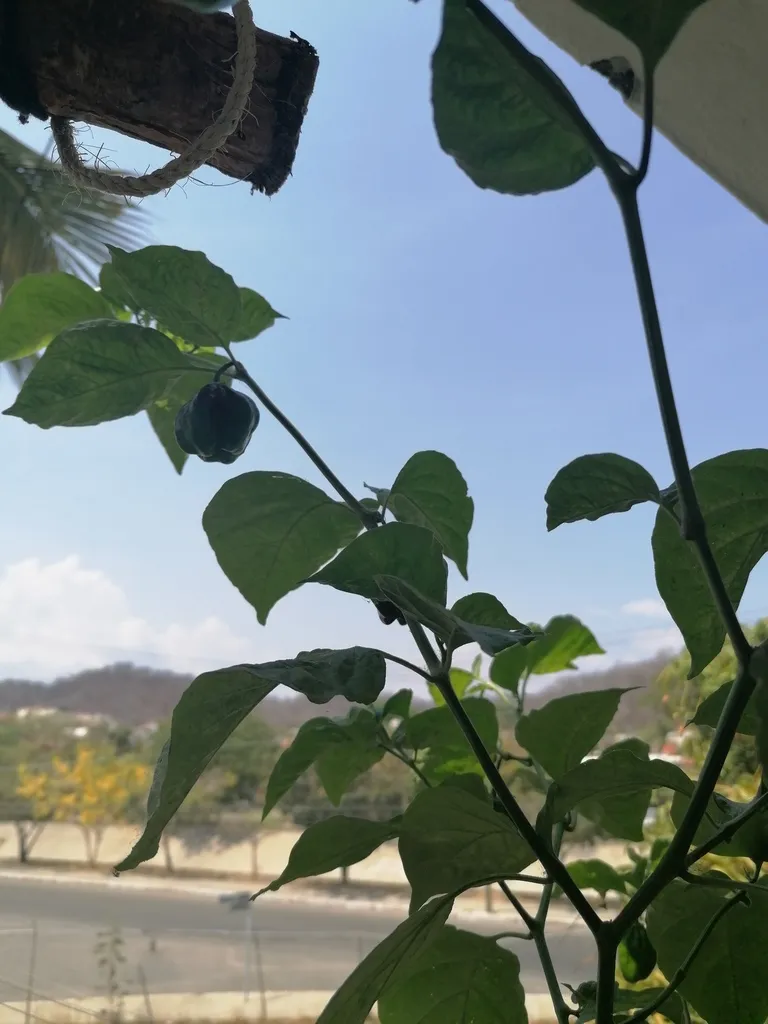
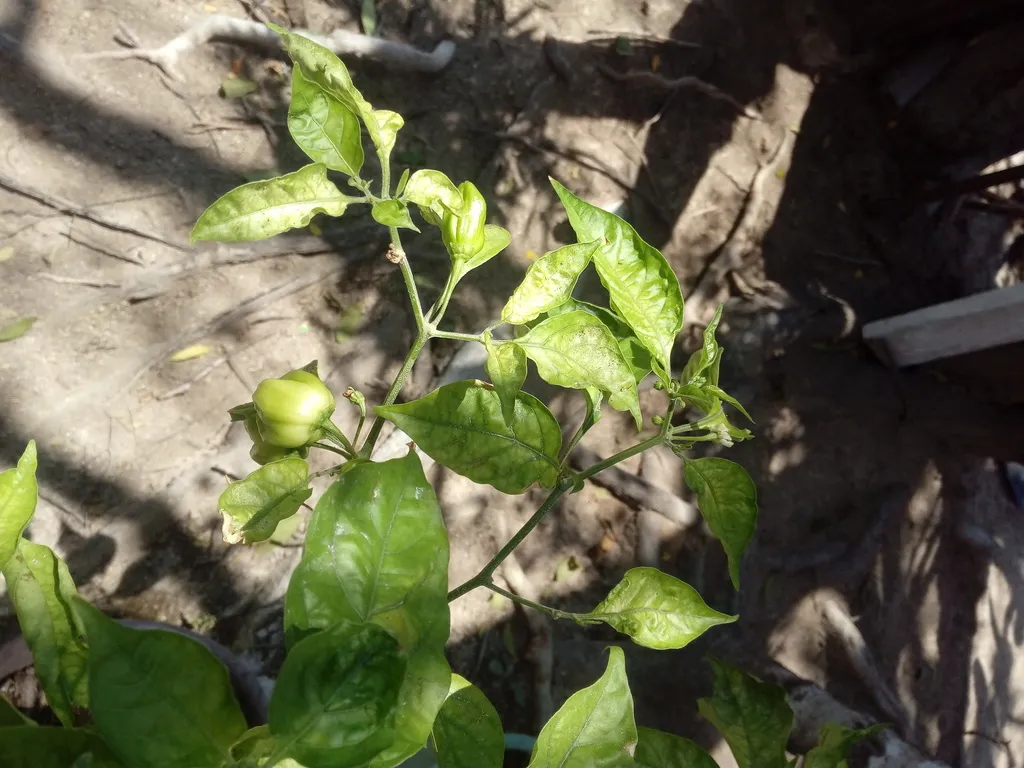
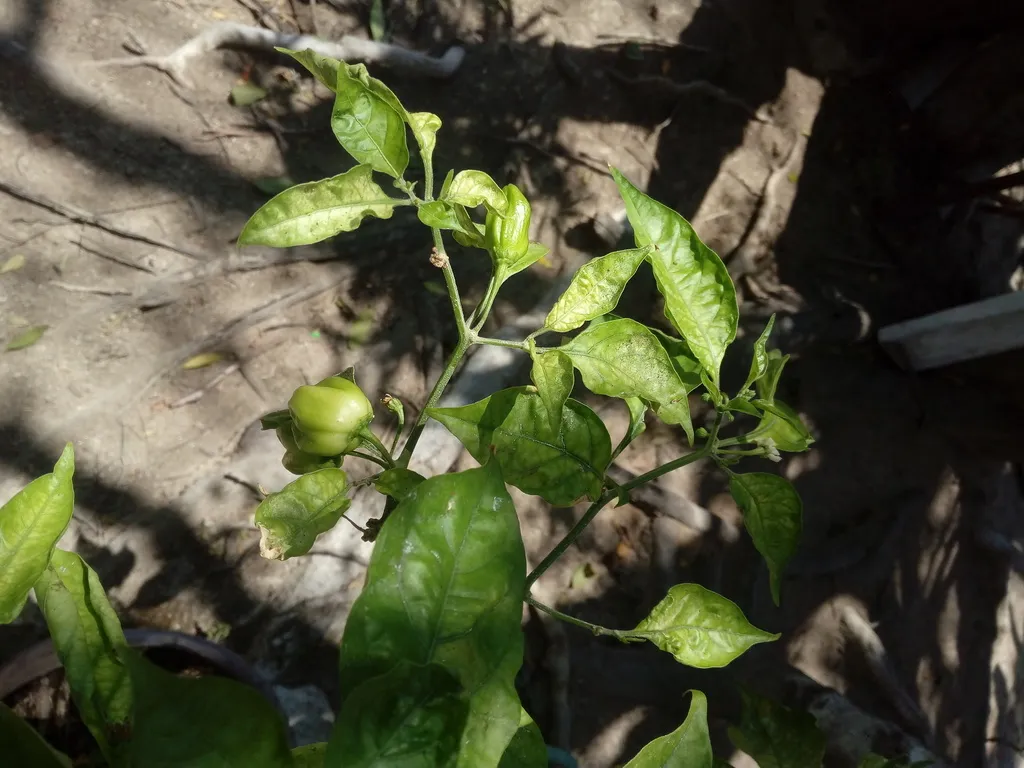
Capsicum chinense, commonly known as Habanero Pepper, is a bushy, upright annual or short-lived perennial reaching 60–120 cm in height. It features ovate to lanceolate, dark green leaves and small, white, star-shaped flowers that give way to distinctive, lantern-shaped fruits. The peppers mature from green to bright orange, red, or yellow and are among the hottest chili varieties, with a fruity, floral aroma. Its compact habit and vibrant fruits make it both an ornamental and culinary treasure.
Scientific classification
- Species
- Habanero Pepper (Capsicum chinense)
- Genus
- Information to be completed
- Family
- Solanaceae
- Non-toxic to humans and pets, though the fruits contain capsaicin which may cause skin irritation and is extremely spicy if ingested in large quantities.
- Toxicity
- Fruit Edible · Annual Biennial
- Plant type
- 0.6 - 1.2 metres
- Height
- 0.3 - 0.6 metres
- Spread
- Deciduous
- Foliage
- Upright · Bushy
- Habit
- Summer · Autumn
- Season of interest
- Full sun
- Sunlight
- 18 – 28 °C
- Ideal temperature









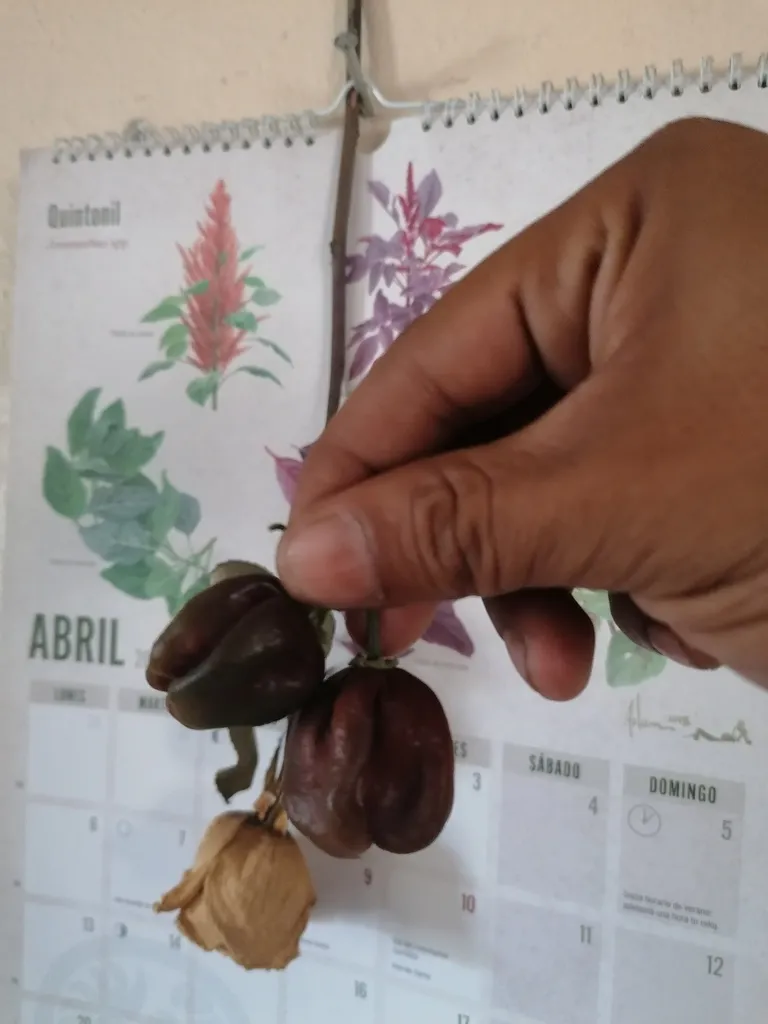
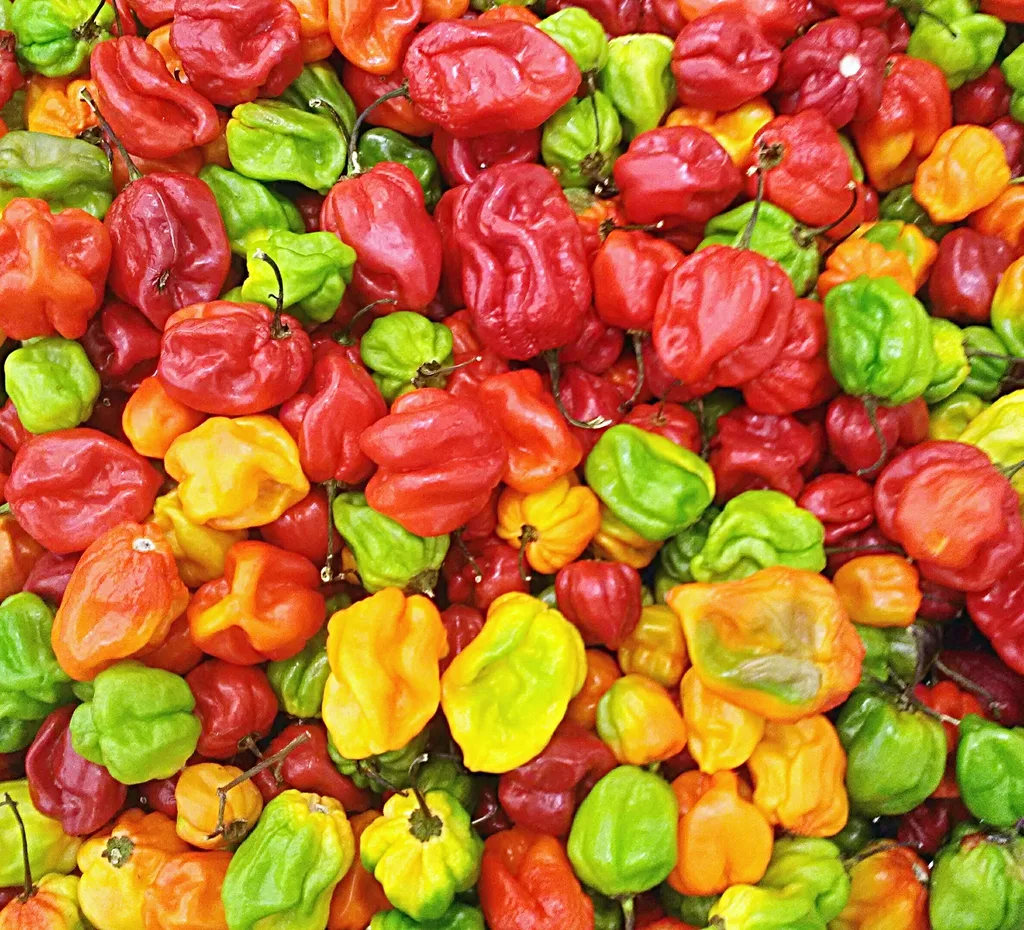
Habanero Pepper pictures
Distribution of Habanero Pepper
Distribution map
- Native
- Introduced
- Cultivated
Source:WCVP v16 · Royal Botanic Gardens, Kew · CC BY 3.0 · Boundaries:WGSRPD / TDWG
Toxicity
Non-toxic to humans and pets, though the fruits contain capsaicin which may cause skin irritation and is extremely spicy if ingested in large quantities.
Habanero Pepper care guide
- Keep soil evenly moist, avoiding drought stress
- Watering
- Full sun
- Sunlight
- 18 – 28 °C
- Ideal temperature

Watering
Keep soil evenly moist, avoiding drought stress
Fertilizing
 Fertilizing
Every 2 weeks during growing season
Pruning
 Pruning
Pinch out shoot tips early to promote branching; remove any diseased or leggy stems as needed.
Propagation
 Propagation
Sow seeds in seed compost at 20–25°C in early spring; maintain high humidity until germination (7–14 days). Transplant seedlings into individual pots when first true leaves appear, then harden off before planting out.
Growing
 Growing
Grow in fertile, well-drained loam under full sun. Keep soil consistently moist but not waterlogged; apply a balanced liquid fertilizer every two weeks during the growing season. Pinch out growing tips when plants are 20 cm tall to encourage bushiness. In cool climates, start seeds indoors 8–10 weeks before last frost and transplant after night temperatures exceed 15°C. Harvest fruits when fully colored for best flavor.
Common pests and diseases
Diseases
Susceptible to fungal diseases such as powdery mildew and root rot if overwatered or poorly ventilated. Use well-draining soil and allow airflow around plants.
Pests
Common pests include aphids, whiteflies, spider mites, and thrips. Monitor regularly and treat with insecticidal soap or neem oil if infestation occurs.
Explore the plant health library →




