



Planting and Growing Devil's Backbone

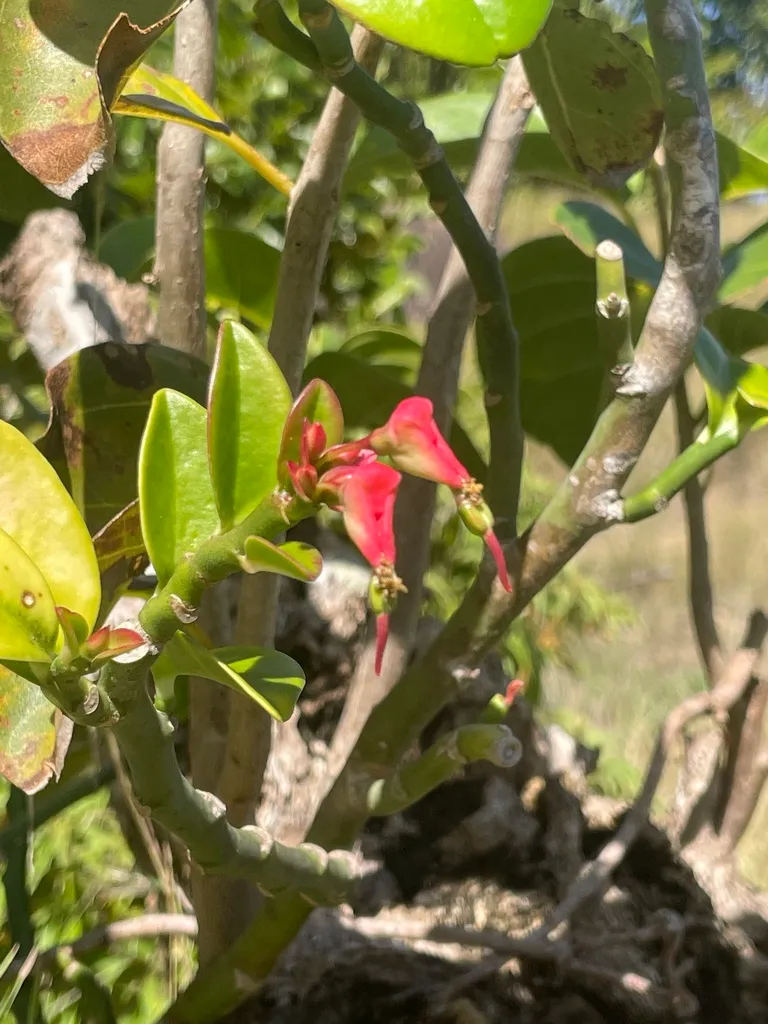
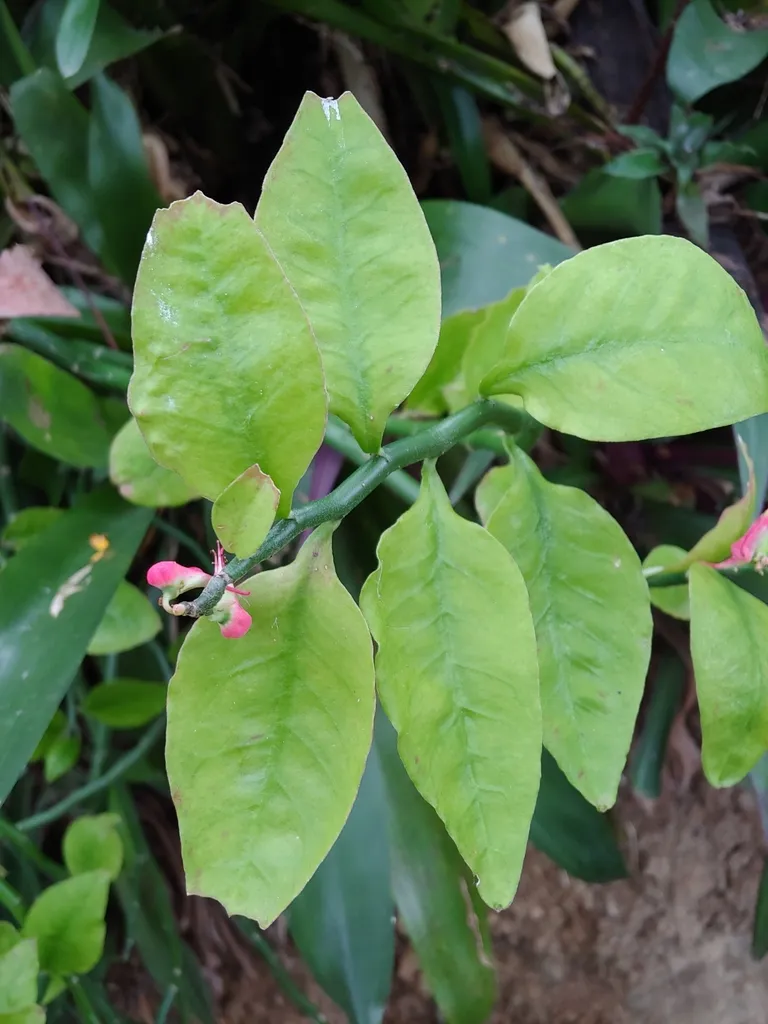
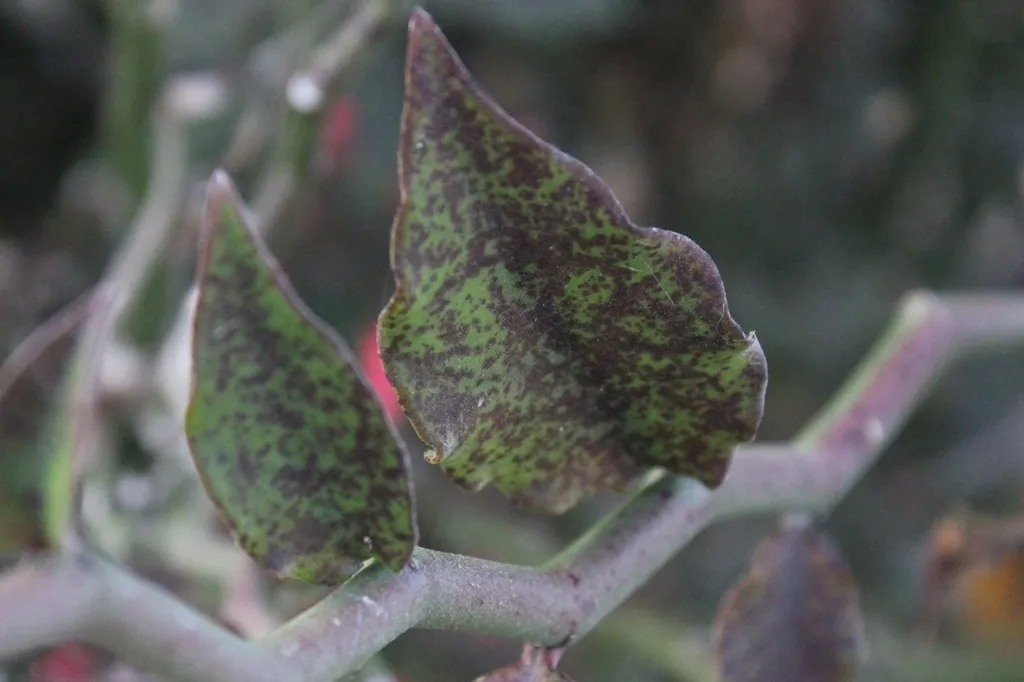
| Care difficulty | 2 / 5 |
|---|---|
| Watering schedule | Water thoroughly when soil is dry, then allow to dry out between waterings |
| Sunlight requirements | Bright indirect light · Partial shade |
| Ideal temperature | Information to be completed |
| Soil type | Sand · Loam |
| Soil pH | Neutral |
| Soil moisture | Well-drained · Dry between watering |
| Fertilizing | Once a month during the growing season (spring to summer) |
| Toxicity | Toxic if ingested; the milky sap can cause skin irritation and is harmful to pets and humans. Handle with gloves. |
How to Water Devil's Backbone?
Water thoroughly when soil is dry, then allow to dry out between waterings
Learn more →What Are the Sunlight Requirements for Devil's Backbone?
Bright indirect light · Partial shade
Learn more →What Soil Is Best for Devil's Backbone?
- Soil type
- Sand · Loam
- Soil pH
- Neutral
What Are the Moisture Requirements for Devil's Backbone?
Well-drained · Dry between watering
Learn more →How to Fertilize Devil's Backbone?

Once a month during the growing season (spring to summer)
Learn more →How to Prune Devil's Backbone?

Prune in early spring to remove dead, damaged, or leggy stems; cut back to a leaf node to encourage bushier growth. Wear gloves to avoid contact with the milky sap.
Learn more →How to Propagate Devil's Backbone?

Propagate by stem cuttings in spring or early summer. Take 8–10 cm cuttings, allow the cut end to callus for 2–3 days, then insert into moist sandy soil. Keep at 18–21°C (65–70°F) in bright indirect light until roots develop, usually within 4–6 weeks.
Learn more →How to Plant Devil's Backbone?
Grow in bright, indirect light or partial shade; direct afternoon sun may scorch the leaves. Use a well-drained, sandy or loamy soil mix. Water thoroughly when the soil is dry to the touch, then allow the pot to drain completely; reduce watering in winter. Fertilize once a month during the growing season with a balanced liquid fertilizer diluted to half strength. Maintain a minimum winter temperature of 10°C (50°F) to prevent cold damage.
Learn more →Common Pests & Diseases

Diseases
Susceptible to root rot if overwatered or grown in poorly drained soil; ensure good drainage and avoid waterlogging. Powdery mildew may occasionally occur in humid conditions.
Pests
Common pests include mealybugs, scale insects, and spider mites, especially in dry indoor conditions. Inspect regularly and treat with insecticidal soap or neem oil.
Explore the plant health library →The Toxicity of Devil's Backbone
Toxic if ingested; the milky sap can cause skin irritation and is harmful to pets and humans. Handle with gloves.