
Devil's Backbone
Also known as: Devil's Backbone, Redbird Cactus, Zigzag Plant, Jacob's Ladder
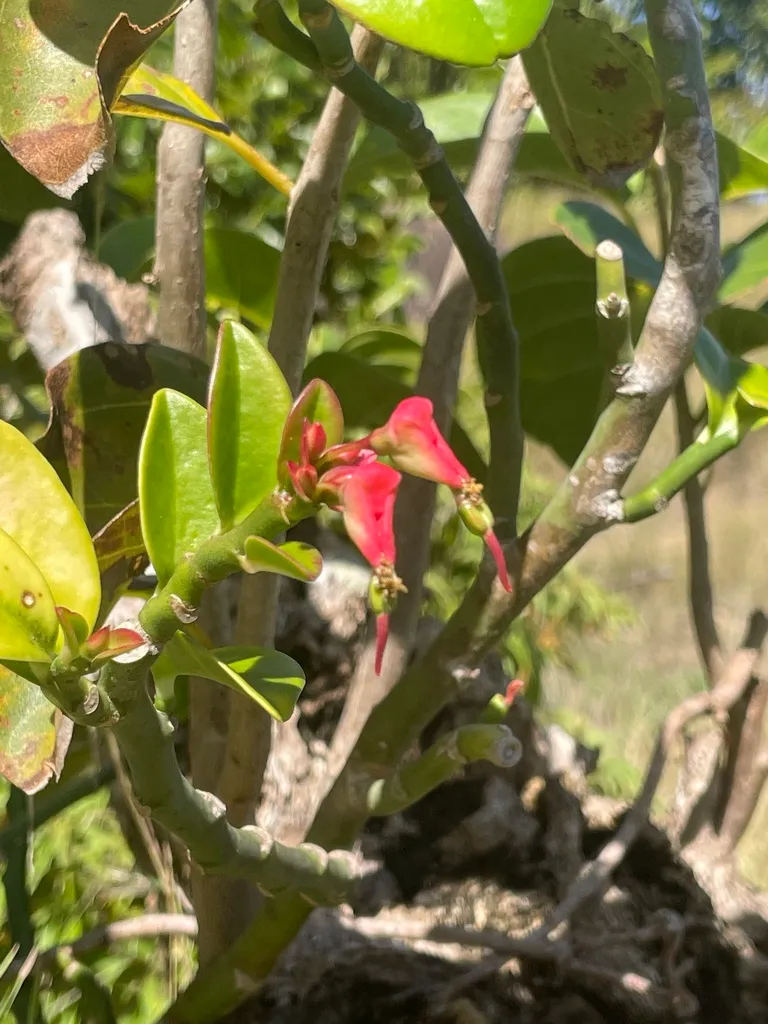
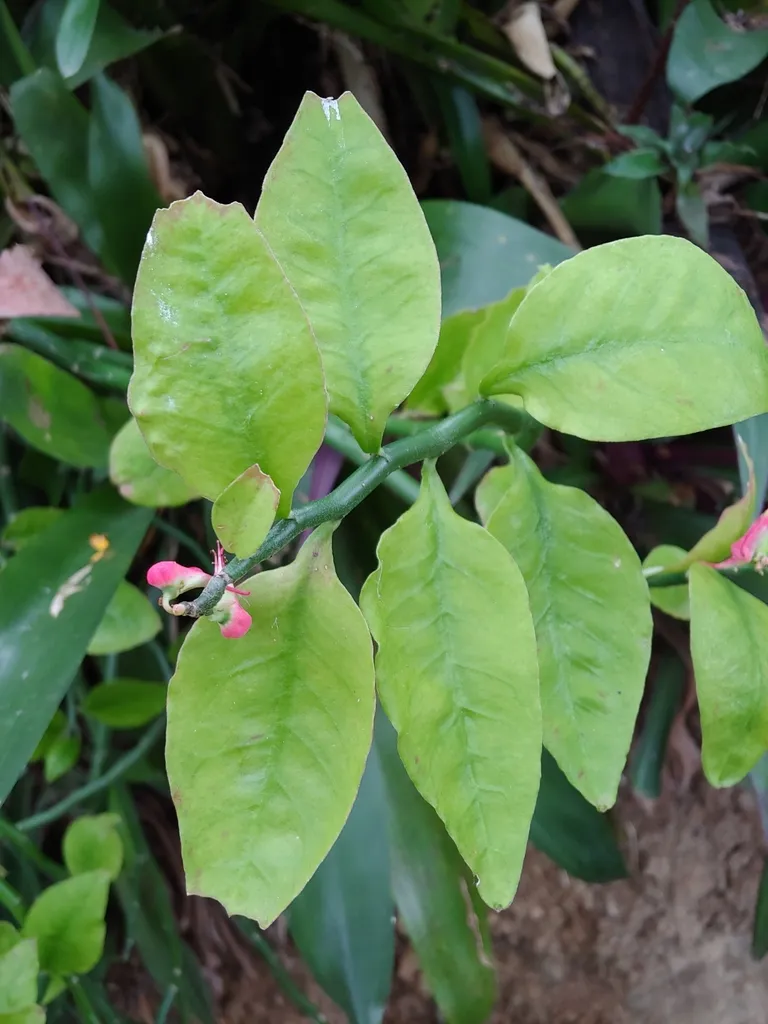
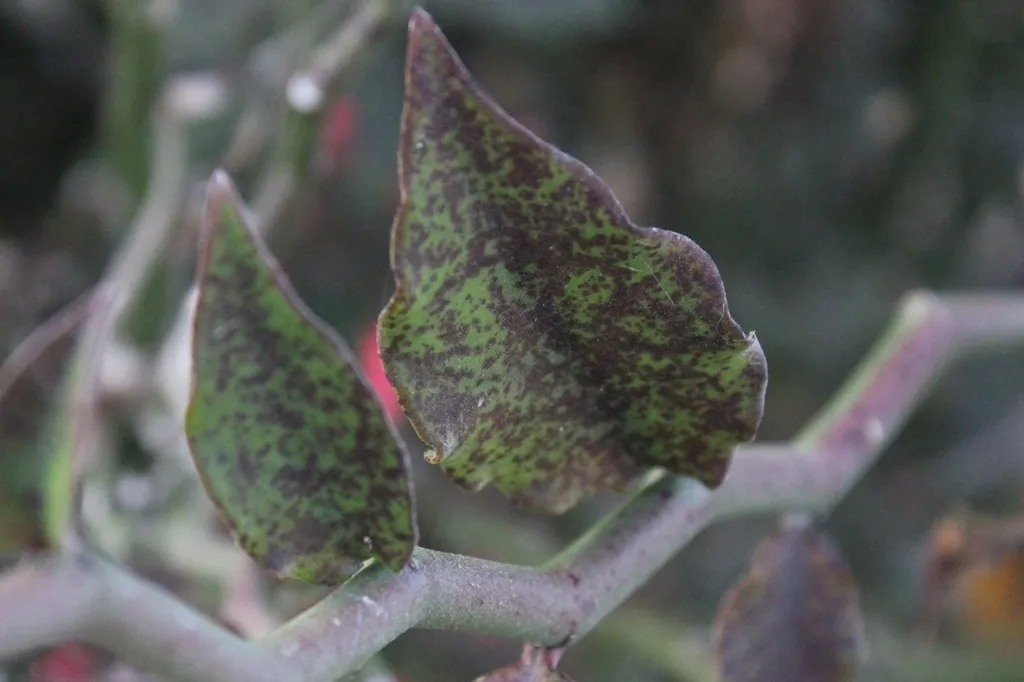
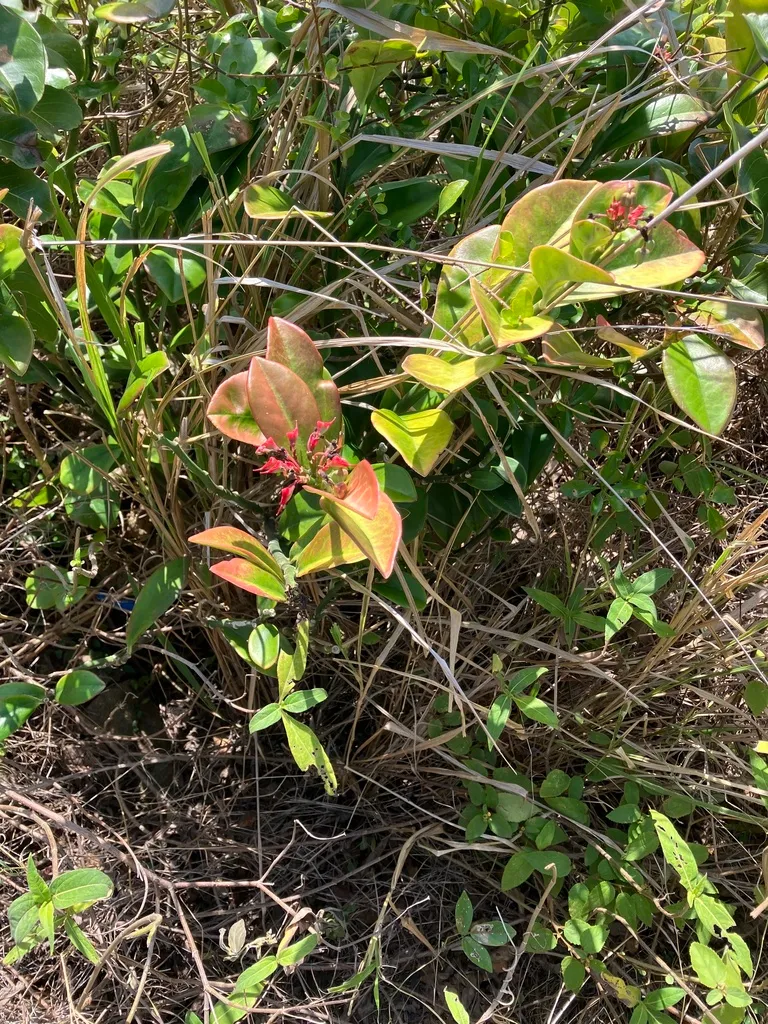
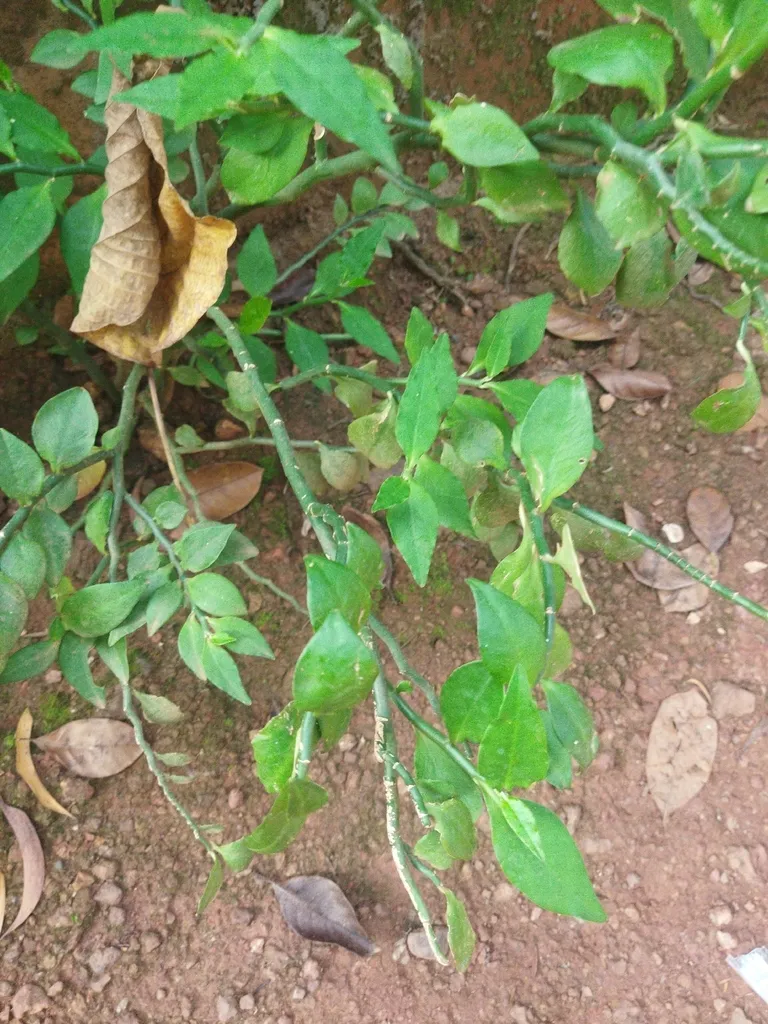
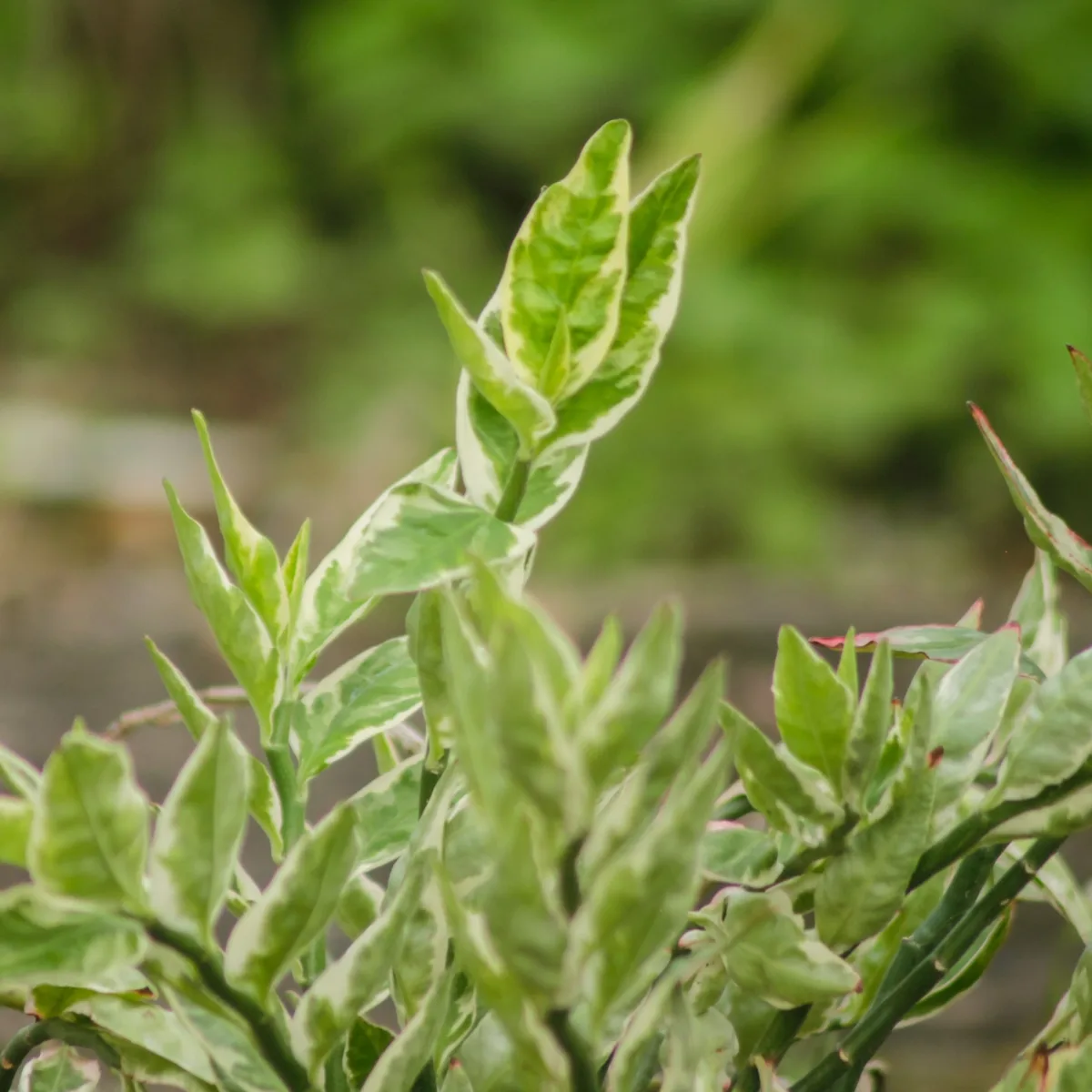
Euphorbia tithymaloides is a succulent shrub with distinctive zigzag stems that resemble a backbone. Its fleshy, oval leaves are often edged with red or purple, adding ornamental value. Small, inconspicuous red or yellow cyathia appear in summer, though the plant is primarily grown for its unique stem architecture. It typically reaches 0.5–1 m in height and has a bushy, upright habit.
Scientific classification
- Species
- Devil's Backbone (Euphorbia tithymaloides)
- Genus
- Information to be completed
- Family
- Euphorbiaceae
- Toxic if ingested; the milky sap can cause skin irritation and is harmful to pets and humans. Handle with gloves.
- Toxicity
- Succulent · Houseplants · Conservatory Greenhouse
- Plant type
- 0.5 - 1 metres
- Height
- 0.3 - 0.6 metres
- Spread
- Evergreen
- Foliage
- Upright
- Habit
- Summer
- Season of interest
- Bright indirect light · Partial shade
- Sunlight
- Information to be completed
- Ideal temperature









Devil's Backbone pictures
Distribution of Devil's Backbone
Distribution map
- Native
- Introduced
- Cultivated
Source:WCVP v16 · Royal Botanic Gardens, Kew · CC BY 3.0 · Boundaries:WGSRPD / TDWG
Toxicity
Toxic if ingested; the milky sap can cause skin irritation and is harmful to pets and humans. Handle with gloves.
Devil's Backbone care guide
- Water thoroughly when soil is dry, then allow to dry out between waterings
- Watering
- Bright indirect light · Partial shade
- Sunlight

Watering
Water thoroughly when soil is dry, then allow to dry out between waterings
Fertilizing
 Fertilizing
Once a month during the growing season (spring to summer)
Pruning
 Pruning
Prune in early spring to remove dead, damaged, or leggy stems; cut back to a leaf node to encourage bushier growth. Wear gloves to avoid contact with the milky sap.
Propagation
 Propagation
Propagate by stem cuttings in spring or early summer. Take 8–10 cm cuttings, allow the cut end to callus for 2–3 days, then insert into moist sandy soil. Keep at 18–21°C (65–70°F) in bright indirect light until roots develop, usually within 4–6 weeks.
Growing
 Growing
Grow in bright, indirect light or partial shade; direct afternoon sun may scorch the leaves. Use a well-drained, sandy or loamy soil mix. Water thoroughly when the soil is dry to the touch, then allow the pot to drain completely; reduce watering in winter. Fertilize once a month during the growing season with a balanced liquid fertilizer diluted to half strength. Maintain a minimum winter temperature of 10°C (50°F) to prevent cold damage.
Common pests and diseases
Diseases
Susceptible to root rot if overwatered or grown in poorly drained soil; ensure good drainage and avoid waterlogging. Powdery mildew may occasionally occur in humid conditions.
Pests
Common pests include mealybugs, scale insects, and spider mites, especially in dry indoor conditions. Inspect regularly and treat with insecticidal soap or neem oil.
Explore the plant health library →




