



Planting and Growing Fairy Castle Cactus

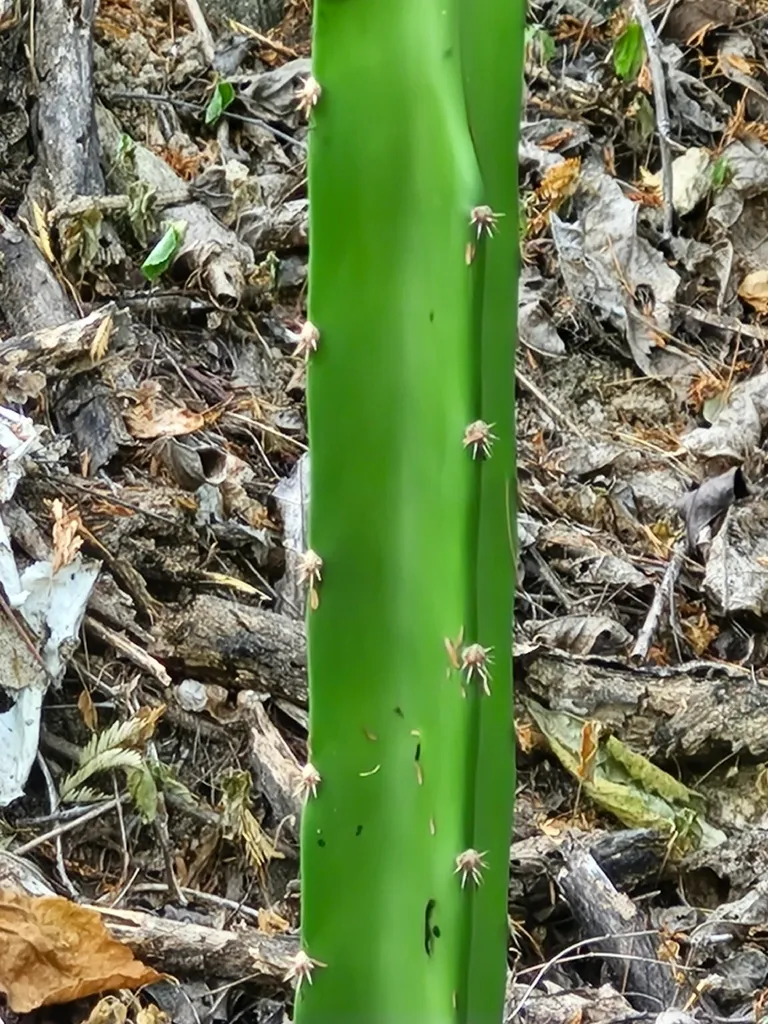
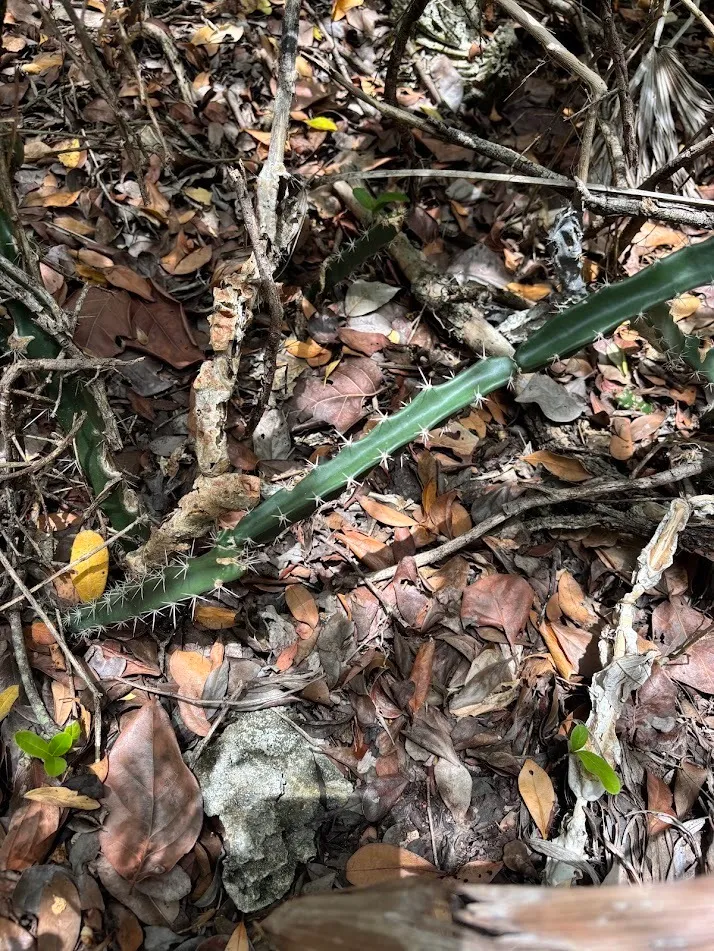

| Care difficulty | 2 / 5 |
|---|---|
| Watering schedule | Water deeply only when soil is completely dry; allow pot to drain fully. |
| Sunlight requirements | Full sun |
| Ideal temperature | 18 – 28 °C |
| Soil type | Sand · Loam |
| Soil pH | Neutral |
| Soil moisture | Well-drained |
| Fertilizing | Once a month during growing season (spring to summer). |
| Toxicity | Non-toxic to humans and pets. |
How to Water Fairy Castle Cactus?
Fairy castle cactus is a drought-tolerant plant, naturally adapted to arid environments where water is scarce. Its watering needs are minimal, requiring hydration only once every three weeks. Being a cactus, fairy castle cactus stores water in its tissues, allowing it to survive long periods without moisture. As an evergreen plant typically grown indoors, it's important to ensure that the soil is almost completely dry before the next watering cycle to mimic its natural habitat.
Learn more →What Are the Sunlight Requirements for Fairy Castle Cactus?
Fairy castle cactus flourishes best under full sun conditions where it can receive direct sunlight for most of the day. This level of light intensity is essential for the cactus to maintain robust growth and healthy development. It tolerates partial sun, which may slow its growth slightly but can contribute to a decrease in stress during exceptionally hot weather. Adaptations such as the ability to store water and its thick, spiny structure helps fairy castle cactus withstand intense light and heat without wilting. When grown outdoors, fairy castle cactus should be positioned in a location where sunlight is abundant. Indoor cultivation is less common due to the plant's high light needs, which can be challenging to meet inside.
Learn more →What Is the Ideal Temperature Range for Fairy Castle Cactus?

Fairy castle cactus is remarkably adaptable to temperature variations, withstanding cold down to 0℃ (32℉) and heat up to 43℃ (109℉). Its resilience makes it suitable for diverse climates. During extreme cold, fairy castle cactus may exhibit symptoms like yellowing or mushy stems, while excessive heat can cause sunburns or shriveled pads. To mitigate cold damage, provide frost protection or move indoors. For overheating, ensure ample water and partial shade. These measures are crucial for maintaining fairy castle cactus's health in challenging weather conditions.
Learn more →What Soil Is Best for Fairy Castle Cactus?
Fairy castle cactus thrives in well-drained soil. A mix of 2/3 succulent & cactus soil with 1/3 perlite or sand improves drainage. In absence of cactus soil, blend potting soil with equal parts perlite and coarse sand. Prioritize aeration to prevent water-logging. Semi-annual addition of a balanced, slow-releasing fertilizer supports healthy growth. Always ensure excess water can escape to avoid root rot.
- Soil type
- Sand · Loam
- Soil pH
- Neutral
What Are the Moisture Requirements for Fairy Castle Cactus?
Well-drained
Learn more →How to Fertilize Fairy Castle Cactus?

For fairy castle cactus, utilize a balanced succulents and cacti food during its growing season, spring to early fall. Fertilize every 4-6 weeks, with a quarter of the recommended dose to prevent nutrient burn and encourage robust growth. Benefits include improved flowering and vitality. In winter, cease fertilization, as fairy castle cactus enters dormancy. Gradually reintroduce in spring. Always water fairy castle cactus before fertilizing to protect roots. Adjust frequency and amount based on fairy castle cactus's response and growth patterns.
Learn more →How to Prune Fairy Castle Cactus?

Fairy castle cactus does not require much pruning. Remove withered flowers and branches so the plant uses nutrients on healthy growth.
Learn more →How to Propagate Fairy Castle Cactus?

Belonging to the cactus family, fairy castle cactus is noted for its distinctive branching pattern resembling a miniature castle. Propagation of fairy castle cactus is optimally achieved through stem cuttings. Gardeners should select healthy branches, cut them with a sterile, sharp implement, and allow the cut surface to callous over for a few days. Once calloused, the cuttings are planted in well-draining cactus mix soil, ensuring consistent moisture without overwatering to encourage root development.
Learn more →How to Transplant Fairy Castle Cactus?
The perfect time to transplant fairy castle cactus is between mid-spring and early autumn, ensuring healthy growth. Choose a sunny location with well-draining soil for optimal success. Gently loosen the root ball before transplanting, and prioritize watering to encourage establishment.
Learn more →How to Care for Fairy Castle Cactus in Winter?

Native to extremely arid regions, fairy castle cactus adapts to cold by slowing its growth and limiting moisture intake. In warm winters with ample sunlight, fairy castle cactus thrives, but in colder climates, its vulnerability to lower temperatures requires a balance of adequate ventilation and warmth. Mulching and occasional watering allow fairy castle cactus to weather harsh cold, while also steering clear of frostbite damaging its fleshy stems. Celebrated for its resilience, understanding fairy castle cactus's winter behavior will guarantee a flourishing spring appearance.
Learn more →How to Plant Fairy Castle Cactus?
Indoors-potted: Ensure fairy castle cactus has ample vertical space indoors as it loves to stretch upwards, mimicking its fairy-tale tower form. Outdoors-potted: Fairy castle cactus thrives in outdoor containers but monitor growth - it may need repotting or pruning to maintain its enchanting structure. Outdoors-in the ground: In-ground, fairy castle cactus can become a dramatic garden feature; be cautious of its potential to spread if not managed properly.
Learn more →How to Repot Fairy Castle Cactus?
Fairy castle cactus thrives when repotted every 2-3 years due to its slow growth habit. Repot in spring for optimum root recovery and growth spurts. A slightly larger container will do, as it maintains a moderate size and vertical structure. Use a pot with good drainage to prevent root rot, and gently reintroduce to sunlight post-repotting to reduce stress for this sturdy yet slow-growing cactus.
Learn more →How to Harvest Fairy Castle Cactus?

Most fruits of fairy castle cactus are edible. Pick the fruit when they turn red. Avoid food safety issues by confirming the species with experts. Wear gloves or use scissors and other tools to harvest.
Learn more →Common Pests & Diseases

Diseases
Susceptible to root rot if overwatered or soil is poorly drained. Avoid waterlogging and ensure adequate drainage.
Pests
May be infested by mealybugs, scale insects, and spider mites, especially in dry indoor air. Wipe off with alcohol or use insecticidal soap.
Explore the plant health library →Troubleshooting
Soft Black Basal Rot or Shriveling Stems
Fairy Castle Cactus (Acanthocereus tetragonus) is adapted to arid habitats and rots quickly if watered in cool weather or potted in moisture-retentive soil.
| What you notice | Possible explanation | What to check next |
|---|---|---|
| Base of the stem turns dark brown/black, soft, or mushy | Basal stem rot or root rot from overwatering, poor drainage, or cool damp winter conditions | Gently test stem firmness near the soil line with a blunt stick (avoiding spines) |
| Ribs or stem segments shrink and wrinkle deeply while soil is bone dry during warm growth | Dehydration during active spring-summer growth | Check soil dryness and confirm whether temperatures are warm |
| Corky tan scarring near the soil line without softness | Normal age-related corking supporting mature stems | Confirm the tissue is hard and dry rather than mushy |
- Use a gritty, sharply drained mineral cactus/succulent mix (with coarse sand, pumice, or grit) in a container with drainage holes.
- Water thoroughly only after the soil has dried completely during warm spring and summer growth, and keep nearly dry during cool winter dormancy.
- Place in very bright light or direct sun (acclimating gradually to intense summer sun to avoid bleached sunburn patches).
Stop watering immediately if soft black rot appears; cut well above decayed tissue with a sterile blade and let callous for several days before rooting.
Etiolated Thin Tips or Mealybugs/Scale
Low light causes narrow, pale new growth at tips, while mealybugs and scale hide in ribs and leaf axils.
| What you notice | Possible explanation | What to check next |
|---|---|---|
| New top growth narrows into a thin, pale green point | Insufficient bright light (etiolation) | Assess daily sun exposure at the window |
| White cottony tufts in ribs/areoles or crusty bumps on stems | Mealybugs or scale insects | Inspect stem ribs, graft union, or leaf bases closely |
- Move gradually into brighter light so new growth develops normal thickness and structure.
- Isolate pest-infested plants and dab visible mealybugs or scale with rubbing alcohol on a cotton swab.
- Prune out damaged or dead lower leaves/stems in spring with clean tools.
Handle spiny stems with thick gloves or folded newspaper.
The Toxicity of Fairy Castle Cactus
Non-toxic to humans and pets.