
Fairy Castle Cactus
Also known as: Fairy Castle Cactus, Triangle Cactus
Fairy Castle Cactus is a slow-growing columnar cactus that forms dense clusters of multiple upright stems, resembling a castle with turrets. Each ribbed stem is dark green with small, white areoles bearing tiny spines. In summer, it produces large, nocturnal white or pale yellow flowers, though it rarely blooms indoors. Its compact size and whimsical shape make it a popular choice for windowsills and indoor collections.
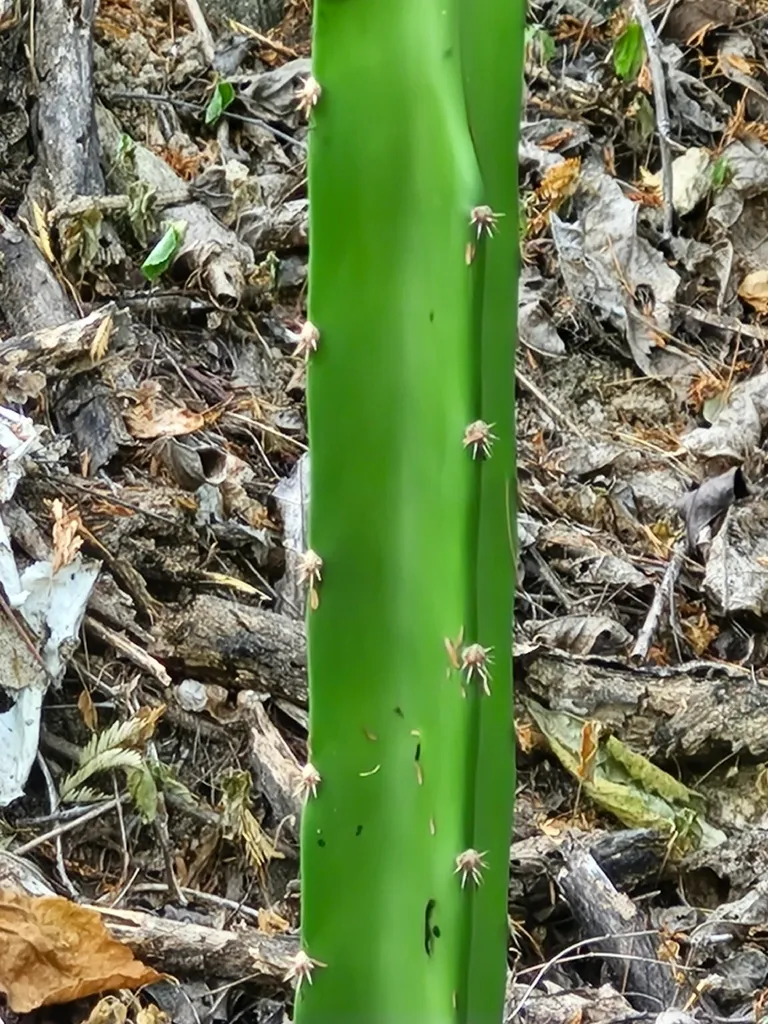
Scientific classification
- Species
- Fairy Castle Cactus (Acanthocereus tetragonus)
- Genus
- Information to be completed
- Family
- Cactaceae
- Non-toxic to humans and pets.
- Toxicity
- Cactus Succulent · Houseplants
- Plant type
- 0.3 - 0.6 metres
- Height
- 0.3 - 0.5 metres
- Spread
- Evergreen
- Foliage
- Columnar upright
- Habit
- Summer
- Season of interest
- Full sun
- Sunlight
- 18 – 28 °C
- Ideal temperature









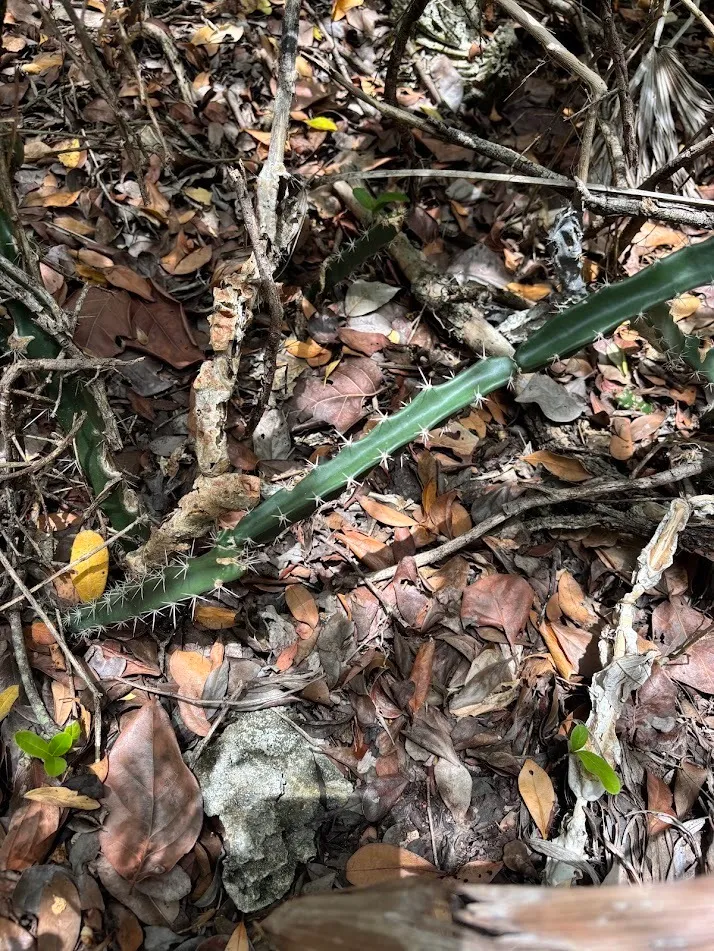
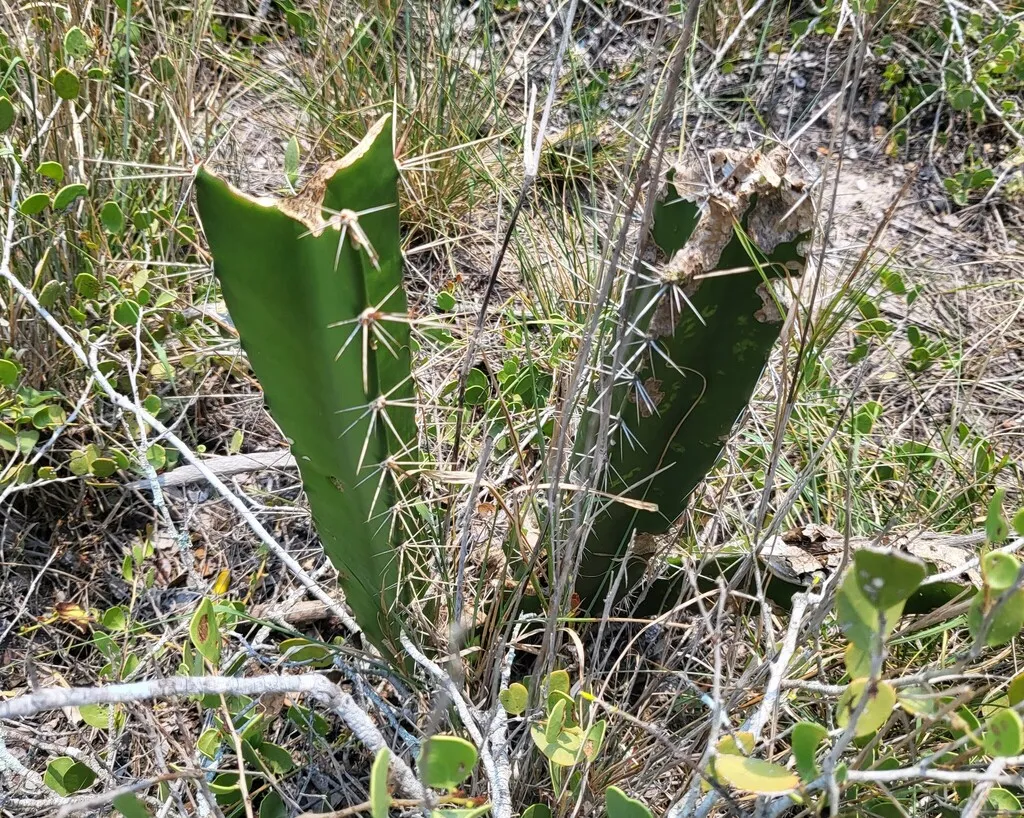
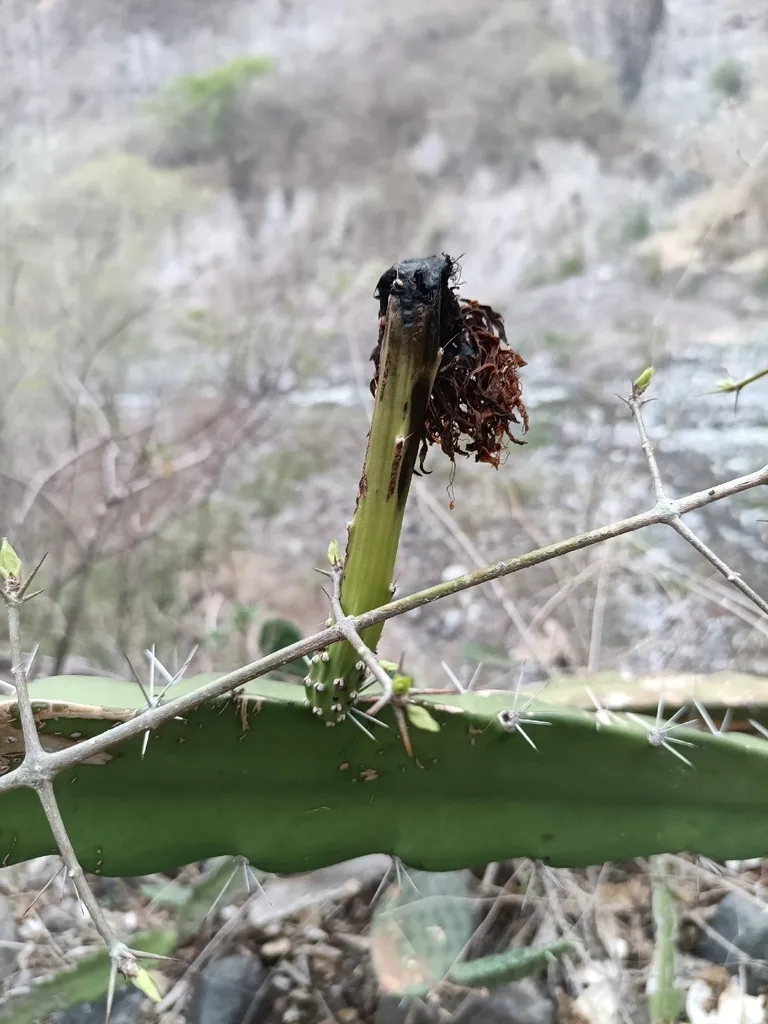
Fairy Castle Cactus pictures

Distribution of Fairy Castle Cactus
Distribution map
- Native
- Introduced
- Cultivated
Source:WCVP v16 · Royal Botanic Gardens, Kew · CC BY 3.0 · Boundaries:WGSRPD / TDWG
Toxicity
Non-toxic to humans and pets.
Fairy Castle Cactus care guide
- Water deeply only when soil is completely dry; allow pot to drain fully.
- Watering
- Full sun
- Sunlight
- 18 – 28 °C
- Ideal temperature

Watering
Water deeply only when soil is completely dry; allow pot to drain fully.
Fertilizing
 Fertilizing
Once a month during growing season (spring to summer).
Pruning
 Pruning
Prune only to remove dead or damaged stems; use clean, sharp shears. No regular shaping required.
Propagation
 Propagation
Propagate by stem cuttings in spring or early summer. Take a 5-10 cm stem segment, let the cut end callus for a few days, then insert into a moist cactus mix. Keep in bright, indirect light at 20-25°C until roots form. Offsets can also be removed and potted separately.
Growing
 Growing
Grow in bright, direct sunlight; a south-facing window is ideal. Use a very well-draining cactus or succulent mix. Water thoroughly only when the soil is completely dry, and reduce watering in winter to once a month or less. Fertilize sparingly with a balanced cactus fertilizer diluted to half strength once a month during the growing season (spring to summer). Protect from temperatures below 10°C; keep indoors if frost is expected.
Common pests and diseases
Diseases
Susceptible to root rot if overwatered or soil is poorly drained. Avoid waterlogging and ensure adequate drainage.
Pests
May be infested by mealybugs, scale insects, and spider mites, especially in dry indoor air. Wipe off with alcohol or use insecticidal soap.
Explore the plant health library →




