



Planting and Growing Red Ivy

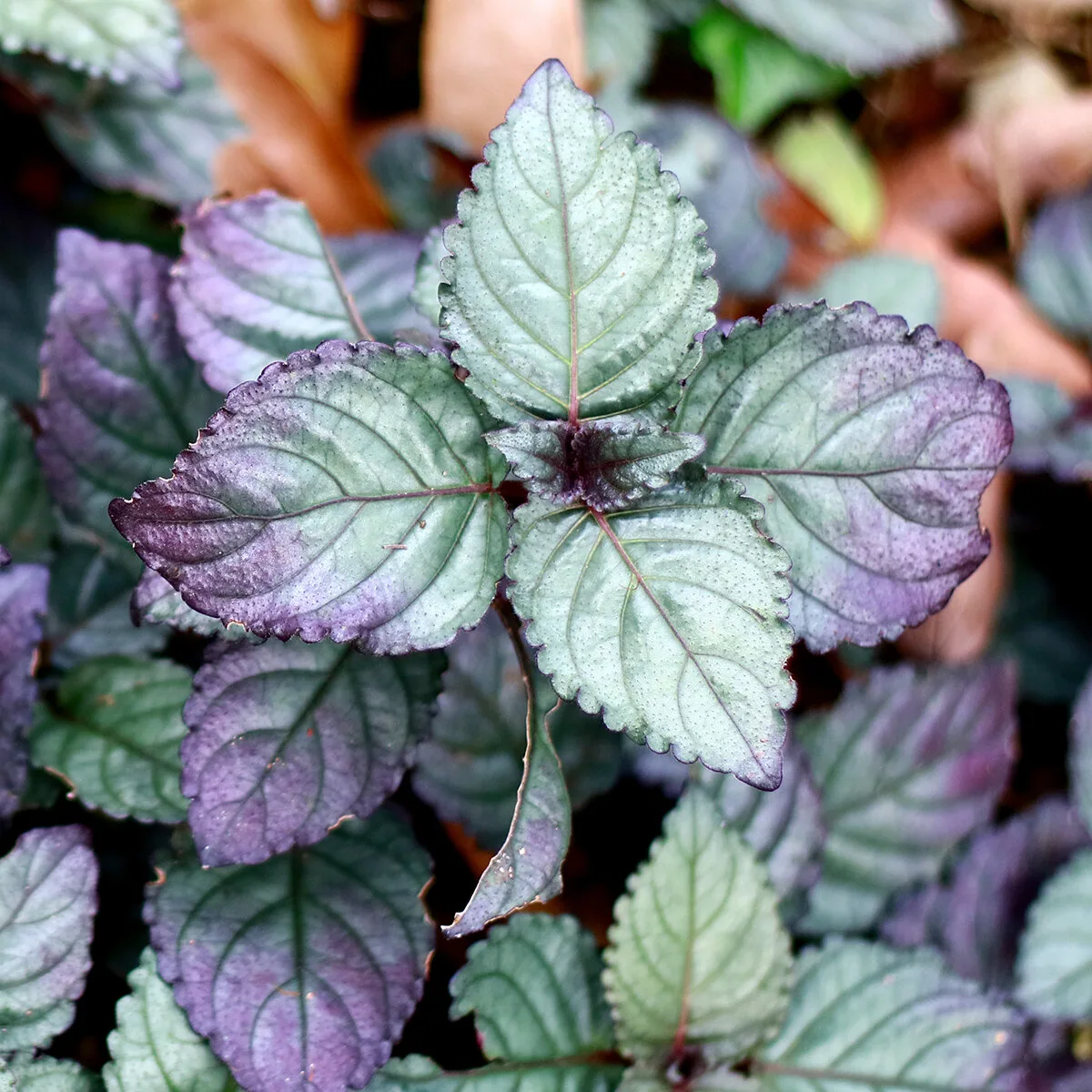
| Care difficulty | 3 / 5 |
|---|---|
| Watering schedule | Keep soil evenly moist |
| Sunlight requirements | Bright indirect light |
| Ideal temperature | 18 – 27 °C |
| Soil type | Loam · Peat |
| Soil pH | Acid |
| Soil moisture | Moist but well drained |
| Fertilizing | Every 4 weeks during growing season |
| Toxicity | Non-toxic to humans and pets. |
How to Water Red Ivy?
Keep soil evenly moist
Learn more →What Are the Sunlight Requirements for Red Ivy?
Bright indirect light
Learn more →What Is the Ideal Temperature Range for Red Ivy?

18 – 27 °C
Learn more →What Soil Is Best for Red Ivy?
- Soil type
- Loam · Peat
- Soil pH
- Acid
What Are the Moisture Requirements for Red Ivy?
Moist but well drained
Learn more →How to Fertilize Red Ivy?

Every 4 weeks during growing season
Learn more →How to Prune Red Ivy?

Prune in early spring to shape the plant and remove any leggy or damaged stems. Pinch back growing tips to encourage bushier growth.
Learn more →How to Propagate Red Ivy?

Propagate from stem cuttings taken in spring or early summer. Cut a 5-8 cm section below a node, remove lower leaves, and insert into moist cutting compost. Cover with a plastic bag or place in a propagator to maintain high humidity. Roots usually form within 2-3 weeks at 20-25°C.
Learn more →How to Plant Red Ivy?
Grow Hemigraphis alternata in bright, indirect light; avoid direct sun which can scorch the leaves. Use a well-draining, peat-based potting mix and keep the soil consistently moist during the growing season, but reduce watering in winter. Feed monthly with a balanced liquid fertilizer from spring to autumn. The plant prefers high humidity, so mist regularly or place on a humidity tray. Maintain minimum winter temperatures above 10°C, as it is not frost-hardy.
Learn more →Common Pests & Diseases

Diseases
Susceptible to root rot if overwatered or grown in poorly drained soil. Foliar fungal diseases may occur in overly humid conditions with poor air circulation.
Pests
Aphids and spider mites can occasionally infest the plant, especially in dry indoor air. Regular misting and wiping of leaves help prevent infestations.
Explore the plant health library →Troubleshooting
Root Rot, Mushy Stems, or Lower Leaf Drop
Red Ivy (Hemigraphis alternata) has metallic purple-green foliage that loses its rich purple coloration in dim light; waterlogging and stagnant cool air are the primary causes of collapse.
| What you notice | Possible explanation | What to check next |
|---|---|---|
| Lower stems turn dark, soft, or water-soaked and leaves drop while soil is wet | Overwatering, oversized pot, or heavy poorly drained compost causing root/crown rot | Check pot drainage and feel whether the potting mix stays soggy |
| Leaves look limp and dull while the potting mix is dry and pulling away from pot edges | Underwatering or root-bound soil drying too quickly | Check soil moisture two inches down and observe pot weight |
| Foliage color fades to dull green with long stretched internodes | Insufficient bright indirect light | Inspect top growth vigor and light placement |
- Pot in a light, fast-draining peat-free mix amended with perlite in a container with drainage holes, avoiding oversized pots.
- Allow the top one to two inches of mix to dry slightly between thorough waterings and empty saucers immediately.
- Move into bright, indirect light (filtered east or west exposure) and keep away from cold drafts below 12–15°C (54–59°F).
- Pinch growing tips in spring to promote bushy fullness and root healthy stem cuttings if the base becomes bare.
Stop watering immediately if stems turn soft and black at the base; take clean upper cuttings before rot spreads.
Leaf Scorch, Grey Mould, or Sap-Sucking Pests
Direct sun, wet foliage in stagnant air, or indoor pests like spider mites and aphids can blemish foliage.
| What you notice | Possible explanation | What to check next |
|---|---|---|
| Bleached tan or crispy scorched patches on leaves facing bright windows | Direct sunlight burning shade-adapted foliage | Check whether direct midday or afternoon sun hits the leaves |
| Fuzzy grey mould on damp lower leaves or petioles | Botrytis grey mould in cool, humid, poorly ventilated conditions | Inspect crowded lower foliage near the soil surface |
| Curled new leaves, sticky residue, or fine webbing on leaf undersides | Aphids, mealybugs, or spider mites | Examine shoot tips and leaf undersides closely |
- Filter harsh sunlight with a sheer curtain or move slightly back from sunny windows.
- Water at the soil line rather than over the foliage, and improve air circulation around dense growth.
- Isolate pest-affected plants and wipe leaves or treat with insecticidal soap per label directions.
Keep potted foliage slightly spaced apart so air moves freely around lower petioles.
The Toxicity of Red Ivy
Non-toxic to humans and pets.