



Planting and Growing Ampullaria Pitcher Plant

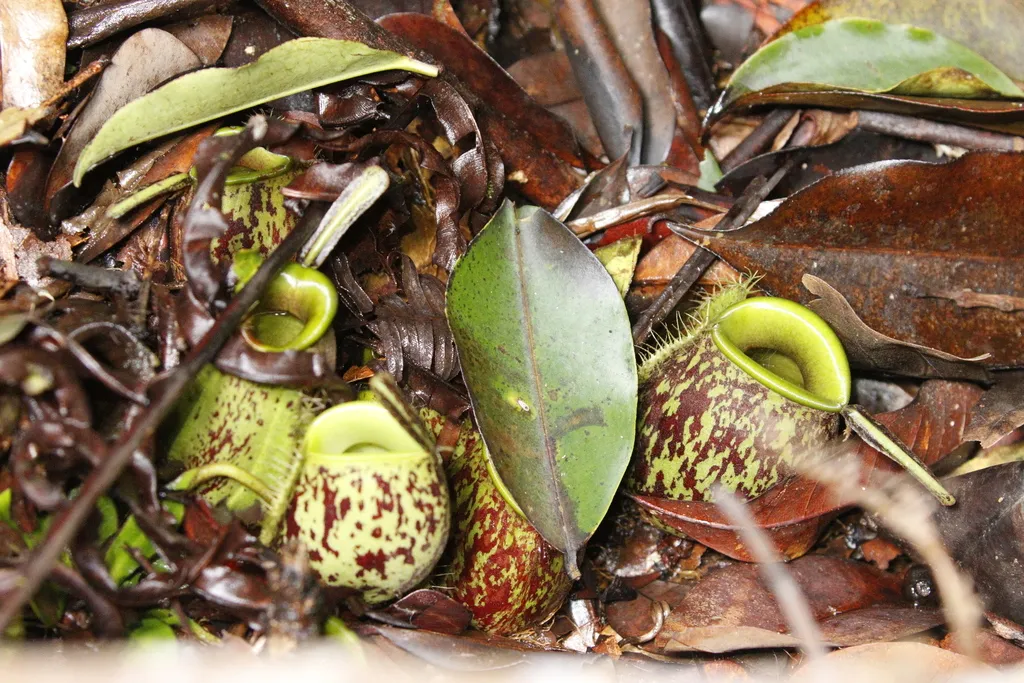
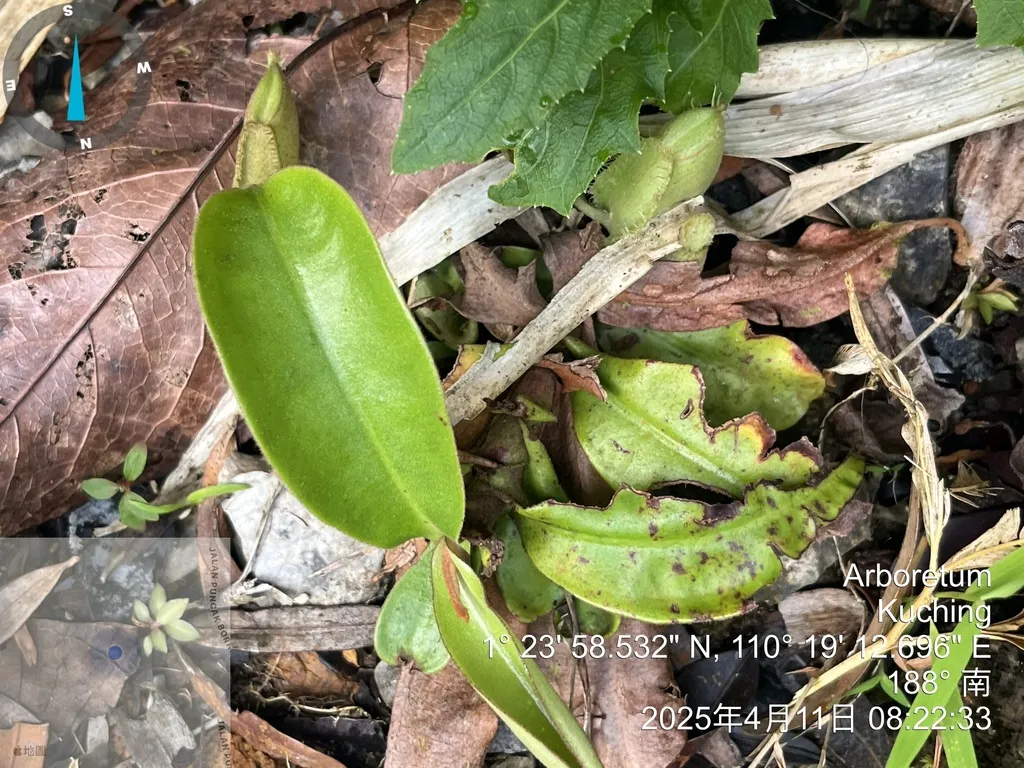
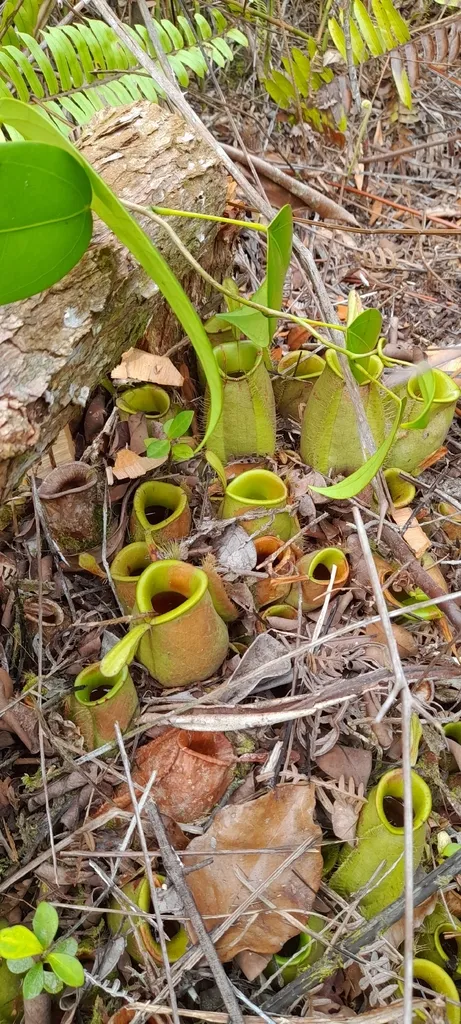
| Care difficulty | 4 / 5 |
|---|---|
| Watering schedule | Keep soil moist at all times; use rain or distilled water to avoid mineral buildup. |
| Sunlight requirements | Bright indirect light · Partial shade |
| Ideal temperature | 22 – 30 °C |
| Soil type | Peat |
| Soil pH | Acid |
| Soil moisture | Moist but well drained |
| Fertilizing | Monthly during growing season with dilute orchid or carnivorous plant fertilizer. |
| Toxicity | Non-toxic to humans and pets. |
How to Water Ampullaria Pitcher Plant?
Flask-shaped pitcher-plant thrives in humid environments, native to tropical rainforests where water is abundant. It has adapted to retain a balance of moisture, showing preference for high humidity. The plant requires watering twice a week to maintain its health. Being an evergreen species, flask-shaped pitcher-plant retains its leaves throughout the year, ensuring continuous transpiration and thus necessitating consistent hydration.
Learn more →What Are the Sunlight Requirements for Ampullaria Pitcher Plant?
Most pitcher plants thrive in partial sunlight, but there are some that prefer partial shade (more shade hours than partial sunlight). 3-4 hours of direct sun a day will allow the plant to achieve its best colors, with bright, indirect light ideal for the rest of the day. A lack of direct sunlight makes the plant weak and poorly-colored. The energy obtained by photosynthesis facilitates the growth of the plant traps.
Learn more →What Is the Ideal Temperature Range for Ampullaria Pitcher Plant?

Most pitcher plants prefer warmer temperatures and can survive in a temperature range of 16 to 32 ℃. Night temperatures can be slightly cooler than daytime temperatures, but a minimum of no less than 13 ℃ is recommended. If your plant is a Highland species, it can adapt to relatively cooler temperatures; Lowland varieties adapt to relatively warm temperatures. Only in tropical environments can you grow this plant in the garden and keep it outdoors. For best results, grow it indoors, or in a pot or hanging basket that can be moved indoors. High humidity is also a must for these plants, or else they will turn brown or blue. Frequent misting is recommended if the humidity in your area is not high enough.
Learn more →What Soil Is Best for Ampullaria Pitcher Plant?
The flask-shaped pitcher-plant thrives with good air circulation and light, well-drained, porous soil, although it possesses the ability to tolerate multiple potting mixtures. Ideally, use a soil mixture that is poor in nutrients and allows the water to drain freely. The most suitable medium for growing this plant is a combination of half perlite, charcoal and orchid bark, and half peat moss. Do not use a nutrient-rich potting mix as the flask-shaped pitcher-plant is primed for poor nutrient soil. Nutrients or fertilizers can kill the plant.
- Soil type
- Peat
- Soil pH
- Acid
What Are the Moisture Requirements for Ampullaria Pitcher Plant?
Moist but well drained
Learn more →How to Fertilize Ampullaria Pitcher Plant?

The flask-shaped pitcher-plant does not require fertilizers. In ideal conditions, the plant will get all of its food and nutrition by feeding on insects, trapping them in their pitcher-shaped leaves. In the wild, the plant thrives without any nutrient supplementation. However, pot-bound plants and seedlings that have not formed pitchers properly may benefit from a dose of a balanced fertilizer.
Learn more →How to Prune Ampullaria Pitcher Plant?

Flask-shaped pitcher-plant boasts distinctive, flask-shaped pitchers. Prune in early to late spring to shape and remove dead or damaged leaves. Focus on cutting back overgrown stems to encourage new growth and enhance air circulation. Avoid heavy pruning, as excessive cutting can stress the plant. Regular pruning helps maintain its beauty and health, preventing fungal issues and pest infestations. This method ensures flask-shaped pitcher-plant remains vibrant and vigorous throughout its growing season.
Learn more →How to Propagate Ampullaria Pitcher Plant?

Flask-shaped pitcher-plant can be effectively propagated through stem cuttings. Ensure cuttings are taken from healthy, vigorous sections of the parent plant and include several nodes. Use a rooting hormone for better success rates and plant in a well-drained, moisture-retentive medium. A protected environment with high humidity, such as a greenhouse, is ideal for encouraging root development. Regular misting helps maintain necessary humidity levels. Once cuttings establish a robust root system, gradually acclimatize them to the ambient conditions.
Learn more →How to Transplant Ampullaria Pitcher Plant?
The prime time to transplant flask-shaped pitcher-plant is from the awakening of spring until the doorstep of summer, providing a gentle climate for root establishment. Choose a dappled light location with high humidity. Ensure delicate handling to avoid damaging the tendrils.
Learn more →How to Plant Ampullaria Pitcher Plant?
Growing the flask-shaped pitcher-plant is a work of patience. The best way to plant it is with cuttings; although it can also be grown from seed, it will take a few years for a new plant to blossom. Potted plants will need to be transplanted every 3-4 years. The old roots should be trimmed and fresh soil should be used. If the plant has outgrown its container, it should be moved to a larger container.
Learn more →How to Repot Ampullaria Pitcher Plant?
The flask-shaped, ground-dwelling flask-shaped pitcher-plant flourishes when repotted every 2-3 years, preferable in the early growing season to maximize health. Opt for a slightly larger pot with ample drainage. Post-repotting, ensure high humidity and indirect sunlight to aid the recovery of this carnivorous plant, which thrives in consistently moist soil within a specific pH range.
Learn more →Common Pests & Diseases

Diseases
Susceptible to root rot if waterlogged; fungal leaf spots can occur in poor air circulation.
Pests
Mealybugs, scale insects, and aphids can infest; spider mites may appear under dry conditions.
Explore the plant health library →The Toxicity of Ampullaria Pitcher Plant
Non-toxic to humans and pets.