
Ampullaria Pitcher Plant
Also known as: Ampullaria Pitcher Plant, Lowland Pitcher Plant
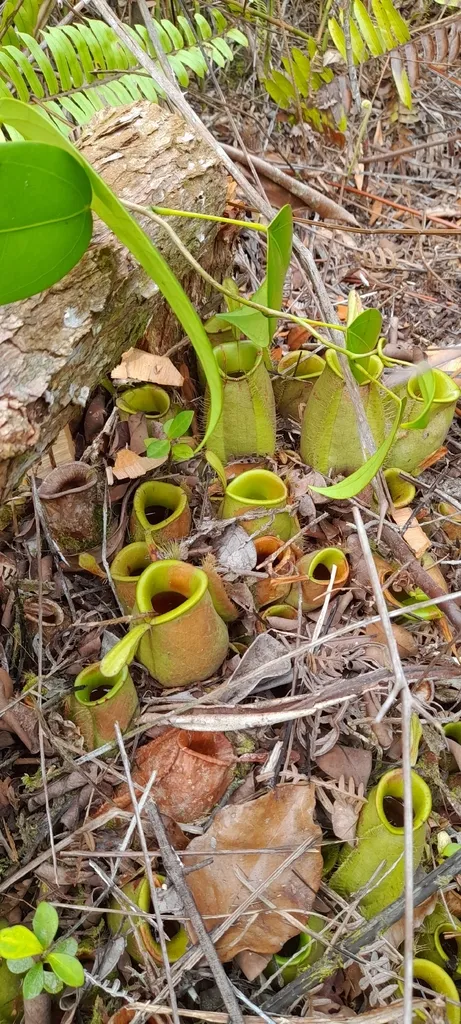
Nepenthes ampullaria is a distinctive tropical pitcher plant with leathery, elliptical leaves that terminate in unique, urn-shaped pitchers. The pitchers are typically green with reddish speckles, and the lid remains open to collect falling leaf litter, which supplements its nutrient intake. This species has a sprawling, climbing growth habit and forms dense clumps in its native habitat. Its primary ornamental value lies in the unusual, colorful pitchers that appear throughout the growing season.
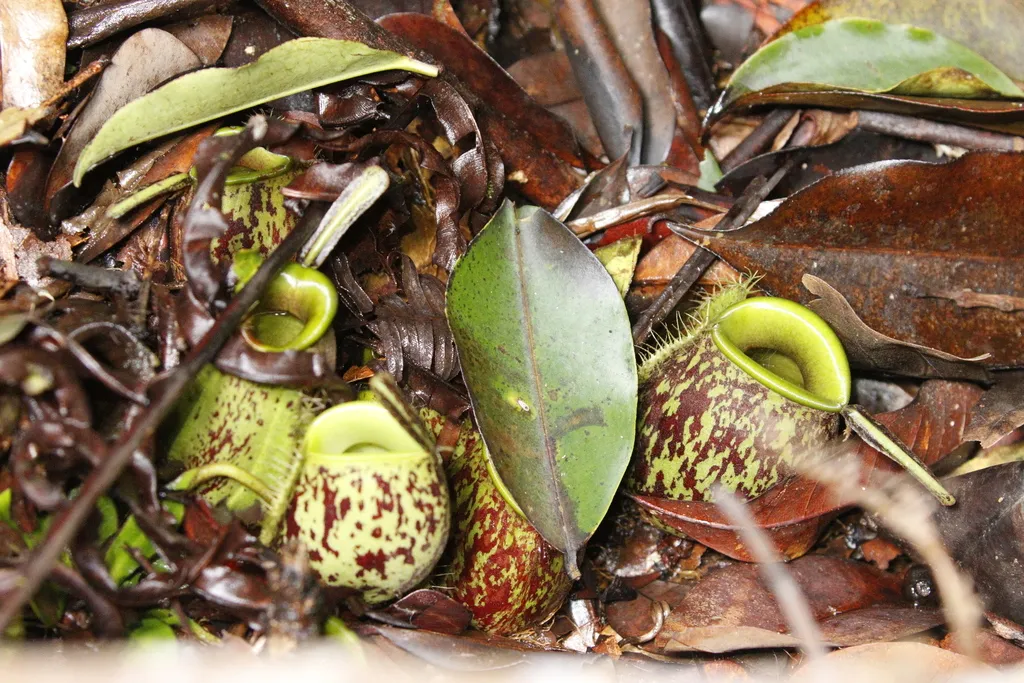
Scientific classification
- Species
- Ampullaria Pitcher Plant (Nepenthes ampullaria)
- Genus
- Information to be completed
- Family
- Nepenthaceae
- Non-toxic to humans and pets.
- Toxicity
- Houseplants · Conservatory Greenhouse
- Plant type
- 0.3 - 1.0 metres
- Height
- 0.5 - 1.0 metres
- Spread
- Evergreen
- Foliage
- Climbing · Spreading
- Habit
- Spring · Summer · Autumn
- Season of interest
- Bright indirect light · Partial shade
- Sunlight
- 22 – 30 °C
- Ideal temperature









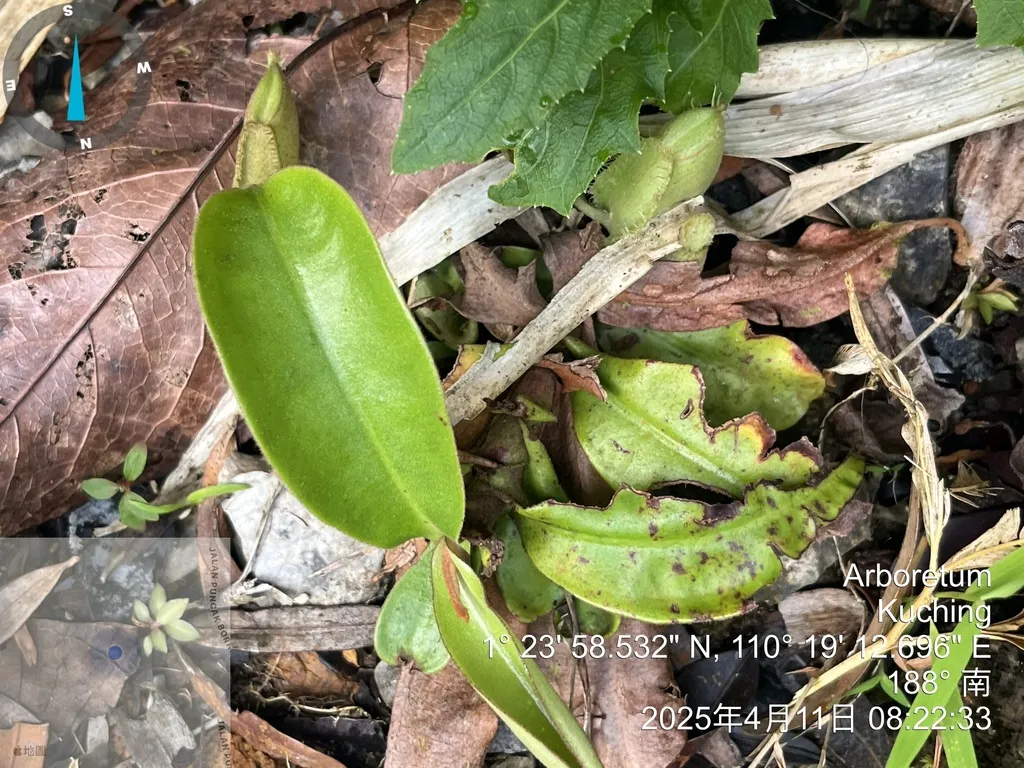
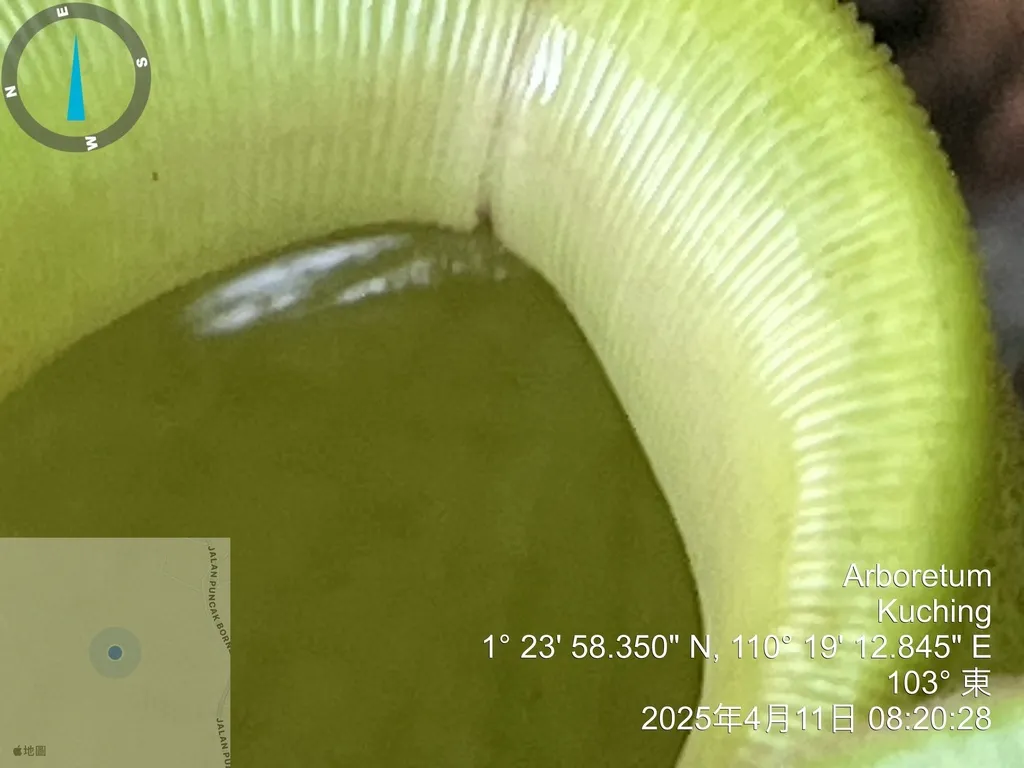
Ampullaria Pitcher Plant pictures
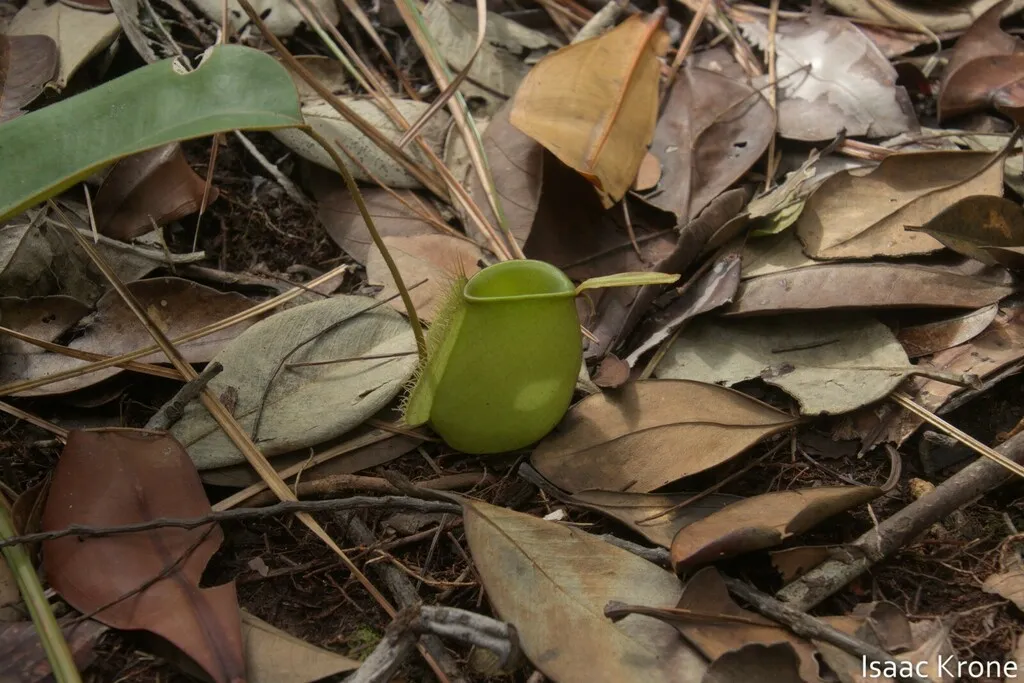
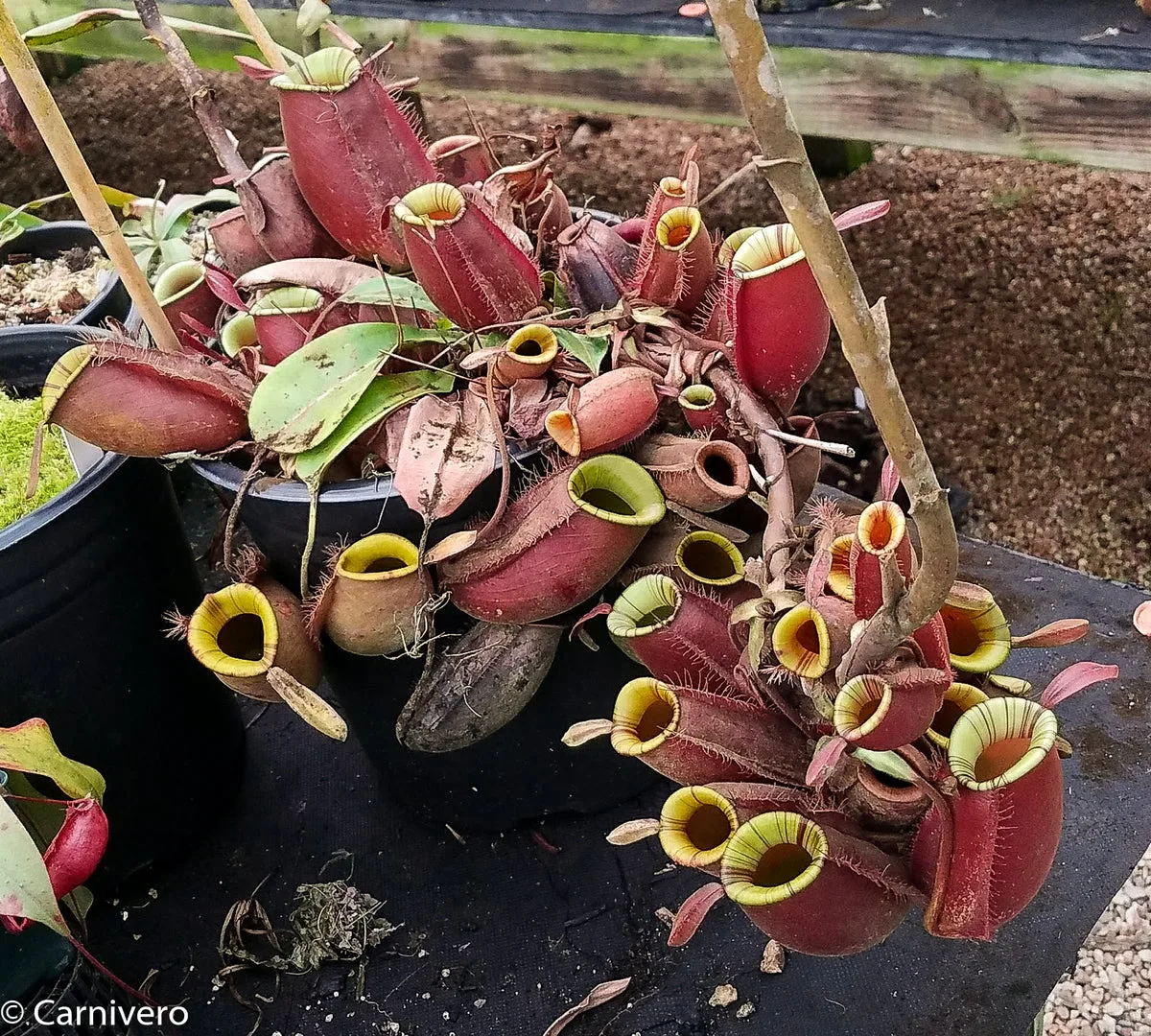
Distribution of Ampullaria Pitcher Plant
Distribution map
- Native
- Introduced
- Cultivated
Source:WCVP v16 · Royal Botanic Gardens, Kew · CC BY 3.0 · Boundaries:WGSRPD / TDWG
Toxicity
Non-toxic to humans and pets.
Ampullaria Pitcher Plant care guide
- Keep soil moist at all times; use rain or distilled water to avoid mineral buildup.
- Watering
- Bright indirect light · Partial shade
- Sunlight
- 22 – 30 °C
- Ideal temperature

Watering
Keep soil moist at all times; use rain or distilled water to avoid mineral buildup.
Fertilizing
 Fertilizing
Monthly during growing season with dilute orchid or carnivorous plant fertilizer.
Pruning
 Pruning
Remove dead leaves and dried pitchers to encourage new growth and prevent rot.
Propagation
 Propagation
Propagate by stem cuttings with at least two nodes; insert into damp sphagnum moss and keep under high humidity and warmth (25–30°C). Seed propagation is also possible but requires sterile conditions and patience. Best done in spring or early summer.
Growing
 Growing
Grow in bright, indirect light or partial shade; avoid direct sun which can scorch leaves. Use a well-draining mix of peat moss and perlite, and keep consistently moist with rainwater or distilled water. Maintain high humidity (80% or more) by misting or using a terrarium. Ideal temperatures are 25–30°C during the day and 20–25°C at night; do not allow temperatures to drop below 15°C. Fertilize monthly during the growing season with a diluted orchid or carnivorous plant fertilizer applied to the leaves or pitchers.
Common pests and diseases
Diseases
Susceptible to root rot if waterlogged; fungal leaf spots can occur in poor air circulation.
Pests
Mealybugs, scale insects, and aphids can infest; spider mites may appear under dry conditions.
Explore the plant health library →




