



Planting and Growing cat tail

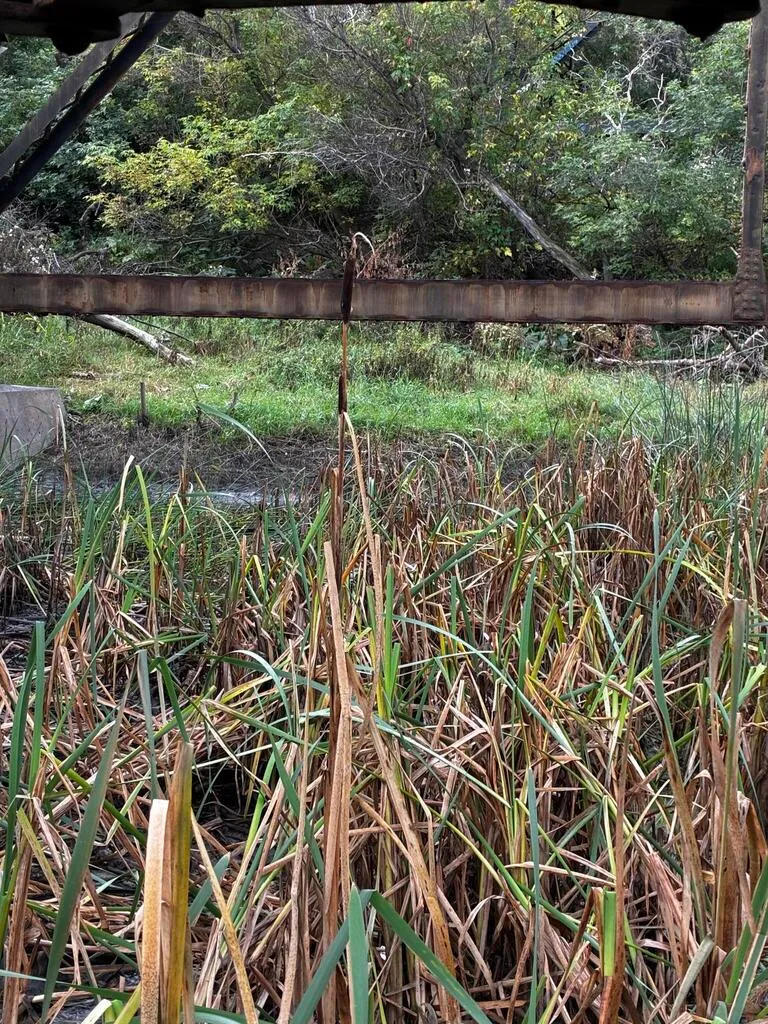
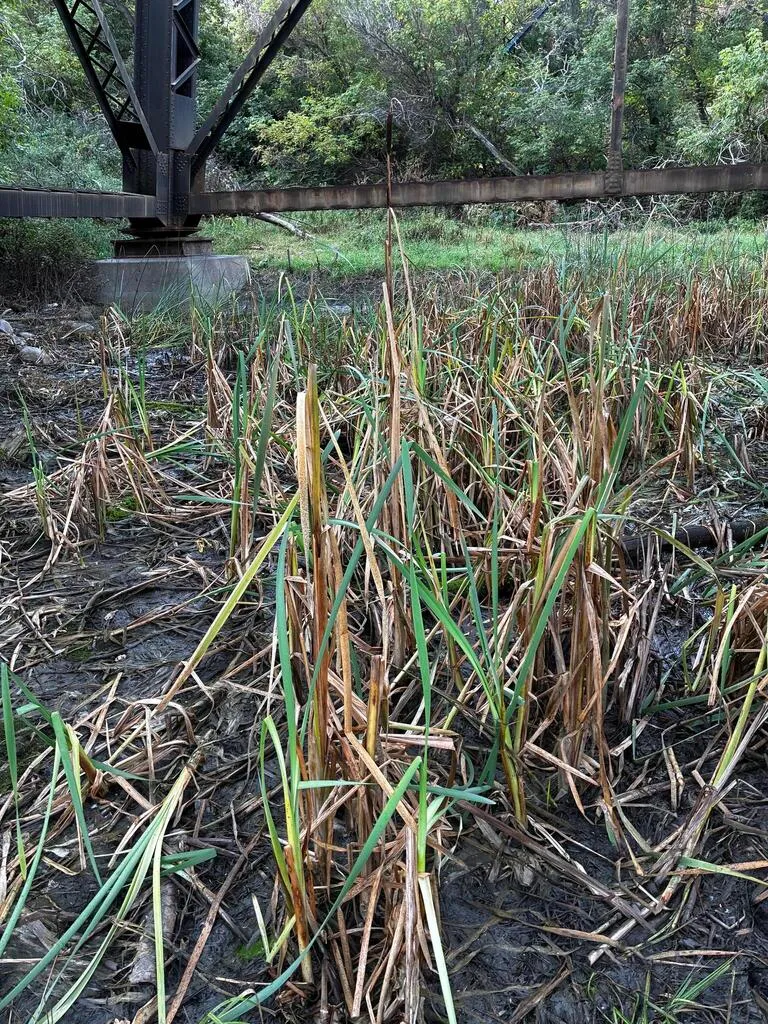
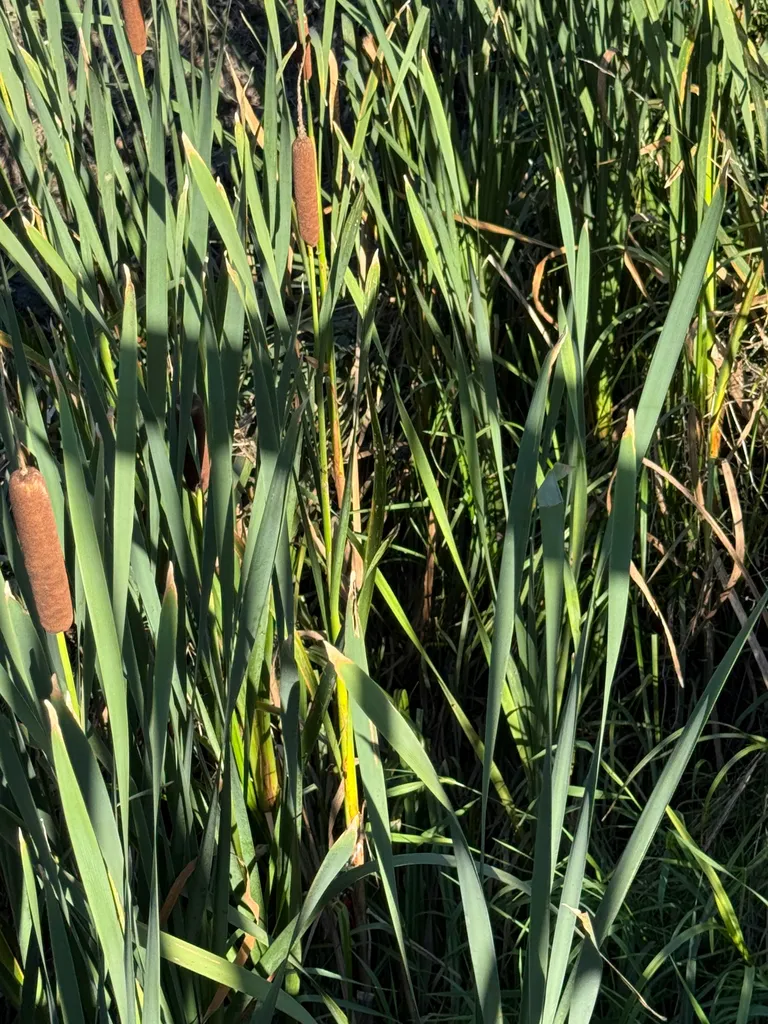
| Care difficulty | 2 / 5 |
|---|---|
| Watering schedule | Keep soil consistently moist to wet, never allowing roots to dry |
| Sunlight requirements | Full sun |
| Ideal temperature | Information to be completed |
| Soil type | Clay · Loam |
| Soil pH | Acid · Alkaline · Neutral |
| Soil moisture | Poorly drained |
| Fertilizing | Light balanced feed in spring and early summer growth |
| Toxicity | Information to be completed |
How to Water cat tail?
Keep soil consistently moist to wet, never allowing roots to dry
Learn more →What Are the Sunlight Requirements for cat tail?
Full sun
Learn more →What Is the Ideal Temperature Range for cat tail?

Information to be completed
Learn more →What Soil Is Best for cat tail?
- Soil type
- Clay · Loam
- Soil pH
- Acid · Alkaline · Neutral
What Are the Moisture Requirements for cat tail?
Poorly drained
Learn more →How to Fertilize cat tail?

Light balanced feed in spring and early summer growth
Learn more →How to Prune cat tail?

Remove dead leaves and old flower stems before the onset of new growth in spring
Learn more →How to Propagate cat tail?

Propagate by division in spring
Learn more →How to Transplant cat tail?
Information to be completed
Learn more →How to Care for cat tail in Winter?

Information to be completed
Learn more →How to Plant cat tail?
Plant in fertile, boggy soil or pond margins at up to 30cm water depth in a sunny spot. Has the potential to become a nuisance and can puncture pond liners
Learn more →How to Repot cat tail?
Information to be completed
Learn more →How to Harvest cat tail?

Information to be completed
Learn more →Common Pests & Diseases

Diseases
Generally disease-free
Pests
Generally pest-free
Explore the plant health library →The Toxicity of cat tail
Information to be completed