
cat tail
Also known as: asparagus of the Cossacks; baccobolts; blackcap; blackhead; bull segg; bulrush; candlewick; cat o' nine tails; dod; flax tail; great reedmace; March beetle; marsh beetle; marsh pestle; mat reed; nailrod; water torch; cat's tail
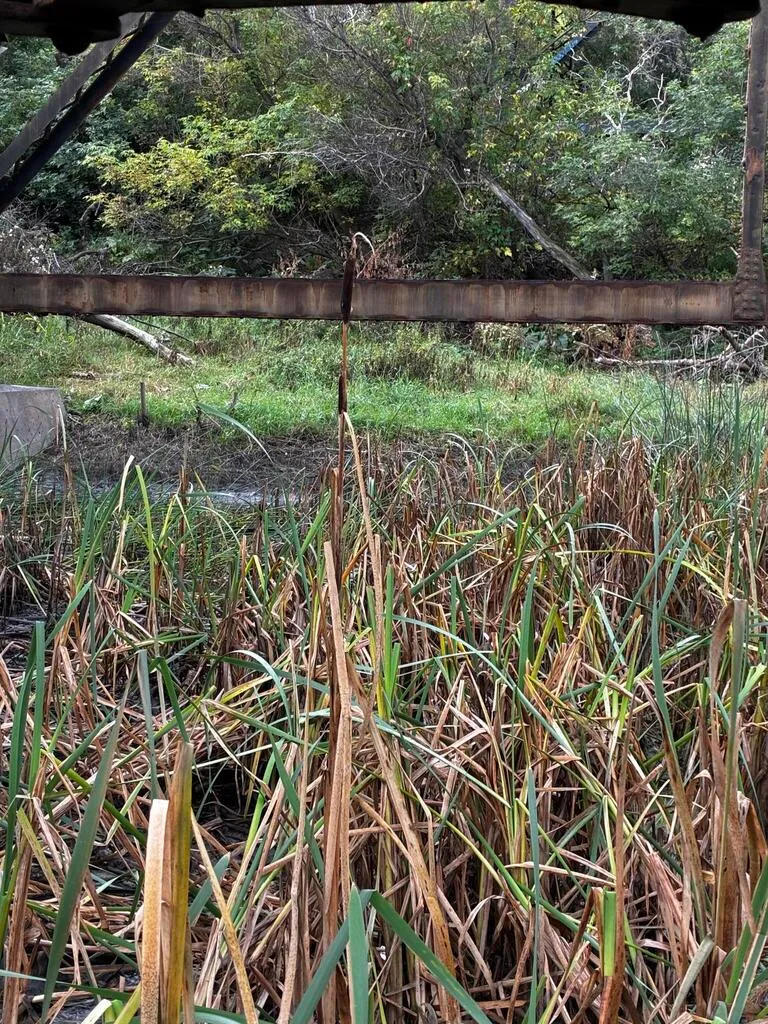
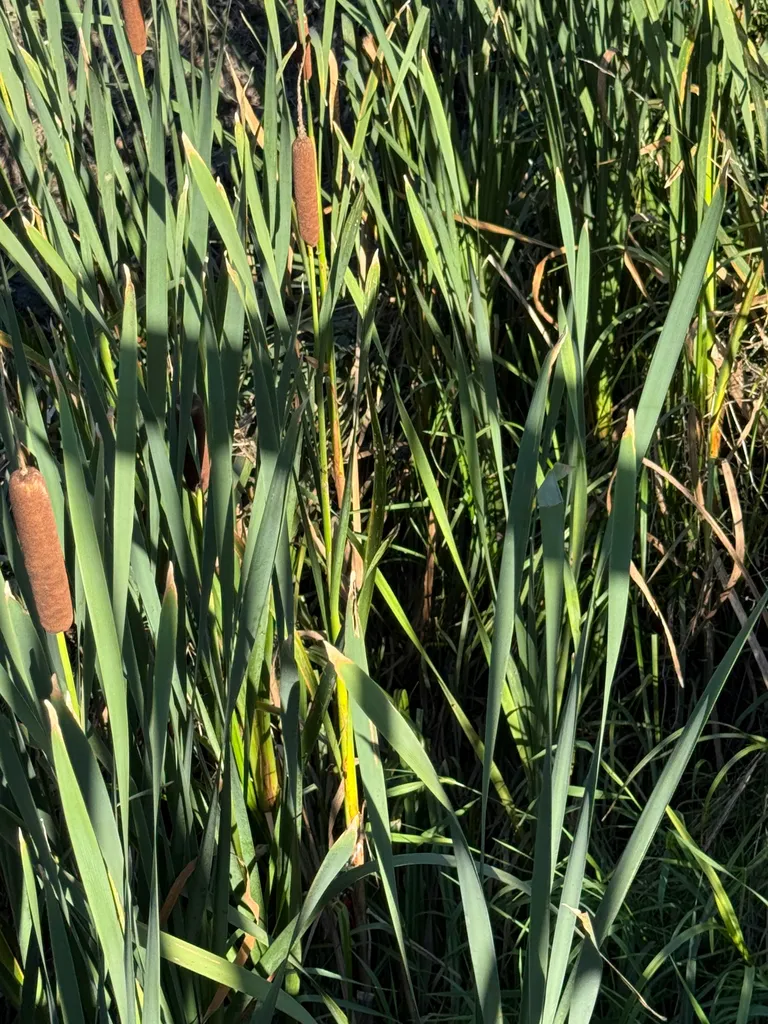
A very robust, invasive deciduous perennial with long, strappy green leaves. Upright growth to a height of 2m or more with brown 'bullrush'-style flower spikes
Scientific classification
- Species
- cat tail (Typha latifolia)
- Genus
- Typha
- Family
- Typhaceae
- Information to be completed
- Toxicity
- Aquatic · Herbaceous Perennial · Grass Like
- Plant type
- 1.5-2.5 metres
- Height
- wider than 8 metres
- Spread
- Deciduous
- Foliage
- Clump forming · Columnar upright
- Habit
- Spring · Summer · Autumn
- Season of interest
- Full sun
- Sunlight
- Information to be completed
- Ideal temperature









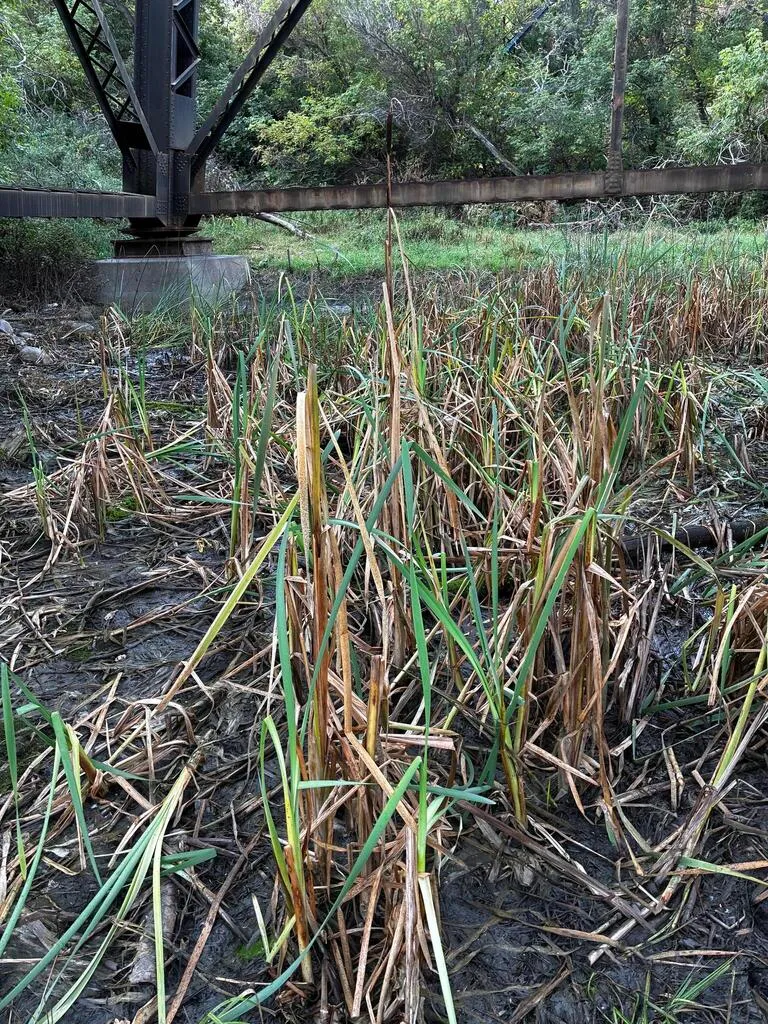
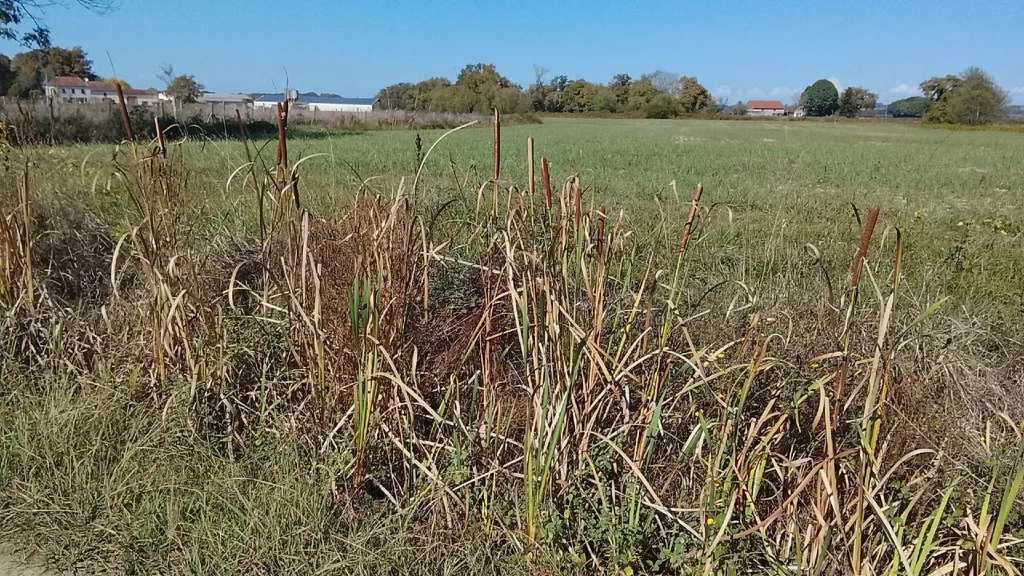
cat tail pictures
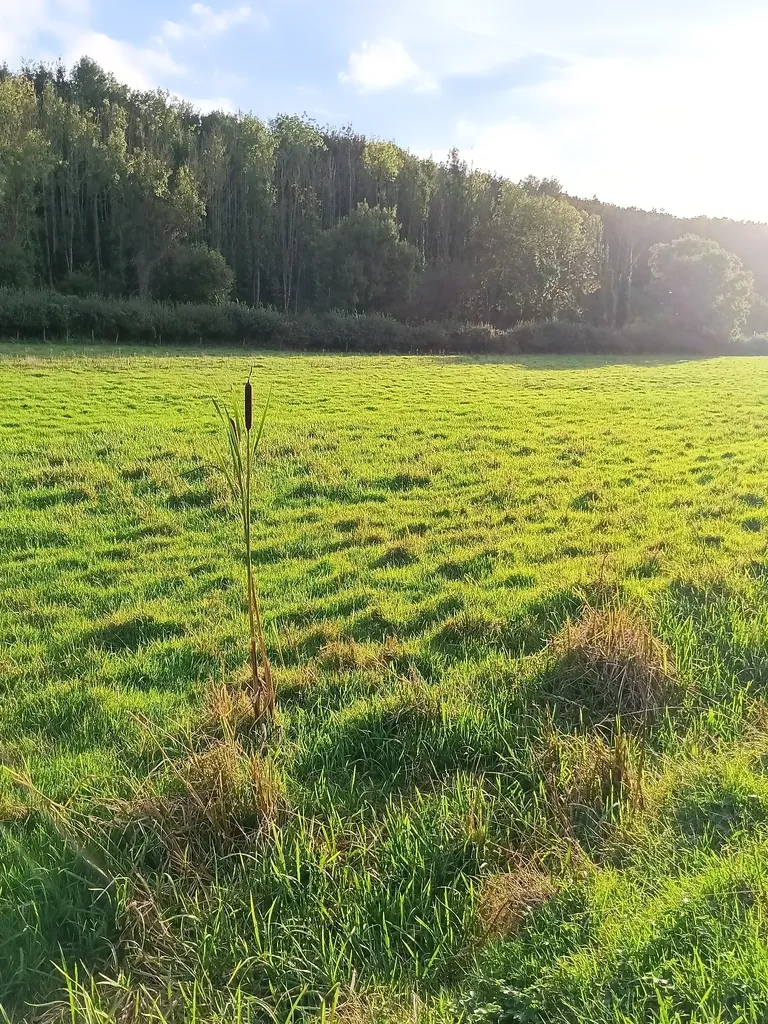
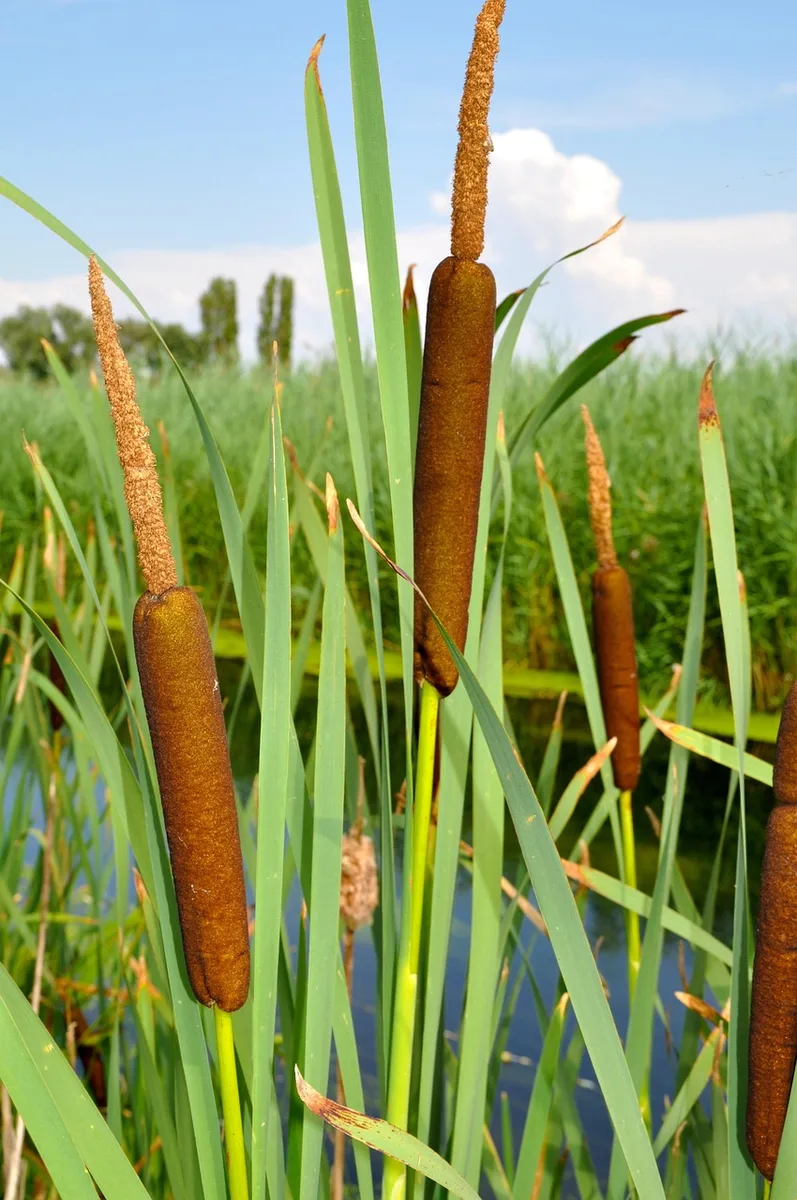
Distribution of cat tail
Distribution map
Europe
Information to be completed
Culture
Information to be completed
Toxicity
Information to be completed
Quick identification of cat tail
Information to be completed
cat tail care guide
- Keep soil consistently moist to wet, never allowing roots to dry
- Watering
- Full sun
- Sunlight
- Information to be completed
- Ideal temperature

Watering
Keep soil consistently moist to wet, never allowing roots to dry
Fertilizing
 Fertilizing
Light balanced feed in spring and early summer growth
Pruning
 Pruning
Remove dead leaves and old flower stems before the onset of new growth in spring
Propagation
 Propagation
Propagate by division in spring
Growing
 Growing
Plant in fertile, boggy soil or pond margins at up to 30cm water depth in a sunny spot. Has the potential to become a nuisance and can puncture pond liners
People also ask
Information to be completed
Common pests and diseases
Diseases
Generally disease-free
Pests
Generally pest-free
Explore the plant health library →




