



Planting and Growing common stinging nettle

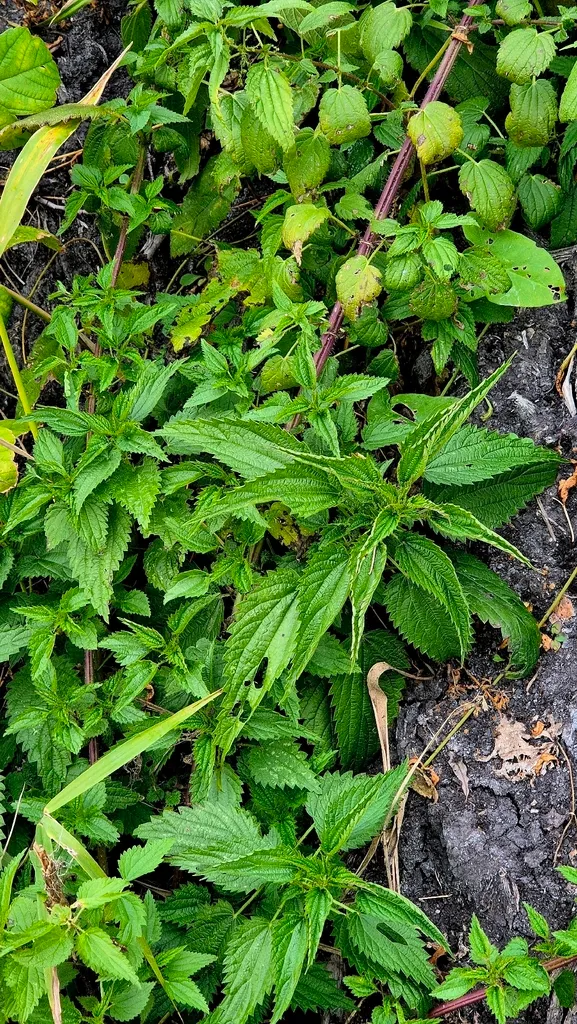
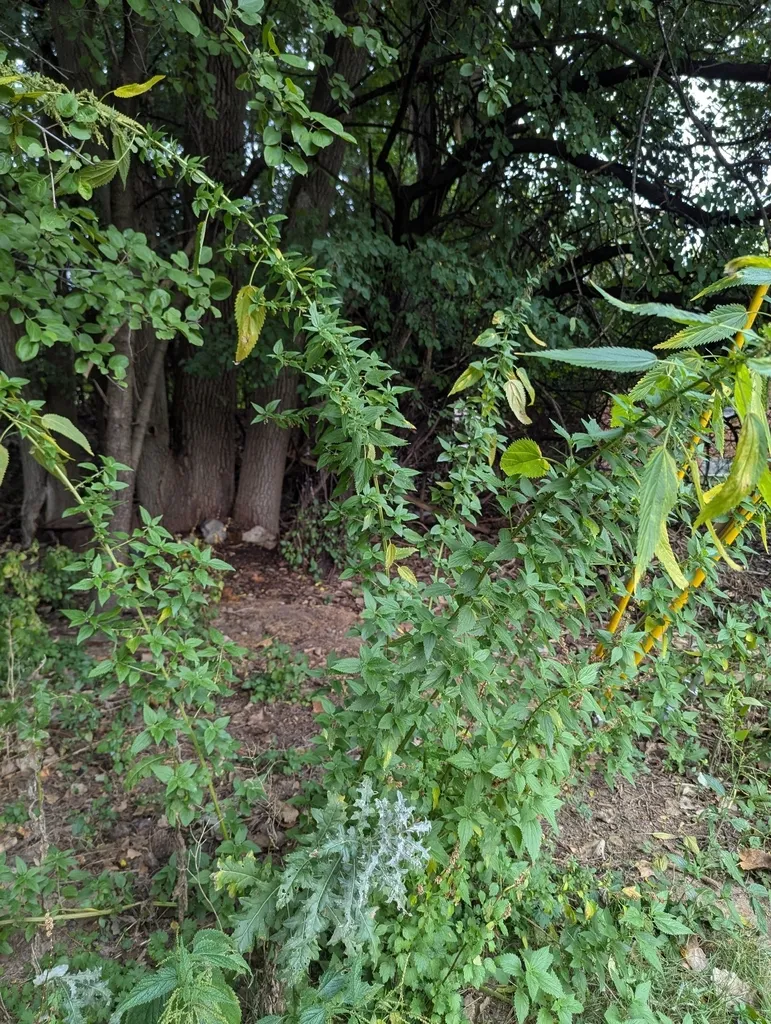
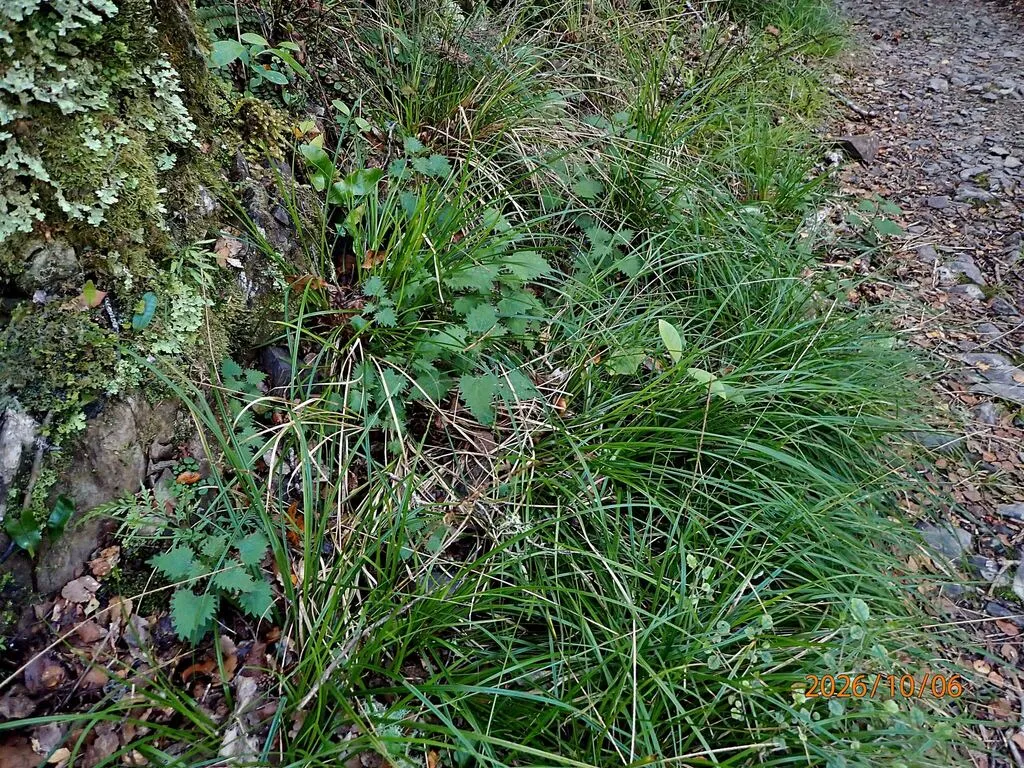
| Care difficulty | 1 / 5 |
|---|---|
| Watering schedule | Moderate regular watering, avoid prolonged drought or waterlogging |
| Sunlight requirements | Full shade · Full sun · Partial shade |
| Ideal temperature | Information to be completed |
| Soil type | Chalk · Clay · Loam · Sand |
| Soil pH | Acid · Alkaline · Neutral |
| Soil moisture | Moist but well drained · Well drained |
| Fertilizing | Balanced feed in spring and light repeat in growth season |
| Toxicity | Skin irritant. Wear gloves and other protective equipment when handling |
How to Water common stinging nettle?
Moderate regular watering, avoid prolonged drought or waterlogging
Learn more →What Are the Sunlight Requirements for common stinging nettle?
Full shade · Full sun · Partial shade
Learn more →What Soil Is Best for common stinging nettle?
- Soil type
- Chalk · Clay · Loam · Sand
- Soil pH
- Acid · Alkaline · Neutral
What Are the Moisture Requirements for common stinging nettle?
Moist but well drained · Well drained
Learn more →How to Fertilize common stinging nettle?

Balanced feed in spring and light repeat in growth season
Learn more →How to Prune common stinging nettle?

No pruning required
Learn more →How to Propagate common stinging nettle?

Spreads naturally by spreading roots and horizontal stems, and by seed
Learn more →How to Plant common stinging nettle?
May be planted for wildlife value and thrives in nitrogen-rich, moist but well-drained soil in a sunny position, but will grow almost anywhere. Self-seeds freely and can be difficult to control or eradicate, but an important source of food for caterpillars and butterflies. See controlling nettles for further advice
Learn more →Common Pests & Diseases

Diseases
Generally disease-free
Pests
Generally pest-free
Explore the plant health library →The Toxicity of common stinging nettle
Skin irritant. Wear gloves and other protective equipment when handling