
common stinging nettle
Also known as: great nettle; stinger; stinging nettle
A herbaceous perennial with spreading roots and creeping horizontal stems able to form large, patches of upright stems, to 1.5m tall, with dark green foliage. Leaves and stems are covered in stinging and non-stinging hairs. Cream or brownish-green, catkin-like flowers are produced from the leaf axils from late spring to early autumn
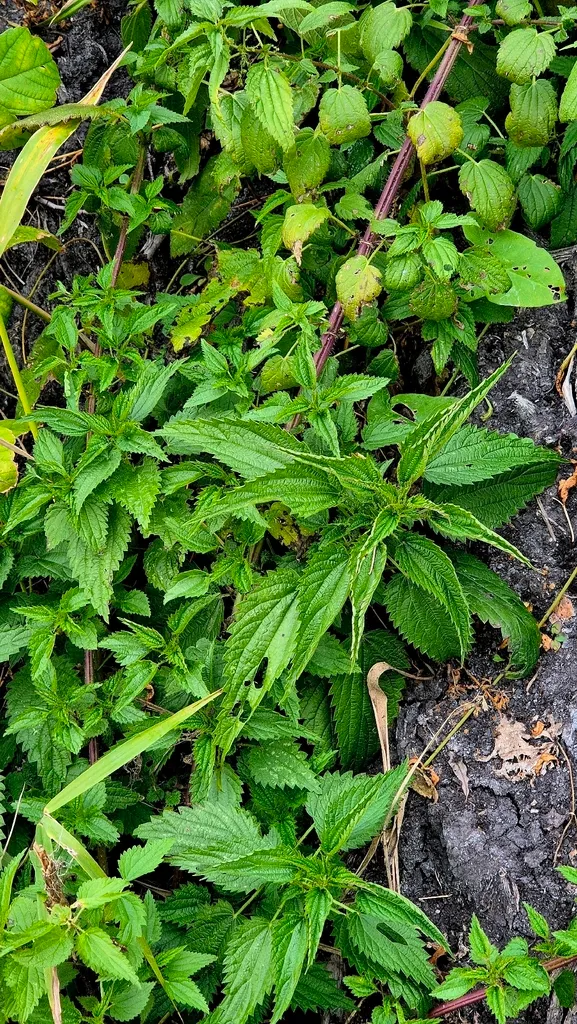
Scientific classification
- Species
- common stinging nettle (Urtica dioica)
- Genus
- Urtica
- Family
- Urticaceae
- Order
- Rosales
- Class
- Magnoliopsida
- Phylum
- Magnoliophyta
- Skin irritant. Wear gloves and other protective equipment when handling
- Toxicity
- Herbaceous Perennial
- Plant type
- 1-1.5 metres
- Height
- 2.5-4 metres
- Spread
- Deciduous
- Foliage
- Clump forming · Matforming
- Habit
- Spring · Summer · Autumn
- Season of interest
- Full shade · Full sun · Partial shade
- Sunlight
- Information to be completed
- Ideal temperature









common stinging nettle pictures
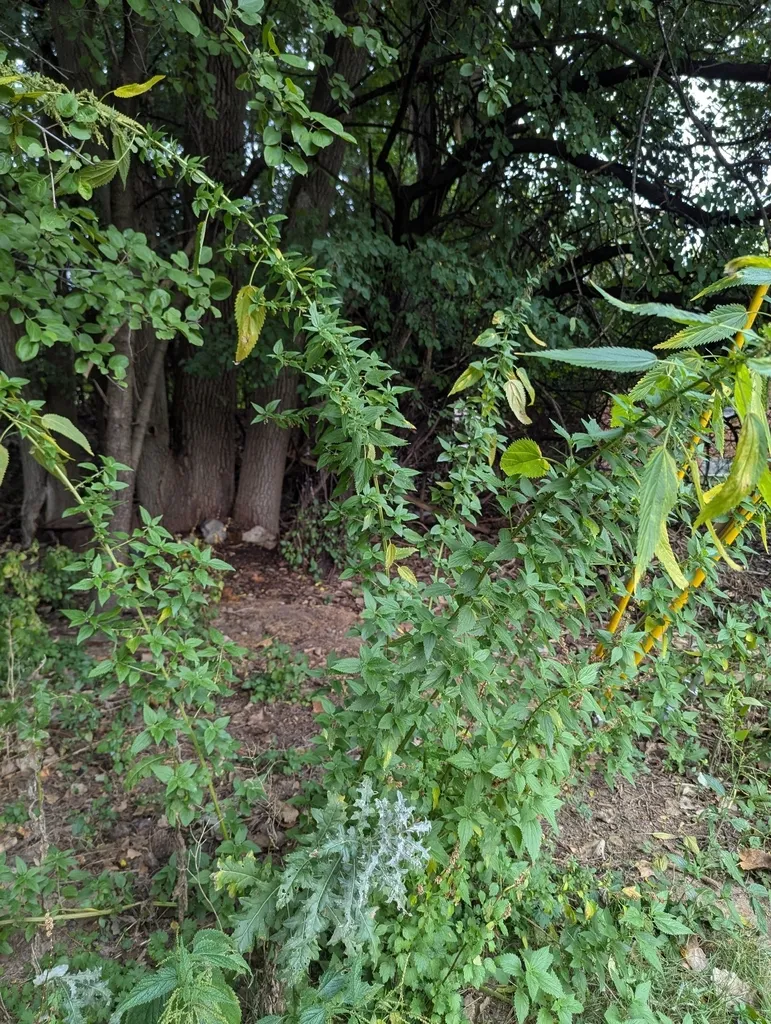
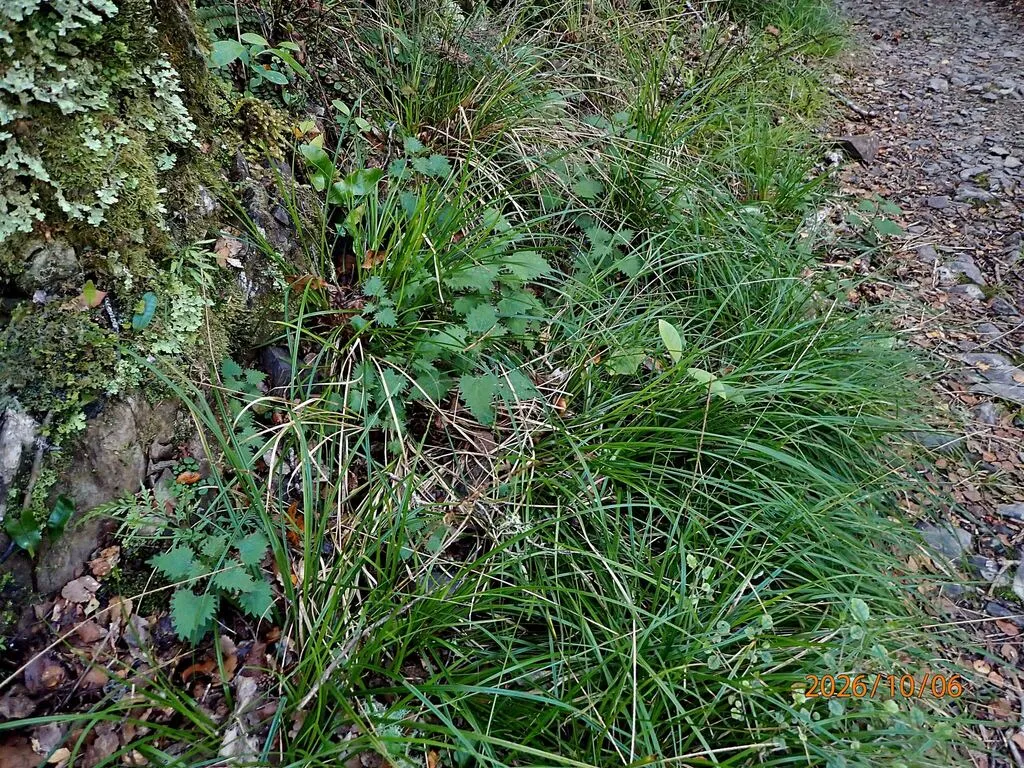
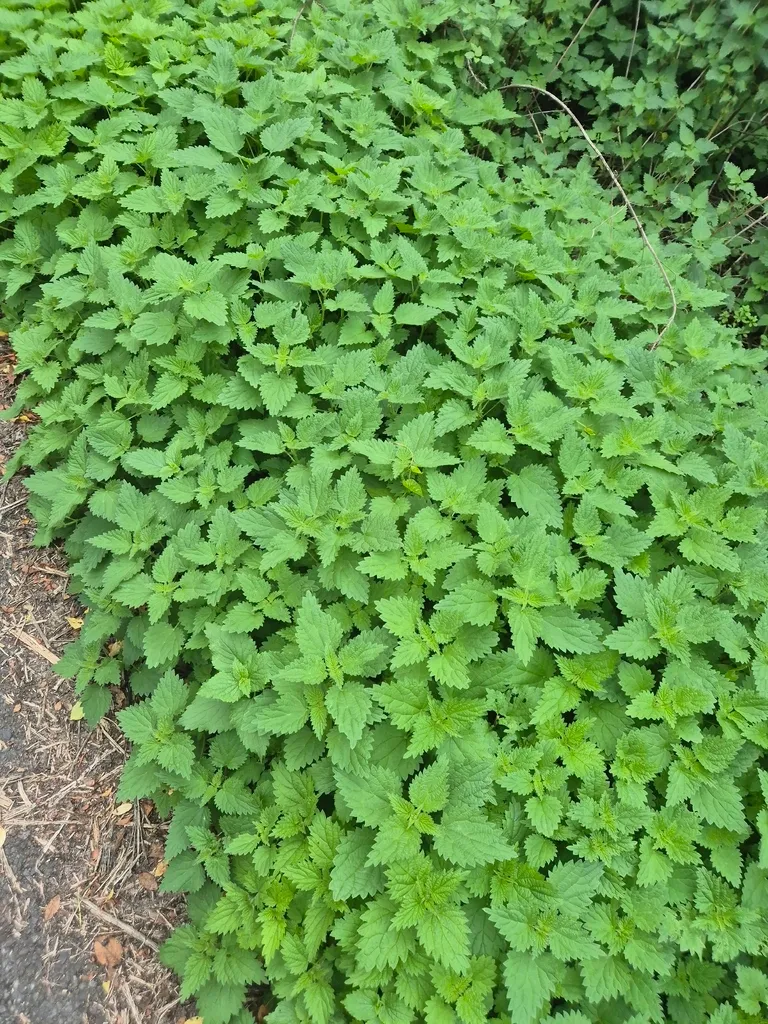
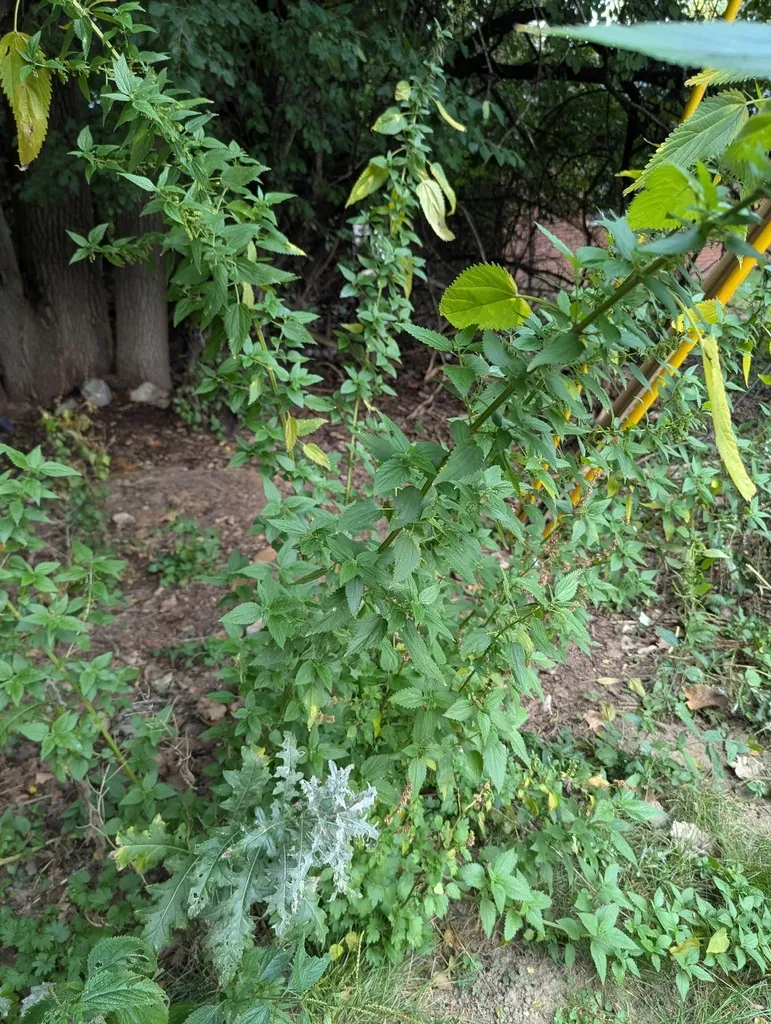
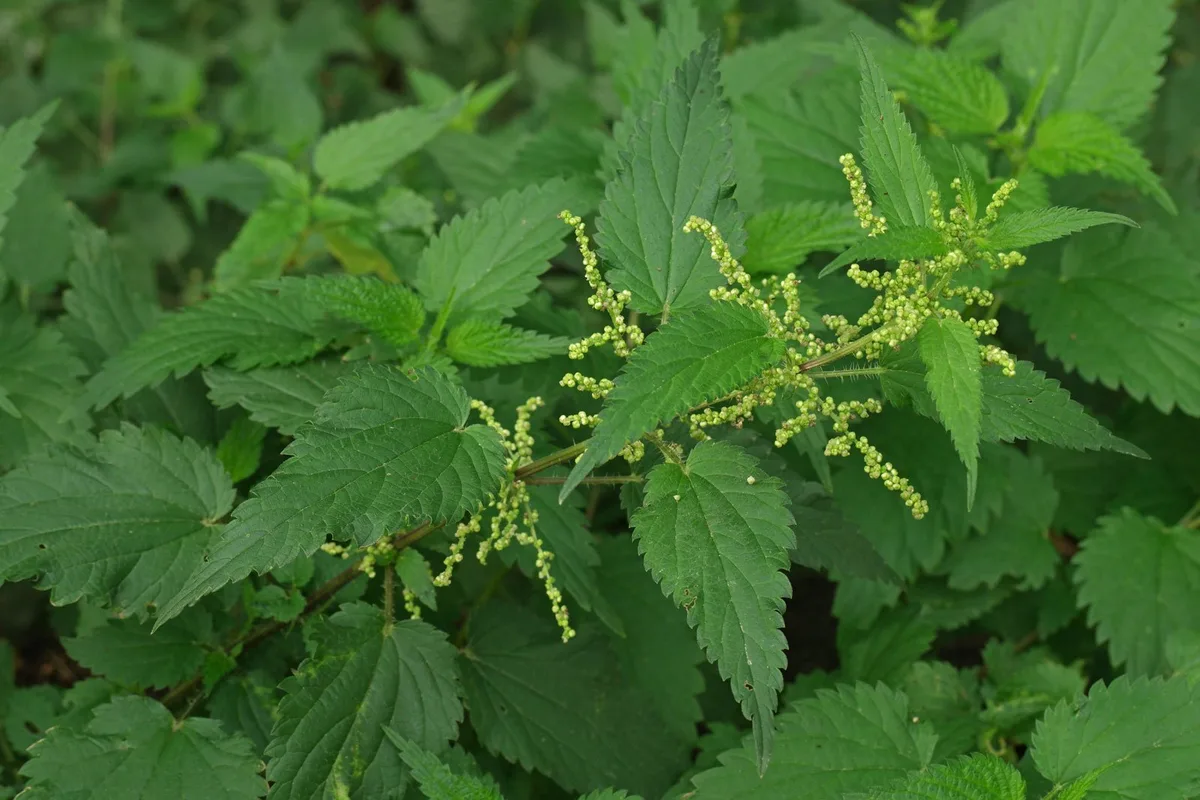
Distribution of common stinging nettle
Distribution map
Cosmopolitan
Toxicity
Skin irritant. Wear gloves and other protective equipment when handling
common stinging nettle care guide
- Moderate regular watering, avoid prolonged drought or waterlogging
- Watering
- Full shade · Full sun · Partial shade
- Sunlight

Watering
Moderate regular watering, avoid prolonged drought or waterlogging
Fertilizing
 Fertilizing
Balanced feed in spring and light repeat in growth season
Pruning
 Pruning
No pruning required
Propagation
 Propagation
Spreads naturally by spreading roots and horizontal stems, and by seed
Growing
 Growing
May be planted for wildlife value and thrives in nitrogen-rich, moist but well-drained soil in a sunny position, but will grow almost anywhere. Self-seeds freely and can be difficult to control or eradicate, but an important source of food for caterpillars and butterflies. See controlling nettles for further advice
Common pests and diseases
Diseases
Generally disease-free
Pests
Generally pest-free
Explore the plant health library →




