



Planting and Growing lady fern

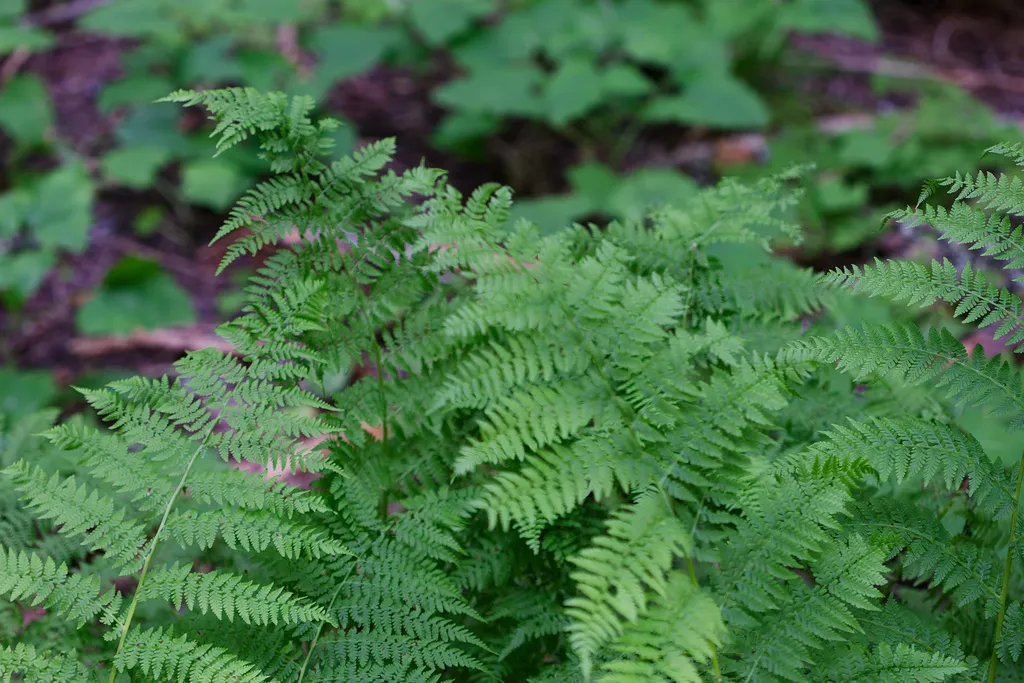
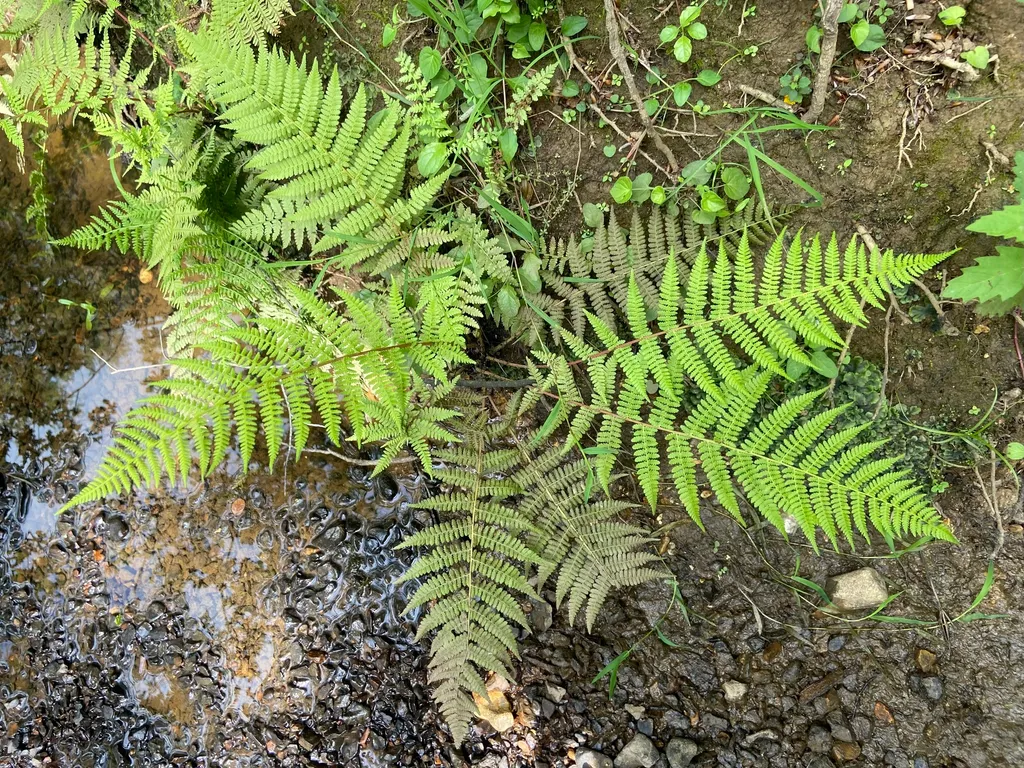
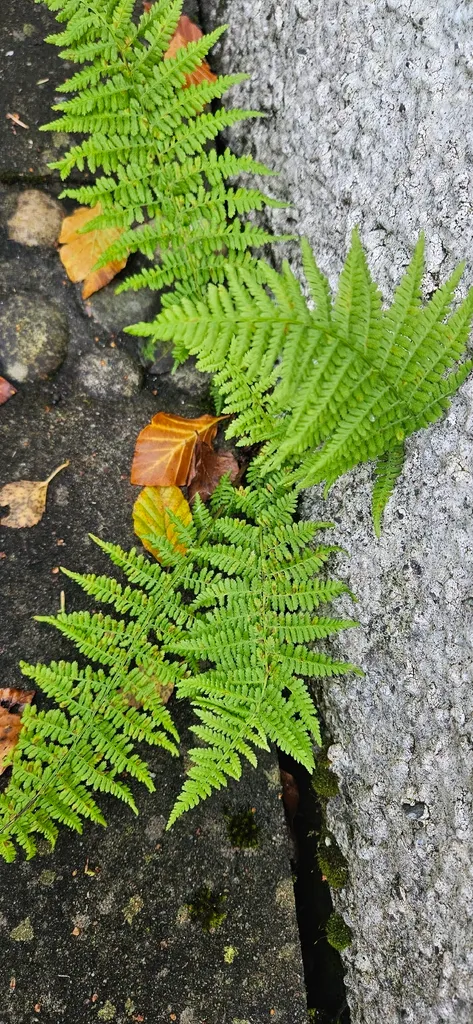
| Care difficulty | 2 / 5 |
|---|---|
| Watering schedule | Keep soil consistently moist with higher humidity and no hot drying winds |
| Sunlight requirements | Full shade · Partial shade |
| Ideal temperature | 15 – 25 °C |
| Soil type | Clay · Loam · Sand |
| Soil pH | Acid · Neutral |
| Soil moisture | Moist but well drained |
| Fertilizing | Very dilute fern feed monthly during warm active frond growth |
| Toxicity | Information to be completed |
How to Water lady fern?
Thriving in the moist, shaded environments of temperate forests, common lady fern has adapted to a consistent level of soil moisture akin to its native habitat. This fern exhibits a preference for regular hydration but can tolerate short periods of dryness. Watering should be adjusted to twice a week to maintain optimal moisture levels. As an understory plant often found beneath forest canopies, common lady fern is more commonly grown indoors where its need for high humidity and indirect light can be easily met. During the growing season, ensure that the soil remains evenly damp to support its lush foliage.
Learn more →What Are the Sunlight Requirements for lady fern?
Common lady fern thrives in partial sun, which fosters lush growth and optimal health. The ideal light setup for common lady fern would include gentle, filtered sunlight for several hours a day, avoiding the harsh midday rays that can scorch its delicate fronds. While common lady fern tolerates full shade, this deviation from its ideal light may lead to less vigorous growth and a potential reduction in the plant's ornamental qualities. Adaptively, common lady fern can adjust its leaf orientation to capture the optimal light, and when under lower light conditions, it may demonstrate a deeper green hue in its foliage. Recommended planting positions for common lady fern outdoors are in dappled shade areas, such as beneath deciduous trees or northern exposure garden spots, where direct sunlight is moderated.
Learn more →What Is the Ideal Temperature Range for lady fern?

Common lady fern is known for its remarkable temperature resilience. It can endure cold temperatures as low as -25℃ (-13℉) and handle heat up to 38℃ (100℉). This adaptability makes it suitable for a range of environments but requires careful care during extreme weather. In colder climates, common lady fern should be mulched to protect its roots, while in hotter regions, shade and consistent watering are essential. Symptoms of stress include browning fronds in heat and wilting or blackening in severe cold. Protective measures like using frost cloths or shading can mitigate temperature stress, ensuring common lady fern remains healthy and vibrant.
Learn more →What Soil Is Best for lady fern?
For optimal growth, common lady fern requires soil that is well-aerated with good drainage. A suitable mix includes equal parts garden soil, compost, and perlite. If perlite is unavailable, use sand. Ensure the soil stays moist but not waterlogged by incorporating these components. Periodically, add a balanced liquid fertilizer during the growing season to support healthy growth.
- Soil type
- Clay · Loam · Sand
- Soil pH
- Acid · Neutral
What Are the Moisture Requirements for lady fern?
Moist but well drained
Learn more →How to Fertilize lady fern?

For optimal growth, fertilize common lady fern with high-nitrogen fertilizers, which bolster foliage development. Apply a balanced liquid fertilizer monthly during the growing season, halving the recommended strength to prevent root burn. Skip winter fertilization as growth naturally slows. Gradually increase feeding with the onset of spring. Evenly distribute the fertilizer around common lady fern, ensuring thorough soil incorporation without direct contact with fronds. Regular fertilization enhances common lady fern's vigor and lushness, key to its ornamental appeal.
Learn more →How to Prune lady fern?

Common lady fern, known for its delicate, feathery fronds, benefits greatly from pruning. To maintain lush, healthy growth, prune dead or damaged fronds in early spring, just as new shoots emerge. This timing aligns with common lady fern's growth cycle, promoting vigorous new growth and improving overall appearance. Additionally, removing old fronds allows better air circulation, reducing the risk of disease. Pruning enhances the plant's aesthetic appeal, ensuring a vibrant, green display throughout the growing season.
Learn more →How to Propagate lady fern?

Common lady fern is best propagated during Spring and Autumn, mainly through division and spore reproduction. The process is moderately easy, and successful propagation is indicated by new frond growth. Carefully separate clumps when dividing for optimal results.
Learn more →How to Transplant lady fern?
To ensure the successful growth of common lady fern, transplanting is ideally done during the sun-kissed months of early to mid-summer. Choose a partially-shaded, well-draining location to allow it to thrive. Remember, a gentle touch is key when handling this delicate fern.
Learn more →How to Plant lady fern?
Indoors-potted: For common lady fern as an indoor potted plant, ensure ample space for its delicate fronds to unfurl without obstruction. Outdoors-potted: In outdoor pots, allow your common lady fern the joy of seasonal growth by placing it where autumn leaves can naturally mulch it. Outdoors-in the ground: Common lady fern, when planted in the ground outdoors, thrives with companionship - consider neighboring plants that favor similar conditions.
Learn more →How to Repot lady fern?
The graceful common lady fern thrives best when repotted every 2-3 years to maintain healthy growth. Ideally, repot in the early spring, just before the growing season. Choose a container slightly larger than the current one for ample frond expansion. Ensure post-repotting care includes consistent moisture and indirect light. A breathable pot promotes robust root development for this lush, shade-loving fern.
Learn more →Common Pests & Diseases

Diseases
Generally disease free outdoors
Pests
Generally pest-free out of doors
Explore the plant health library →Troubleshooting
Crispy Brown Fronds vs. Dark Soggy Crown Rot
lady fern (Athyrium filix-femina) has delicate fronds that quickly crisp in dry indoor air, direct hot sun, or dry soil, yet its rhizomes and roots rot if left standing in stagnant water.
| What you notice | Possible explanation | What to check next |
|---|---|---|
| Fronds curl, turn pale grey-green, and dry out crisply while the potting mix or mount feels dry | Underwatering, low ambient humidity, or hot drying drafts | Check moisture in the root zone and evaluate proximity to heaters, vents, or direct sun |
| New unfurling fronds blacken and collapse at the base while the potting medium stays waterlogged | Root or crown rot from stagnant, poorly drained soil | Inspect container drainage holes and check whether excess water sits in the saucer |
- Grow in an airy, humus-rich, moisture-retentive but free-draining fern mix (or mounted on bark/wood with sphagnum moss for Platycerium veitchii).
- Keep moisture steady: Keep soil consistently moist with higher humidity and no hot drying winds, and empty saucers promptly after watering.
- Provide dappled or bright filtered light out of direct midday sun, and increase humidity with a pebble tray or humidifier.
For Platycerium veitchii, never remove the brown papery basal shield fronds—they protect the roots and hold moisture and nutrients.
Scale Insects, Mealybugs, or Frond Scorch
Indoor and greenhouse ferns can attract scale insects or mealybugs along frond midribs, while direct sun or full-strength fertilizer burns sensitive foliage.
| What you notice | Possible explanation | What to check next |
|---|---|---|
| Small brown oval bumps along frond stems/undersides, sticky residue, or white cottony tufts | Sap-sucking pests (Generally pest-free out of doors) | Inspect frond undersides and stipes closely under bright light |
| Bleached or scorched brown patches on upper fronds | Direct sunlight exposure or overly concentrated fertilizer | Check whether direct sun hits the fronds and review fertilizer dilution |
- Trim dead or heavily infested fronds cleanly at the base in early spring before new croziers unfurl.
- Isolate pest-infested plants and wipe scale or mealybugs manually with a damp cloth or cotton swab dipped in rubbing alcohol (avoid harsh oil sprays on delicate maidenhair fronds).
- Feed only with a weak, half-strength balanced or high-nitrogen liquid fertilizer during warm spring and summer growth.
Avoid wiping the silvery-white hair layer (trichomes) off Platycerium veitchii fronds, as those hairs help reflect sun and conserve moisture.