
lady fern
Also known as: female polypody
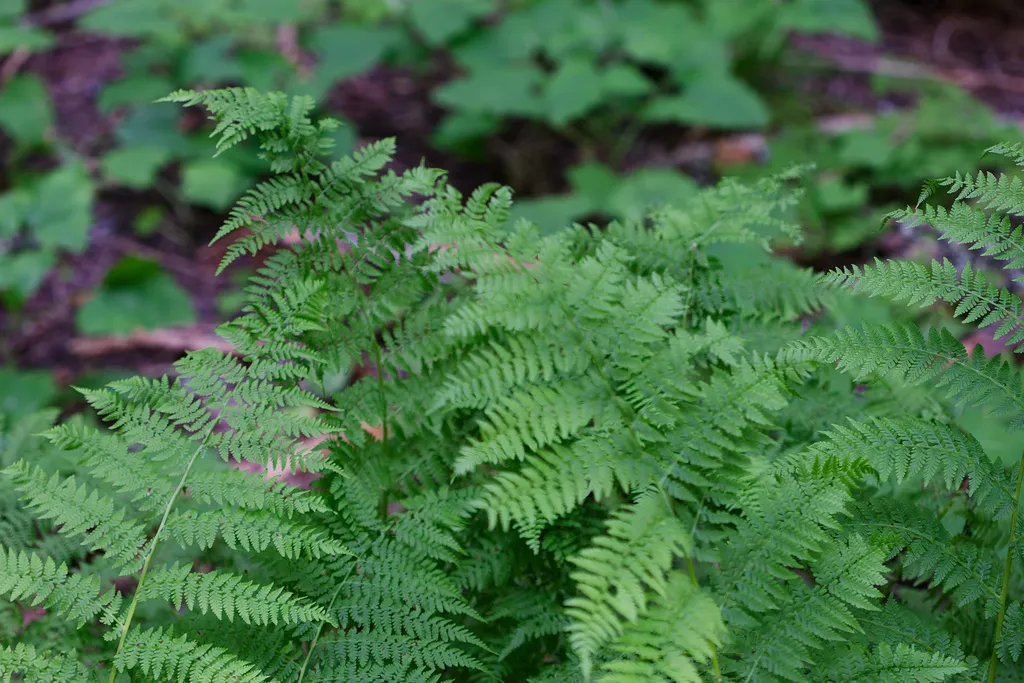
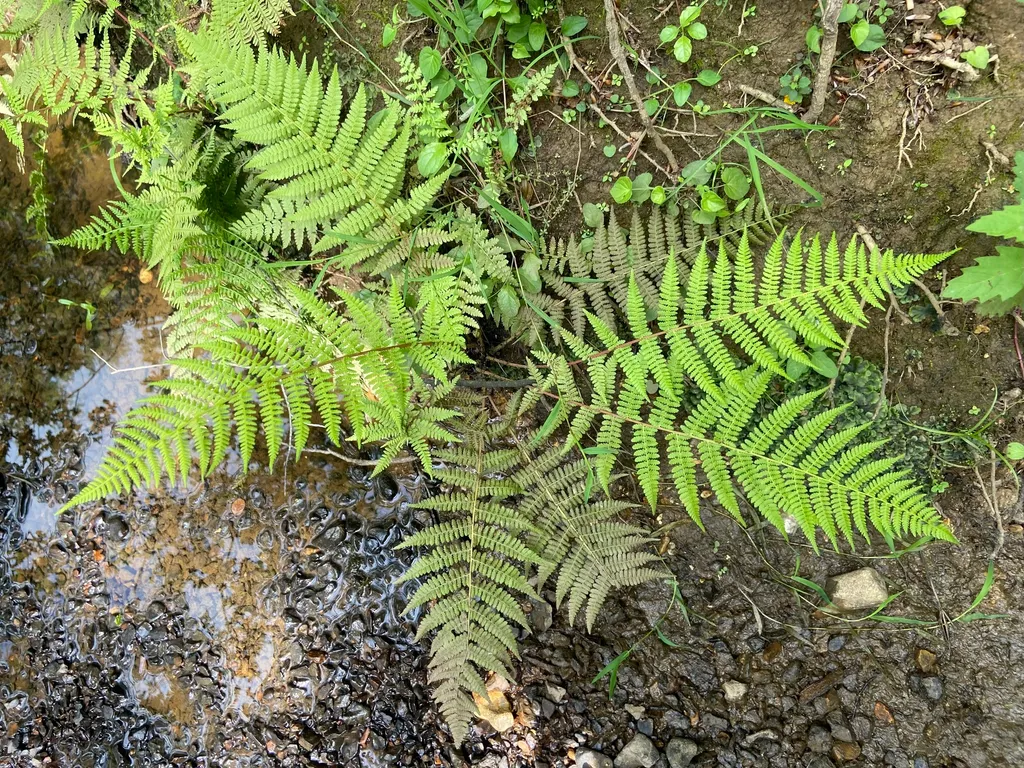
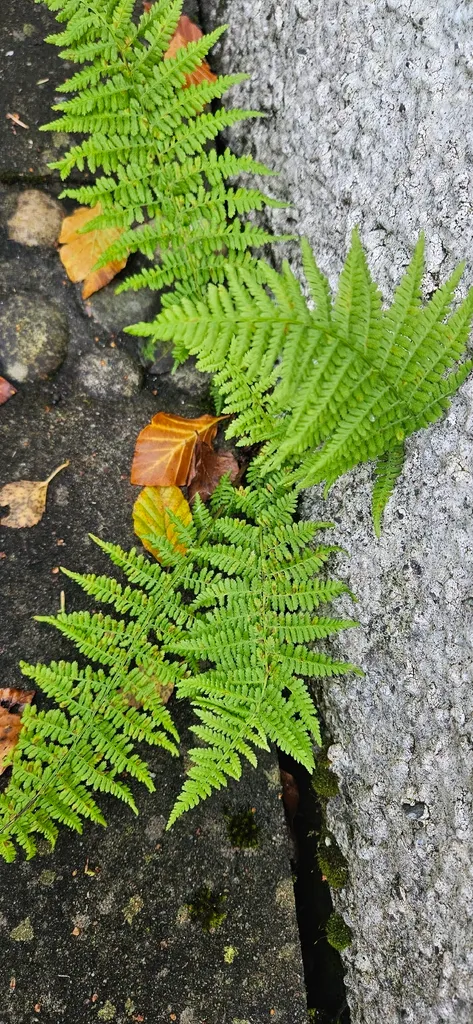
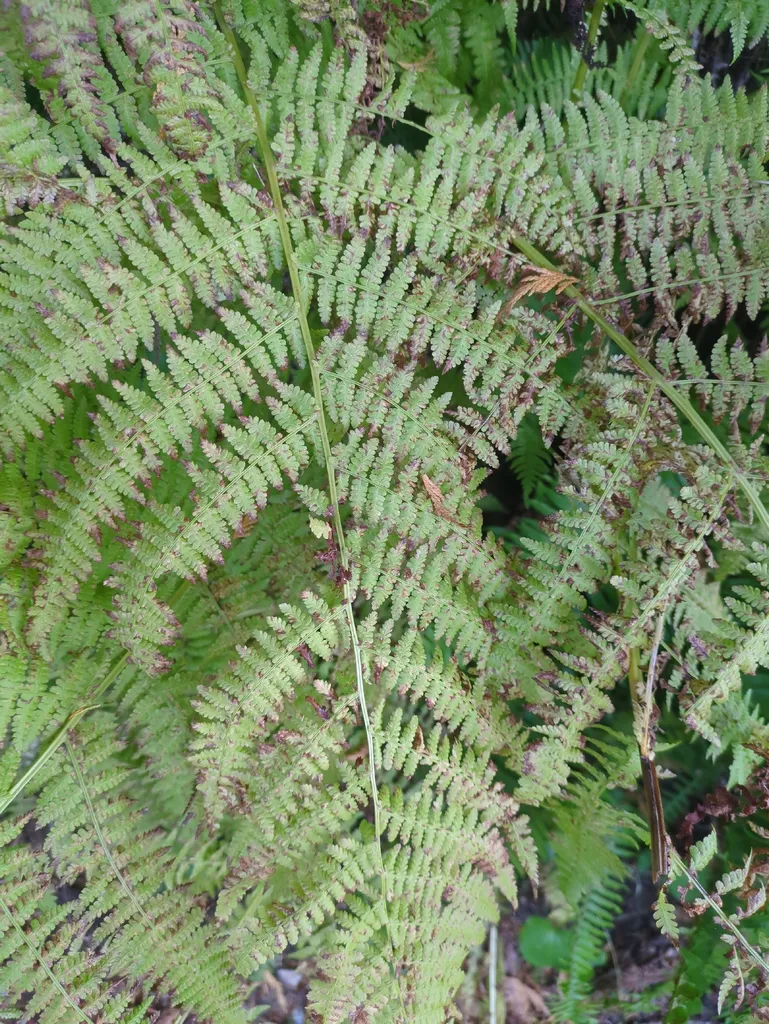
A vigorous deciduous fern to 80cm or more, forming a clump of fresh-green, lacy, bipinnate, lance-shaped fronds, the segments with toothed margins. In some plants the midrib is red, in others green
Scientific classification
- Species
- lady fern (Athyrium filix-femina)
- Genus
- Athyrium
- Family
- Athyriaceae
- Order
- Polypodiales
- Class
- Polypodiopsida
- Phylum
- Polypodiophyta
- Information to be completed
- Toxicity
- Bogs · Ferns
- Plant type
- 0.5-1 metres
- Height
- 0.5-1 metres
- Spread
- Deciduous
- Foliage
- Clump forming
- Habit
- Spring · Summer · Autumn
- Season of interest
- Full shade · Partial shade
- Sunlight
- 15 – 25 °C
- Ideal temperature









lady fern pictures
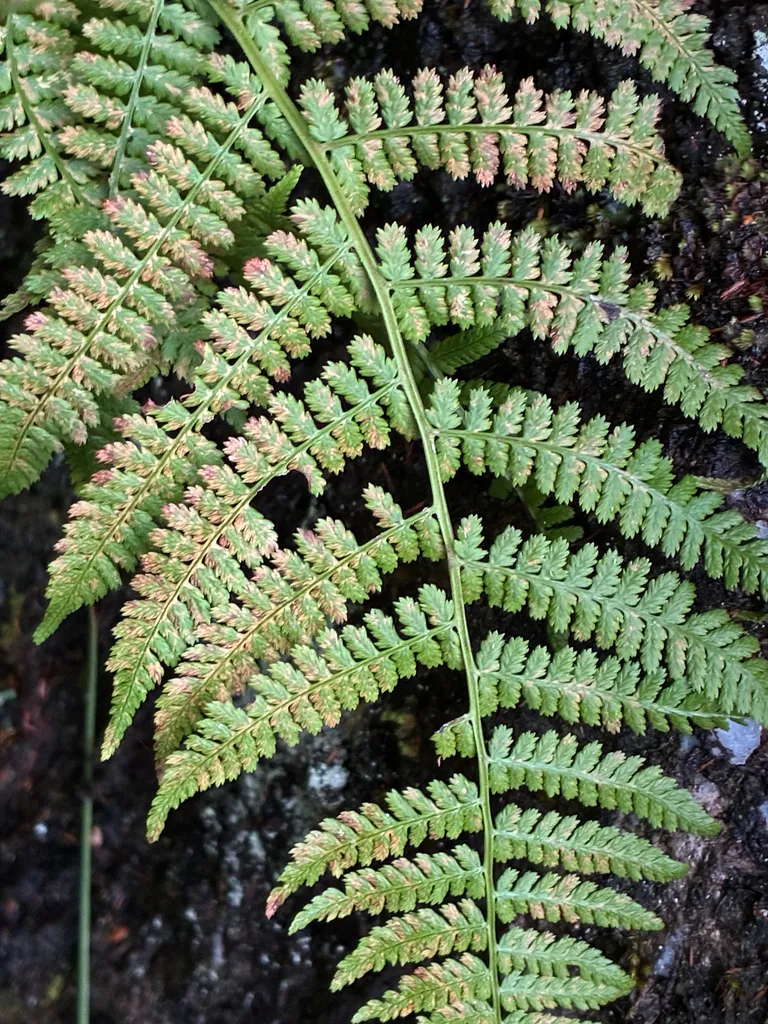
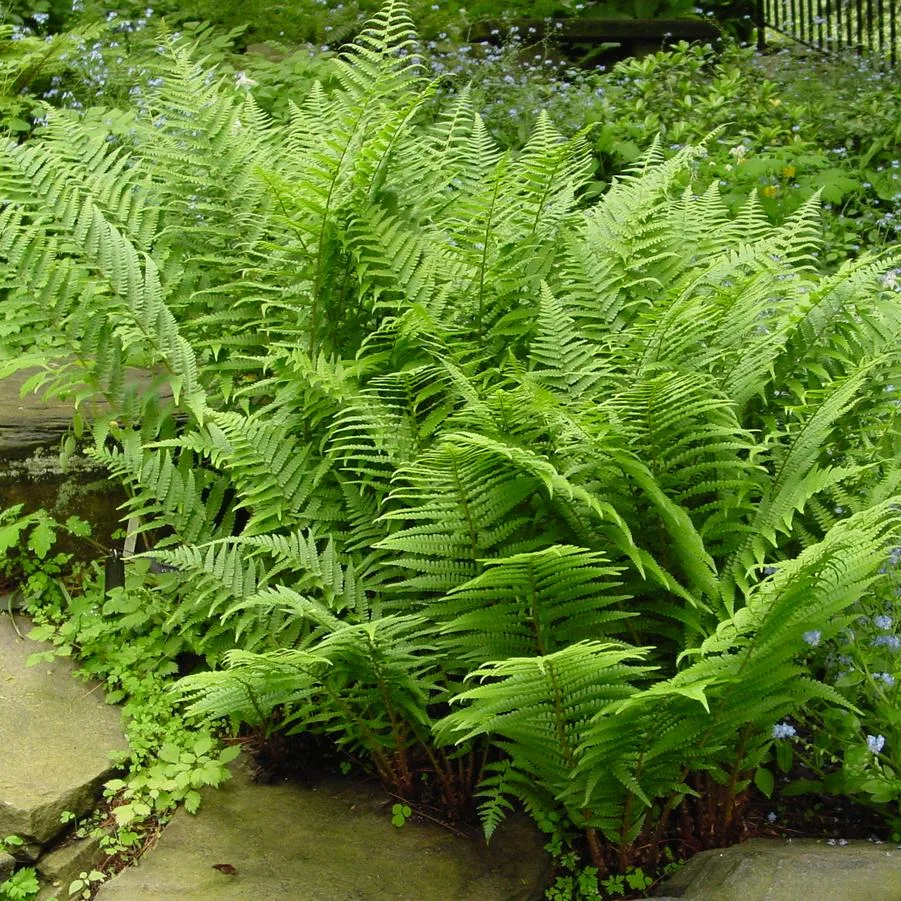
Distribution of lady fern
Distribution map
- Native
- Introduced
- Cultivated
Source:WCVP v16 · Royal Botanic Gardens, Kew · CC BY 3.0 · Boundaries:WGSRPD / TDWG
lady fern care guide
- Keep soil consistently moist with higher humidity and no hot drying winds
- Watering
- Full shade · Partial shade
- Sunlight
- 15 – 25 °C
- Ideal temperature

Watering
Keep soil consistently moist with higher humidity and no hot drying winds
Fertilizing
 Fertilizing
Very dilute fern feed monthly during warm active frond growth
Pruning
 Pruning
Dead or damaged fronds may be removed as necessary
Propagation
 Propagation
Propagate by sowing spores in mid to late summer or by division in spring
Growing
 Growing
Easy to grow in fertile, moist neutral to acid soil enriched with leaf mould or garden compost, in a shady sheltered site
Common pests and diseases
Diseases
Generally disease free outdoors
Pests
Generally pest-free out of doors
Explore the plant health library →




