



Planting and Growing heart's ease

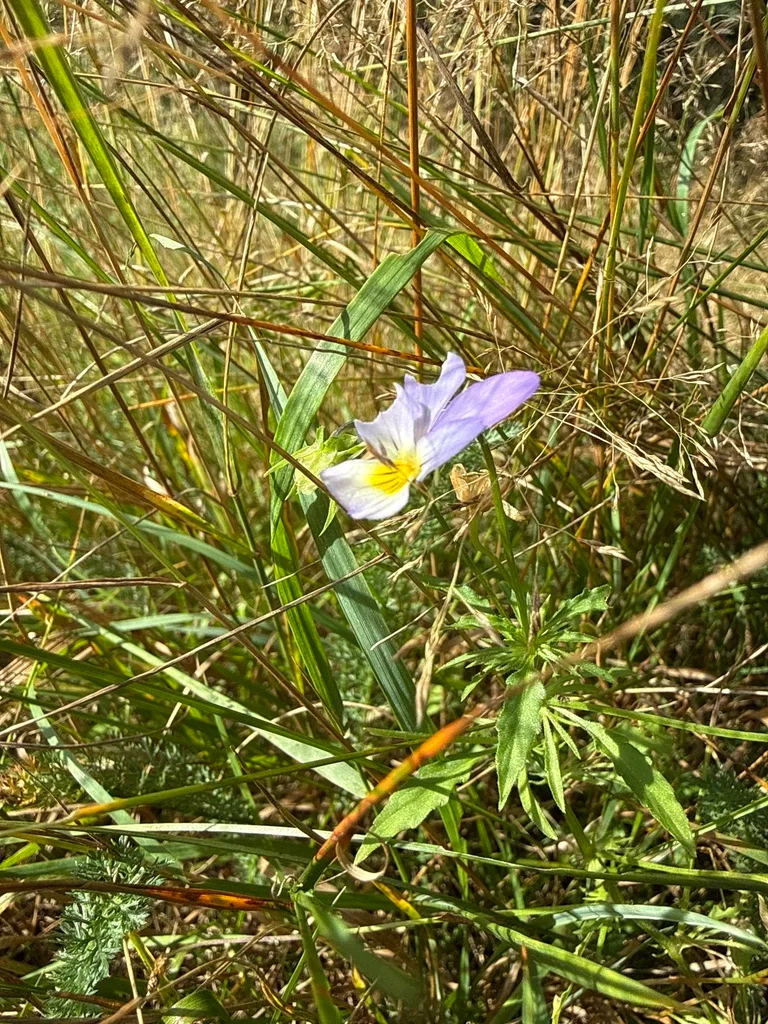
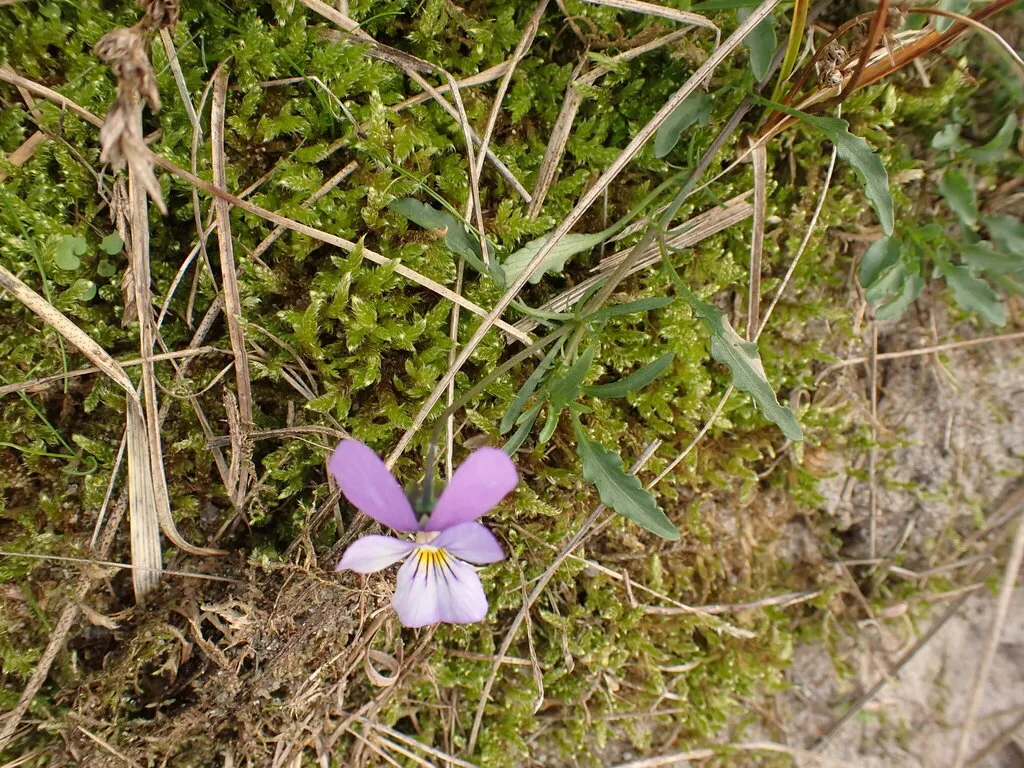
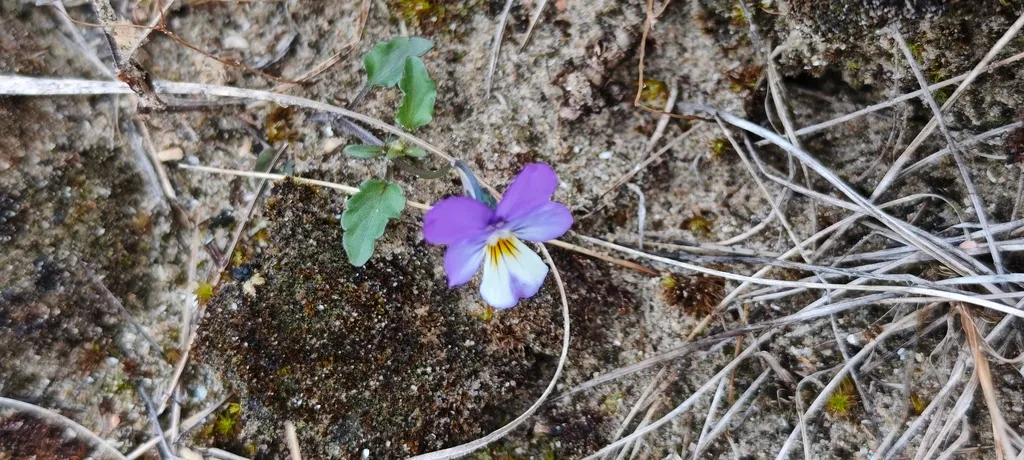
| Care difficulty | 2 / 5 |
|---|---|
| Watering schedule | Light regular watering, allow brief dry surface between irrigation sessions |
| Sunlight requirements | Full sun · Partial shade |
| Ideal temperature | 10 – 20 °C |
| Soil type | Clay · Loam · Sand |
| Soil pH | Acid · Alkaline · Neutral |
| Soil moisture | Moist but well drained |
| Fertilizing | Mild wild flower diluted feed monthly spring and summer blooming months |
| Toxicity | Information to be completed |
How to Water heart's ease?
Thriving in its native temperate regions, johnny jump up is accustomed to consistent moisture levels and exhibits a preference for well-drained soils. Its water habits are marked by moderate drought tolerance, making it resilient yet appreciative of regular hydration. The ideal watering frequency for this species is twice a week, ensuring that the soil remains evenly moist without becoming waterlogged. Given its propensity for outdoor growth, johnny jump up benefits from natural rainfall patterns but may require supplemental watering during prolonged dry spells, especially when grown in containers where soil dries out more quickly.
Learn more →What Are the Sunlight Requirements for heart's ease?
Johnny jump up thrives in full sun, which bolsters its robust growth and enhances flowering potential. Optimal light entails exposure to bright but not scorching sunlight for several hours a day. Despite favoring full sun, johnny jump up exhibits a commendable tolerance to partial sun conditions, where it still performs well, although it may flower less profusely. It is agile in adapting to various light settings, including slight leaf orientation adjustments to maximize light absorption. For outdoor cultivation, johnny jump up's best placement captures ample morning sunlight with some afternoon shade to mitigate any intense heat. Indoors, positioning johnny jump up near a south-facing window maintains its vigorous growth and colorful blooms.
Learn more →What Is the Ideal Temperature Range for heart's ease?

Johnny jump up is cold-resistant and moderately heat-resistant. Generally speaking, it flowers from spring to fall. Quantity of flowers may decrease in high temperatures. It can tolerate slight frost and snow cover in winter. If grown in a cold region, it should be kept warm in winter. In a word, it should be protected from high temperature and humidity in summer, and have less water in winter during its dormancy.
Learn more →What Soil Is Best for heart's ease?
Johnny jump up thrives in well-aerated, well-draining soil to avoid water-logging. Prepare a mix using equal parts garden soil, compost, and perlite. If perlite is unavailable, coarse sand is a good substitute. Ensure good drainage by using pots with holes or raised garden beds. Enhance growth with a balanced, all-purpose fertilizer applied monthly during the growing season.
- Soil type
- Clay · Loam · Sand
- Soil pH
- Acid · Alkaline · Neutral
What Are the Moisture Requirements for heart's ease?
Moist but well drained
Learn more →How to Fertilize heart's ease?

For optimal growth, fertilize johnny jump up every 4-6 weeks during the growing season with a high phosphorus fertilizer to encourage vibrant blooms. Apply a balanced, water-soluble fertilizer diluted to half strength to prevent nutrient burn. During winter, reduce feeding to once every 8-10 weeks. Over-fertilization can lead to lush foliage with fewer flowers. Adjust quantities according to the plant's response, and always water thoroughly after fertilizing to help nutrients reach the roots.
Learn more →How to Prune heart's ease?

Johnny jump up is known for its vibrant tri-colored flowers. Prune in early to late spring to encourage healthy growth and prolong blooming. Remove spent flowers, damaged stems, and any crowded areas to enhance air circulation. Regular deadheading promotes continuous flowering. Pruning also helps in maintaining a compact shape, preventing legginess. Ensure clean, sharp tools to minimize plant stress and disease risk. For optimal results, follow a consistent pruning schedule aligning with johnny jump up's growth cycle.
Learn more →How to Propagate heart's ease?

Characterized by its charming and vividly colored flowers, johnny jump up is a delightful addition to any garden. For effective propagation, cuttings are a reliable method. Take healthy stem cuttings with a sharp, sterilized tool to avoid disease transmission. Ensure each cutting has a few leaves and plant them in a moist, well-draining growing medium. Covering with a plastic bag can create a greenhouse effect, encouraging root growth. Once established, they adapt quickly to transplanting and can thrive in a variety of garden settings.
Learn more →How to Transplant heart's ease?
The perfect time to transplant johnny jump up is during mid to late spring, as the weather provides optimal growing conditions. Choose a spot with partial shade for johnny jump up and keep soil consistently moist. Ensure healthy root development by transplanting seedlings at a moderate size.
Learn more →How to Care for heart's ease in Winter?

Information to be completed
Learn more →How to Plant heart's ease?
Indoors-potted: For a thriving johnny jump up indoors, ensure ample airflow to keep its vibrant flowers healthy and prevent common indoor plant ailments. Outdoors-potted: When potted outdoors, johnny jump up appreciates shelter from harsh elements, which can prolong its blooming period and preserve foliage quality. Outdoors-in the ground: Johnny jump up grown directly in the garden soil benefits from strategic positioning that maximizes light exposure while protecting it from intense midday sun.
Learn more →How to Repot heart's ease?
Needs excellent drainage in pots.
Learn more →How to Harvest heart's ease?

Fresh johnny jump up's flowers can also be picked to decorate dishes, as they are edible.
Learn more →Common Pests & Diseases

Diseases
May be subject to powdery mildews, pansy leaf spot, a virus and a rust
Pests
May be attacked by slugs, snails, aphids, glasshouse red spider mite, violet gall midge
Explore the plant health library →The Toxicity of heart's ease
Information to be completed