
heart's ease
Also known as: black eye; cat's faces; come-and-cuddle-me; constancy; cuddle-me-to-you; cull-me-to-you; Cupid's flower; fancy; flamy; flower of thought; garden gate; hearts in ease; herb Trinity; Jack-jump-up-and-kiss-me; Johnny-jump-up; jump-up-and-kiss-me; kiss-and-look-up; kiss-her-in-the-buttery; kiss-me; kiss-me-at-the-garden-gate; kiss-me-ere-I-rise; kiss-me-love; Kit-run-about; Kitty-come; Kitty-run; lady's delight; little faces; live-in-idleness; love-in-idleness; loving idol; lowly down; meet-her-in-the-entry-kiss-her-in-the-buttery; pansy; pink of my Joan; pink of my John; pretty face; stepmother plant; thinking flower; three faces under a hood; tickle-my-fancy; tricolor pansy; wild pansy; wild violet; bird's eye; none-so-pretty
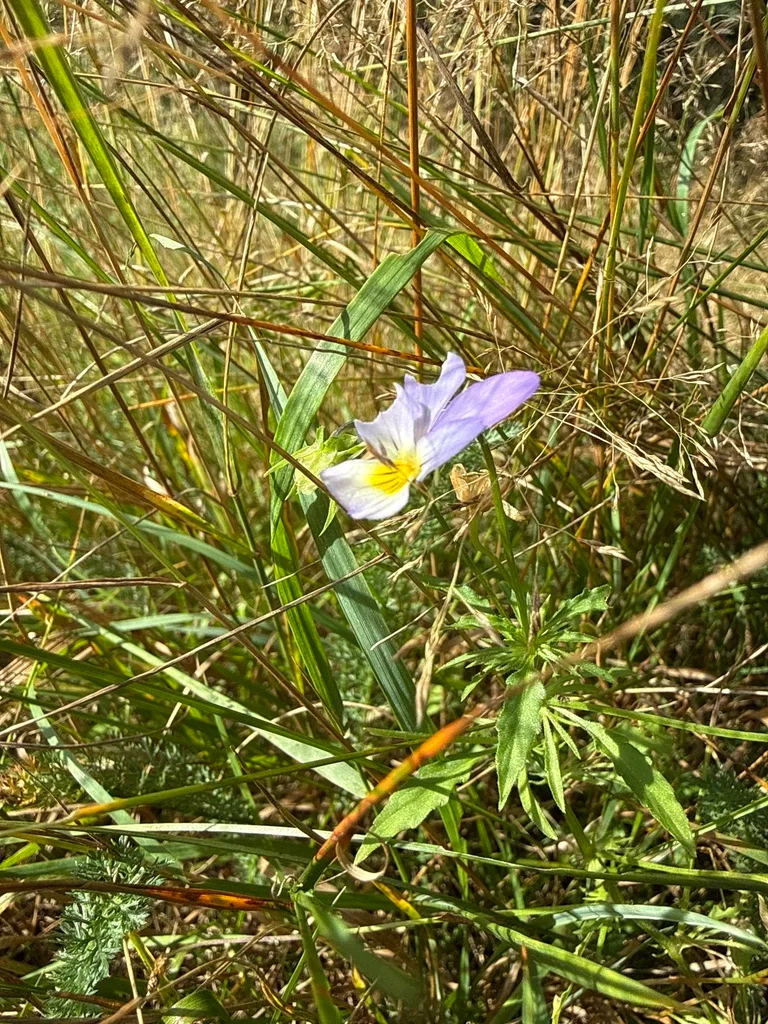
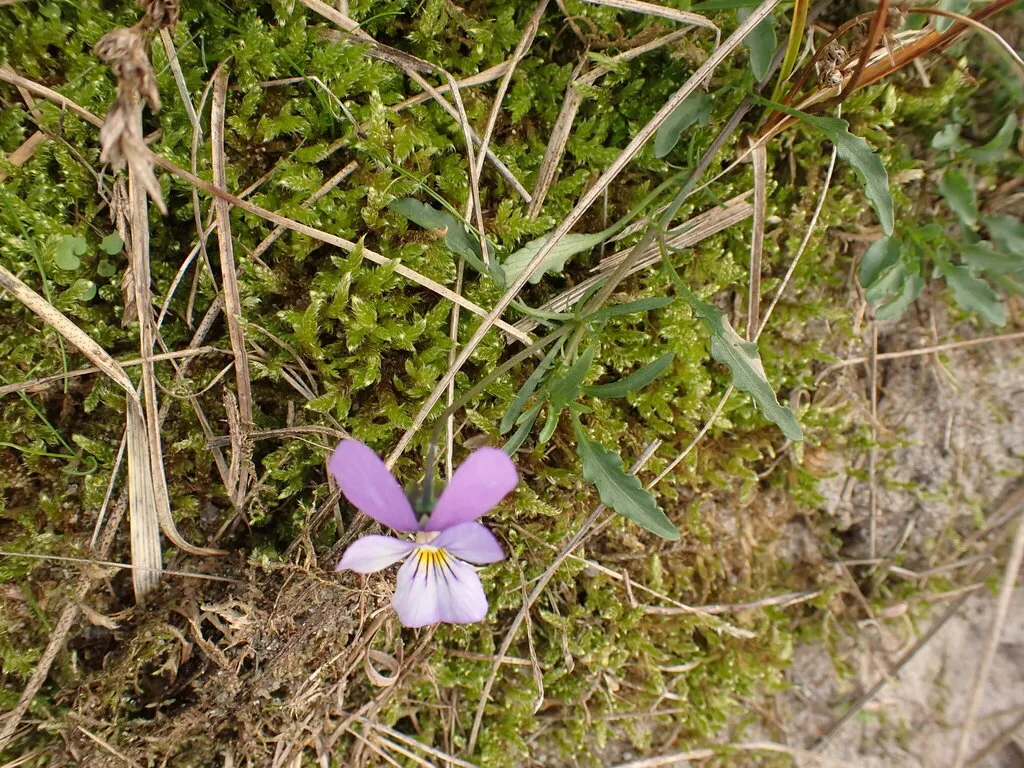
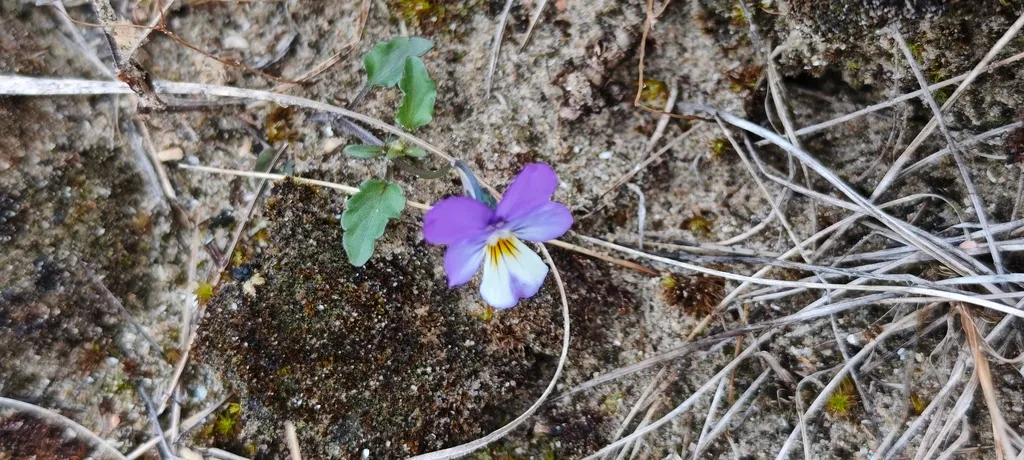
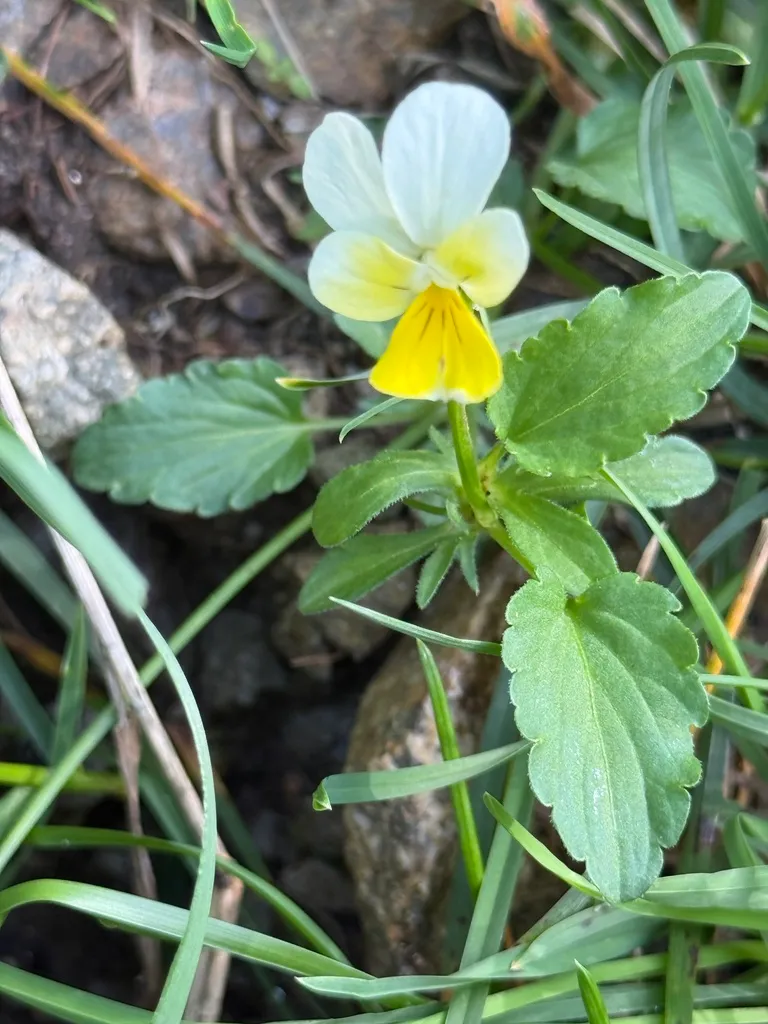
A tufted annual, biennial or short-lived, evergreen perennial with spreading stems, producing flowers 2.5cm or more across, from spring to autumn. The blooms typically have dark purple upper petals, pale purple or pale yellow middle petals and a dark yellow lower petal, with dark streaks creating a whiskery 'face'. Other colours may include lavender blue and cream
Scientific classification
- Species
- heart's ease (Viola tricolor)
- Genus
- Viola
- Family
- Violaceae
- Information to be completed
- Toxicity
- Annual Biennial · Herbaceous Perennial
- Plant type
- 0.1-0.5 metres
- Height
- 0.1-0.5 metres
- Spread
- Evergreen
- Foliage
- Bushy
- Habit
- Information to be completed
- Season of interest
- Full sun · Partial shade
- Sunlight
- 10 – 20 °C
- Ideal temperature









heart's ease pictures
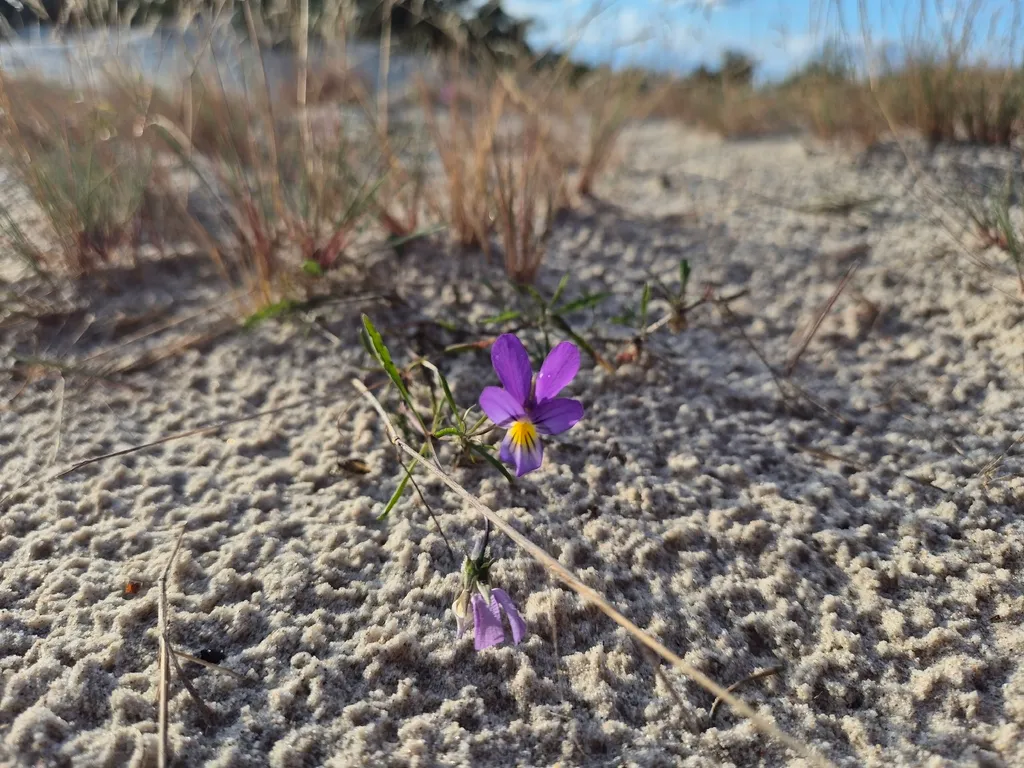
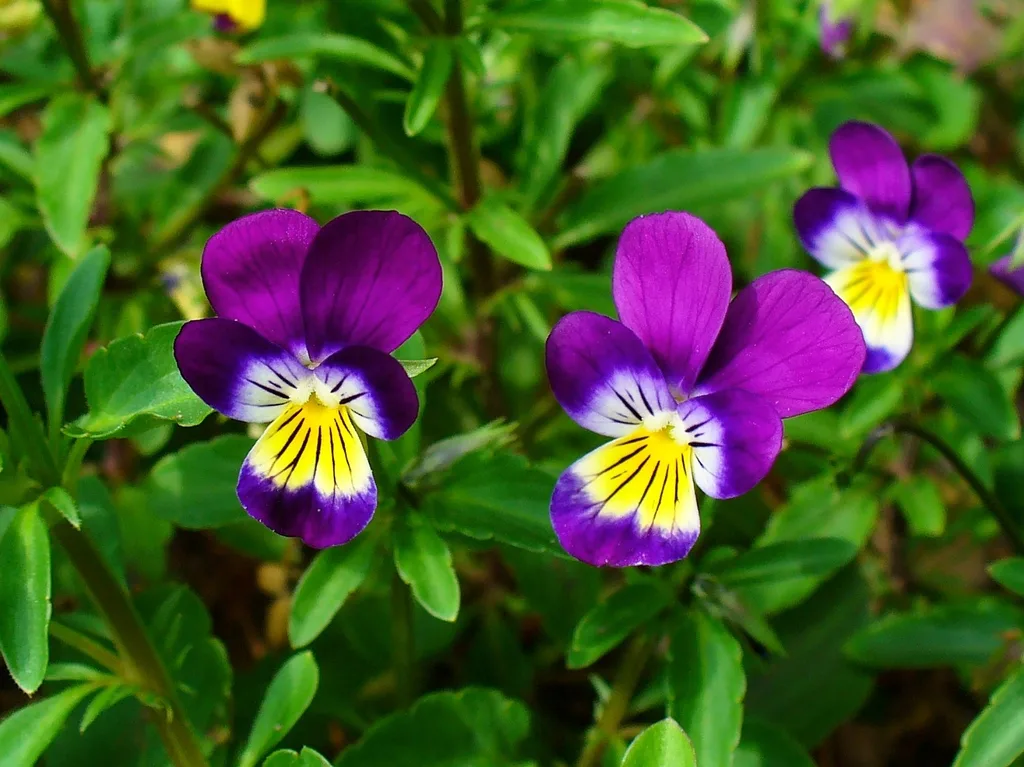
Distribution of heart's ease
Distribution map
Eurasia
Information to be completed
Culture
Information to be completed
Toxicity
Information to be completed
Quick identification of heart's ease
Information to be completed
heart's ease care guide
- Light regular watering, allow brief dry surface between irrigation sessions
- Watering
- Full sun · Partial shade
- Sunlight
- 10 – 20 °C
- Ideal temperature

Watering
Light regular watering, allow brief dry surface between irrigation sessions
Fertilizing
 Fertilizing
Mild wild flower diluted feed monthly spring and summer blooming months
Pruning
 Pruning
Cut back after flowering
Propagation
 Propagation
Propagate by seed sown in late winter or early spring
Growing
 Growing
Best in moist soil but will grow in any moderately fertile soil apart from waterlogged soils. Full sun or partial shade is best but shade is tolerated
People also ask
Information to be completed
Common pests and diseases
Diseases
May be subject to powdery mildews, pansy leaf spot, a virus and a rust
Pests
May be attacked by slugs, snails, aphids, glasshouse red spider mite, violet gall midge
Explore the plant health library →




