



Planting and Growing Cymbidium erythraeum

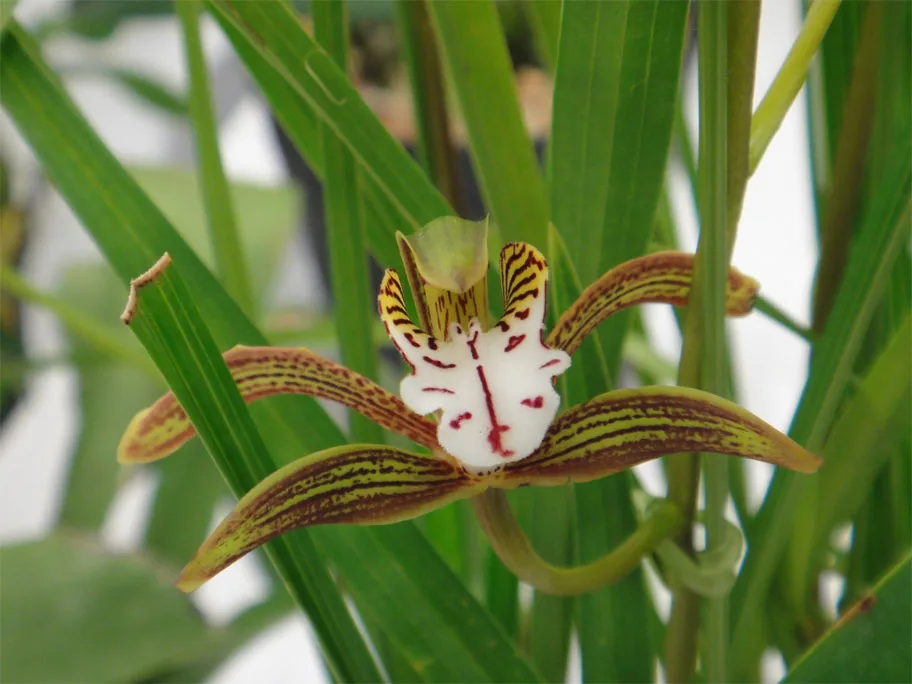
| Care difficulty | 3 / 5 |
|---|---|
| Watering schedule | High humidity evenly moist mix, avoid cold hard tap water |
| Sunlight requirements | Partial shade |
| Ideal temperature | Information to be completed |
| Soil type | Loam · Sand |
| Soil pH | Neutral |
| Soil moisture | Well drained |
| Fertilizing | Highly diluted orchid feed biweekly warm growing months |
| Toxicity | Skin allergen. Wear gloves and other protective equipment when handling |
How to Water Cymbidium erythraeum?
High humidity evenly moist mix, avoid cold hard tap water
Learn more →What Are the Sunlight Requirements for Cymbidium erythraeum?
Partial shade
Learn more →What Soil Is Best for Cymbidium erythraeum?
- Soil type
- Loam · Sand
- Soil pH
- Neutral
What Are the Moisture Requirements for Cymbidium erythraeum?
Well drained
Learn more →How to Fertilize Cymbidium erythraeum?

Highly diluted orchid feed biweekly warm growing months
Learn more →How to Prune Cymbidium erythraeum?

Cut flowered stems down to base
Learn more →How to Propagate Cymbidium erythraeum?

Propagate by division of pseudobulbs
Learn more →How to Plant Cymbidium erythraeum?
Requires day temperatures around 16°C and 10°C at night. Provide good light levels, but avoid direct sunlight. Pot firmly into epiphytic or terrestrial orchid compost, water thoroughly when compost is almost dry, allow to drain and use orchid fertiliser at every third watering. Water sparingly in winter. Place outside in dappled shade during the summer months to aid flower initiation. See cymbidium cultivation
Learn more →Common Pests & Diseases

Diseases
Generally disease-free
Pests
May be susceptible to aphids, glasshouse red spider mite, glasshouse whitefly and mealybugs
Explore the plant health library →The Toxicity of Cymbidium erythraeum
Skin allergen. Wear gloves and other protective equipment when handling