



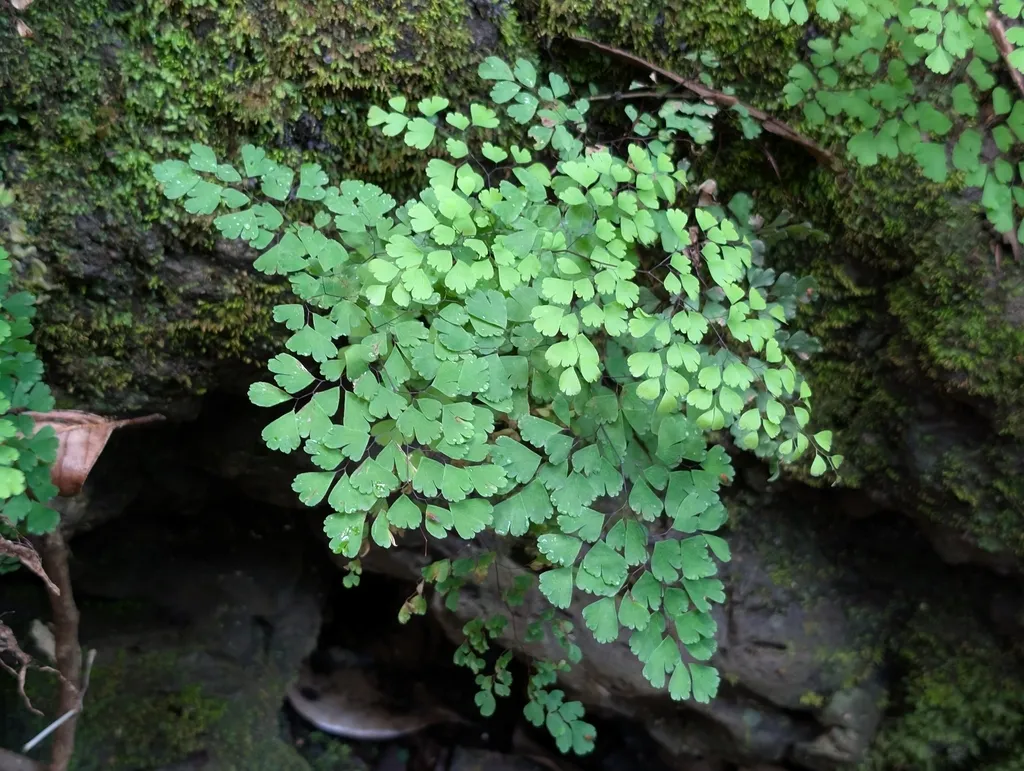
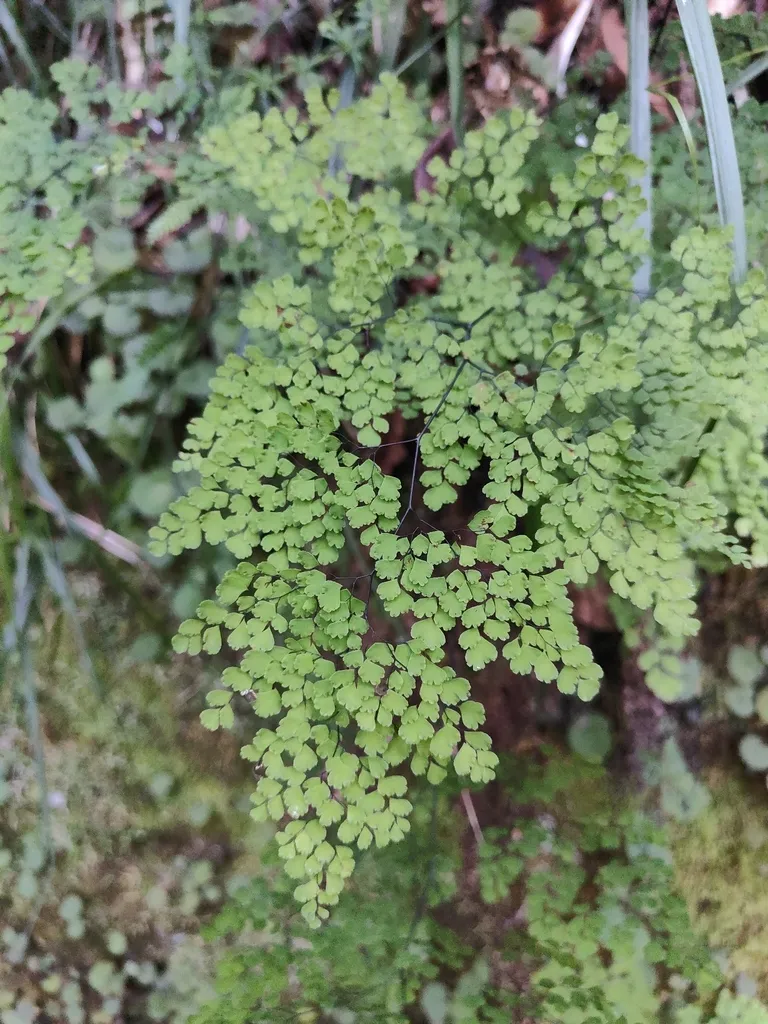
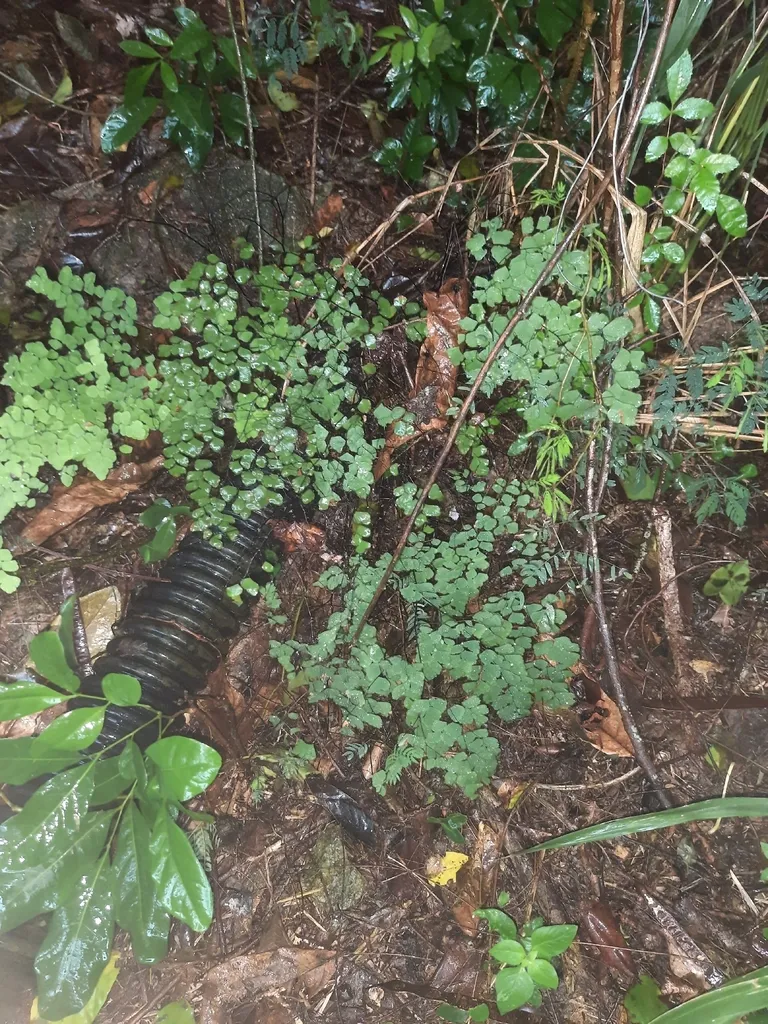
Planting and Growing Delta maidenhair fern

| Care difficulty | 4 / 5 |
|---|---|
| Watering schedule | Moderate regular watering, allowing brief slight drying between soakings |
| Sunlight requirements | Full shade · Partial shade |
| Ideal temperature | 15 – 25 °C |
| Soil type | Loam |
| Soil pH | Alkaline · Neutral |
| Soil moisture | Moist but well drained |
| Fertilizing | Balanced perennial feed every four weeks from spring through summer |
| Toxicity | Information to be completed |
How to Water Delta maidenhair fern?
Thriving in the high humidity of its tropical rainforest origins, delta maidenhair fern exhibits a preference for consistently moist soil without becoming waterlogged. It's adept at handling periods of relative moisture balance but is not drought-tolerant. For optimal health, delta maidenhair fern requires watering twice a week. As an evergreen plant commonly grown indoors due to its love for stable temperatures and indirect light, delta maidenhair fern benefits significantly from regular misting to mimic its native humid conditions.
Learn more →What Are the Sunlight Requirements for Delta maidenhair fern?
Delta maidenhair fern thrives best in settings with gentle, diffused light, which closely mimics their natural habitat beneath forest canopies. To optimize growth and maintain vibrant, healthy fronds, delta maidenhair fern should receive bright, indirect sunlight for several hours each day. While it can tolerate full shade, this can lead to suboptimal growth, with the fronds potentially becoming less robust. Delta maidenhair fern has flexible light requirements but lacks tolerance for direct, harsh sunlight, which can cause leaf scorch. Indoor plants prosper near north-facing windows, while outdoors, they flourish under the dappled light of taller vegetation.
Learn more →What Is the Ideal Temperature Range for Delta maidenhair fern?

Delta maidenhair fern, known for its delicate fronds, exhibits moderate temperature resilience. It can endure temperatures as low as 5°C (41°F) and as high as 43°C (109°F). While it tolerates such extremes, this plant is sensitive to prolonged exposure to hot or cold conditions. Symptoms of distress include wilting, browning, and leaf drop under heat stress, and blackening or curling of leaves in cold. To care for delta maidenhair fern, ensure it is shielded during extreme weather - using shade during heatwaves and providing warmth in cold snaps. This adaptability makes it suitable for various climates, yet requires attention to environmental changes to thrive.
Learn more →What Soil Is Best for Delta maidenhair fern?
Delta maidenhair fern thrive with proper soil aeration and drainage to prevent water-logging. A suitable soil mix consists of one part peat, one part perlite, and one part potting soil, enhancing drainage while retaining moisture. If components like peat are unavailable, coconut coir can be substituted. Ensure the mix is light and allows air to reach the roots. Periodic amendments with a balanced, water-soluble fertilizer can further promote healthy growth. Maintain a regular fertilization schedule during the growing season.
- Soil type
- Loam
- Soil pH
- Alkaline · Neutral
What Are the Moisture Requirements for Delta maidenhair fern?
Moist but well drained
Learn more →How to Fertilize Delta maidenhair fern?

For delta maidenhair fern, use high nitrogen fertilizer every 3-4 weeks during active growth in spring/summer. Dilute to half the recommended strength to promote foliage without overwhelming. Reduce frequency to once every 6-8 weeks in fall/winter. Ensure even distribution and avoid direct contact with fronds. Over-fertilizing can damage delicate roots. With proper fertilization, delta maidenhair fern will exhibit lush, vibrant fronds and improved vigor.
Learn more →How to Prune Delta maidenhair fern?

Delta maidenhair fern, known for its delicate fronds and ornamental appeal, benefits from pruning in early spring. Remove dead or damaged fronds at the base to encourage healthy growth and enhance appearance. Regular trimming promotes air circulation and prevents fungal issues. Avoid over-pruning to maintain the plant's natural form. Pruning ensures robust, lush growth and helps manage size, making it an essential care practice for delta maidenhair fern.
Learn more →How to Propagate Delta maidenhair fern?

A delicate fern favored for its feathery fronds and graceful growth, delta maidenhair fern thrives in humid, indirect light conditions befitting its natural rainforest habitat. It perpetuates most effectively through division, a process ideally undertaken during routine repotting. To propagate, gently tease apart the rhizomes, ensuring each section has sufficient roots and fronds. Replant these divisions in a well-draining, lightweight potting mix, providing consistent moisture to establish the young ferns. Meticulous attention to dampness and warmth will foster a smooth transition as the divisions acclimate to their new environment.
Learn more →How to Transplant Delta maidenhair fern?
The optimum time to transplant delta maidenhair fern is during the gentle awakening of nature, typically early to mid-spring, which encourages strong root establishment. Choose a shaded area with moist, well-draining soil. Handle with care to avoid damaging delicate fronds.
Learn more →How to Plant Delta maidenhair fern?
Indoors-potted: In an indoor setting, delta maidenhair fern thrives in a humid environment; consider placing it near a humidifier for optimal frond health. Outdoors-potted: Outdoor potted delta maidenhair fern should be shielded from strong winds which can damage its delicate foliage. Outdoors-in the ground: Delta maidenhair fern, when planted outdoors in the ground, prefers a sheltered spot to mimic its natural understory habitat.
Learn more →How to Repot Delta maidenhair fern?
Repot delta maidenhair fern every 2-3 years in spring to accommodate its growth. This delicate fern prefers shallow pots to mimic its natural rock crevice habitat. Use a pot slightly larger than its spread. Post-repotting, ensure high humidity and indirect light to support delta maidenhair fern's recovery. Regularly water and avoid direct sun for this graceful, arching plant.
Learn more →Common Pests & Diseases

Diseases
Generally trouble free
Pests
Can be susceptible to scale insects
Explore the plant health library →Troubleshooting
Crispy Brown Fronds vs. Dark Soggy Crown Rot
Delta maidenhair fern (Adiantum raddianum) has delicate fronds that quickly crisp in dry indoor air, direct hot sun, or dry soil, yet its rhizomes and roots rot if left standing in stagnant water.
| What you notice | Possible explanation | What to check next |
|---|---|---|
| Fronds curl, turn pale grey-green, and dry out crisply while the potting mix or mount feels dry | Underwatering, low ambient humidity, or hot drying drafts | Check moisture in the root zone and evaluate proximity to heaters, vents, or direct sun |
| New unfurling fronds blacken and collapse at the base while the potting medium stays waterlogged | Root or crown rot from stagnant, poorly drained soil | Inspect container drainage holes and check whether excess water sits in the saucer |
- Grow in an airy, humus-rich, moisture-retentive but free-draining fern mix (or mounted on bark/wood with sphagnum moss for Platycerium veitchii).
- Keep moisture steady: Moderate regular watering, allowing brief slight drying between soakings, and empty saucers promptly after watering.
- Provide dappled or bright filtered light out of direct midday sun, and increase humidity with a pebble tray or humidifier.
For Platycerium veitchii, never remove the brown papery basal shield fronds—they protect the roots and hold moisture and nutrients.
Scale Insects, Mealybugs, or Frond Scorch
Indoor and greenhouse ferns can attract scale insects or mealybugs along frond midribs, while direct sun or full-strength fertilizer burns sensitive foliage.
| What you notice | Possible explanation | What to check next |
|---|---|---|
| Small brown oval bumps along frond stems/undersides, sticky residue, or white cottony tufts | Sap-sucking pests (Can be susceptible to scale insects) | Inspect frond undersides and stipes closely under bright light |
| Bleached or scorched brown patches on upper fronds | Direct sunlight exposure or overly concentrated fertilizer | Check whether direct sun hits the fronds and review fertilizer dilution |
- Trim dead or heavily infested fronds cleanly at the base in early spring before new croziers unfurl.
- Isolate pest-infested plants and wipe scale or mealybugs manually with a damp cloth or cotton swab dipped in rubbing alcohol (avoid harsh oil sprays on delicate maidenhair fronds).
- Feed only with a weak, half-strength balanced or high-nitrogen liquid fertilizer during warm spring and summer growth.
Avoid wiping the silvery-white hair layer (trichomes) off Platycerium veitchii fronds, as those hairs help reflect sun and conserve moisture.