



Planting and Growing southern maidenhair

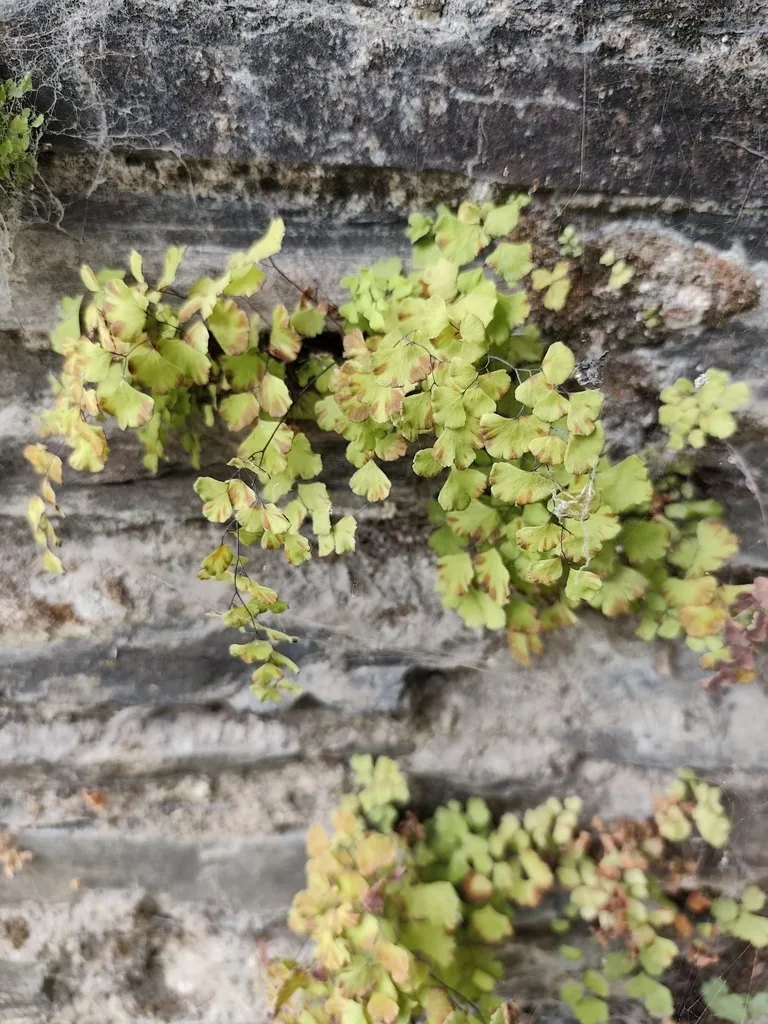
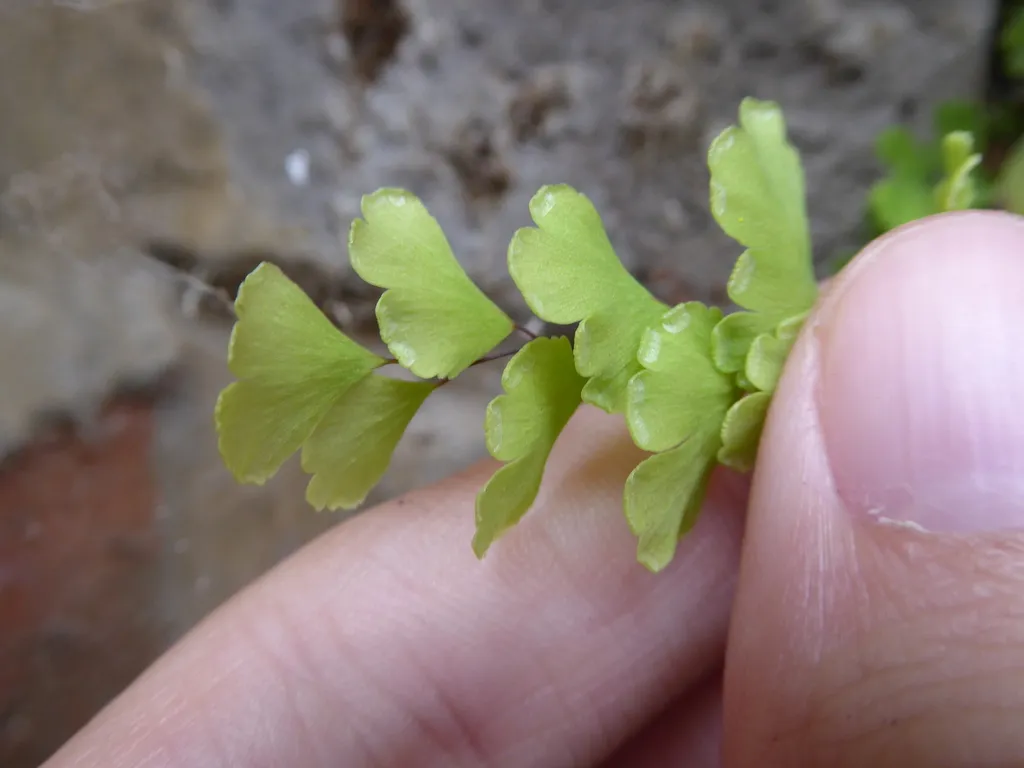
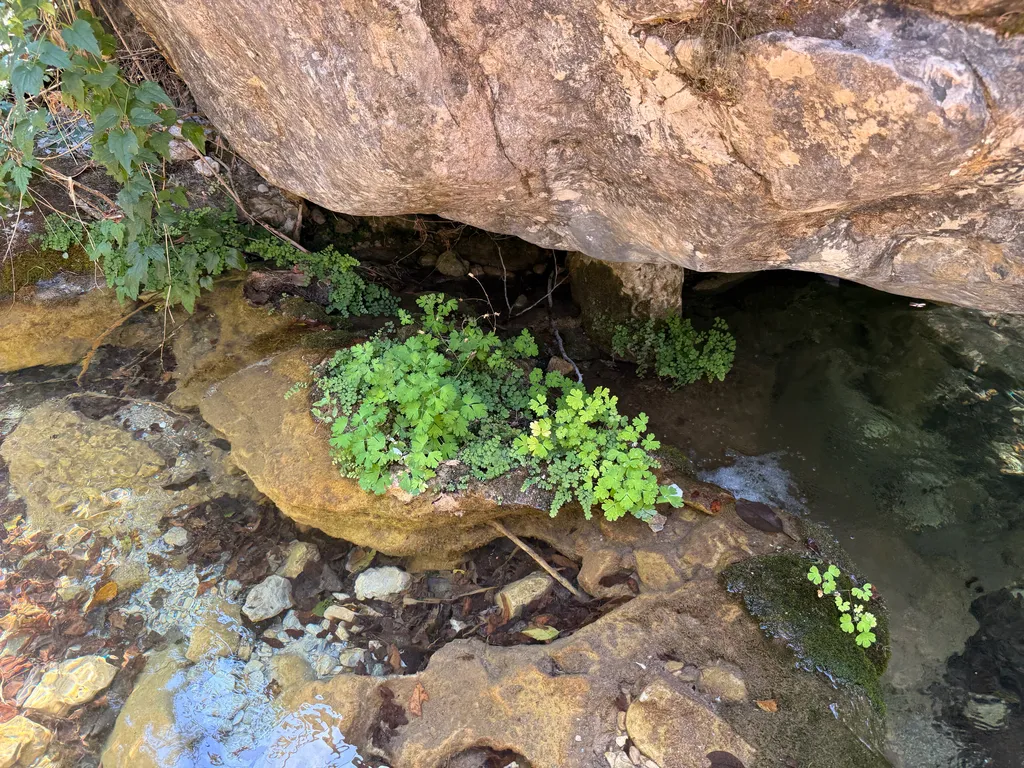
| Care difficulty | 4 / 5 |
|---|---|
| Watering schedule | Moderate regular watering, allowing brief slight drying between soakings |
| Sunlight requirements | Full shade · Partial shade |
| Ideal temperature | 15 – 25 °C |
| Soil type | Clay · Loam · Chalk · Sand |
| Soil pH | Neutral · Alkaline |
| Soil moisture | Moist but well drained |
| Fertilizing | Balanced perennial feed every four weeks from spring through summer |
| Toxicity | Information to be completed |
How to Water southern maidenhair?
Thriving in the consistent moisture of its native tropical rainforest, southern maidenhair fern has adapted to prefer a humid environment and is moderately drought-tolerant. The watering regimen for southern maidenhair fern should align with its natural predilection for steady hydration, translating to twice a week. Typically grown indoors due to its love for stable conditions, southern maidenhair fern flourishes when provided with high humidity levels that mimic its original habitat, making it an ideal candidate for terrariums or well-lit bathrooms.
Learn more →What Are the Sunlight Requirements for southern maidenhair?
Southern maidenhair fern flourishes in environments with partial sun, where dappled or indirect light nurtures its growth without the harshness of direct sunlight. Such moderate exposure enables the full expression of southern maidenhair fern's delicate fronds, optimizing photosynthetic efficiency and maintaining vibrant health. Though quite adaptable, southern maidenhair fern displays remarkable tolerance to full shade, leveraging its understory origins. In shaded conditions, southern maidenhair fern may exhibit reduced vigor yet maintains a lush appearance. For outdoor plantation, positioning southern maidenhair fern under the canopy of taller vegetation provides ideal lighting. Indoors, placing southern maidenhair fern near north or east-facing windows achieves the desired light quality. Excessive light can lead to bleaching or scorch, while insufficient light may result in etiolation, underscoring the significance of optimal light balance for southern maidenhair fern's vitality.
Learn more →What Is the Ideal Temperature Range for southern maidenhair?

Southern maidenhair fern demonstrates a fair tolerance to temperature variations, enduring cold down to -5℃ (23℉) and heat up to 41℃ (106℉). Despite this resilience, southern maidenhair fern can exhibit stress under prolonged exposure to such extremes. Cold stress symptoms include wilting or browning fronds, while heat stress may cause frond tips to curl or dry out. To protect southern maidenhair fern, use frost covers in cold weather and provide shade or increased humidity during heatwaves. These measures will help maintain the plant's health and make it suitable for diverse environments, provided that extreme conditions are managed carefully.
Learn more →What Soil Is Best for southern maidenhair?
Southern maidenhair fern thrives with good soil aeration and drainage to prevent water-logging. A suitable soil mix comprises equal parts potting mix and perlite or coarse sand. Ensure the mix is loose and allows water to pass through easily. To boost growth, incorporate slow-release fern-specific fertilizer at the start of the growing season. In the absence of perlite, utilize pumice or small gravel to maintain the necessary drainage.
- Soil type
- Clay · Loam · Chalk · Sand
- Soil pH
- Neutral · Alkaline
What Are the Moisture Requirements for southern maidenhair?
Moist but well drained
Learn more →How to Fertilize southern maidenhair?

For optimal growth, southern maidenhair fern benefits from fertilization with high nitrogen formulas. Quarterly application is generally sufficient, with a lighter dosage than typical houseplants to avoid root burn. This enhances foliage density and vibrant green coloration, key indicators of health in ferns. Avoid fertilizing during the dormant winter season, as growth naturally slows. For precise application, dilute the fertilizer to half strength and apply to moist soil to prevent nutrient overload. Tailoring the schedule and concentration to the plant's active growing seasons in spring and summer ensures a lush, vigorous southern maidenhair fern.
Learn more →How to Prune southern maidenhair?

Southern maidenhair fern is a delicate fern known for its feathery fronds and thrives in shaded, humid environments. To maintain its health and appearance, remove dead or damaged fronds regularly, focusing on early spring to encourage robust new growth. Trim close to the base, using clean, sharp scissors. Pruning mitigates disease spread and promotes air circulation, vital for this moisture-loving species. Always monitor for signs of stress or dehydration, and adjust care routines accordingly.
Learn more →How to Propagate southern maidenhair?

Southern maidenhair fern propagates best through division in spring or autumn. This method is preferred due to its ease of success. Look for new growth as a sign of successful propagation. Ensure a well-draining, moist environment for optimal results.
Learn more →How to Transplant southern maidenhair?
To transplant southern maidenhair fern, choose the sweet spot between late spring and early summer, as warmer temperatures encourage strong roots. Ensure a well-draining, shaded location for southern maidenhair fern's delicate fronds. Remember, gentle handling will help southern maidenhair fern flourish.
Learn more →How to Care for southern maidenhair in Winter?

Southern maidenhair fern hails from tropical and temperate locales, naturally comfortable in mild winter climates. This species adapts its growth rate and pigmentation to minimize winter damage. When caring for southern maidenhair fern in home gardens, gardeners must mirror its native climate: a cool, humid environment safe from harsh frost. Giving southern maidenhair fern a shielded spot with diffused sunlight will ensure it stays vibrant throughout wintertime.
Learn more →How to Plant southern maidenhair?
Indoors-potted: For a graceful touch in low-light interiors, southern maidenhair fern thrives indoors with its delicate fronds, requiring just minimal space to unfurl elegantly. Outdoors-potted: Southern maidenhair fern, when kept in outdoor pots, enjoys the shelter of a patio or balcony that mimics the dappled light of its natural habitat. Outdoors-in the ground: Planted directly into the garden, southern maidenhair fern prefers a cozy nook, offering its feathery foliage as a lush underplanting for larger species.
Learn more →How to Repot southern maidenhair?
Repot southern maidenhair fern every 2-3 years in spring, when it shows signs of crowding. This delicate, non-climbing fern flourishes in a pot slightly larger than its root ball to prevent waterlogging. Use a well-draining container and keep the soil consistently moist. Ensuring high humidity and indirect light post-repotting aids in recovery for this stylish fronded beauty.
Learn more →Common Pests & Diseases

Diseases
Generally disease-free
Pests
Generally pest-free
Explore the plant health library →Troubleshooting
Crispy Brown Fronds vs. Dark Soggy Crown Rot
southern maidenhair (Adiantum capillus-veneris) has delicate fronds that quickly crisp in dry indoor air, direct hot sun, or dry soil, yet its rhizomes and roots rot if left standing in stagnant water.
| What you notice | Possible explanation | What to check next |
|---|---|---|
| Fronds curl, turn pale grey-green, and dry out crisply while the potting mix or mount feels dry | Underwatering, low ambient humidity, or hot drying drafts | Check moisture in the root zone and evaluate proximity to heaters, vents, or direct sun |
| New unfurling fronds blacken and collapse at the base while the potting medium stays waterlogged | Root or crown rot from stagnant, poorly drained soil | Inspect container drainage holes and check whether excess water sits in the saucer |
- Grow in an airy, humus-rich, moisture-retentive but free-draining fern mix (or mounted on bark/wood with sphagnum moss for Platycerium veitchii).
- Keep moisture steady: Moderate regular watering, allowing brief slight drying between soakings, and empty saucers promptly after watering.
- Provide dappled or bright filtered light out of direct midday sun, and increase humidity with a pebble tray or humidifier.
For Platycerium veitchii, never remove the brown papery basal shield fronds—they protect the roots and hold moisture and nutrients.
Scale Insects, Mealybugs, or Frond Scorch
Indoor and greenhouse ferns can attract scale insects or mealybugs along frond midribs, while direct sun or full-strength fertilizer burns sensitive foliage.
| What you notice | Possible explanation | What to check next |
|---|---|---|
| Small brown oval bumps along frond stems/undersides, sticky residue, or white cottony tufts | Sap-sucking pests (Generally pest-free) | Inspect frond undersides and stipes closely under bright light |
| Bleached or scorched brown patches on upper fronds | Direct sunlight exposure or overly concentrated fertilizer | Check whether direct sun hits the fronds and review fertilizer dilution |
- Trim dead or heavily infested fronds cleanly at the base in early spring before new croziers unfurl.
- Isolate pest-infested plants and wipe scale or mealybugs manually with a damp cloth or cotton swab dipped in rubbing alcohol (avoid harsh oil sprays on delicate maidenhair fronds).
- Feed only with a weak, half-strength balanced or high-nitrogen liquid fertilizer during warm spring and summer growth.
Avoid wiping the silvery-white hair layer (trichomes) off Platycerium veitchii fronds, as those hairs help reflect sun and conserve moisture.