



Planting and Growing Celastrus pyracanthus

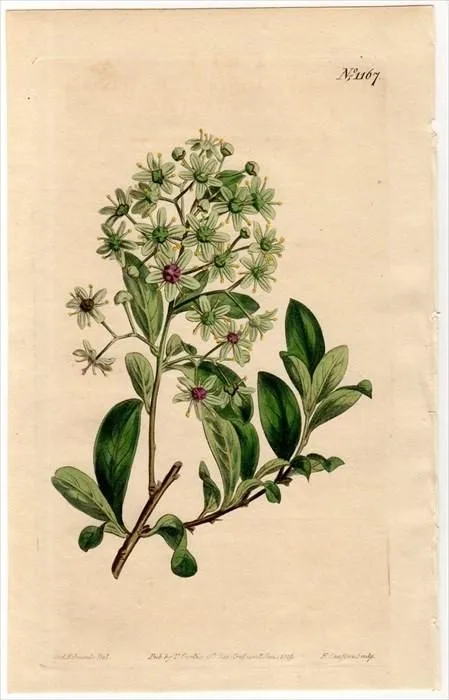
| Care difficulty | 2 / 5 |
|---|---|
| Watering schedule | Water moderately, allow partial soil drying between waterings |
| Sunlight requirements | Full sun · Partial shade |
| Ideal temperature | Information to be completed |
| Soil type | Loam · Sand |
| Soil pH | Acid · Alkaline · Neutral |
| Soil moisture | Well drained |
| Fertilizing | Annual spring shrub feed with diluted liquid top-up in summer |
| Toxicity | Harmful if eaten. Wear gloves and other protective equipment when handling |
How to Water Celastrus pyracanthus?
Water moderately, allow partial soil drying between waterings
Learn more →What Are the Sunlight Requirements for Celastrus pyracanthus?
Full sun · Partial shade
Learn more →What Soil Is Best for Celastrus pyracanthus?
- Soil type
- Loam · Sand
- Soil pH
- Acid · Alkaline · Neutral
What Are the Moisture Requirements for Celastrus pyracanthus?
Well drained
Learn more →How to Fertilize Celastrus pyracanthus?

Annual spring shrub feed with diluted liquid top-up in summer
Learn more →How to Prune Celastrus pyracanthus?

Little pruning is needed. Remove diseased, damaged, crowded or crossing shoots and unwanted growth. Timing depends on the plant: generally late winter or early spring; plants prone to bleeding and deciduous magnolias need different timing, and deciduous azaleas and lilacs are pruned after flowering.
Learn more →How to Propagate Celastrus pyracanthus?

Propagate by seed or by semi-hardwood cuttings
Learn more →How to Plant Celastrus pyracanthus?
Grow in well-drained soil in full sun or partial shade
Learn more →Common Pests & Diseases

Diseases
Generally disease-free
Pests
Generally pest-free
Explore the plant health library →The Toxicity of Celastrus pyracanthus
Harmful if eaten. Wear gloves and other protective equipment when handling