



Planting and Growing leather fern

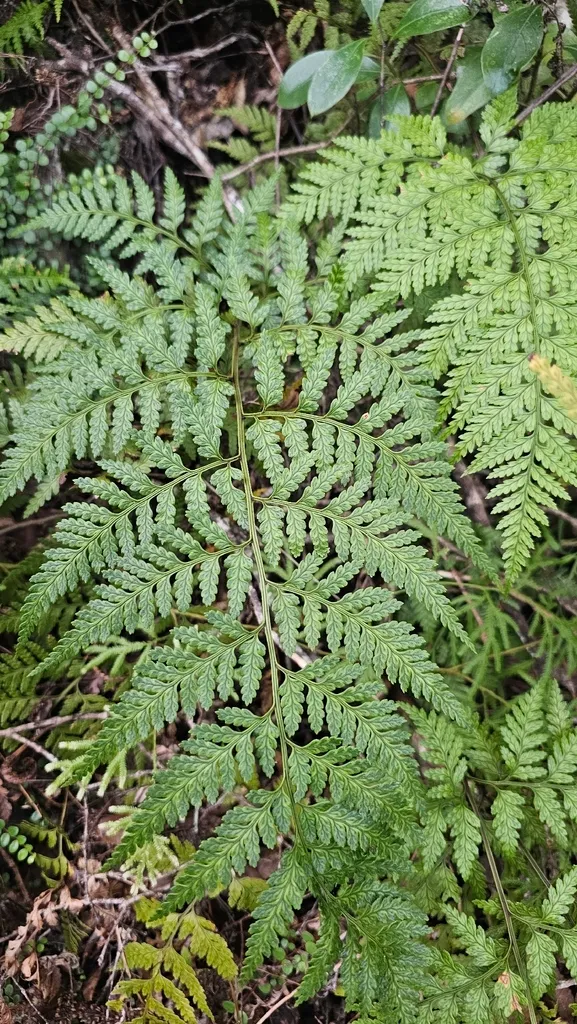
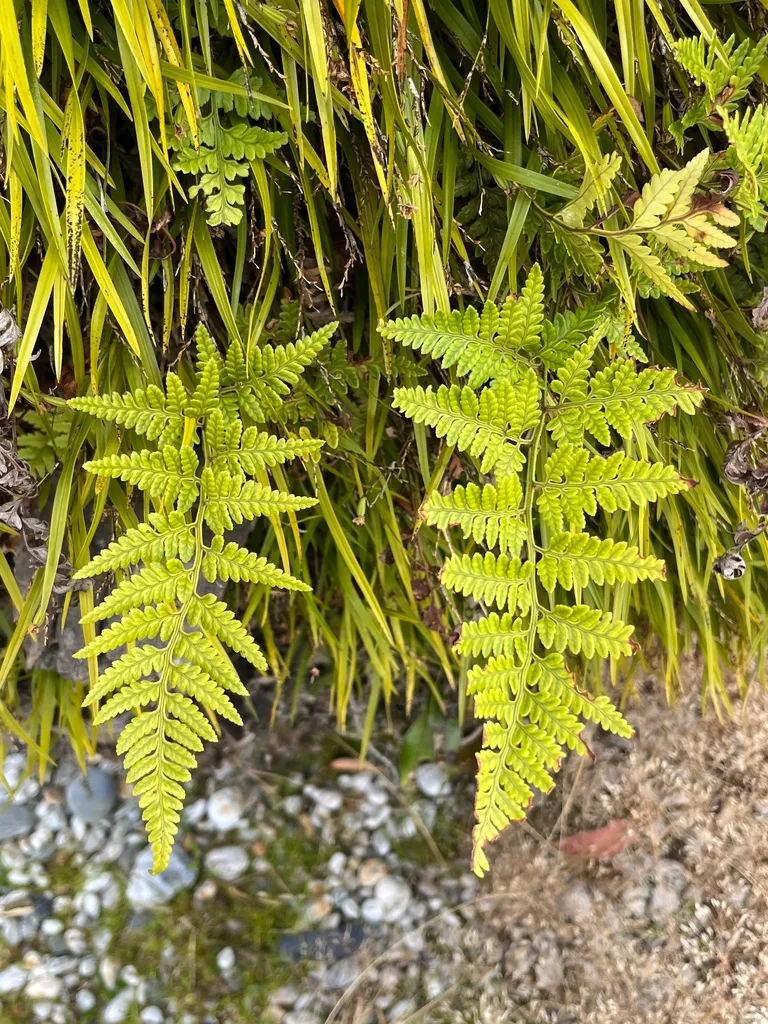
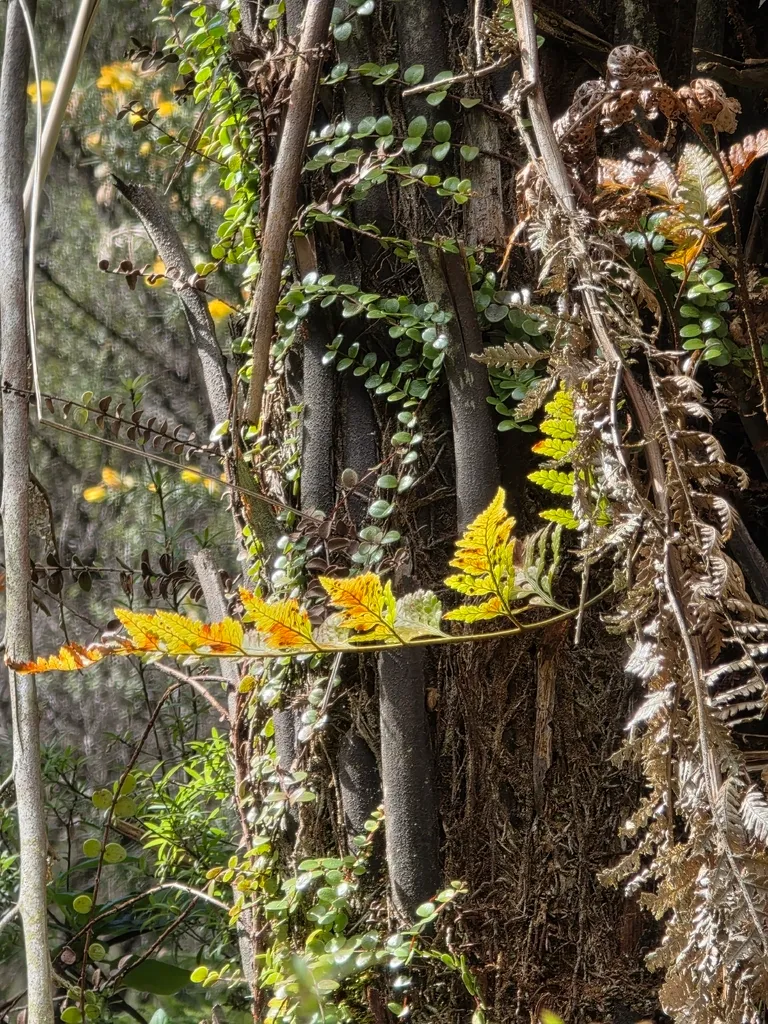
| Care difficulty | 3 / 5 |
|---|---|
| Watering schedule | Moderate regular watering, avoid prolonged drought or waterlogging |
| Sunlight requirements | Partial shade |
| Ideal temperature | 18 – 27 °C |
| Soil type | Loam · Sand |
| Soil pH | Acid · Neutral |
| Soil moisture | Moist but well drained · Well drained |
| Fertilizing | Balanced feed in spring and light repeat in growth season |
| Toxicity | Information to be completed |
How to Water leather fern?
Originating from the humid understory of tropical regions, leatherleaf fern thrives in consistently moist soil and appreciates high humidity. It has a moderate drought tolerance but performs best when its water needs are met regularly. Watering every week will maintain its lush foliage. Typically grown indoors due to its preference for stable conditions, leatherleaf fern is an evergreen plant that requires careful attention to watering during its active growth cycles to ensure year-round vitality.
Learn more →What Are the Sunlight Requirements for leather fern?
Leatherleaf fern thrives in partial sun, flourishing under dappled light or bright indirect daylight. Its preference for such conditions supports efficient photosynthesis while protecting it from the potential stress of more intense lighting. When exposed to light levels outside its optimal spectrum, leatherleaf fern's growth can be stunted, and its fronds may suffer burn damage. Adaptations like its leathery fronds prevent rapid water loss, aiding resilience in various light exposures. Preferred outdoor settings are spots with filtered sunlight, such as under a canopy of taller trees, which mimics its natural understory habitat. Inadequate lighting may lead to etiolation, where leatherleaf fern becomes leggy in search of light.
Learn more →What Is the Ideal Temperature Range for leather fern?

Leatherleaf fern is notably resilient to a range of temperatures, tolerating cold as low as 0℃ (32℉) and heat up to 43℃ (109℉). This adaptability makes it suitable for various environments, though it may require protection during extreme weather. In overly cold conditions, leatherleaf fern may exhibit symptoms like leaf browning or curling; in excessive heat, wilting or scorching can occur. To counteract overcooling, use frost cloths or bring the plant indoors. For overheating, provide shade and maintain adequate watering. Understanding these limits is crucial for ensuring the plant’s healthy growth and longevity.
Learn more →What Soil Is Best for leather fern?
For leatherleaf fern, well-draining soil is crucial to prevent water-logging. Prepare a mix using part garden soil, part peat moss, and part perlite or sand for better aeration. In absence of peat moss, coconut coir can be a good alternative. Adding compost will enhance soil fertility. Ensure the mix remains slightly moist, not waterlogged. A balanced, slow-release fertilizer can be applied every 6-8 weeks.
- Soil type
- Loam · Sand
- Soil pH
- Acid · Neutral
What Are the Moisture Requirements for leather fern?
Moist but well drained · Well drained
Learn more →How to Fertilize leather fern?

Fertilize leatherleaf fern monthly with high nitrogen fertilizers to support lush frond growth. Use half the recommended dose to prevent root burn. During active growth in spring and summer, this routine enhances vigor, with reduced feeding in fall and winter. Apply during watering for even distribution, and cease fertilization if leatherleaf fern shows signs of stress or poor health. Balanced feeding maintains leatherleaf fern's robustness, ensuring a vibrant appearance year-round.
Learn more →How to Prune leather fern?

Known for its glossy, dark green fronds, leatherleaf fern benefits from pruning in early to late spring, aligning with its vigorous growth phase. Trim older, damaged, or yellowing fronds at the base to encourage fresh growth and maintain overall plant health. Regular pruning prevents overcrowding and enhances air circulation, reducing disease risk. Always use sterilized, sharp tools to make clean cuts, ensuring quick recovery. Proper pruning leads to a more aesthetically pleasing and robust plant.
Learn more →How to Propagate leather fern?

This fern is known for its glossy, deep green fronds that are commonly used in floral arrangements. Propagation is effectively achieved via spores that can be sown on a sterile growing medium, ideally peat or a peat-perlite mix. When sowing, ensure the substrate is kept evenly moist and in a warm environment with indirect light; germination can take several weeks to months. For successful growth, maintain high humidity and provide consistent but gentle waterings once the spores germinate and develop into gametophytes.
Learn more →How to Transplant leather fern?
The best time to transplant leatherleaf fern is during the rejuvenation of spring. This ensures roots establish in mild temperatures. Choose a shaded, moist location. Tip: Gently loosen roots to encourage spreading.
Learn more →How to Plant leather fern?
Indoors-potted: Indoor care for leatherleaf fern focuses on humidity; in a home setting, ensure adequate moisture to maintain its lush foliage. Outdoors-potted: Leatherleaf fern thrives outdoors in pots but be wary of excessive rainwater leading to soggy conditions which can harm the plant. Outdoors-in the ground: When planting leatherleaf fern outside, consider shelter from harsh elements to protect its delicate fronds and preserve its beauty.
Learn more →How to Repot leather fern?
Repot leatherleaf fern every 2-3 years, ideally during the spring to encourage vigorous growth post-transplant. This non-climbing fern thrives best when given ample room, so choose a pot slightly larger than the current one to provide space for root expansion. Post-repotting, ensure leatherleaf fern is kept in a humid environment with indirect light, and maintain consistently moist soil without waterlogging. Friendly reminder: leatherleaf fern's love consistency in their care.
Learn more →Common Pests & Diseases

Diseases
Generally trouble free
Pests
Generally trouble free
Explore the plant health library →