
leather fern
Also known as: iron fern; leatherleaf fern
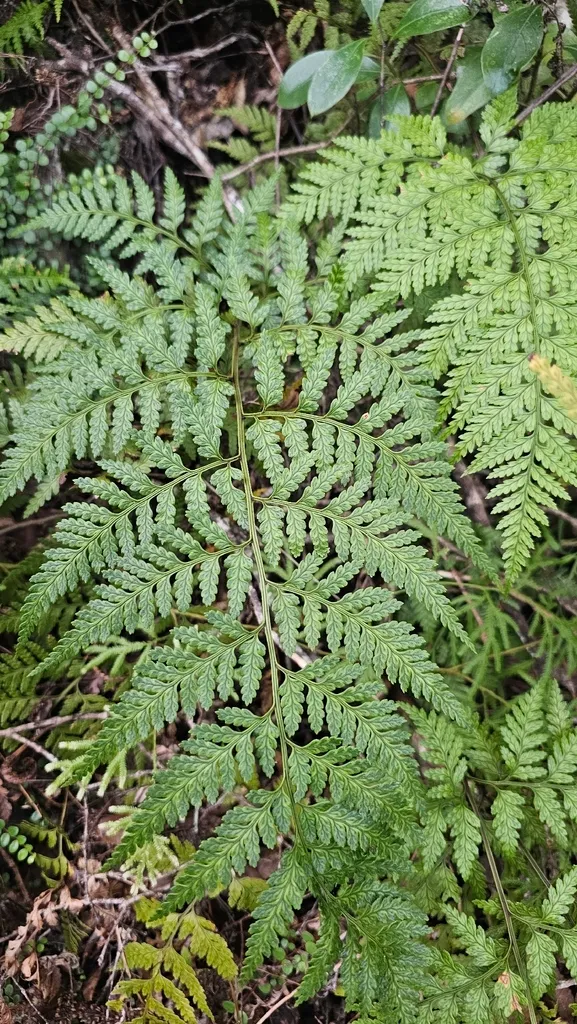
R. adiantiformis is a tufted evergreen fern to 90cm, with glossy dark green, triangular-ovate, bi- to tri-pinnate fronds that last well when cut for flower arranging
Scientific classification
- Species
- leather fern (Rumohra adiantiformis)
- Genus
- Rumohra
- Family
- Dryopteridaceae
- Order
- Polypodiales
- Class
- Polypodiopsida
- Phylum
- Pteridophyta
- Information to be completed
- Toxicity
- Conservatory Greenhouse · Ferns · Houseplants
- Plant type
- 0.5-1 metres
- Height
- 0.5-1 metres
- Spread
- Evergreen
- Foliage
- Bushy
- Habit
- Spring · Summer · Autumn · Winter
- Season of interest
- Partial shade
- Sunlight
- 18 – 27 °C
- Ideal temperature









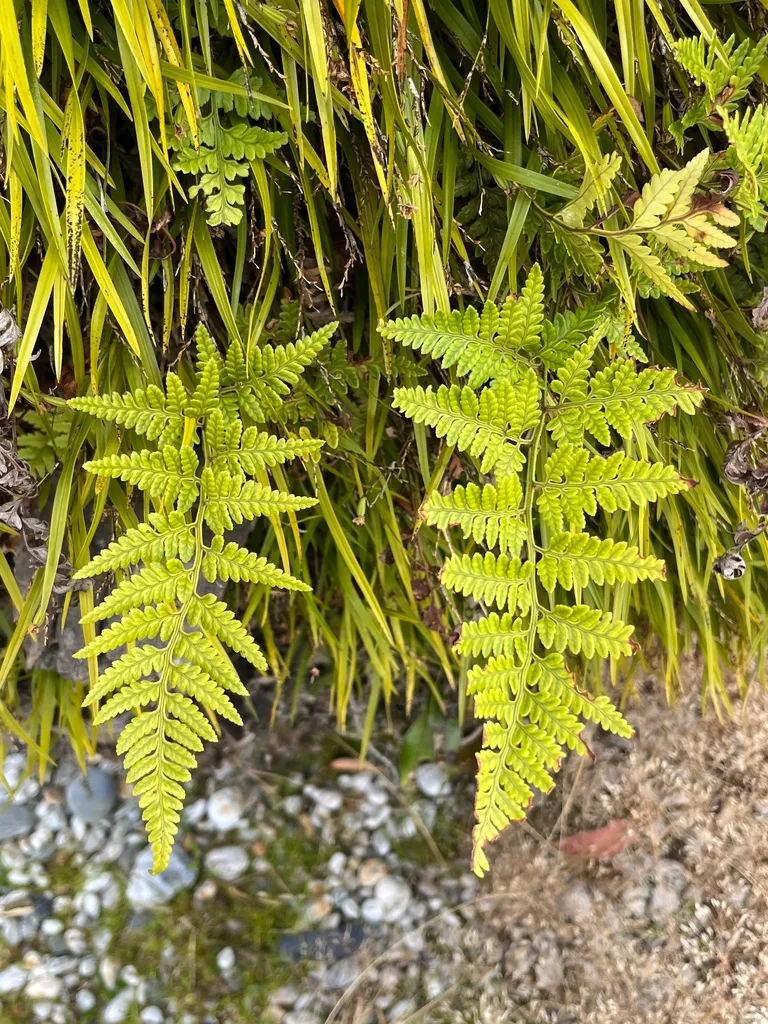
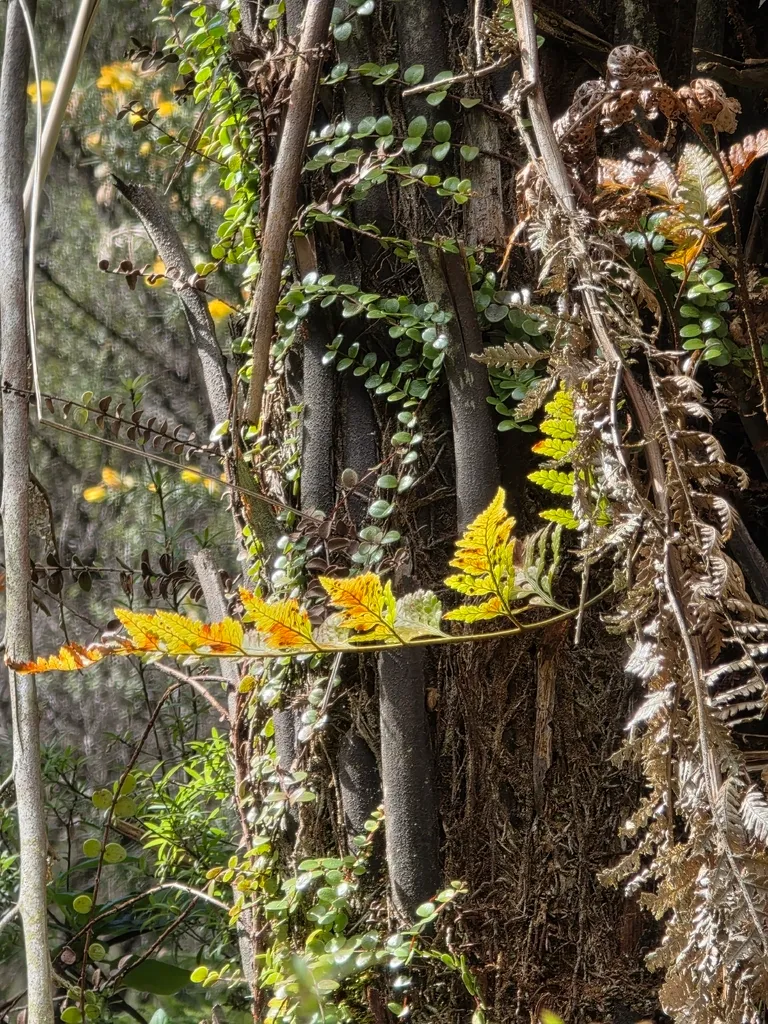
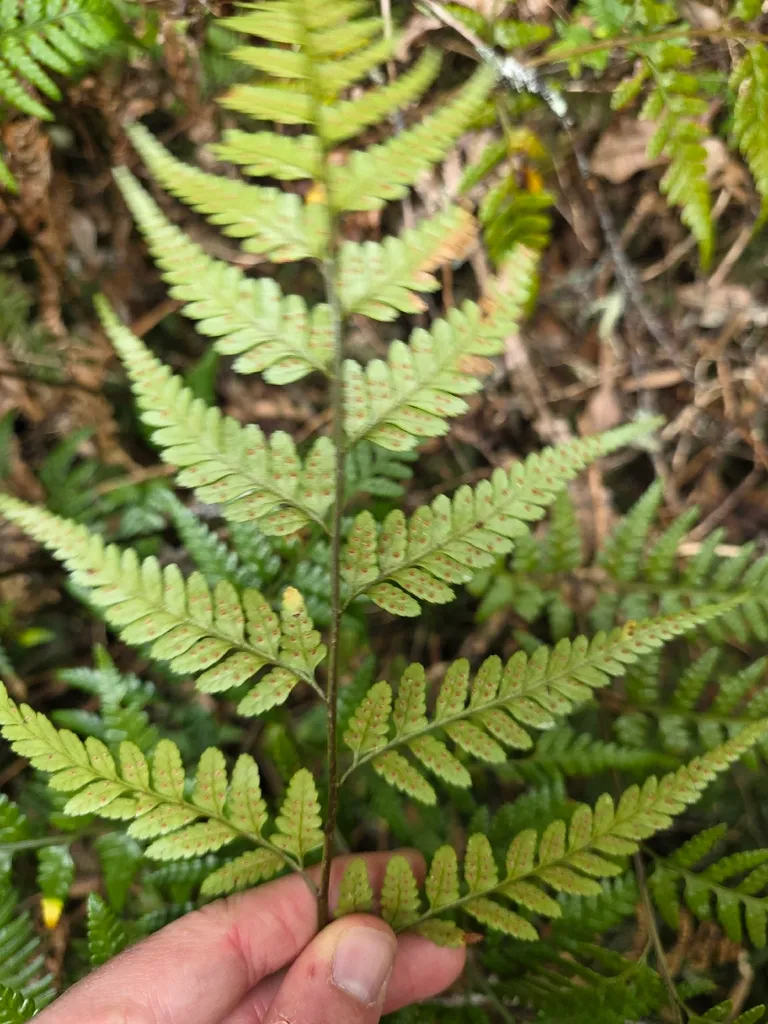
leather fern pictures
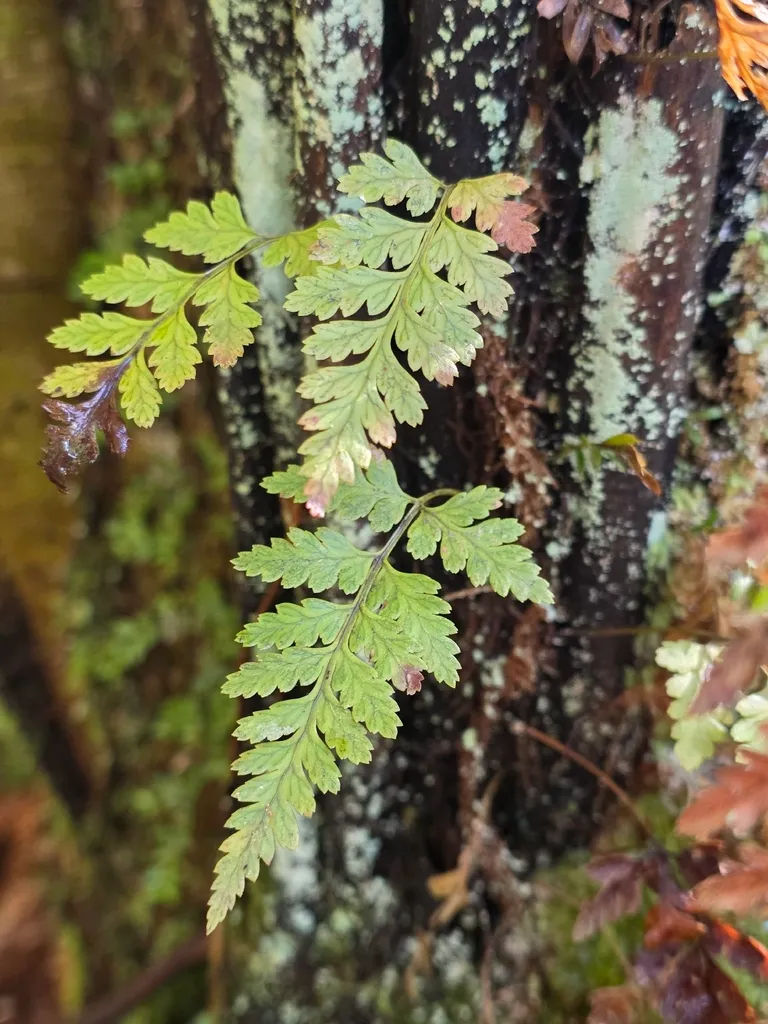
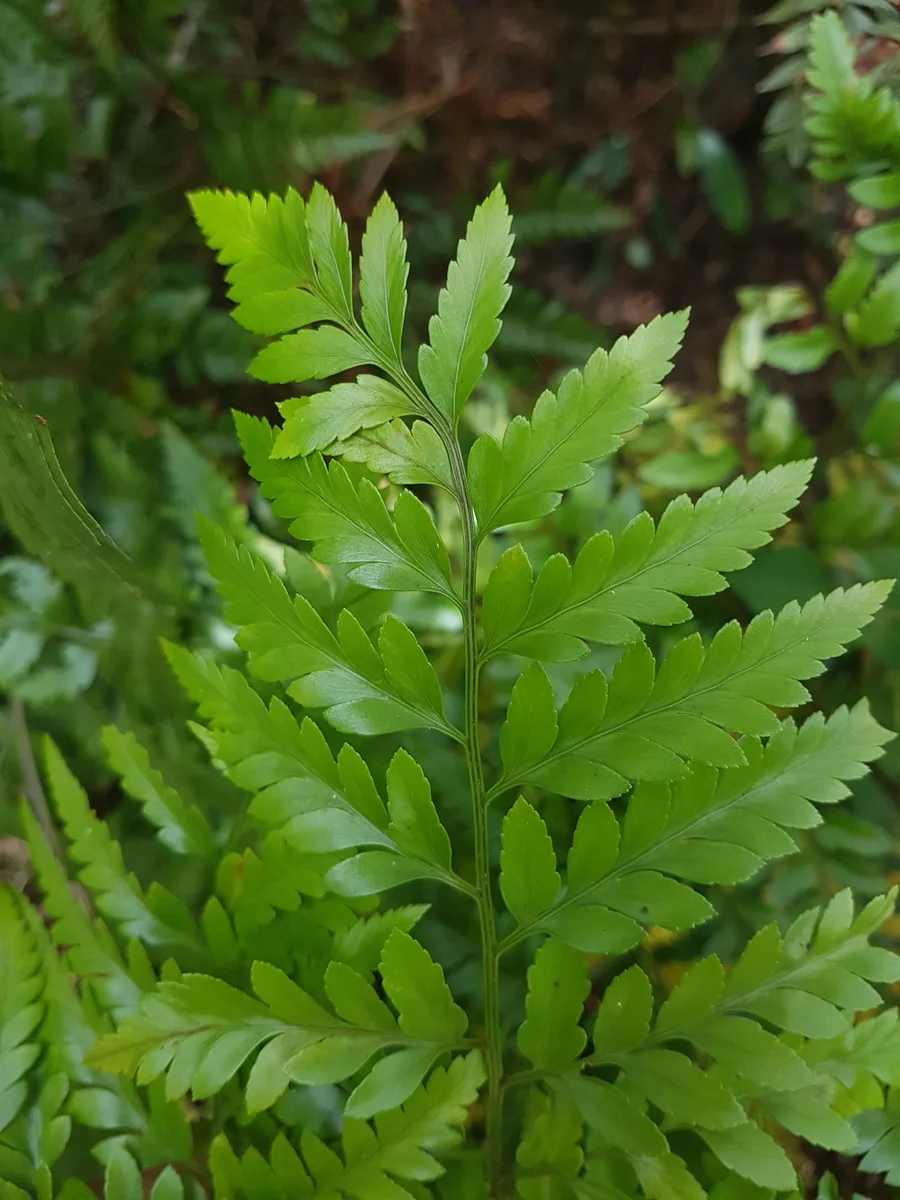
Distribution of leather fern
Distribution map
- Native
- Introduced
- Cultivated
Source:WCVP v16 · Royal Botanic Gardens, Kew · CC BY 3.0 · Boundaries:WGSRPD / TDWG
leather fern care guide
- Moderate regular watering, avoid prolonged drought or waterlogging
- Watering
- Partial shade
- Sunlight
- 18 – 27 °C
- Ideal temperature

Watering
Moderate regular watering, avoid prolonged drought or waterlogging
Fertilizing
 Fertilizing
Balanced feed in spring and light repeat in growth season
Pruning
 Pruning
No pruning necessary
Propagation
 Propagation
Propagate by spores sown on the surface of loamless compost 21°C, or by separating rooted sections of rhizome and potting up individually
Growing
 Growing
Grow under glass either epiphytically on bark, or in shallow pots or hanging baskets containing a proprietary orchid compost. Alternatively use a loamless compost with the addition of extra perlite or grit for sharp drainage. Water and mist the plant regularly when in active growth and sparingly in the winter. In the growing period apply a half strength liquid fertiliser monthly
Common pests and diseases
Diseases
Generally trouble free
Pests
Generally trouble free
Explore the plant health library →




