



Planting and Growing foxglove 'Camelot Rose'

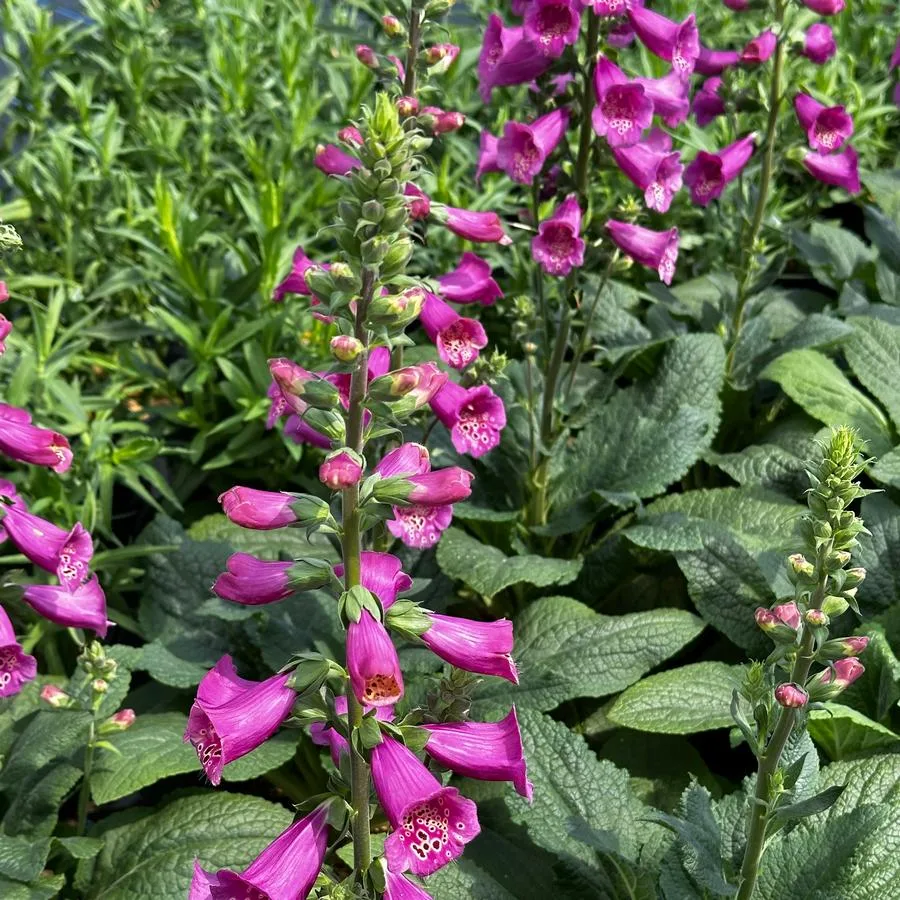
| Care difficulty | 2 / 5 |
|---|---|
| Watering schedule | Keep soil evenly moist during active growth and bloom |
| Sunlight requirements | Partial shade |
| Ideal temperature | Information to be completed |
| Soil type | Loam · Sand |
| Soil pH | Acid · Neutral |
| Soil moisture | Moist but well drained |
| Fertilizing | Light balanced feed in spring and at bud stage |
| Toxicity | TOXIC if eaten. Wear gloves and other protective equipment when handling |
How to Water foxglove 'Camelot Rose'?
Keep soil evenly moist during active growth and bloom
Learn more →What Are the Sunlight Requirements for foxglove 'Camelot Rose'?
Partial shade
Learn more →What Soil Is Best for foxglove 'Camelot Rose'?
- Soil type
- Loam · Sand
- Soil pH
- Acid · Neutral
What Are the Moisture Requirements for foxglove 'Camelot Rose'?
Moist but well drained
Learn more →How to Fertilize foxglove 'Camelot Rose'?

Light balanced feed in spring and at bud stage
Learn more →How to Prune foxglove 'Camelot Rose'?

No pruning required, but deadheading, cutting down dead flowering stems, will encourage secondary flowering shoots, and encourage growth the following year
Learn more →How to Propagate foxglove 'Camelot Rose'?

Propagate by seed, sown in spring; it is an F1 hybrid, so plants from self-seeding will not come true
Learn more →How to Plant foxglove 'Camelot Rose'?
Grow in moist but well-drained humus-rich soil in light dappled shade, for example in a mixed bed or an open woodland garden, and add organic mulch; native foxgloves are usually found in the wild on acidic soils, but they can also grow on neutral soils, and tolerate slightly alkaline soils
Learn more →Common Pests & Diseases

Diseases
May be susceptible to powdery mildews, downy mildews and leaf spot
Pests
May be susceptible to aphids and leaf and bud eelworm
Explore the plant health library →The Toxicity of foxglove 'Camelot Rose'
TOXIC if eaten. Wear gloves and other protective equipment when handling